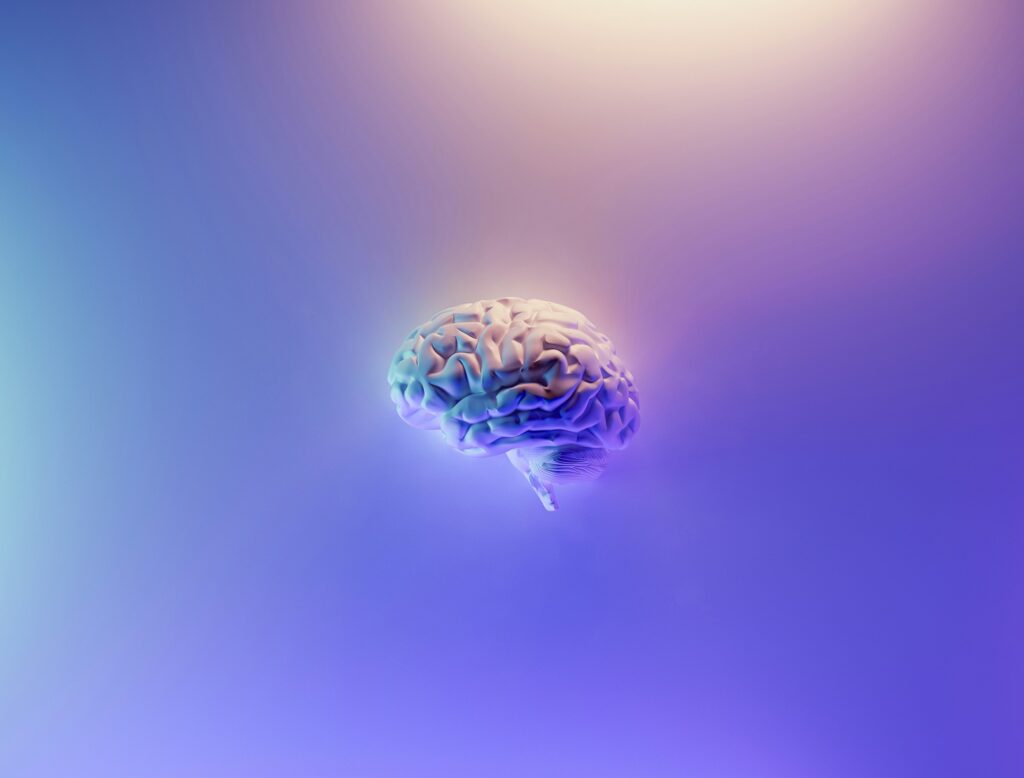
Picture this: a crow solves a puzzle in fewer steps than a human child, an octopus escapes from a locked aquarium tank, and dolphins invent their own games for fun. These stories sound almost unbelievable, but they’re true—and they challenge our long-held belief that humans are the pinnacle of intelligence. The animal kingdom is teeming with astonishing displays of wit, creativity, and cunning that can leave even the most seasoned scientist awestruck. Some creatures, often overlooked or underestimated, have developed mental skills that rival—sometimes even surpass—our own, all in the name of survival. What does it mean when a bird can outsmart us, or when an elephant can solve problems we struggle with? Unraveling these mysteries doesn’t just humble us; it offers a dazzling new perspective on life itself, showing how intelligence takes many forms and thrives in the wildest corners of our world.
The Unexpected Genius of Crows
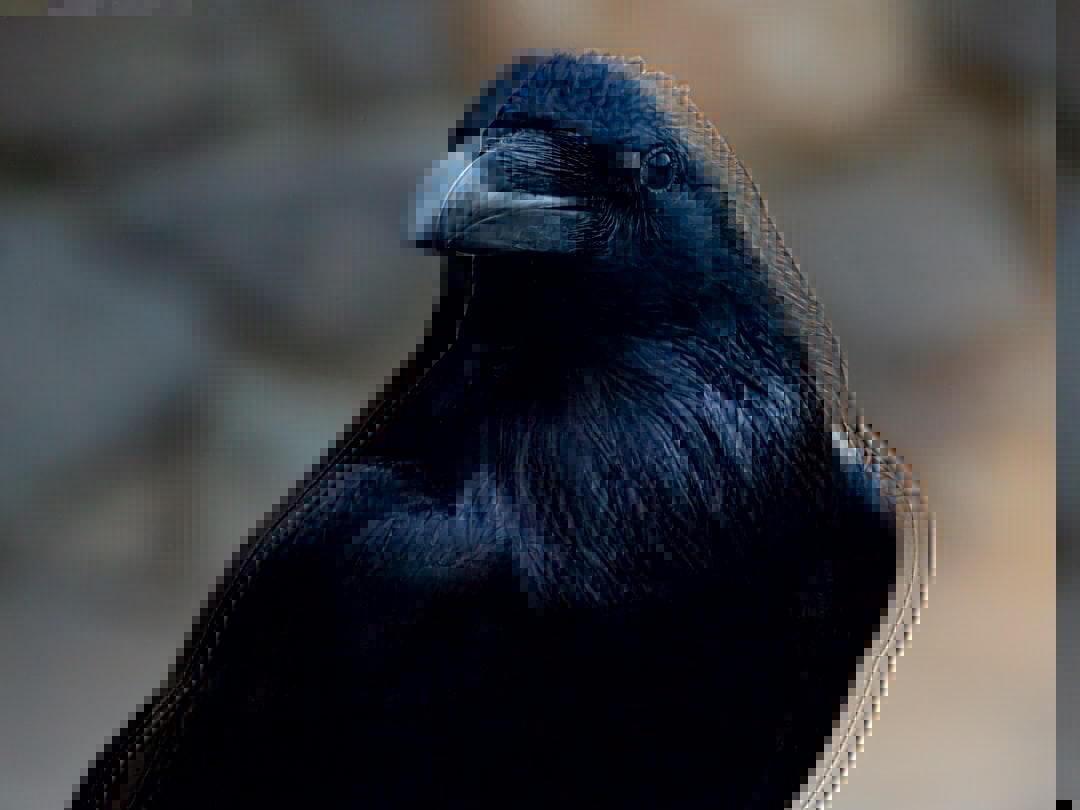
Crows, with their glossy black feathers and piercing eyes, are far more than mere scavengers. They have consistently shocked scientists with their ability to solve complex puzzles, use tools, and even plan for the future—a skill once thought unique to humans. In one famous experiment, crows used sticks to retrieve food from hard-to-reach places, demonstrating a grasp of cause and effect that many toddlers haven’t yet mastered. Researchers have watched these birds drop nuts on busy roads, waiting for cars to crack them open, then swooping in when it’s safe. Their ability to recognize faces, hold grudges, and even teach each other new tricks shows a level of social intelligence that’s hard to ignore. The world of crows is a high-stakes game of wit and memory, and they’re playing to win.
Octopuses: Masters of Escape and Innovation
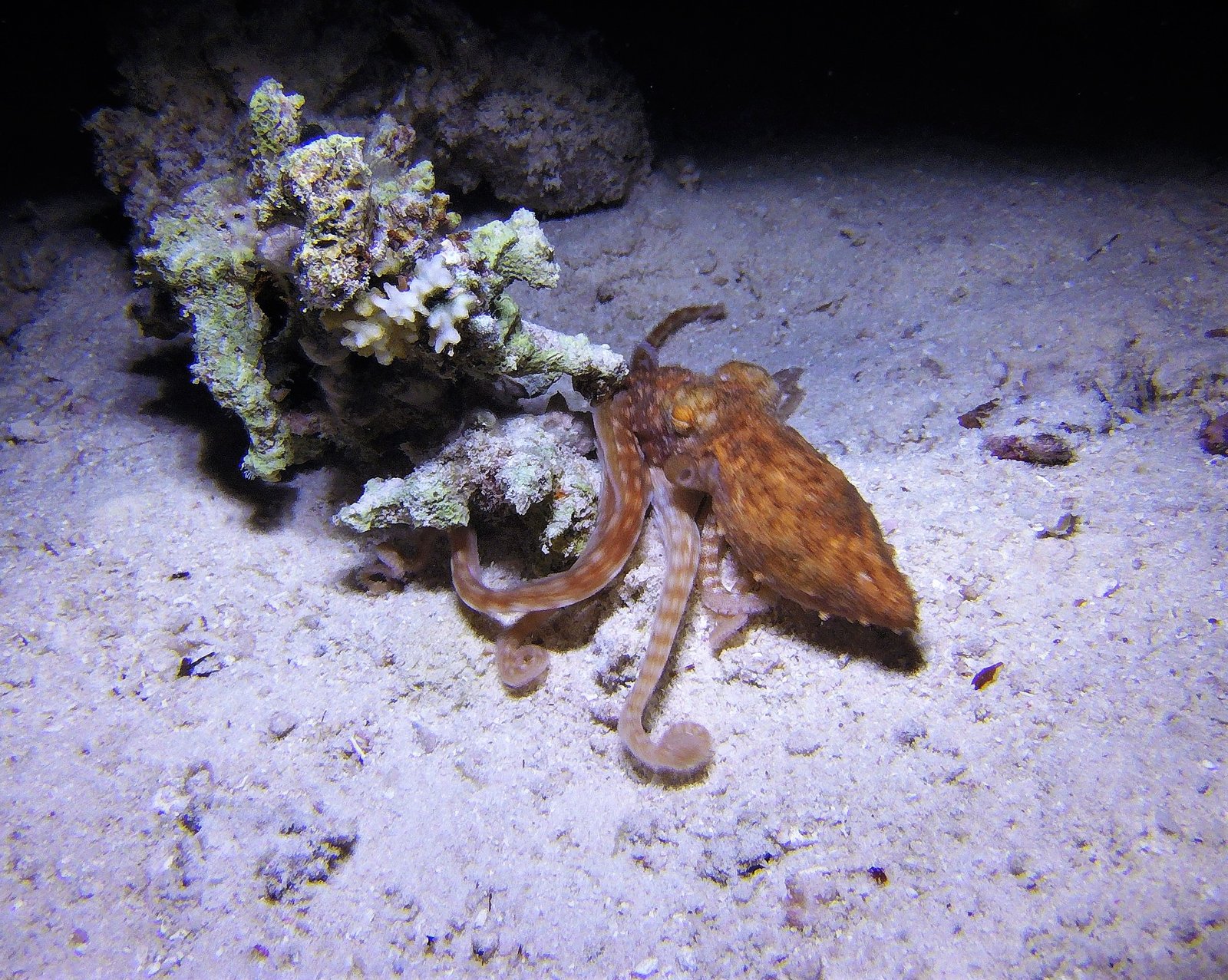
Octopuses are the Houdinis of the animal world, known for their astonishing problem-solving abilities and clever escapes. These soft-bodied cephalopods have been caught opening jars, mimicking other sea creatures, and even dismantling aquarium equipment to make their getaway. Their brains are large for their size, and two-thirds of their neurons are in their arms, giving each limb a mind of its own. This distributed intelligence lets them multitask like no other animal: while one arm explores a crevice, another might be testing the lid of a container. Octopuses also display a curiosity that borders on playfulness, poking at new objects and even squirting water at keepers they dislike. Their intelligence isn’t just about survival—it’s about exploring and mastering their environment in ways that seem eerily familiar.
Dolphins and the Language of Play
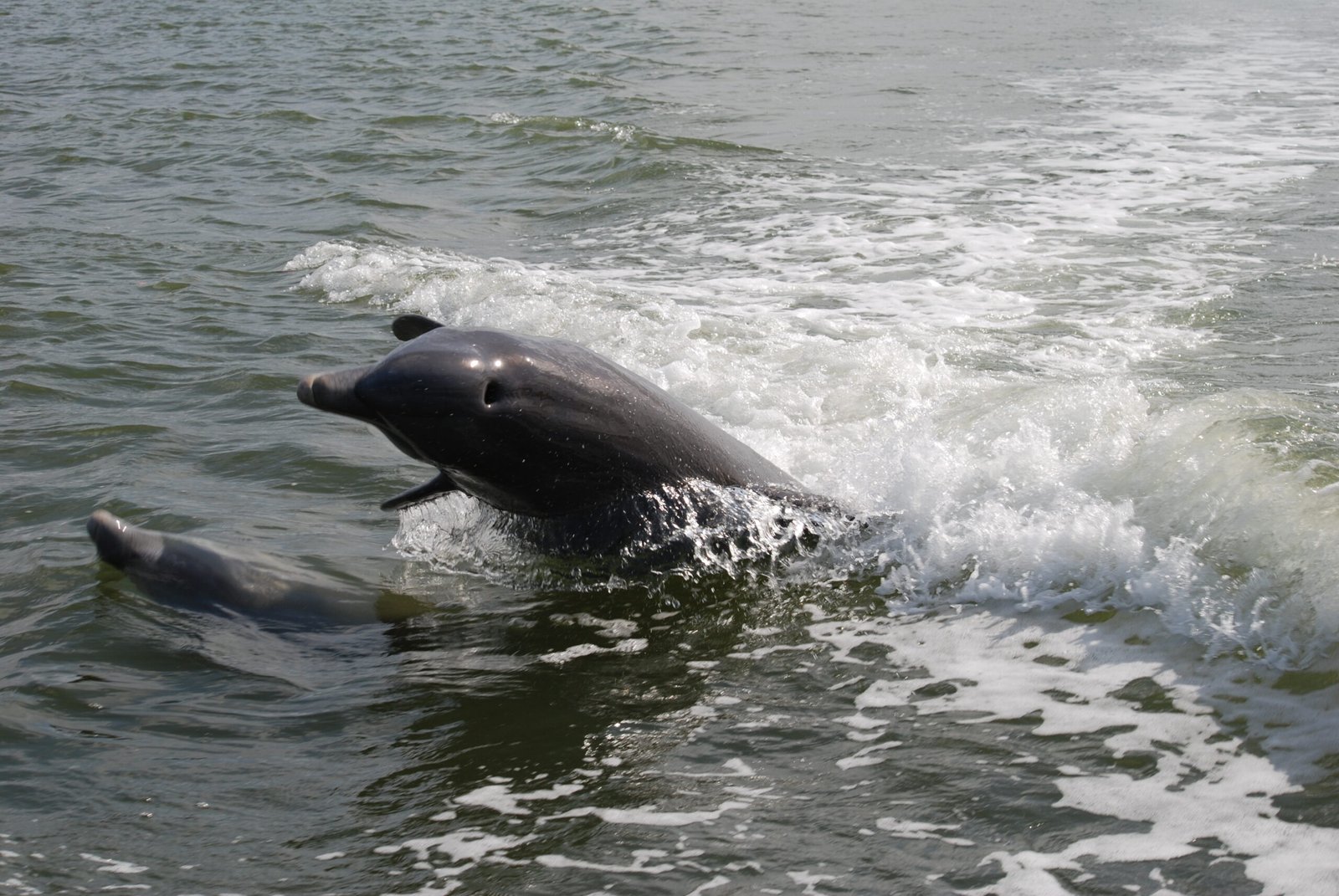
Dolphins have long enchanted us with their playful leaps and cheerful whistles, but beneath the surface lies a mind capable of astounding feats. These marine mammals use complex vocalizations to communicate, create signature whistles to identify themselves, and have even been known to invent new games for their own amusement. Dolphins in captivity and in the wild have demonstrated the ability to understand abstract concepts, follow novel commands, and even recognize themselves in mirrors—a test of self-awareness that only a handful of species have passed. Their social intelligence is off the charts, with alliances, rivalries, and intricate group dynamics that rival those of any soap opera. When dolphins team up to herd fish or outwit predators, we’re witnessing a level of cooperation and strategy that’s nothing short of remarkable.
Elephants: Memory and Empathy Beyond Compare
Elephants are the gentle giants of the savanna, renowned not just for their size but for their deep emotional lives and extraordinary memories. These animals can remember water sources across vast distances and recognize individuals—even humans—years after a brief encounter. But memory is just the beginning. Elephants comfort distressed companions, mourn their dead, and display empathy that rivals our own. In the wild, they have been seen working together to solve problems, such as moving obstacles or rescuing calves in trouble. Their intelligence is woven into every aspect of their lives, from the way they navigate their environment to the complex social bonds they form. When we look into an elephant’s eyes, we’re met with a depth of feeling and understanding that’s both humbling and inspiring.
Parrots: The Gift of Speech and Reason
Parrots are more than just beautiful feathers and catchy tunes; they are among the most intelligent birds on the planet. Some species, like the African grey parrot, have demonstrated the ability to understand and use human language in surprisingly sophisticated ways. One famous parrot, Alex, could identify shapes, colors, and numbers, and even express desires or preferences, leaving researchers amazed at his cognitive skills. Parrots also solve logic puzzles, use tools, and mimic complex sounds they hear in their environment. Their intelligence isn’t just imitation—it’s reasoning, problem-solving, and learning in action. These birds reveal that language and logic are not exclusive to humans but can blossom in the most unexpected places.
Dogs: Loyalty, Learning, and Social Savvy

Man’s best friend has been evolving alongside us for thousands of years, and their intelligence is tightly linked to their ability to read and respond to human cues. Dogs can learn hundreds of words and gestures, pick up on our emotions, and even anticipate what we’re about to do—sometimes before we realize it ourselves. Some breeds, like border collies, can understand complex instructions and solve practical problems, such as opening doors or finding hidden objects. But perhaps their greatest skill is social intelligence: dogs excel at reading faces, gestures, and voices, making them masters of communication and empathy. It’s no wonder we feel such a close bond; dogs have outsmarted us in their own way, weaving themselves into the fabric of our lives.
Rats: Small Size, Big Brainpower
Rats are often maligned as pests, but anyone who has worked with them in a laboratory knows they are anything but simple. These rodents can learn complex mazes, remember routes for weeks, and even show signs of regret when making poor choices. In studies, rats have been observed helping fellow rats escape from cages, forgoing treats to aid a friend—a behavior that hints at empathy and moral decision-making. Their adaptability is legendary; rats thrive in nearly every corner of the globe, outmaneuvering traps and learning from their mistakes. Their intelligence is a testament to survival through cunning, quick learning, and social awareness.
Ants: Collective Intelligence in Action
Ants may be tiny, but together they form superorganisms capable of feats that would be impossible for any individual. Their colonies operate with military precision, building intricate nests, farming fungus, and even waging war against rival colonies. What’s most surprising is how ants solve complex problems collectively, such as finding the shortest route to food or dividing up tasks for efficiency. This form of intelligence—known as swarm intelligence—shows how simple rules followed by individuals can create astounding results. Picture a single ant as a neuron, and the whole colony as a brain; together, they outsmart obstacles and adapt to changing environments with breathtaking agility.
Orangutans: Forest Inventors and Cultural Learners
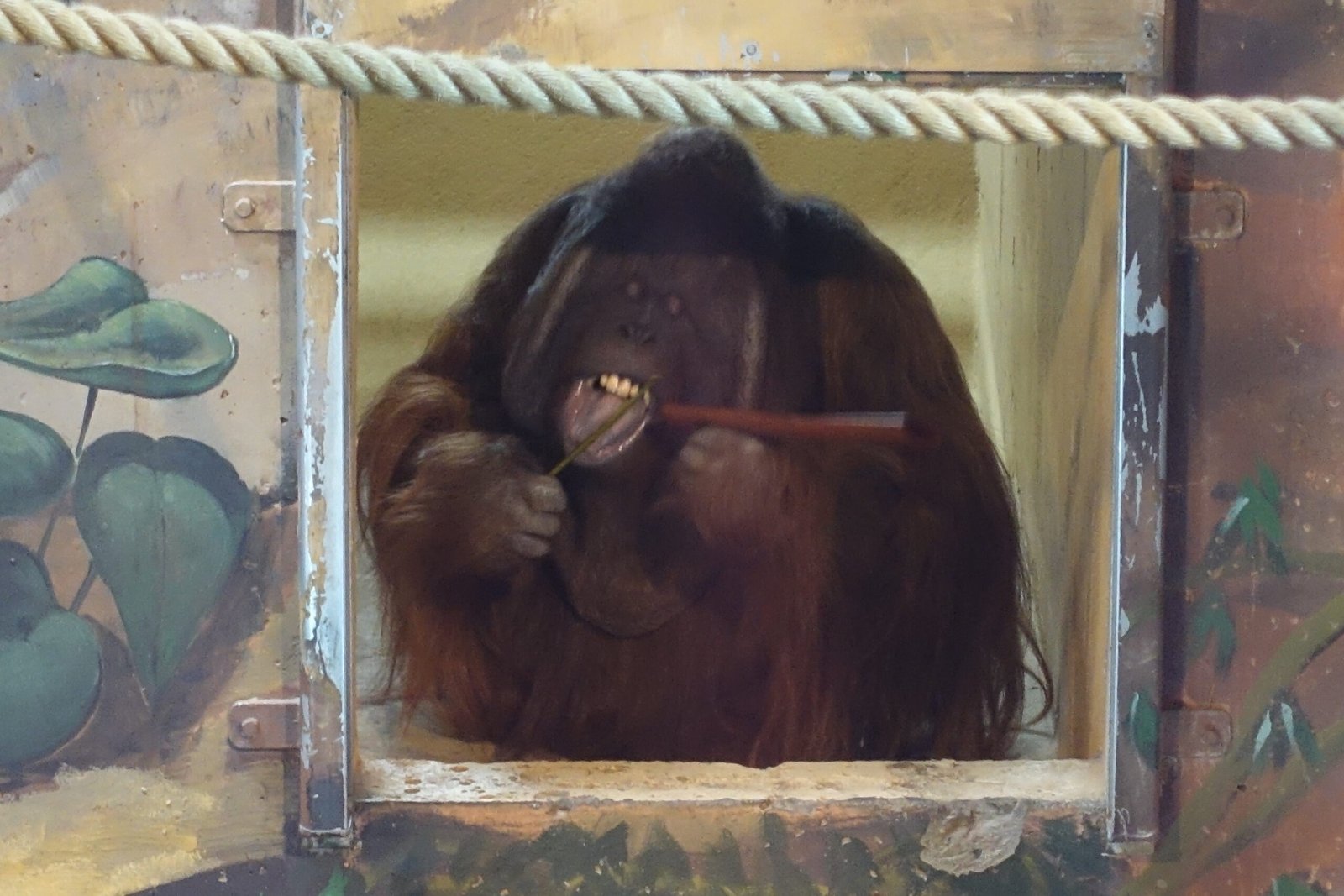
Orangutans are the architects of the rainforest, known for their remarkable ability to use tools and learn by observation. These great apes fashion sticks to extract insects, use leaves as umbrellas, and even craft makeshift gloves to handle prickly fruits. What sets them apart is their capacity for cultural learning—young orangutans spend years watching their mothers, picking up survival skills that vary from one region to another. This passing down of knowledge resembles human traditions and highlights how intelligence can be shaped by both nature and nurture. Orangutans are inventors, problem-solvers, and cultural beings, revealing a rich inner world that’s still being uncovered.
Honeybees: Mathematical Minds on Wings
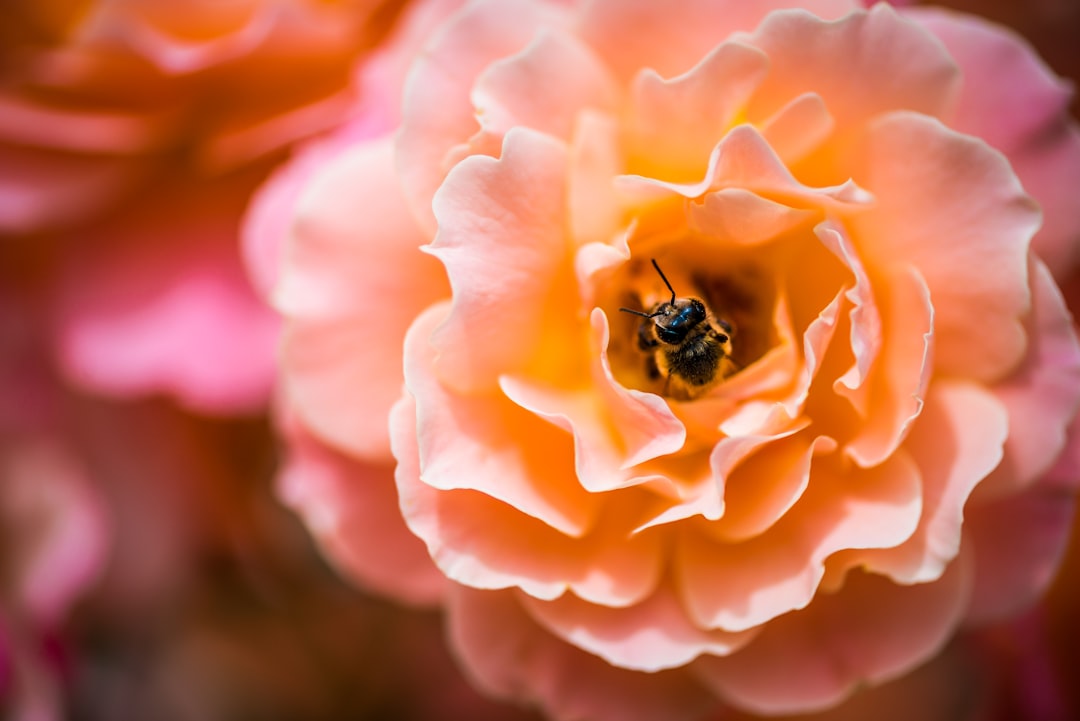
Honeybees are nature’s mathematicians, capable of calculating distances, angles, and even communicating complex information through their famous waggle dance. When a scout bee finds a good source of nectar, she returns to the hive and performs a dance that tells her sisters exactly how far to fly and in what direction. This remarkable system requires memory, navigation skills, and a shared code—traits we often associate with human language and math. Bees also work together to regulate hive temperature, allocate resources, and defend against threats, displaying a collective intelligence that’s nothing short of astonishing. Their small size belies their big brains and brilliant problem-solving.
Cephalopods: Chameleons of the Sea
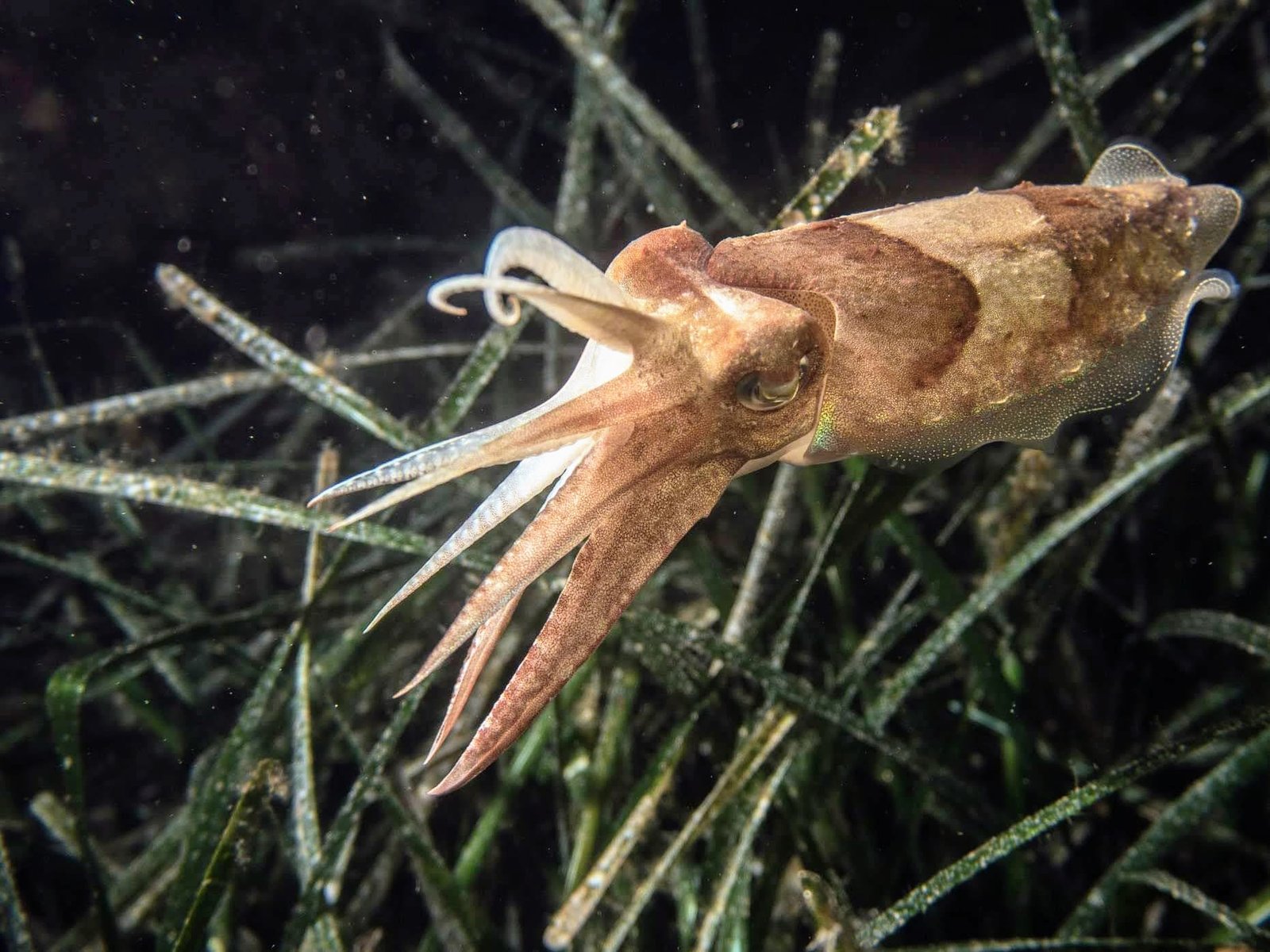
Beyond octopuses, cuttlefish and squid are renowned for their rapid camouflage, changing color and texture in the blink of an eye. This isn’t just about hiding; it’s a sophisticated form of communication and problem-solving. Cephalopods use their skin like a high-definition screen, sending signals to rivals, potential mates, or predators. They also show an ability to learn by observation, solve mazes, and remember solutions for future use. Their intelligence is both alien and familiar, reminding us that thinking comes in many forms—sometimes in tentacled packages we’re just beginning to understand.
What Animal Intelligence Reveals About Ourselves
Witnessing these remarkable animal feats forces us to reconsider what intelligence really means. For too long, humans measured smarts by our own yardstick—language, technology, and abstract reasoning. But the animal kingdom shows us that intelligence is multifaceted: it can be social, spatial, emotional, or practical. Each animal’s skills are tailored to its world; what seems like genius in one environment might be useless in another. This realization is both humbling and exhilarating. It encourages us to look deeper, ask better questions, and respect the diversity of minds sharing our planet. The more we learn about animal intelligence, the more we are reminded that we are not alone in our cleverness, nor in our capacity to wonder.