The granite faces of Mount Rushmore stare out from the Black Hills, but few visitors realize the ground beneath them trembles with unresolved history. What if the land you call home was not just taken once, but twice? The story behind Mount Rushmore is a tale of broken promises, cultural erasure, and a growing movement fighting to reclaim what was lost. This is not simply a chapter in America’s past—it’s a living, breathing struggle that challenges how we see land, justice, and belonging today. Are the Black Hills more than just rock and forest? Let’s dig deeper into the heart of a controversy that refuses to be forgotten.
The Sacred Black Hills: More Than Just Mountains

To the Lakota Sioux, the Black Hills—known as Paha Sapa—are not merely a scenic landscape. These rolling, pine-clad mountains are the beating heart of spiritual life, the site of creation stories, and the center of the Lakota universe. Every meadow, cave, and stream holds sacred meaning. Imagine if the place where you felt closest to your ancestors, where you went to pray and find solace, was suddenly taken away. For centuries, the Black Hills shaped the culture, identity, and spirituality of the Lakota people. Their deep connection runs far deeper than any map or survey line.
The 1868 Treaty: A Promise Broken
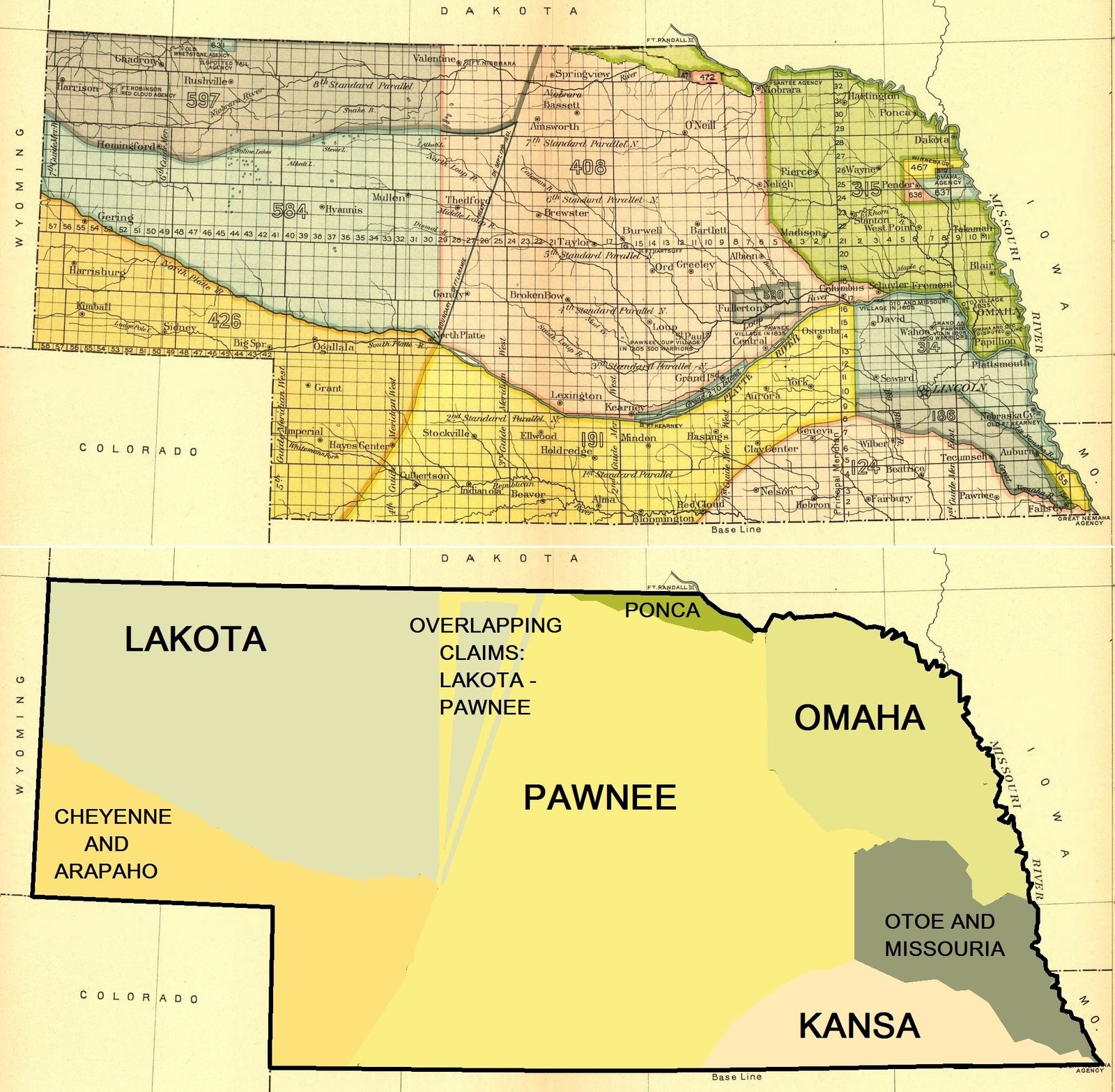
In 1868, the U.S. government signed the Fort Laramie Treaty, guaranteeing the Black Hills to the Lakota in perpetuity. This treaty was supposed to be ironclad, a promise etched in ink. But when gold was discovered in the hills just a few years later, that promise crumbled. The government quickly seized the land, ignoring legal agreements and pushing the Lakota out. Can you imagine a contract being ripped up the moment it became inconvenient for the powerful? The betrayal still echoes today, as many Lakota see the broken treaty as the first theft of their land.
Mount Rushmore: Carving History Into Stone
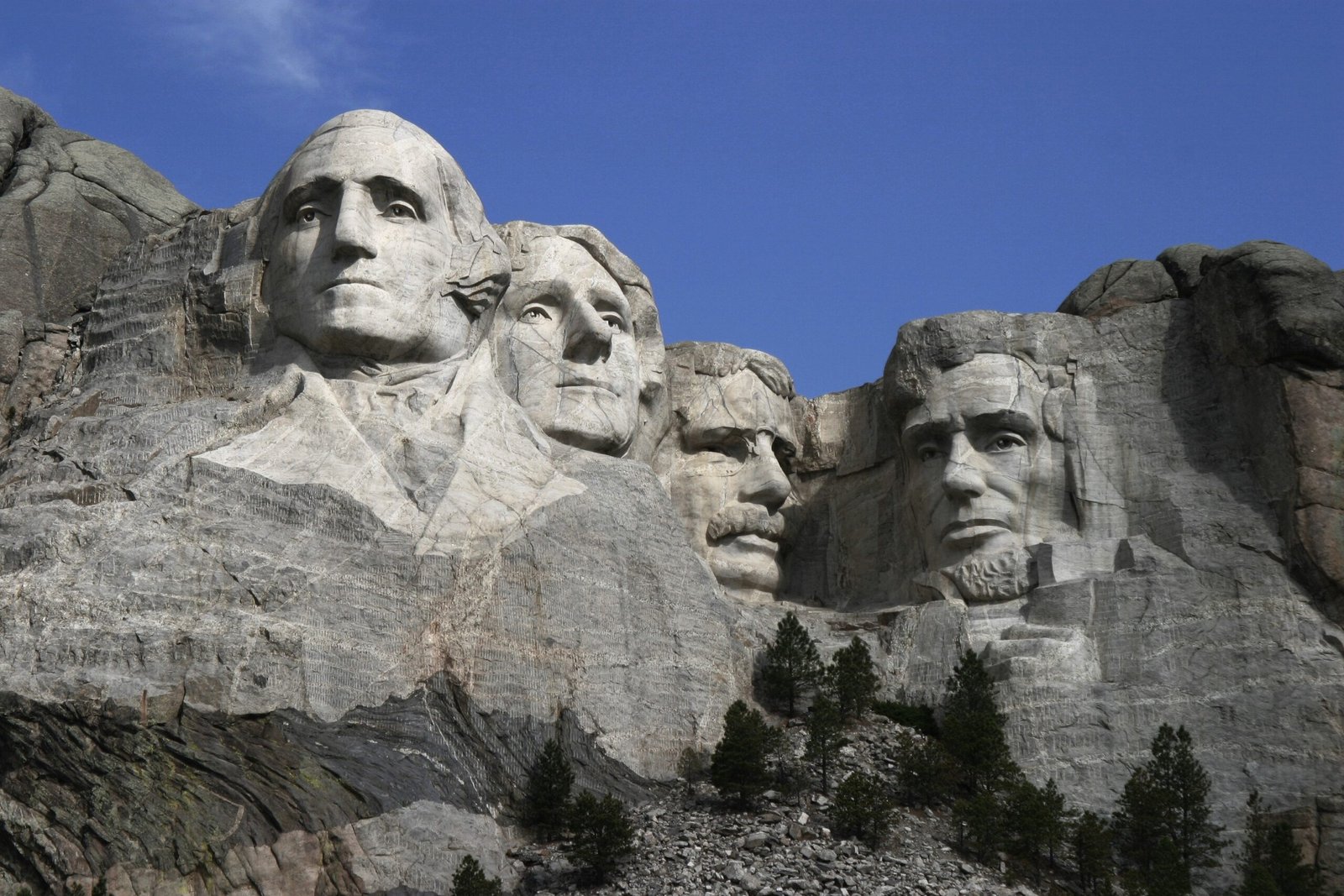
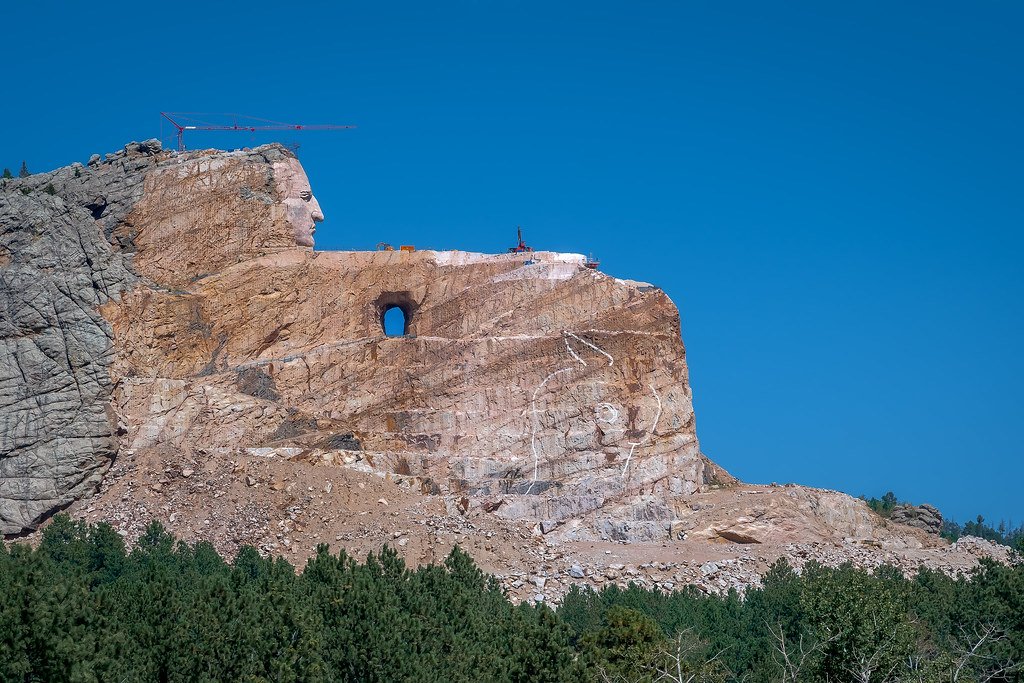
Mount Rushmore’s four massive presidential faces are an iconic symbol for many Americans, but for the Lakota, the monument represents a scar. Carved in the 1920s and ‘30s by sculptor Gutzon Borglum, the monument was built on land taken from the Lakota without consent. The faces of Washington, Jefferson, Roosevelt, and Lincoln—leaders who oversaw westward expansion and, at times, policies harmful to Native peoples—add insult to injury. Imagine your sacred land being transformed into a billboard for those who took it. The pain is not just historical; it’s personal and ongoing.
The Idea of Land Being Stolen Twice
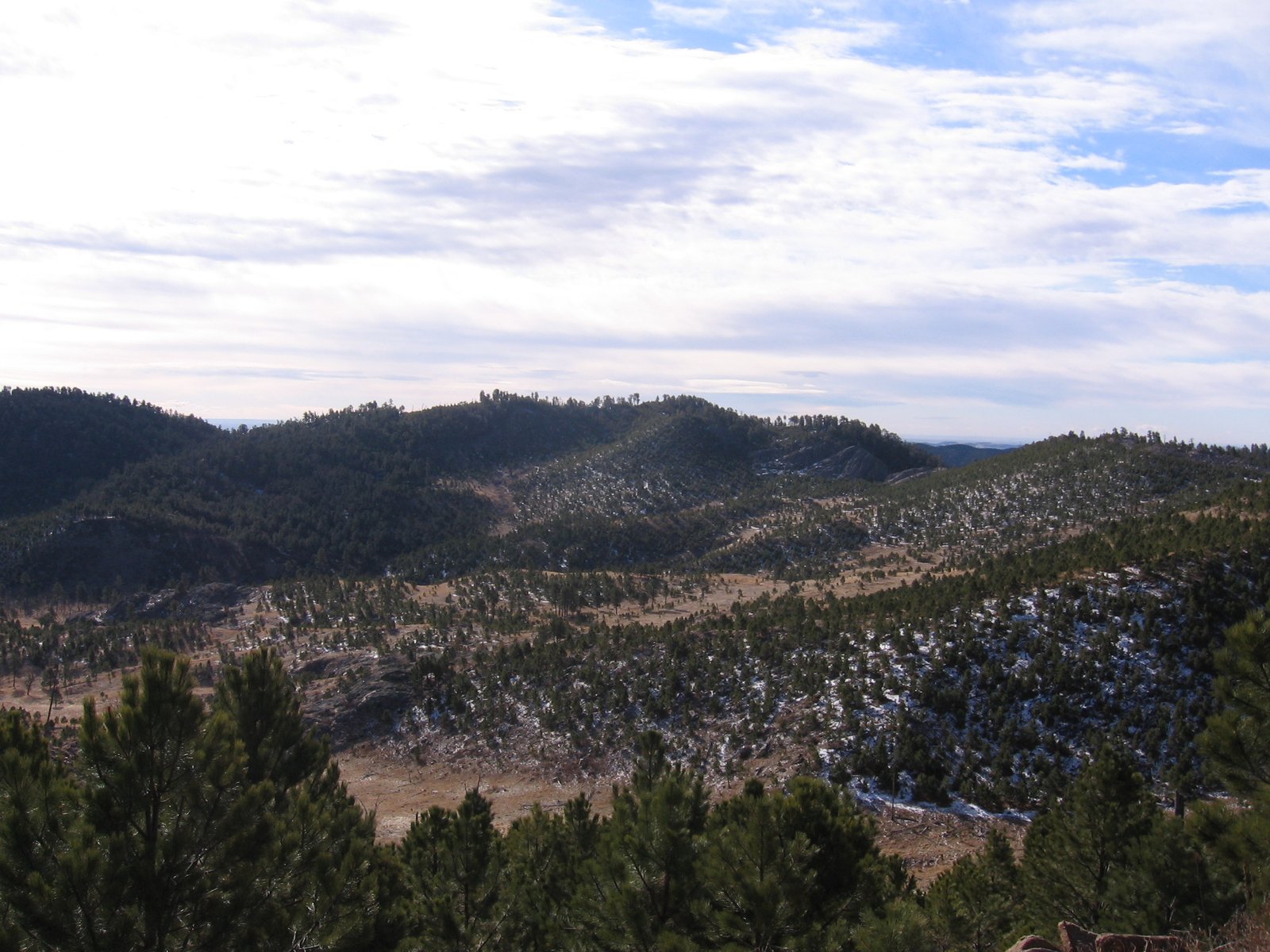
What does it mean for land to be stolen twice? First, the U.S. government broke its own treaty and seized the Black Hills. Then, it allowed the hills to be commercialized, mined, and carved into monuments without Native involvement. This double theft isn’t just about property—it’s about erasing a culture, erasing memory, and denying identity. The question lingers: can a wound heal if it’s reopened again and again? For the Lakota and many other Indigenous peoples, the answer is heartbreakingly clear.
The Rise of the #LandBack Movement
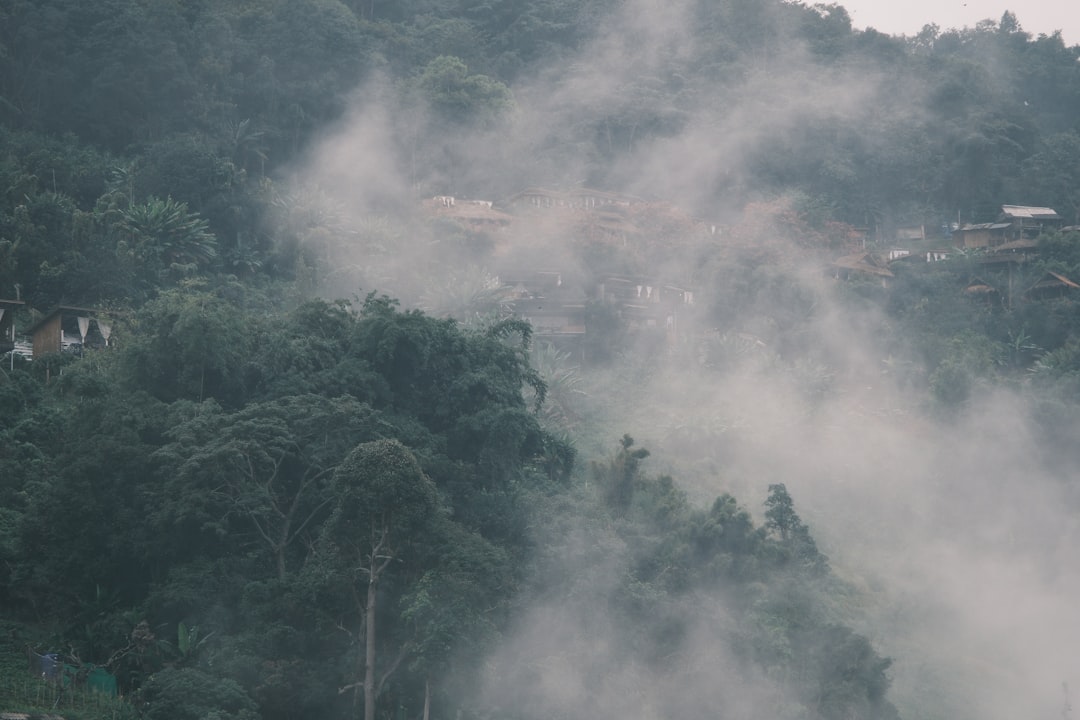
In recent years, a powerful movement has surged: #LandBack. This campaign calls for the restoration of stolen Indigenous lands, not just as symbolic gestures, but through real, legal transfers of ownership. Activists use social media, protests, and art to raise awareness and demand action. The movement is about more than just property—it’s about sovereignty, healing, and justice. The #LandBack movement asks everyone to reconsider what land truly means and who has the right to decide its future.
Science and the Land: Ecological Stewardship
Many scientists have found that Indigenous management of land often leads to healthier ecosystems. The Lakota and other Native nations have cared for the Black Hills for generations, using knowledge passed down through stories and observation. Their approach to fire management, plant gathering, and wildlife protection can teach us valuable lessons about sustainability. When land is taken from those who know it best, the environment often suffers. Land theft isn’t just a social issue—it’s an ecological one.
Legal Battles: The Fight for Justice
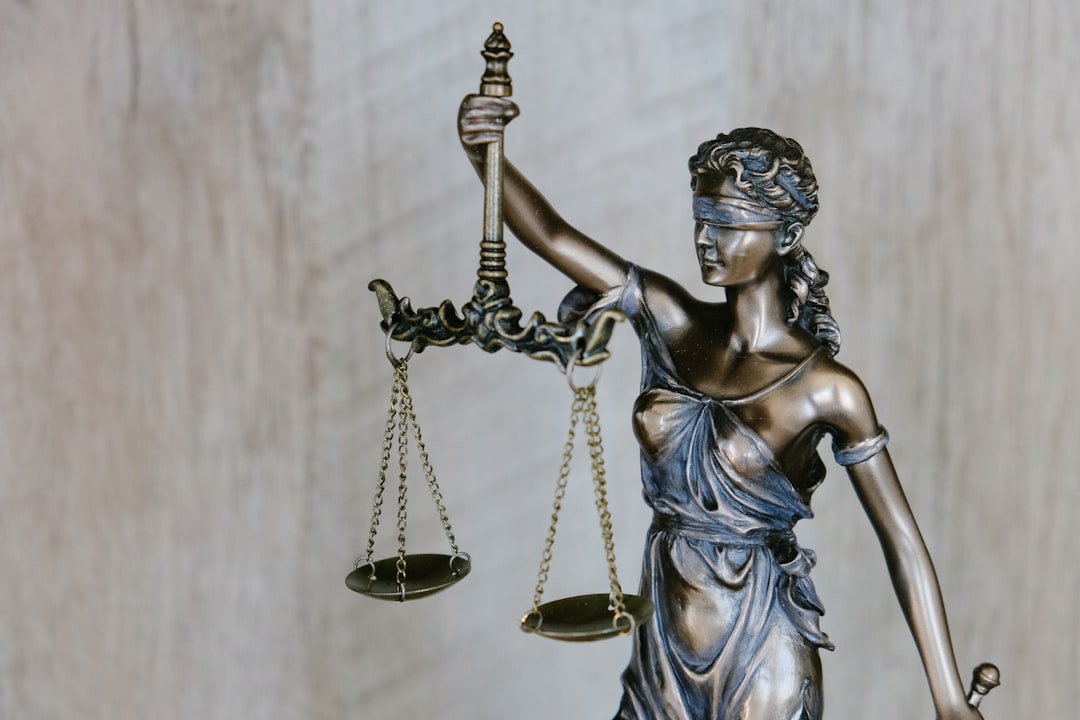
The Lakota have brought their case all the way to the U.S. Supreme Court. In 1980, the court ruled that the Black Hills were indeed taken illegally, awarding monetary compensation. But the Lakota refused the money, insisting that the land itself—not a cash settlement—must be returned. This legal standoff continues to this day, with the Black Hills Fund now worth over a billion dollars, untouched. The Lakota’s refusal is a powerful statement: you can’t put a price on what is sacred.
Public Opinion and Changing Attitudes
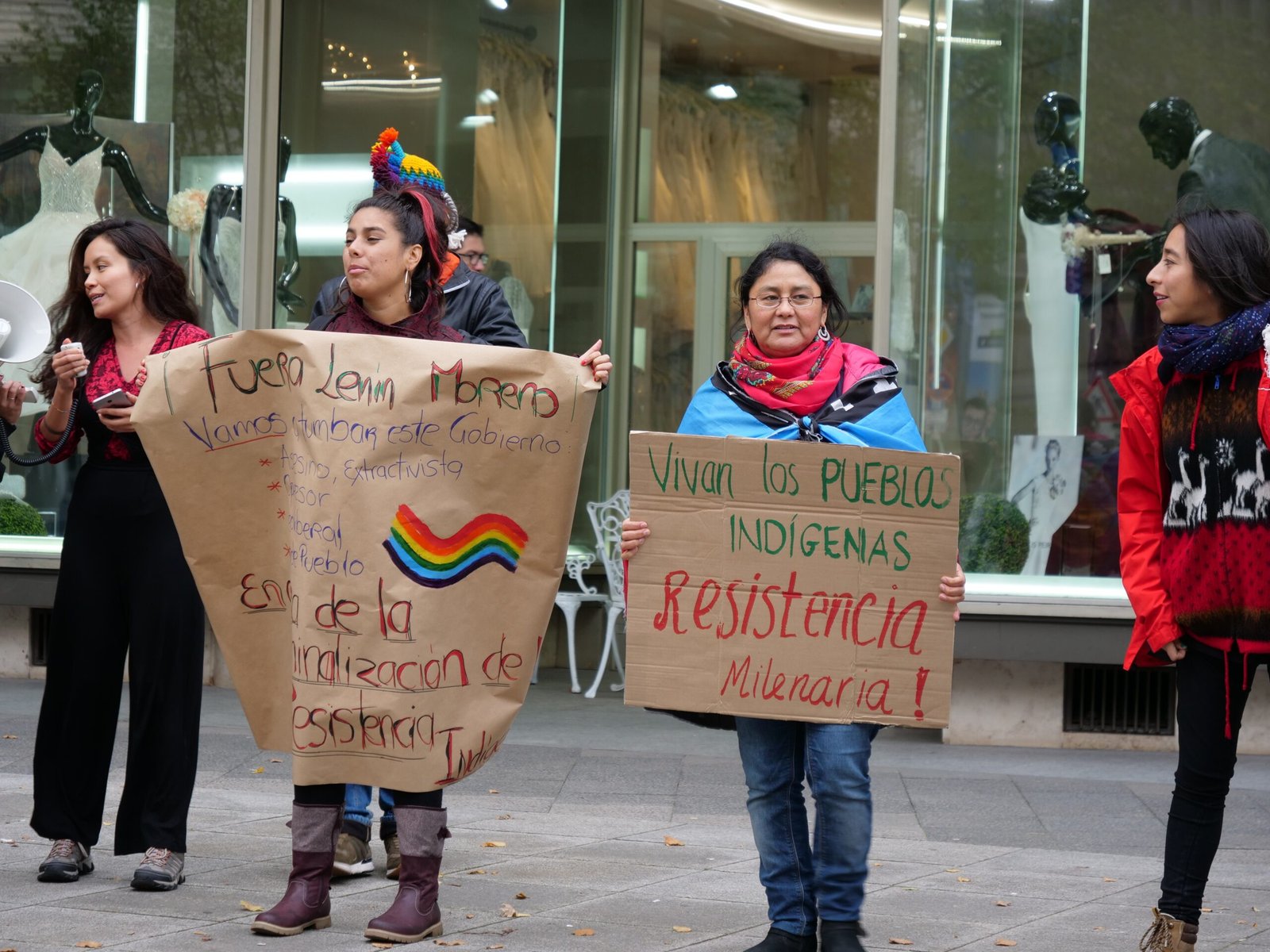
Attitudes about land ownership and Indigenous rights are shifting, especially among younger generations. Many Americans are now learning about the true history of Mount Rushmore and the Black Hills for the first time. Schools, museums, and activists are working to bring hidden stories to light. As more people recognize the injustice, support for returning land grows. Change is slow, but the conversation is louder than ever.
Symbols of Resistance and Hope
The Black Hills are dotted with symbols of both loss and resilience. Every year, Lakota people and allies gather to protest at Mount Rushmore, holding ceremonies and marches. New art, music, and literature are breathing life into the #LandBack movement. A mural painted on a city wall or a song sung in Lakota can be just as powerful as a court ruling. These acts of resistance keep hope alive, reminding everyone that the story isn’t over.
What Does Justice Look Like?
Justice doesn’t always come in neat packages. For the Lakota, true justice means more than compensation—it means the return of the land and the right to manage it according to their traditions. It means healing wounds, restoring languages, and passing on knowledge to future generations. The #LandBack movement challenges us to rethink justice in a world where history cannot be undone, but the future is still unwritten.
The Unfinished Story of the Black Hills
The saga of Mount Rushmore and the Black Hills is far from over. The land continues to inspire awe and controversy, drawing hikers, tourists, and activists alike. The #LandBack movement is not just a slogan—it’s a call to action, asking everyone to reconsider what it means to belong to a place. The question remains: can land be stolen twice, and can what was lost ever truly be returned?