Imagine drifting through a prehistoric sea more than 500 million years ago. The water teems with bizarre creatures, but none strike terror quite like Anomalocaris. With eyes like searchlights, a mouth of razor-sharp plates, and grasping appendages ready to snatch anything in reach, this animal was the apex predator of its era—a true nightmare of the Cambrian oceans. Just one look at its alien features and you’ll understand why scientists and fossil hunters alike have been captivated by this spectacular, almost monstrous, ruler of ancient seas.
The Cambrian Explosion: A Burst of Life and Innovation

The Cambrian period, about 541 to 485 million years ago, was a time of incredible evolutionary change. In just a few million years, life on Earth diversified at an unprecedented rate. This era saw the emergence of most major animal groups and a dizzying array of body forms, from armored worms to bizarre spiky creatures. The oceans became a living laboratory, filled with evolutionary experiments. Anomalocaris appeared right at the heart of this burst of life, perfectly suited to dominate the brand-new world of complex predators and prey. Its arrival marked a turning point in the history of animal life, showing just how quickly nature could invent entirely new ways of surviving and thriving.
First Encounters: Fossil Mysteries and Misunderstandings

When paleontologists first discovered pieces of Anomalocaris, they didn’t realize they were looking at a single animal. Its strange parts—fringed appendages, ring-like mouths, and odd, disk-shaped bodies—were thought to belong to different species. For years, these fossils puzzled scientists, each interpreted as a separate organism: a strange shrimp, a mysterious jellyfish, or a bizarre sponge. It wasn’t until the late twentieth century that researchers put the puzzle together, revealing a creature more extraordinary than anyone had imagined. This detective story of science shows how our understanding of the past is always evolving, sometimes in the most surprising ways.
Body Design: A Predator Built for Speed and Power
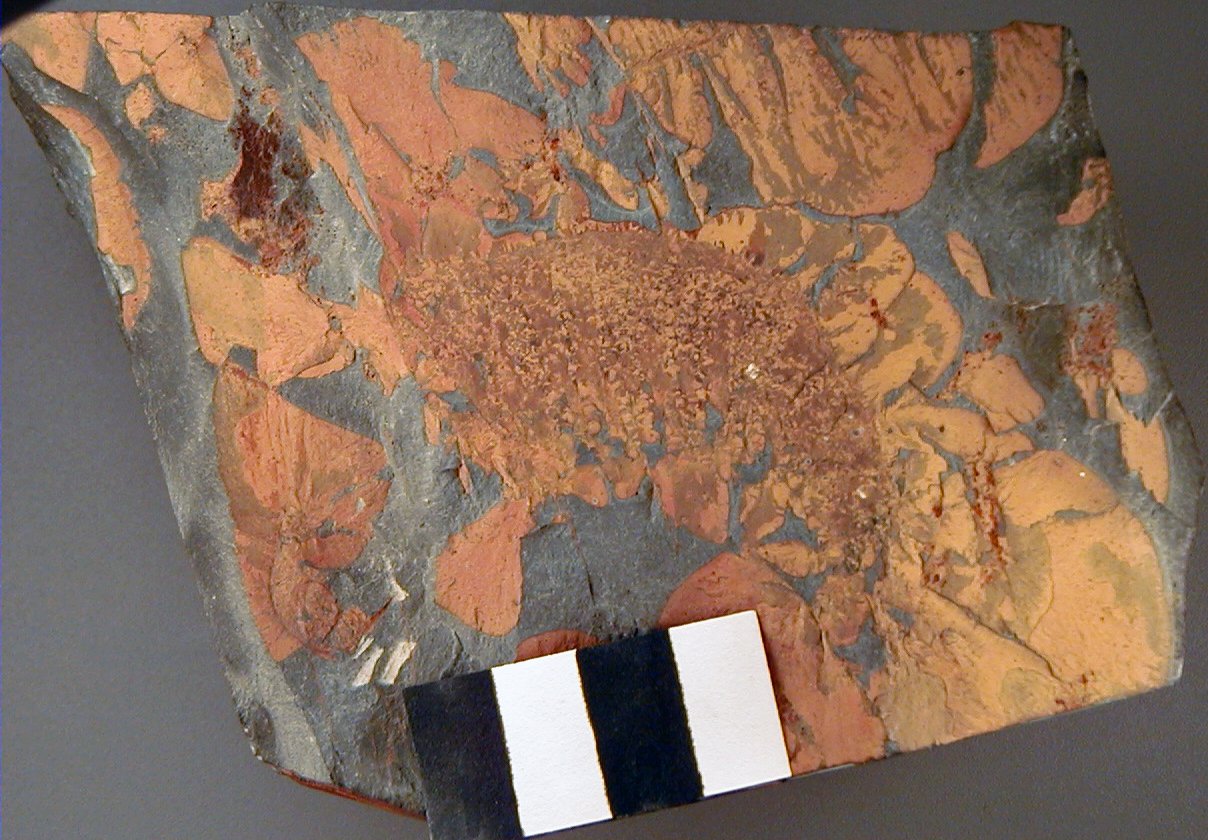
Anomalocaris was no ordinary sea creature. Measuring up to a meter long—giant for its time—it had a long, flexible body lined with fin-like flaps. These allowed it to glide gracefully through the water, much like today’s cuttlefish. At its front were two large, spiny appendages, perfect for grabbing and holding prey. Its mouth, a ring of overlapping plates, could crush the toughest shells. With compound eyes perched on stalks, Anomalocaris had a wide field of vision, spotting even the smallest movement. Every aspect of its design spoke to one purpose: to hunt and to dominate.
The Eyes Have It: Vision Like Nothing Else

Few creatures of the Cambrian could match Anomalocaris in sight. Its eyes, made of dozens of tiny lenses like those of modern insects, gave it sharp, panoramic vision. Scientists believe Anomalocaris may have seen in color and detected movement with astonishing precision. In a world where most animals were just learning to see, these eyes were a superpower. Imagine being able to spot a hiding trilobite from meters away in the murky depths—no prey could escape notice. This advanced vision set Anomalocaris apart from its contemporaries, making it a nearly unbeatable hunter.
The Deadly Embrace: Hunting Techniques and Feeding Behavior
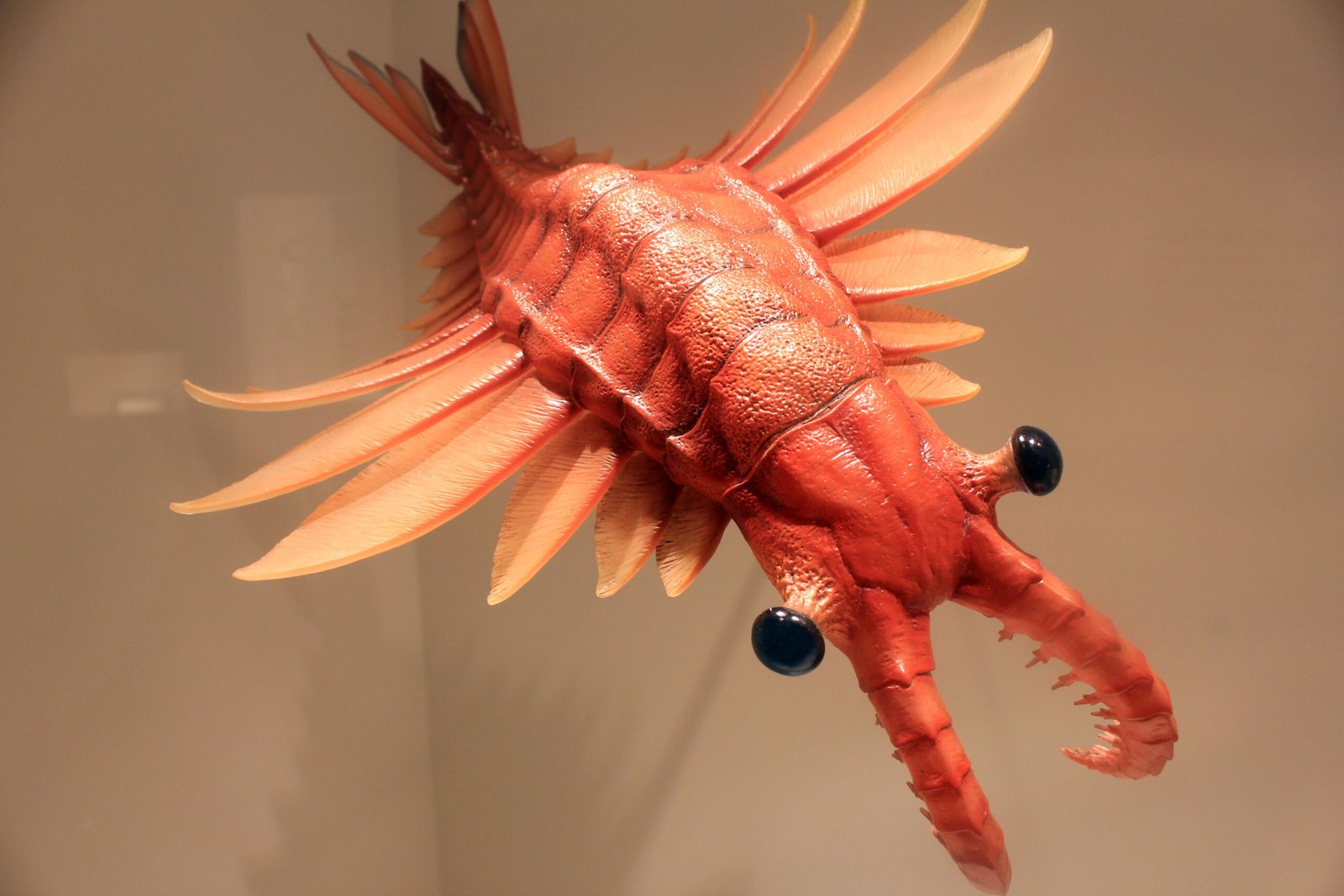
Anomalocaris didn’t just drift and wait for luck. It was an active predator, swooping through the water with speed and agility. Using its spiny graspers, it would snatch up unsuspecting prey, pulling them toward its terrifying mouth. Early theories suggested it cracked open the hard shells of trilobites, but recent research hints it may have targeted softer, slower animals as well. Its feeding style was as innovative as its body, blending brute strength with surgical precision. If you were a small animal in the Cambrian seas, the shadow of Anomalocaris meant only one thing—danger was near.
The Prey: Trilobites and Other Cambrian Oddities
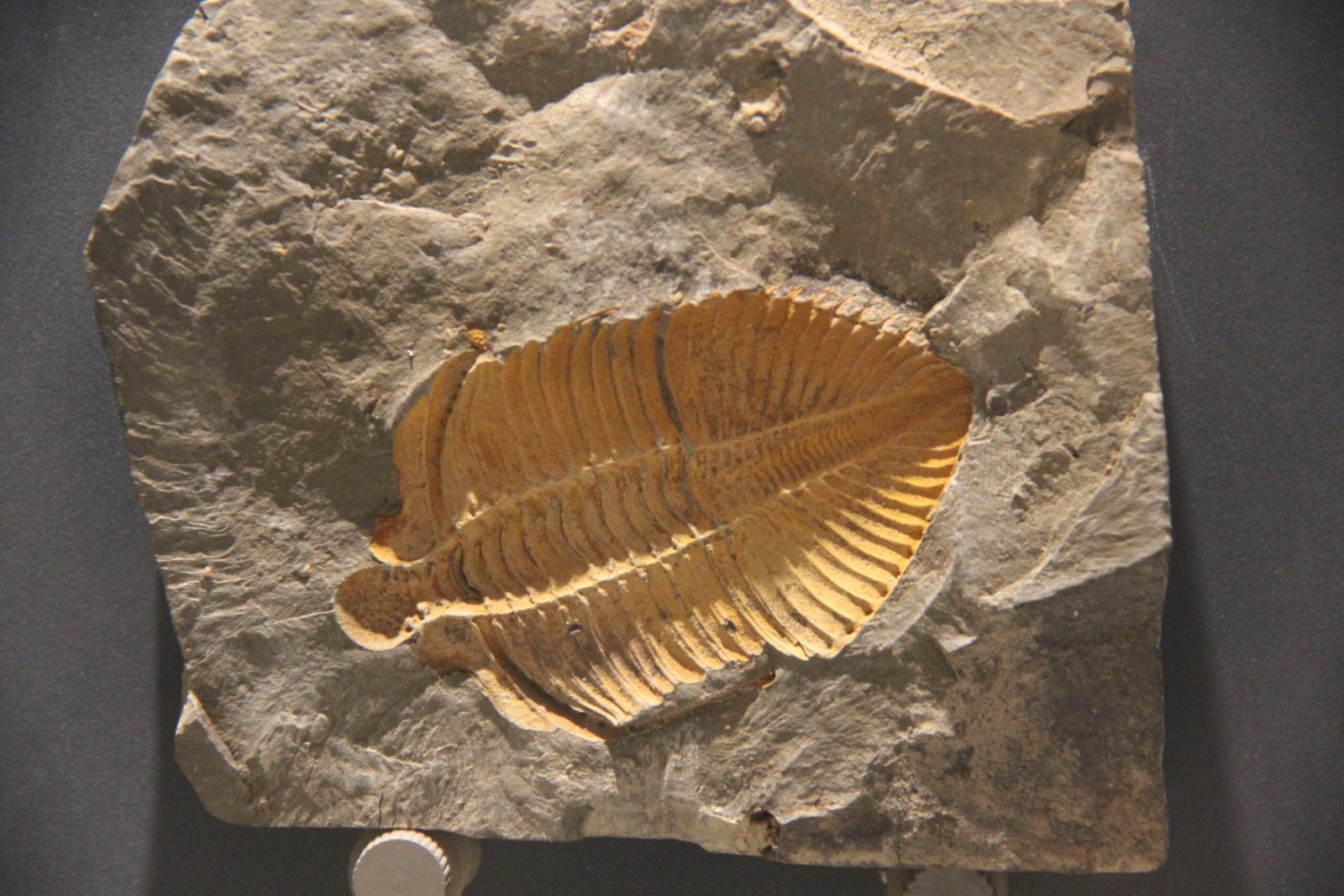
The Cambrian oceans were crowded with trilobites, armored arthropods that scuttled along the sea floor. These creatures, with their hard exoskeletons, seemed well-protected—until Anomalocaris came along. Fossils of trilobites with damaged shells suggest they sometimes fell victim to this powerful predator. But Anomalocaris didn’t stop at trilobites; it likely hunted a range of soft-bodied animals, including early worms and other arthropods. Its varied diet is a testament to its adaptability and the richness of Cambrian ecosystems. Each meal was a step in the evolutionary arms race, pushing prey to develop new defenses in response.
Mouth Mystery: The “Pineapple Slice” That Ate the Seas
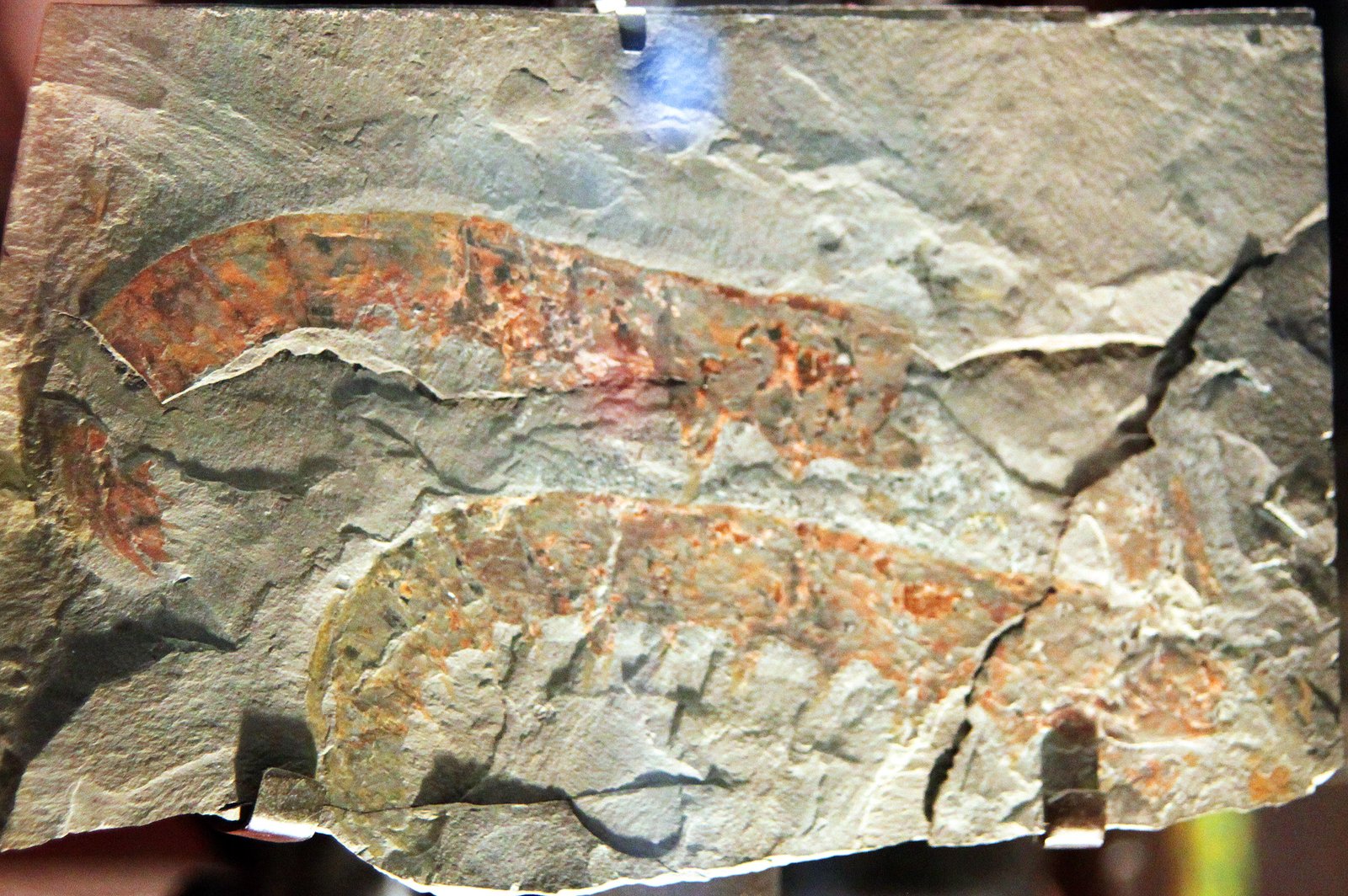
One of the most distinctive features of Anomalocaris is its mouth—a circular arrangement of tooth-like plates resembling the rings of a pineapple slice. For years, scientists debated how this peculiar jaw worked. Some thought it was made for crushing hard shells, while others argued it was better for sucking up soft-bodied prey. Recent studies using 3D models suggest the truth lies somewhere in between: the mouth could grasp, pierce, and maybe even vacuum up bits of food. This versatile feeding tool allowed Anomalocaris to exploit a variety of food sources, cementing its place at the top of the food chain.
Swimming with Efficiency: The Evolution of Locomotion
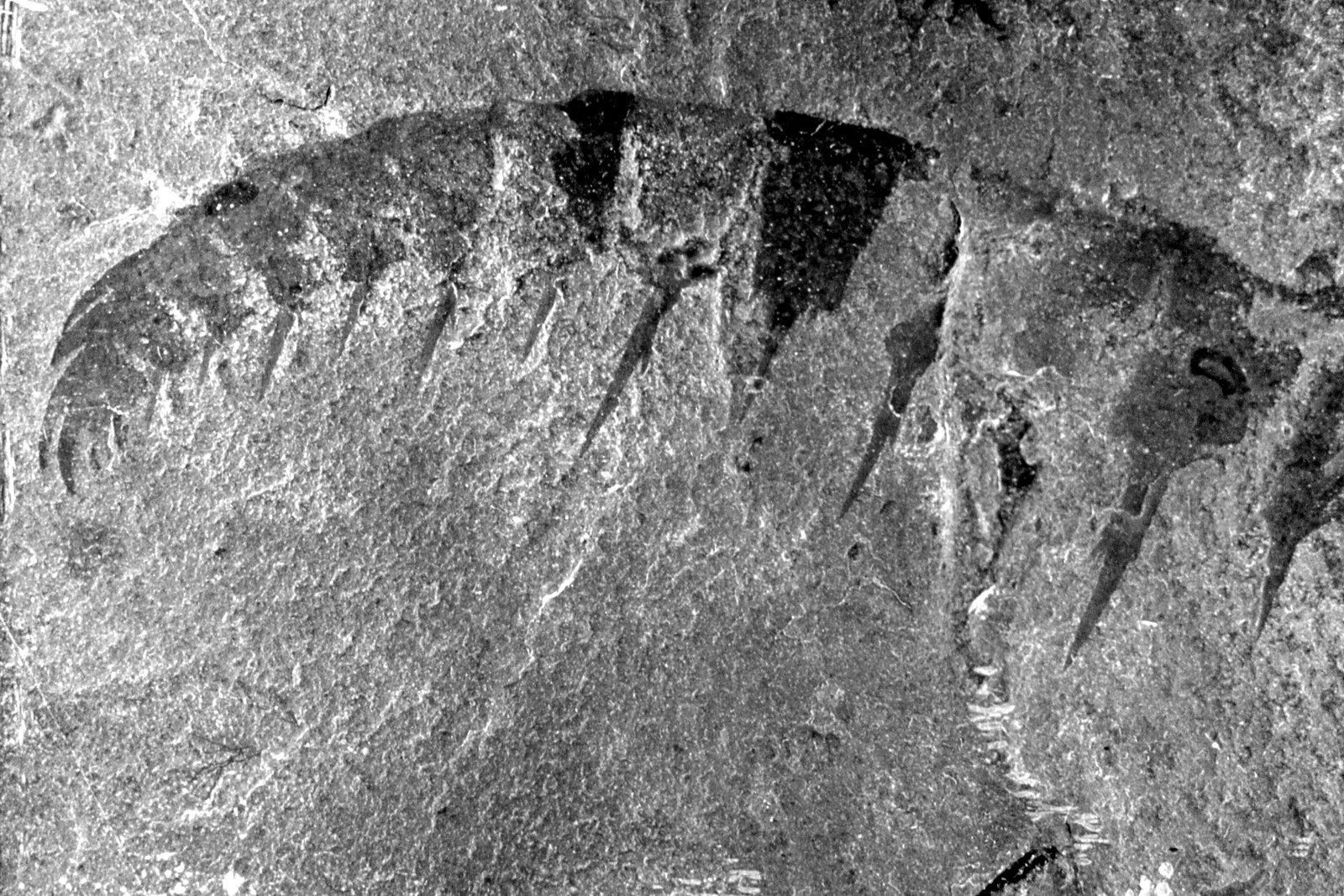
Anomalocaris was built for movement. Its body was lined with rows of flexible flaps, which it rippled in sequence to propel itself forward—almost like the undulating motion of a modern manta ray. This efficient form of swimming allowed it to chase down prey and avoid danger with ease. Unlike many of its slow-moving contemporaries, Anomalocaris could cover large distances in search of food. Its streamlined body and powerful muscles made it the swiftest hunter of its time, setting the standard for future marine predators.
The Fall of a Predator: Extinction and Legacy
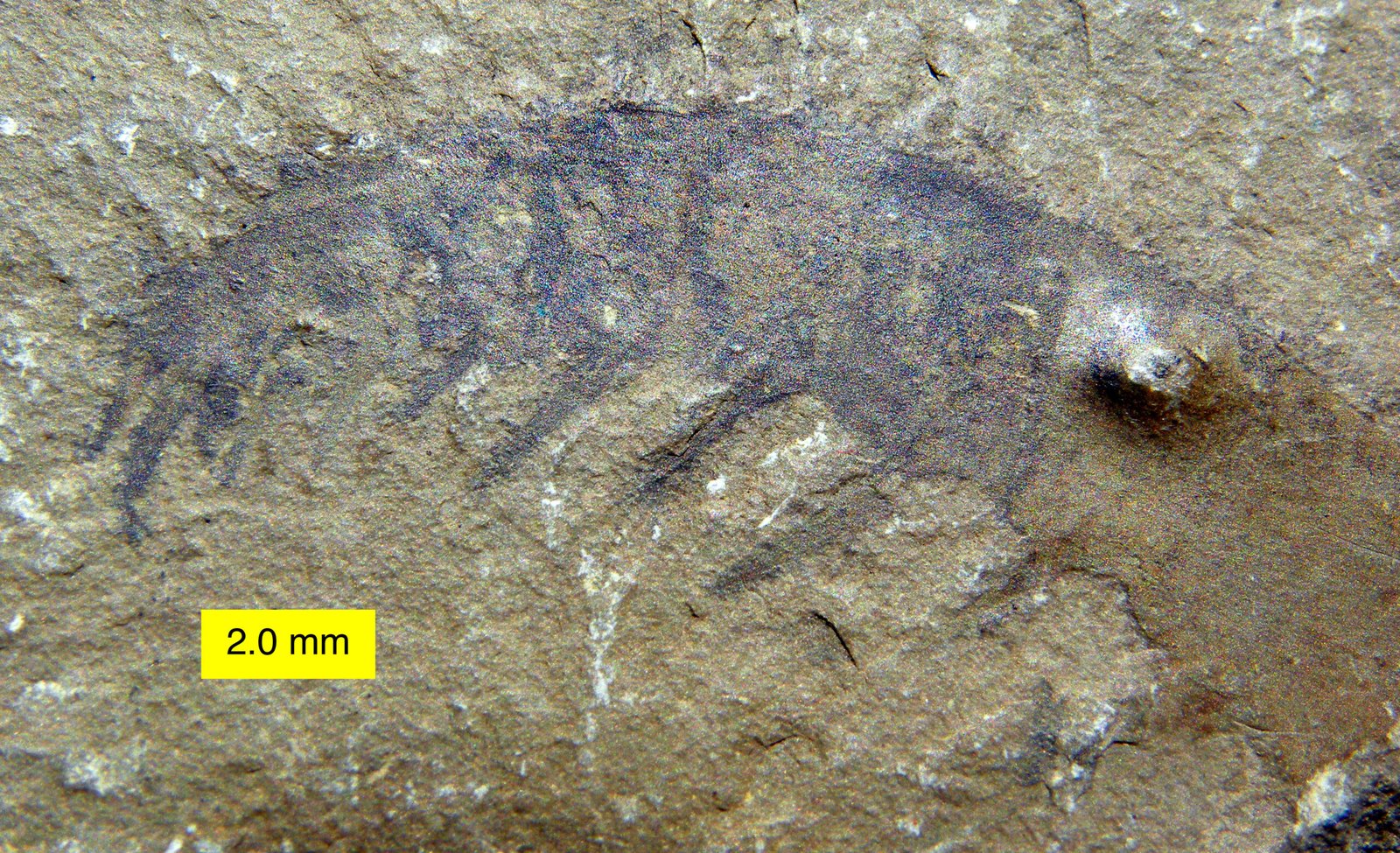
Despite its reign, Anomalocaris did not last forever. As the Cambrian period gave way to new ages, other predators and competitors evolved, some with even tougher armor and more complex behaviors. Environmental changes, shifts in sea levels, and the rise of new animal groups eventually spelled the end for Anomalocaris. But its impact lingered long after it disappeared. The evolutionary arms race it sparked drove the development of stronger shells, better senses, and smarter strategies in other creatures. Even in extinction, Anomalocaris shaped the future of life in the oceans.
Anomalocaris in Popular Culture: From Oddity to Icon
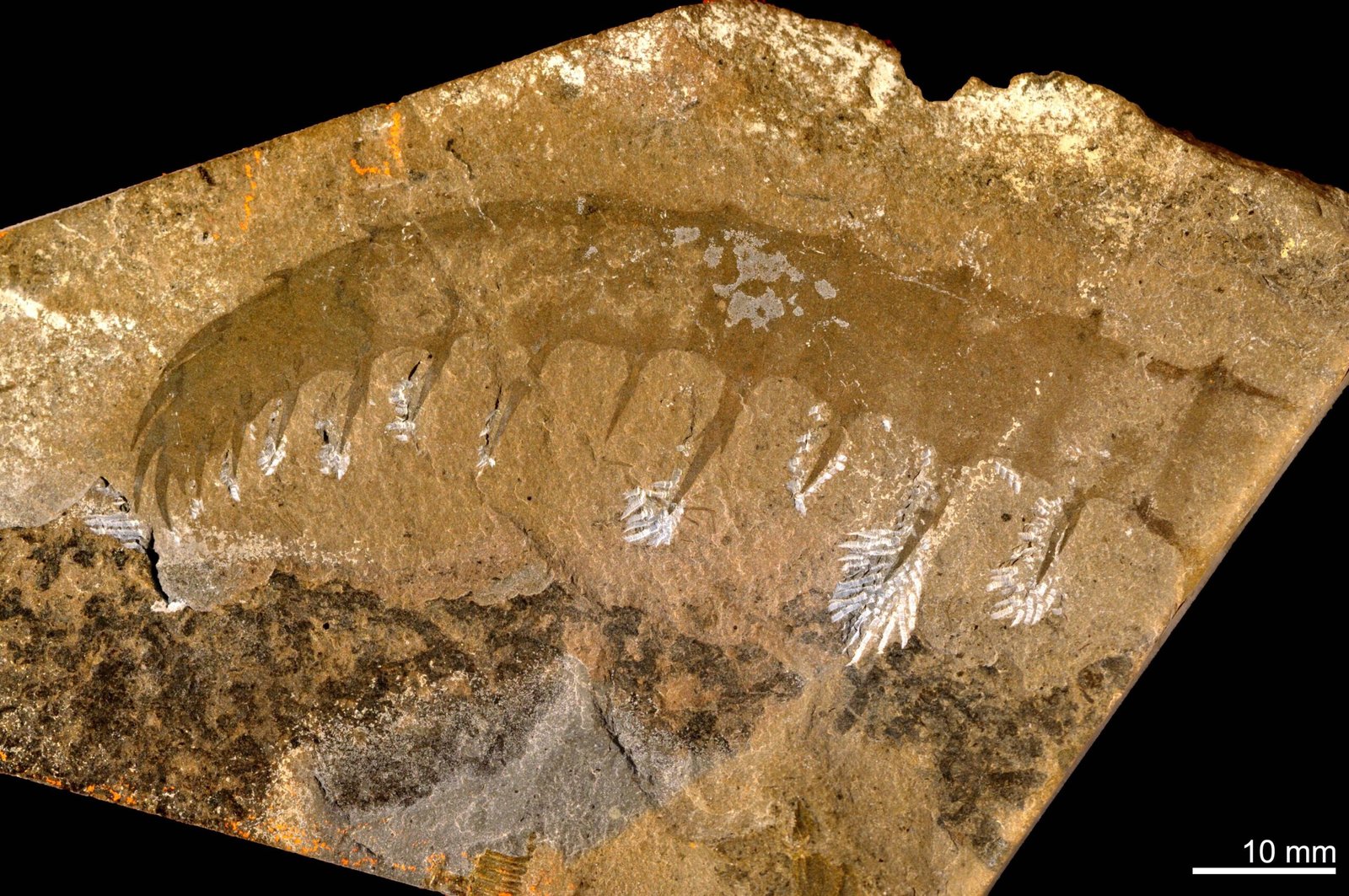
Once a paleontological puzzle, Anomalocaris has become an icon of prehistoric life. Its unique look has inspired artists, filmmakers, and writers, appearing in documentaries and even video games. For many, it represents the wild creativity of evolution and the mystery of Earth’s distant past. Children and adults alike are fascinated by its alien features—a reminder that reality can be stranger than fiction. Through museum exhibits and media, Anomalocaris continues to spark curiosity and wonder in new generations.
Lessons from the Nightmare Shrimp: The Power of Evolution
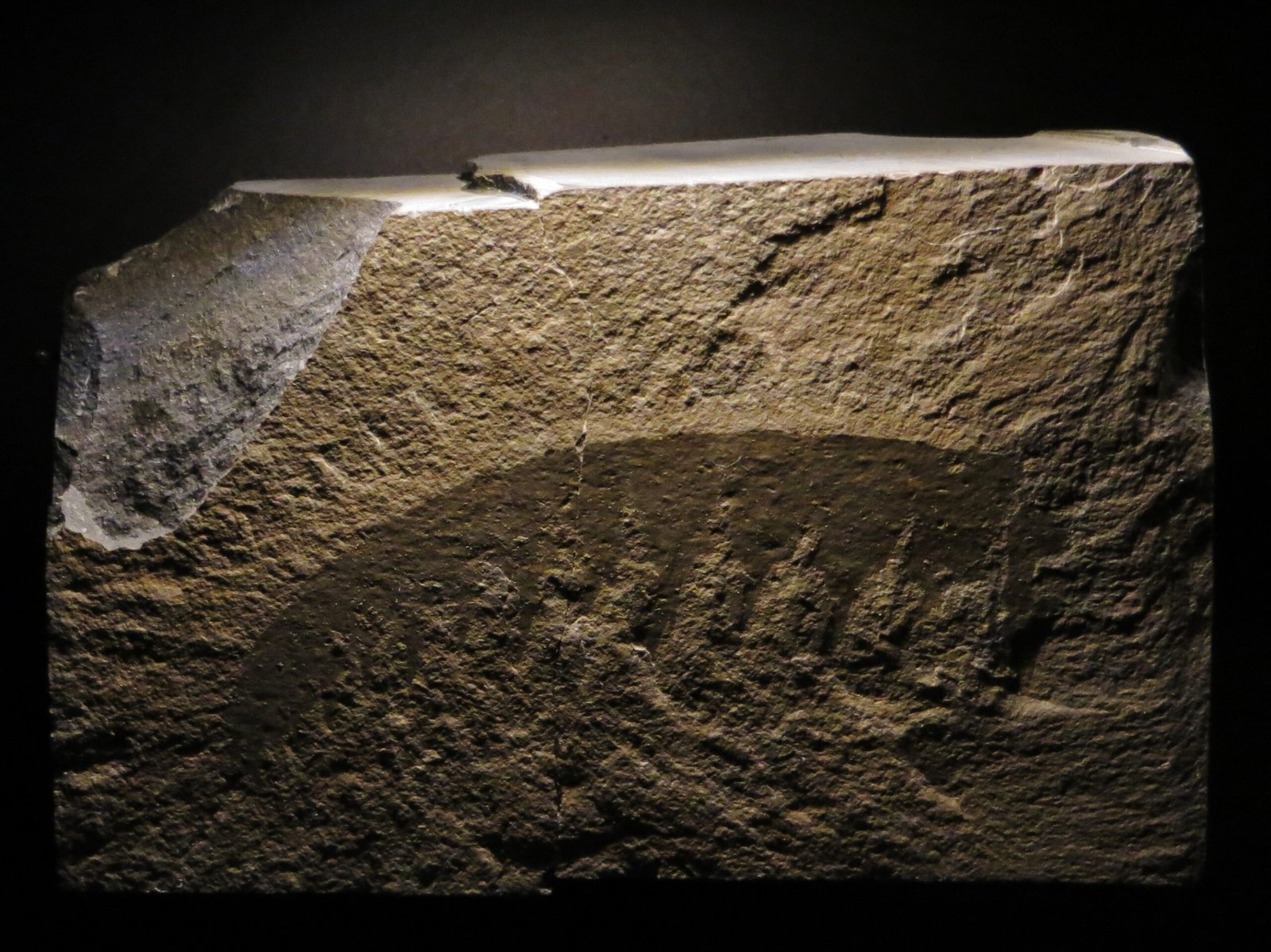
Anomalocaris is more than just a fossil; it’s a story of survival, adaptation, and innovation. Its rise to dominance shows how quickly life can change when new opportunities arise. The arms race it triggered pushed animals to become faster, smarter, and tougher, setting the stage for the complex ecosystems we see today. In studying Anomalocaris, we glimpse the creative power of evolution and the unpredictability of nature’s designs. It asks us to imagine a world where the rules are constantly being rewritten and where even the most fearsome predator can be outpaced by the next wave of innovation.