Imagine walking through a steamy, ancient rainforest. The air is thick with humidity, the trees tower above, and somewhere nearby, a shadow slides silently through the undergrowth. Suddenly, you realize—it’s not just any snake, but the Titanoboa, a colossal serpent stretching nearly 50 feet long and weighing more than a ton. This ancient predator once ruled a world far different from our own, a world hotter, wetter, and wilder than anything we see today. But Titanoboa is more than just a prehistoric marvel. Its story is a window into our planet’s fiery past and a chilling warning about its possible future.
The Discovery That Shocked the World
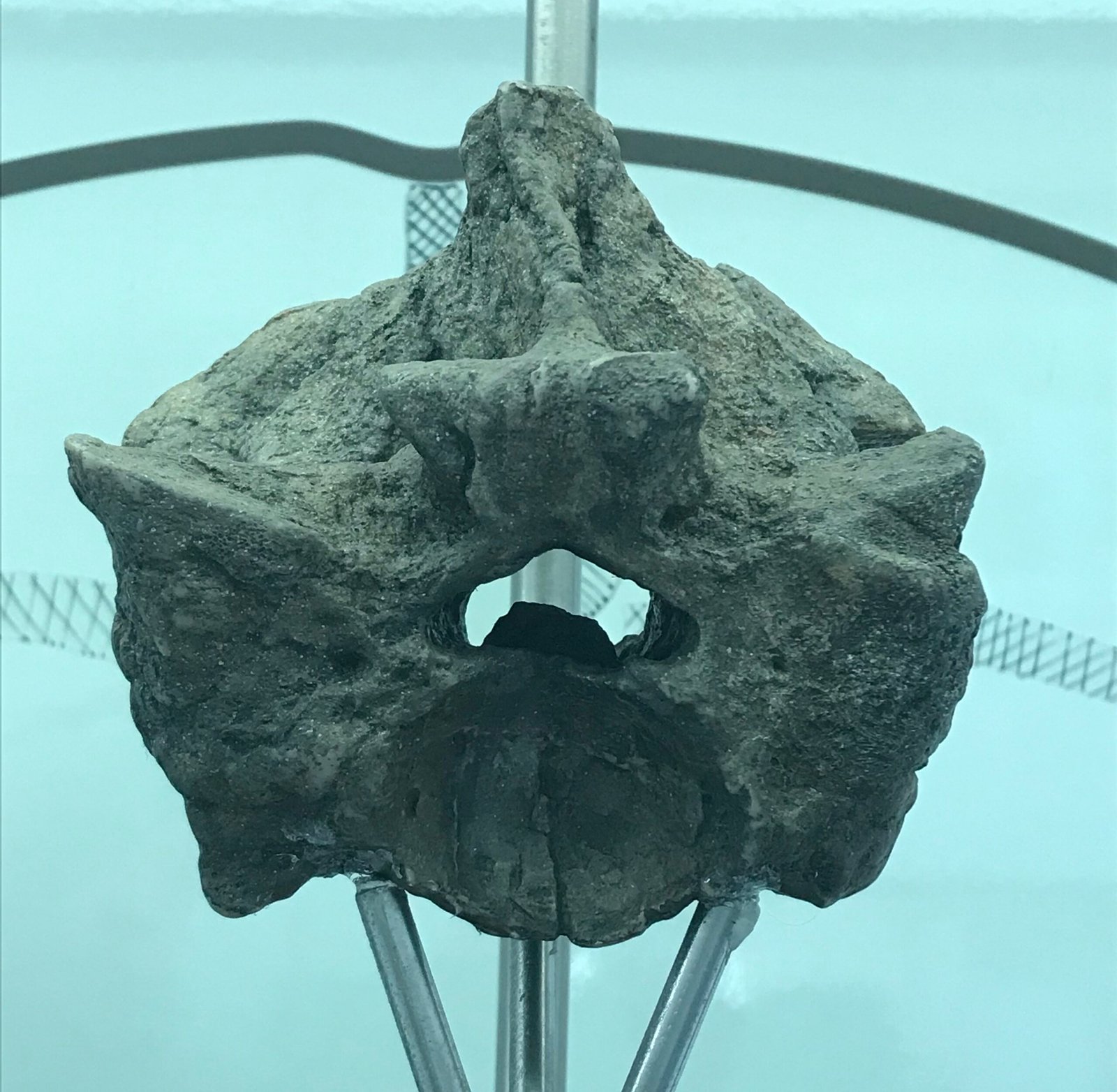
When paleontologists unearthed Titanoboa fossils in a Colombian coal mine in 2009, jaws dropped across the scientific community. These remains—vertebrae as thick as dinner plates and jawbones that dwarfed those of today’s largest snakes—revealed a creature unlike anything alive today. The discovery was not just about size; it was about the world Titanoboa inhabited. The lush, swampy jungles of ancient South America teemed with life, and Titanoboa sat at the top of this food chain, dominating its environment. For many, the find was a reminder of just how dynamic and surprising Earth’s history can be.
Life in a Tropical Greenhouse
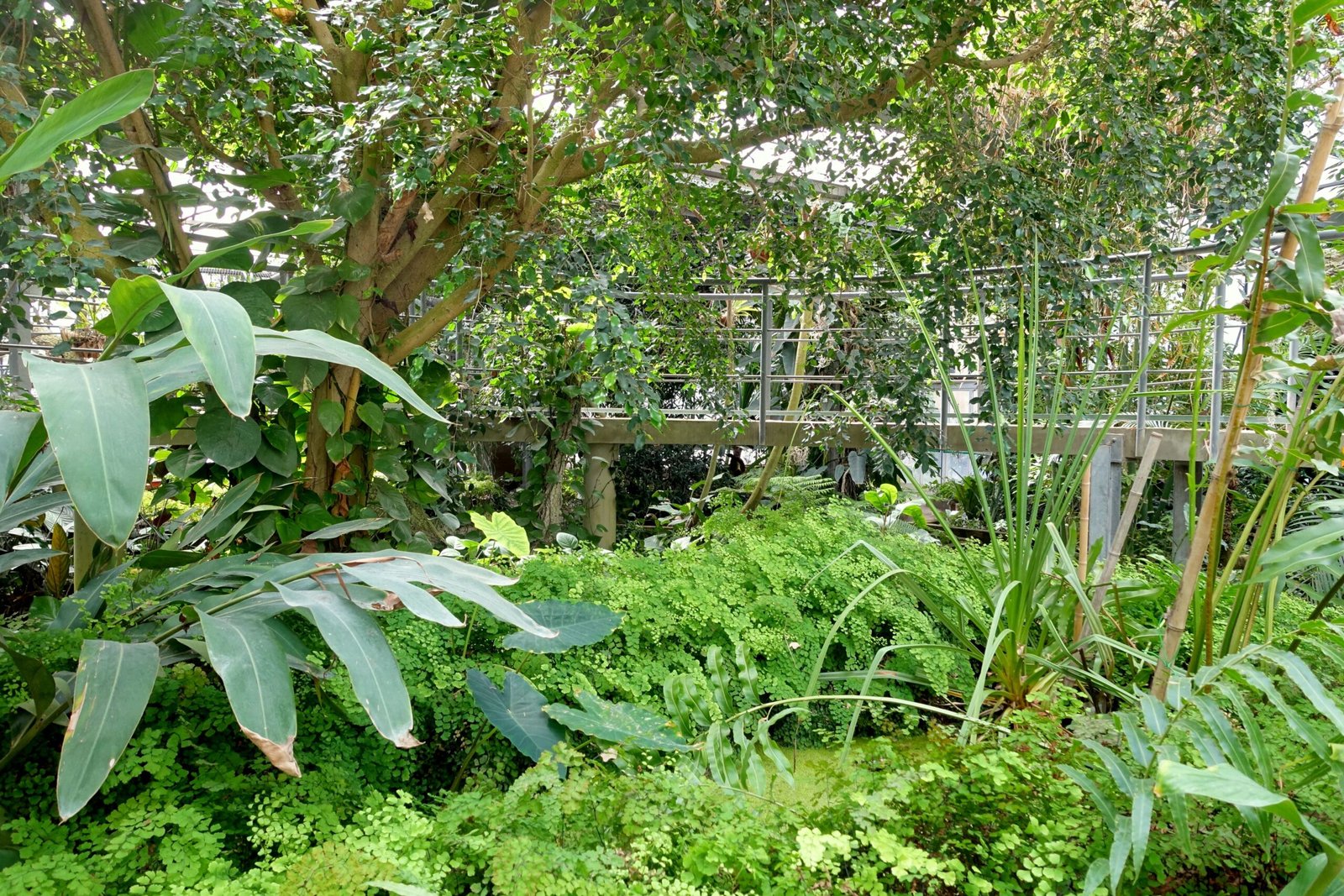
Titanoboa thrived during the Paleocene epoch, about 60 million years ago, when Earth was a true greenhouse. Global temperatures were much higher than today, and tropical rainforests stretched across regions that are now dry or temperate. The swamps where Titanoboa lived were warm, wet, and packed with other giant creatures, including enormous turtles and crocodile-like reptiles. This environment helped the giant snake flourish, and its fossilized remains offer a vivid snapshot of a time when our planet was both more dangerous and more vibrant.
How Big Was Titanoboa, Really?
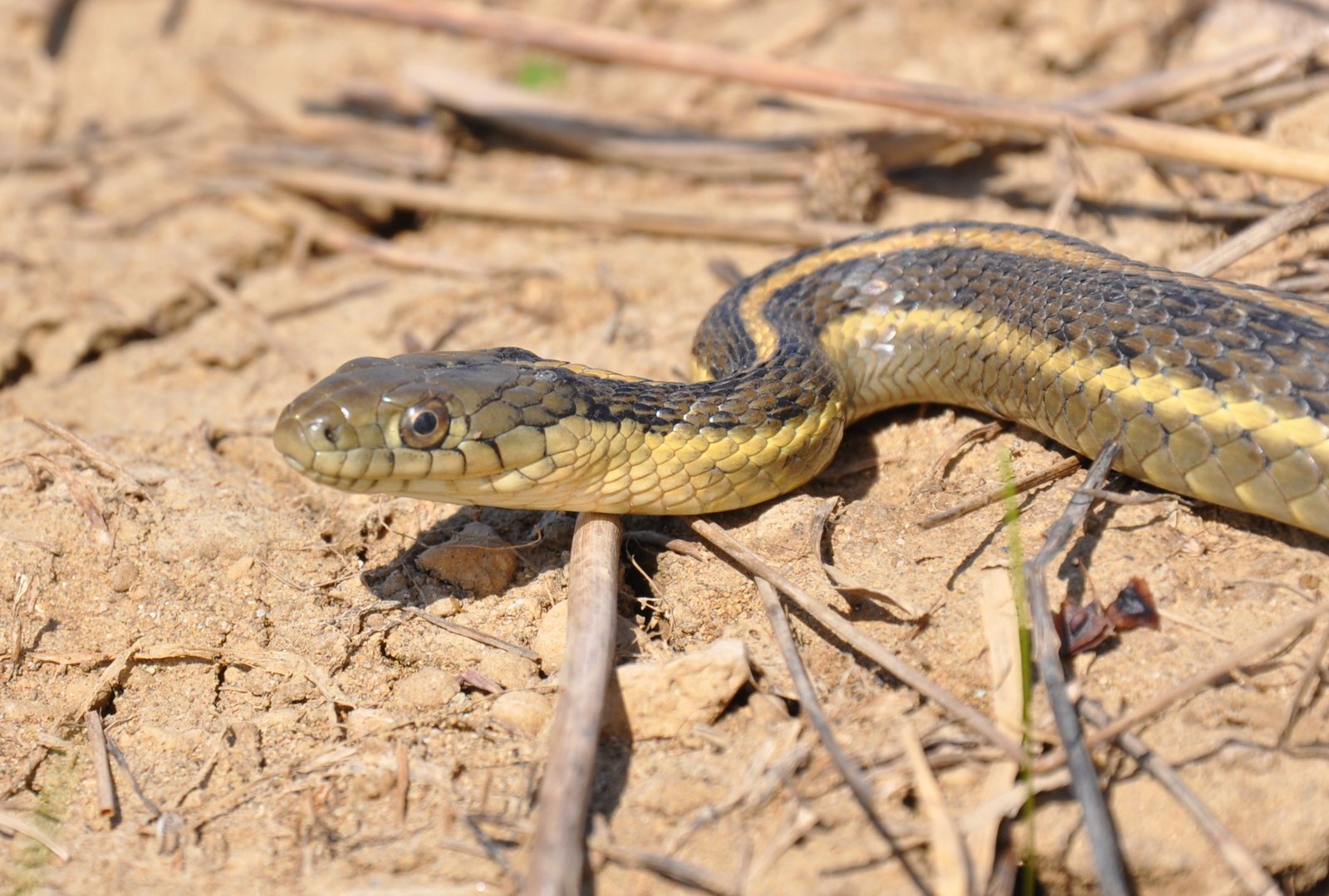
It’s hard to fathom the size of Titanoboa. At nearly 50 feet long—longer than a school bus—and weighing up to 2,500 pounds, it was the largest snake ever known to have lived. Its body was as thick as an oil drum, and it could easily swallow animals the size of modern-day cows. Scientists estimate that Titanoboa’s massive size was made possible by the hot climate, which boosted its metabolism and allowed it to grow much larger than today’s snakes. In the ancient world, bigger really was better.
What Titanoboa Ate and How It Hunted

Titanoboa was a top predator, and its diet likely included giant fish, turtles, and even crocodile relatives. With its incredible strength, the snake would ambush its prey in murky waters, wrapping around its victims and crushing them with immense force. Its hunting style was similar to that of modern boas and anacondas, but on a much grander scale. The abundance of large prey in its swampy habitat made it possible for Titanoboa to thrive, and its sheer size meant it had few natural enemies.
Why Did Titanoboa Grow So Huge?
The secret to Titanoboa’s enormous size lies in the climate. Snakes are cold-blooded, meaning their body temperature—and their growth rate—depend on the warmth of their environment. The sweltering Paleocene temperatures allowed Titanoboa’s metabolism to operate at full throttle, letting it grow to monstrous proportions. Scientists use the size of ancient reptiles like Titanoboa as a kind of “paleothermometer,” helping them estimate just how hot the Earth once was. It’s a striking example of how climate shapes life, pushing the boundaries of what’s possible.
What Titanoboa Reveals About Ancient Climate
Titanoboa’s existence tells scientists that ancient Earth was much warmer than today—by as much as 10 degrees Celsius in the tropics. This kind of heat transformed rainforests into lush, tangled jungles and supported a dazzling variety of giant animals. By studying the fossils and the sediments around them, researchers are able to reconstruct the climate of the past with surprising accuracy. Titanoboa isn’t just a relic; it’s a living clue to a world ruled by heat.
Lessons for Our Warming World
The story of Titanoboa is more than a tale of prehistoric monsters. It’s a warning about what happens when the planet heats up. As global temperatures climb today, some scientists wonder if we might see the return of larger reptiles and dramatic changes in ecosystems. While it’s unlikely we’ll face another Titanoboa soon, the snake’s story is a powerful reminder that climate change can reshape life on Earth in unexpected ways. The past is a guide—and sometimes, a warning.
A Mirror for Today’s Rainforests

The ancient rainforests where Titanoboa lived were thick, diverse, and teeming with life, similar in many ways to the Amazon today. But those forests also show how quickly ecosystems can transform when the climate shifts. Today’s tropical forests are under threat from deforestation and warming temperatures, and scientists worry they could change just as dramatically as they did in Titanoboa’s time. The fossils remind us how fragile and vital these wild places truly are.
Could Giant Snakes Return?
It’s a question that sends shivers down the spine: could a creature like Titanoboa ever return if Earth gets hot enough again? While the answer is complicated, scientists agree that extreme climate changes can lead to the evolution of giant animals. However, today’s world is very different, with fewer vast, undisturbed rainforests and different kinds of prey. Still, the idea lingers in our imagination—just how wild could Earth become if we let temperatures run away?
The End of Titanoboa’s Reign
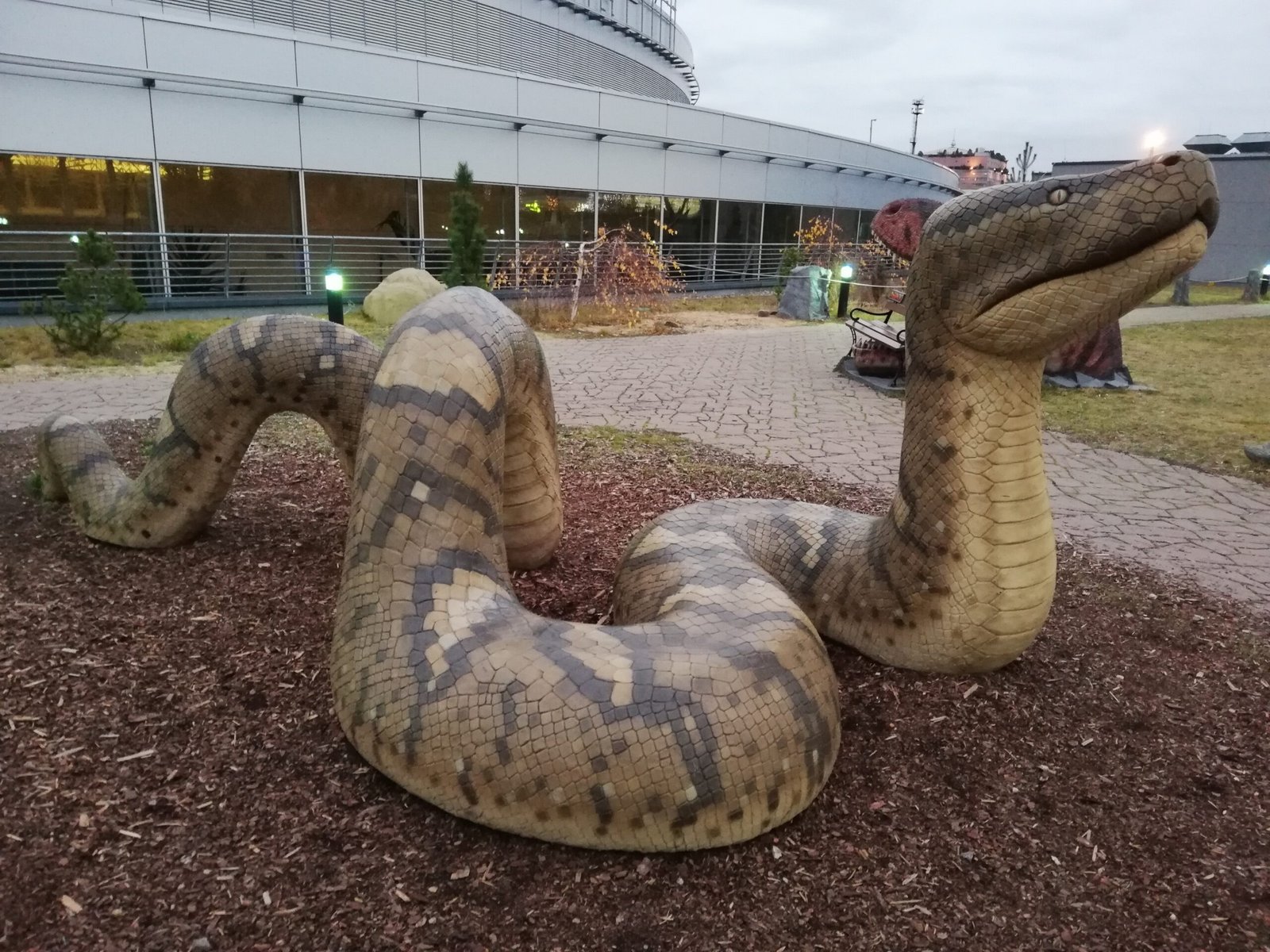
Titanoboa ruled its jungle kingdom for millions of years, but eventually, the world changed. As the climate cooled and the rainforests shrank, the snake’s giant form could no longer be sustained. Smaller, more adaptable species took over, and Titanoboa faded into extinction. Its rise and fall are a lesson in the power of change—something that resonates today as we face our own era of environmental upheaval.
What Titanoboa Means for Our Future
The legacy of Titanoboa is both awe-inspiring and sobering. Its bones tell a story of a planet transformed by heat, where life pushed the limits of size and strength. As we grapple with our own changing climate, the lessons from Titanoboa’s world are impossible to ignore. What kind of future are we building, and what giants—literal or metaphorical—might we awaken as the Earth grows warmer?