Imagine a world where the whispers of an ancient forest, the call of a rare bird, or the secrets of hidden medicinal plants could vanish forever—not because the species themselves disappear, but because the words describing them fade from memory. Every time an endangered language dies, we risk losing not just words, but centuries of ecological wisdom, survival strategies, and unique ways of seeing nature. The knowledge tucked inside these languages is more than poetic—it’s practical, vital, and deeply intertwined with the world’s most fragile environments. What if the last speaker of a language also carries the last recipe for healing a fever with a forest leaf, or the only map to a sacred spring? The stakes are much higher than most people realize.
Languages as Living Repositories of Environmental Wisdom
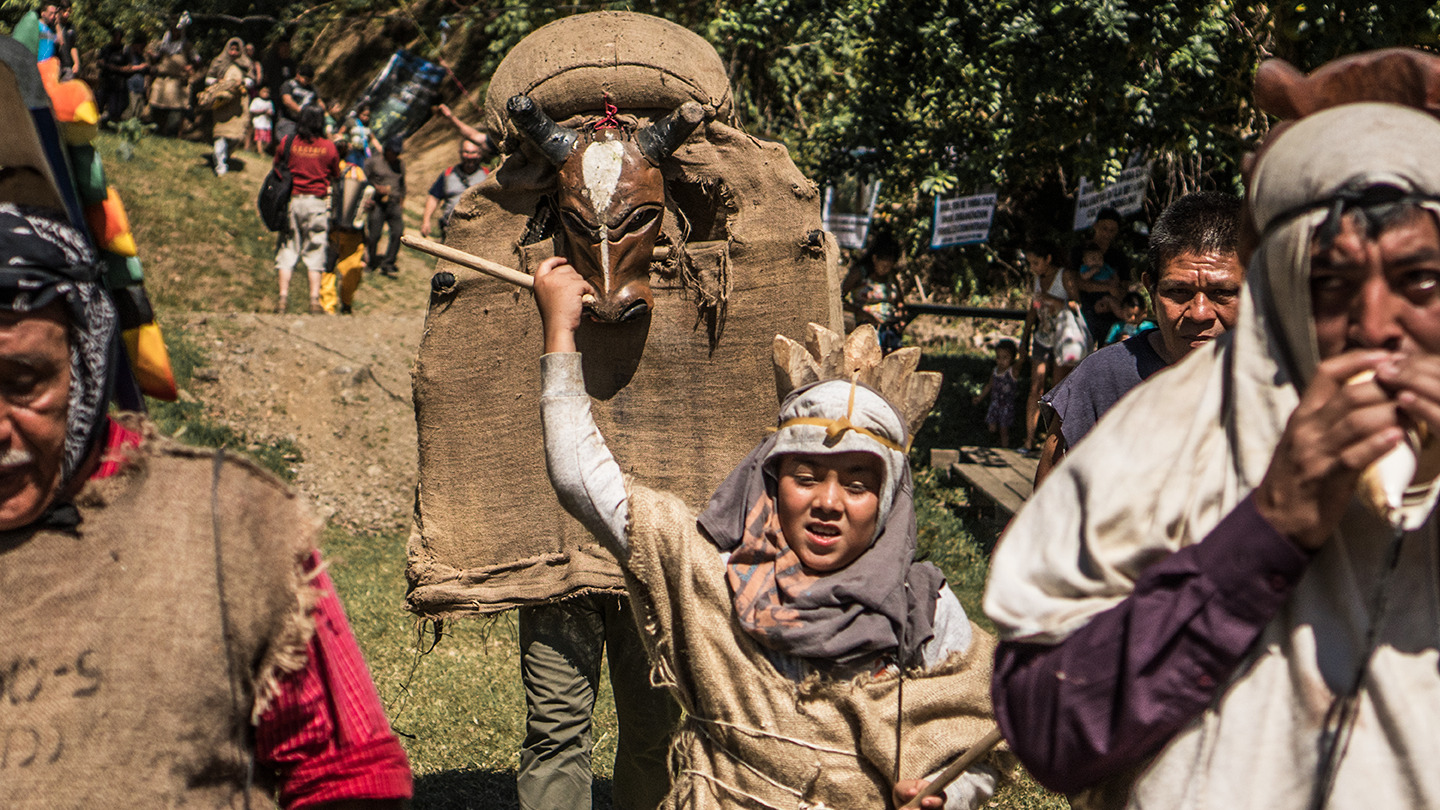
Languages do far more than help people communicate; they serve as living libraries of local knowledge. In many communities, words for specific plants, animals, or weather patterns don’t exist in any other language. For example, in the Amazon rainforest, indigenous languages often have dozens of words for types of rain or different kinds of soil, each with its own practical implication for farming or foraging. These detailed vocabularies have been shaped by generations of close interaction with the land, allowing people to track subtle ecological changes long before scientists arrive. When a language disappears, so too does a way of understanding and managing the environment that is often perfectly adapted to its local context.
The Intimate Bond Between Language and Biodiversity
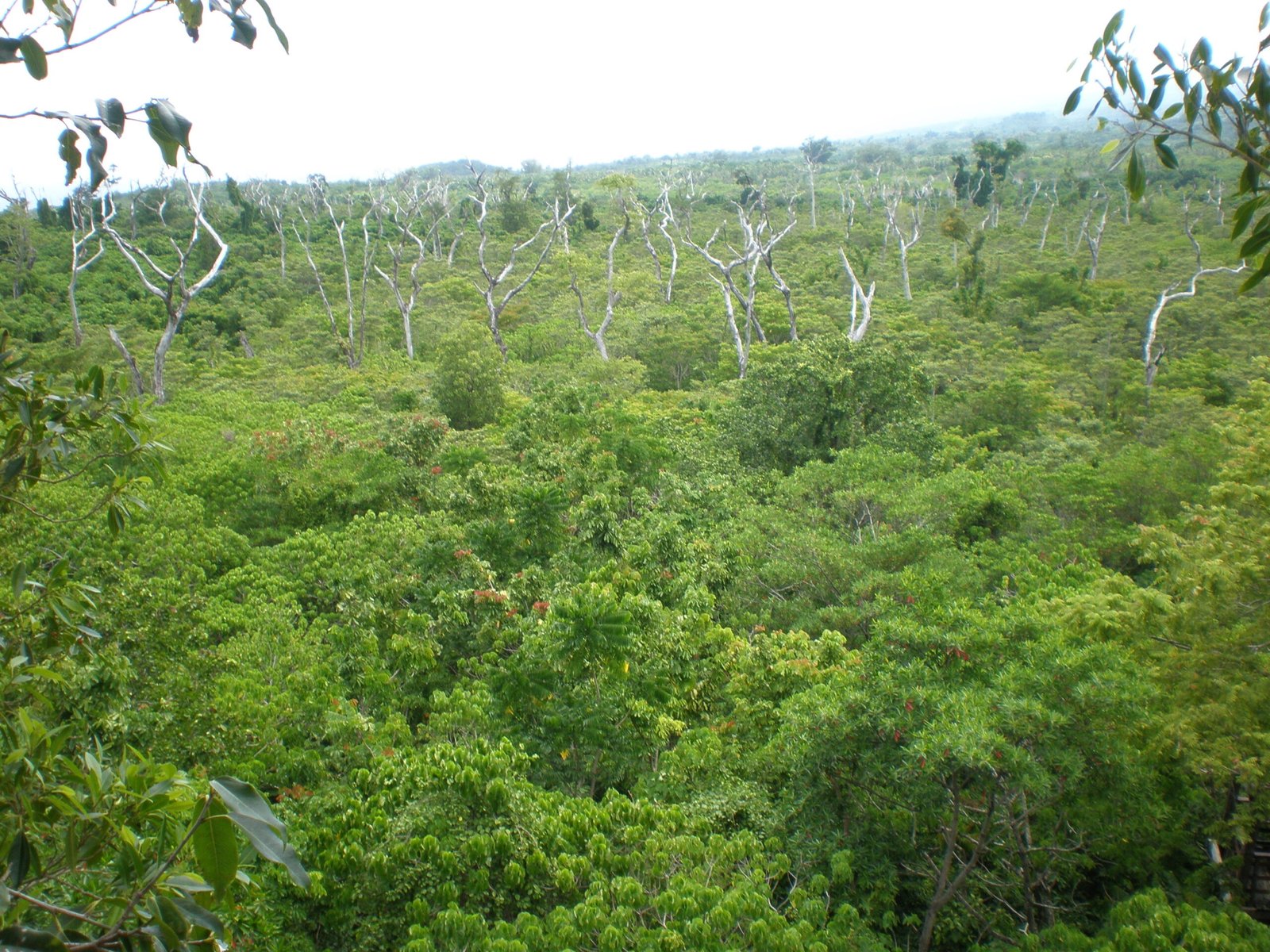
It’s shocking to realize that the world’s hotspots of linguistic diversity often overlap with areas of high biodiversity. Places like Papua New Guinea, the Congo Basin, and the Amazon host not only an explosion of species but also an astonishing array of languages. This isn’t a coincidence. Communities that have lived in harmony with their ecosystems for millennia have developed languages that reflect and reinforce this unique relationship. In some cases, a single word in a local language might describe a plant’s life cycle, its uses, and even its relationship to other species—information that could take years for scientists to document. As a result, the extinction of a language can accelerate the loss of local species, creating a domino effect that endangers entire ecosystems.
Traditional Ecological Knowledge Encoded in Words

Many endangered languages encode what scientists call Traditional Ecological Knowledge (TEK): practical wisdom gathered through centuries of observation and experimentation. TEK includes details about medicinal plants, sustainable hunting methods, and effective ways to manage water, soil, and forests. It’s often passed down orally, through stories, songs, and rituals, using words and metaphors that don’t translate easily. For instance, the Yupik people of Alaska have intricate vocabulary for ice conditions, crucial for survival in a harsh climate. When such knowledge is lost, communities and researchers alike lose invaluable insights into how to live sustainably in difficult environments.
Medicinal Plants and Healing Practices Hidden in Language
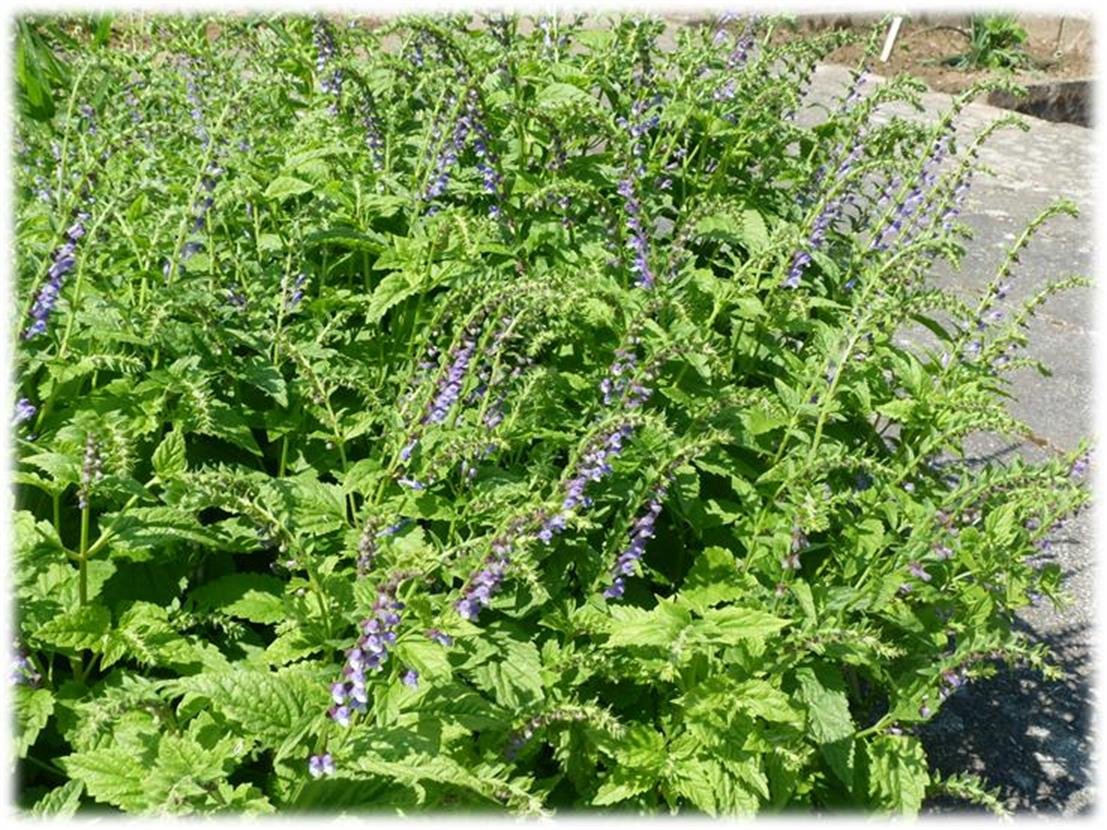
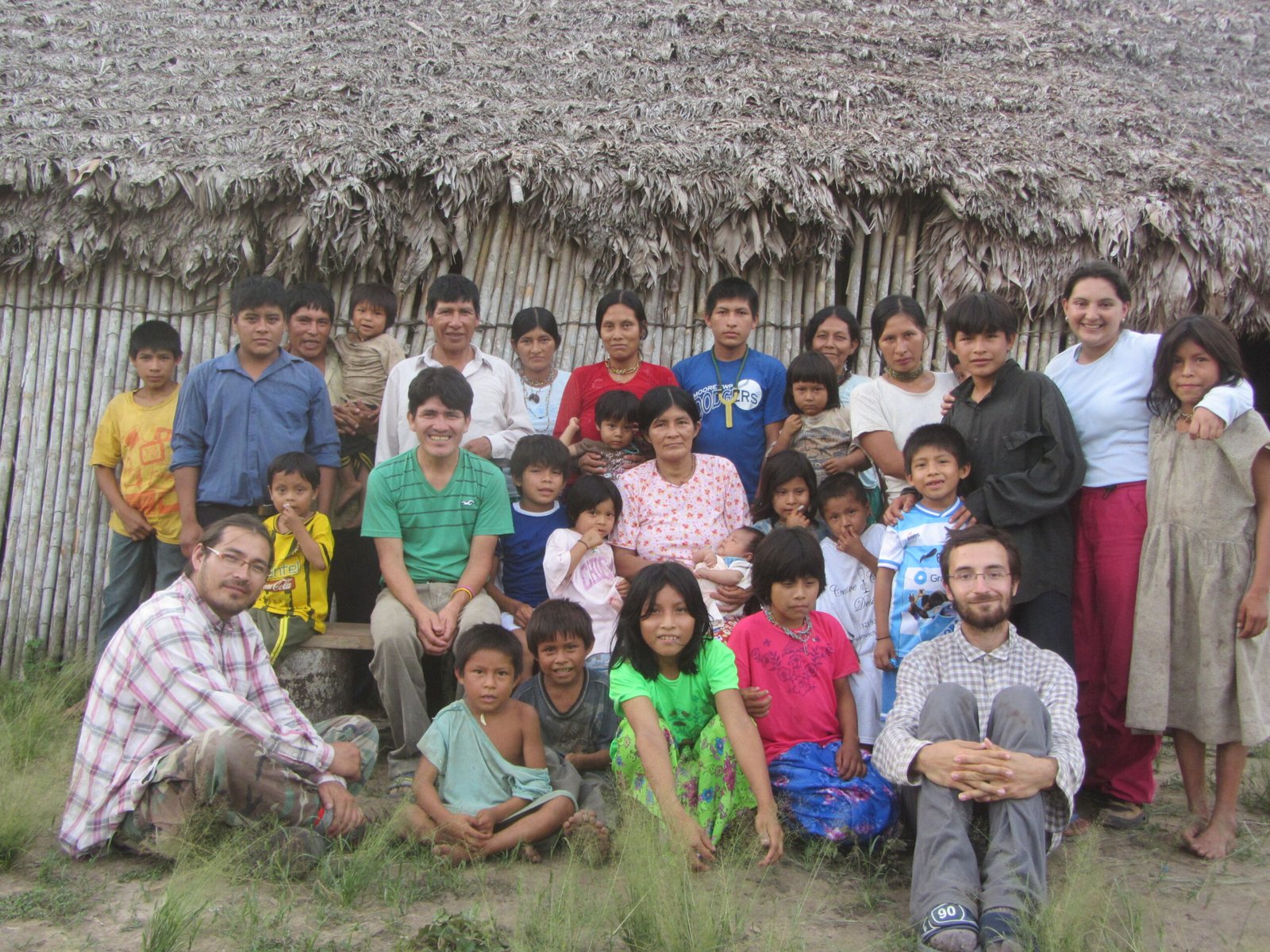
Endangered languages often contain the last living records of local medicinal knowledge. In tropical forests and remote valleys, elders can recite the names of plants, their uses, and the rituals needed for their preparation. For example, the Asháninka people in South America have specific terms for over a hundred medicinal plants, many of which have never been studied by modern science. Each plant name might carry stories about where it grows, how it should be harvested, and which ailments it can cure. When the language vanishes, so does this finely-tuned pharmacy, leaving communities and the world poorer in the face of health challenges.
Place Names as Ecological Maps

Place names, or toponyms, in endangered languages often act as maps filled with ecological information. A river’s name might reveal the kinds of fish that spawn there, or a mountain’s name might signal the presence of medicinal herbs. In Australia, Aboriginal languages use “songlines”—oral maps encoded in songs—to navigate vast territories, marking waterholes, animal habitats, and seasonal changes. These names and stories are not just poetic—they are survival tools, helping people remember safe routes, fertile grounds, and hidden dangers. The loss of such place-based language erases generations of environmental memory.
Animal and Plant Classification Beyond Science
Local languages sometimes classify species in ways that Western science overlooks. For instance, the Seri people of Mexico use different words for loggerhead turtles depending on their age, size, and nesting status—information vital for conservation. These nuanced classifications often reflect ecological relationships invisible to outsiders. Indigenous taxonomies can reveal breeding cycles, migratory routes, and interactions between species, offering clues that can help scientists protect endangered wildlife. Without the language, this intricate web of knowledge can unravel.
Oral Traditions and Seasonal Calendars

Oral traditions in endangered languages often contain rich descriptions of seasonal changes and environmental cues. Stories, songs, and proverbs mark the arrival of migratory birds, the flowering of specific trees, or the first rains. For example, the Maori of New Zealand use the flowering of the kowhai tree to signal the best time for planting sweet potatoes. These ecological calendars help communities anticipate and adapt to changes, long before they’re visible to the naked eye. The disappearance of these oral traditions makes it harder to predict and respond to environmental shifts.
Loss of Language, Loss of Resilience
When a language fades, communities lose more than just words—they lose resilience. The knowledge embedded in language allows people to adapt to floods, droughts, disease outbreaks, and changing seasons. For instance, the Ainu of Japan have unique fishing practices encoded in their language that help maintain river health and fish populations. When these practices are forgotten, communities become more vulnerable to external pressures, from climate change to industrial development. The loss of linguistic diversity can weaken the very fabric that helps people survive in challenging environments.
The Role of Language Revitalization in Conservation
Efforts to revitalize endangered languages can have powerful benefits for both people and nature. By teaching younger generations their ancestral tongues, communities can restore lost knowledge about sustainable farming, fishing, and healing. Language documentation projects often lead to the rediscovery of forgotten species, sustainable techniques, or sacred sites. Some conservation initiatives now partner with indigenous language speakers to co-create management plans, blending scientific and traditional approaches. Revitalizing a language isn’t just about saving words—it’s about rekindling a relationship with the land.
Human Identity and the Natural World
Language is a core part of human identity, shaping how people see themselves and their place in the world. For many, the words used to describe a river, a forest, or a bird are woven into their sense of belonging and responsibility. Losing a language can feel like losing a part of oneself—a grief that ripples through families and communities. At the same time, preserving a language can inspire pride, stewardship, and renewed commitment to protecting the local environment. The stories we tell in our own words shape the landscapes we cherish.
What We Stand to Lose—and Why It Matters

The disappearance of endangered languages isn’t just a cultural tragedy—it’s a scientific emergency. Each lost language is a closed book, locking away recipes for survival, hidden marvels of evolution, and blueprints for living in balance with nature. As the world faces unprecedented ecological crises, the wisdom encoded in these languages could be our most valuable resource. Imagine the medicines undiscovered, the ecosystems mismanaged, the resilience unbuilt—all because we let these voices fall silent. Isn’t it time to listen before it’s too late?