Imagine a single creature, no larger than a housecat, with the power to change rivers, sculpt forests, and create entire ecosystems from scratch. This animal isn’t a mythical beast or a character from a fable—it’s the humble, yet extraordinary, beaver. Armed with nothing more than its teeth and an instinct for engineering, the beaver transforms landscapes in ways that few other animals can even dream of. The next time you walk by a tranquil pond or see a stream winding through a meadow, remember: you might be witnessing the legacy of nature’s most relentless architect.
The Master Builder: Beaver Basics
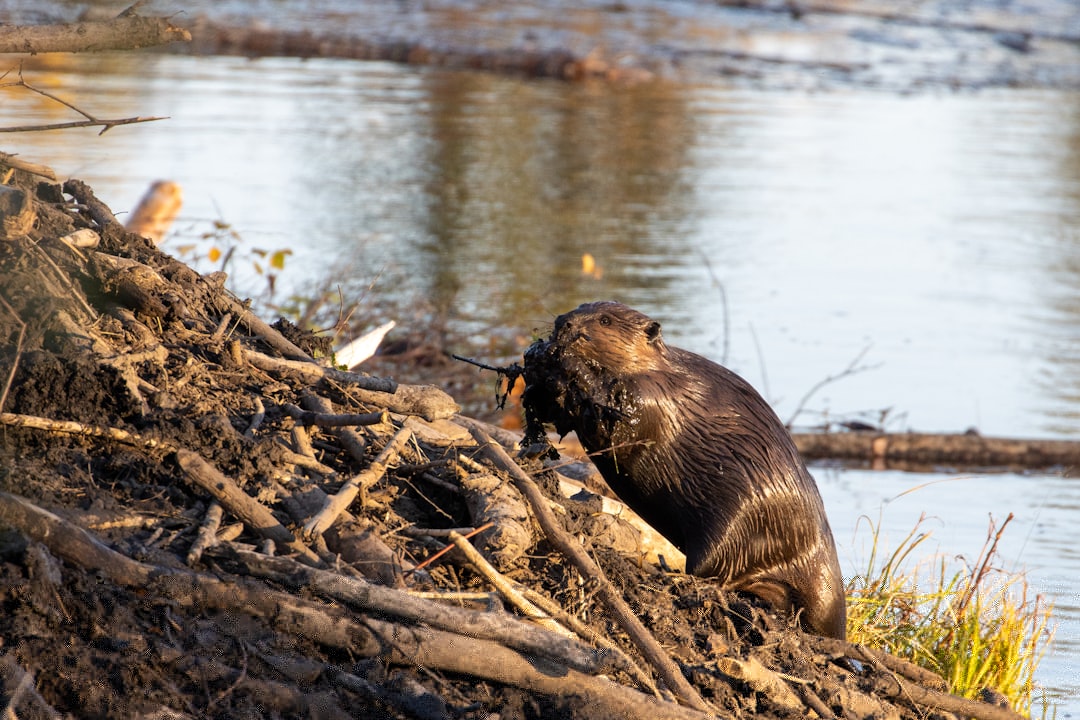
Beavers are fascinating mammals best known for their ceaseless construction projects. With their sharp, ever-growing incisors, they fell trees to gather building materials, gnawing through trunks with astonishing speed and efficiency. These animals are well adapted to both land and water, sporting webbed feet for swimming and a flat, paddle-like tail that serves as a rudder. Unlike most rodents, beavers are semi-aquatic, spending much of their lives in and around water. Their fur is dense and waterproof, providing insulation in cold environments. These features, combined with their strong sense of family, make beavers uniquely suited to the demanding lifestyle of landscape engineers.
Dam Builders Extraordinaire
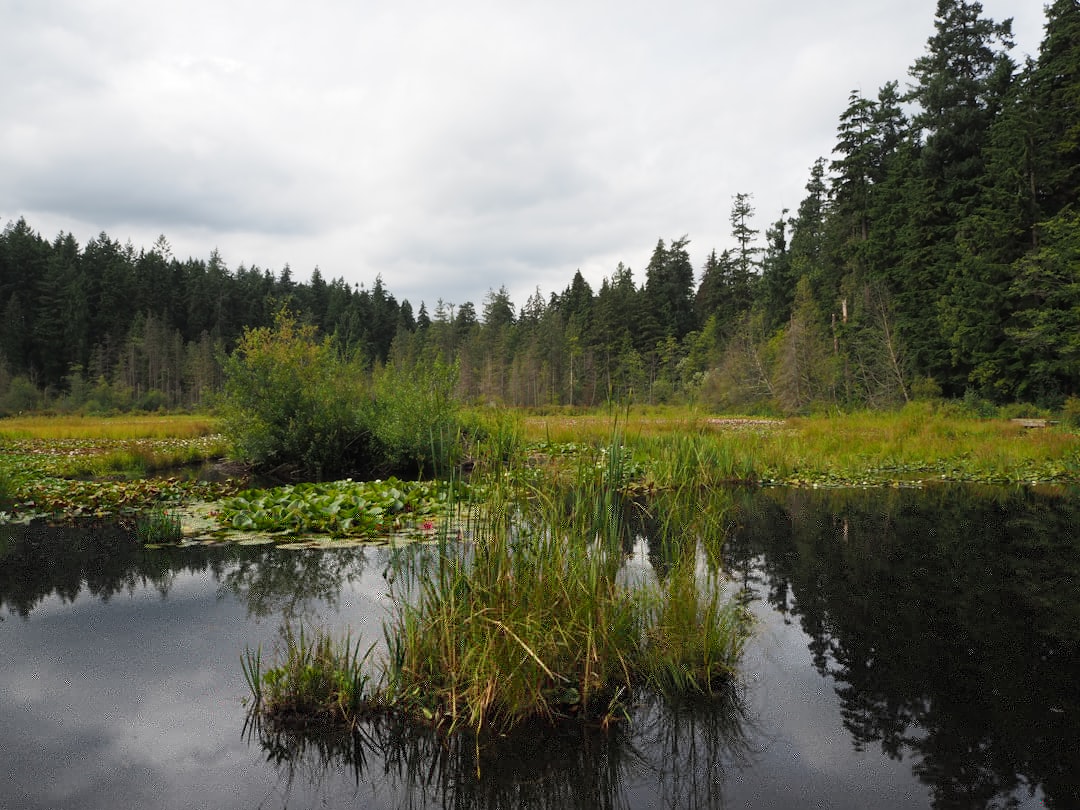
The beaver’s most iconic creation is its dam—a structure built from sticks, mud, and stones. Dams are not random piles of debris; they are carefully crafted to slow moving water, creating ponds where beavers can build their lodges and find safety from predators. The process begins with the selection of a suitable site, often where the current is slow. Beavers then harvest branches and saplings, weaving them together and packing the gaps with mud to create a watertight barrier. The resulting pond provides deep water for swimming and easy access to food, while also offering shelter from wolves, coyotes, and even humans. The scale of some dams is astonishing; some have stretched over half a kilometer across, easily visible from space.
Lodge Life: The Beaver’s Castle
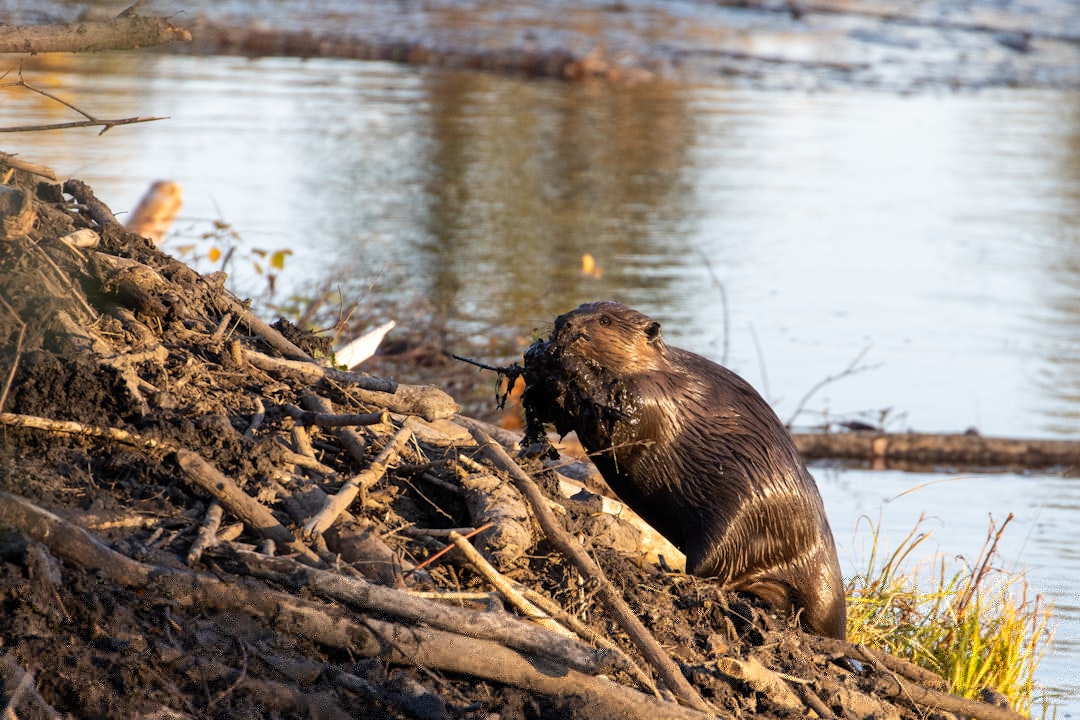
Within the safety of their ponds, beavers construct lodges—dome-shaped homes made from branches and mud. These lodges are much more than simple shelters; they have underwater entrances to thwart predators, and inside, dry chambers lined with shredded wood for comfort. A lodge serves as the beaver’s fortress, nursery, and pantry, often housing an entire family group. These homes are maintained year-round and can remain in use for generations. The insulation provided by the thick walls keeps the interior warm throughout harsh winters, allowing beavers to survive in regions where temperatures plummet far below freezing.
How Beavers Change Waterways
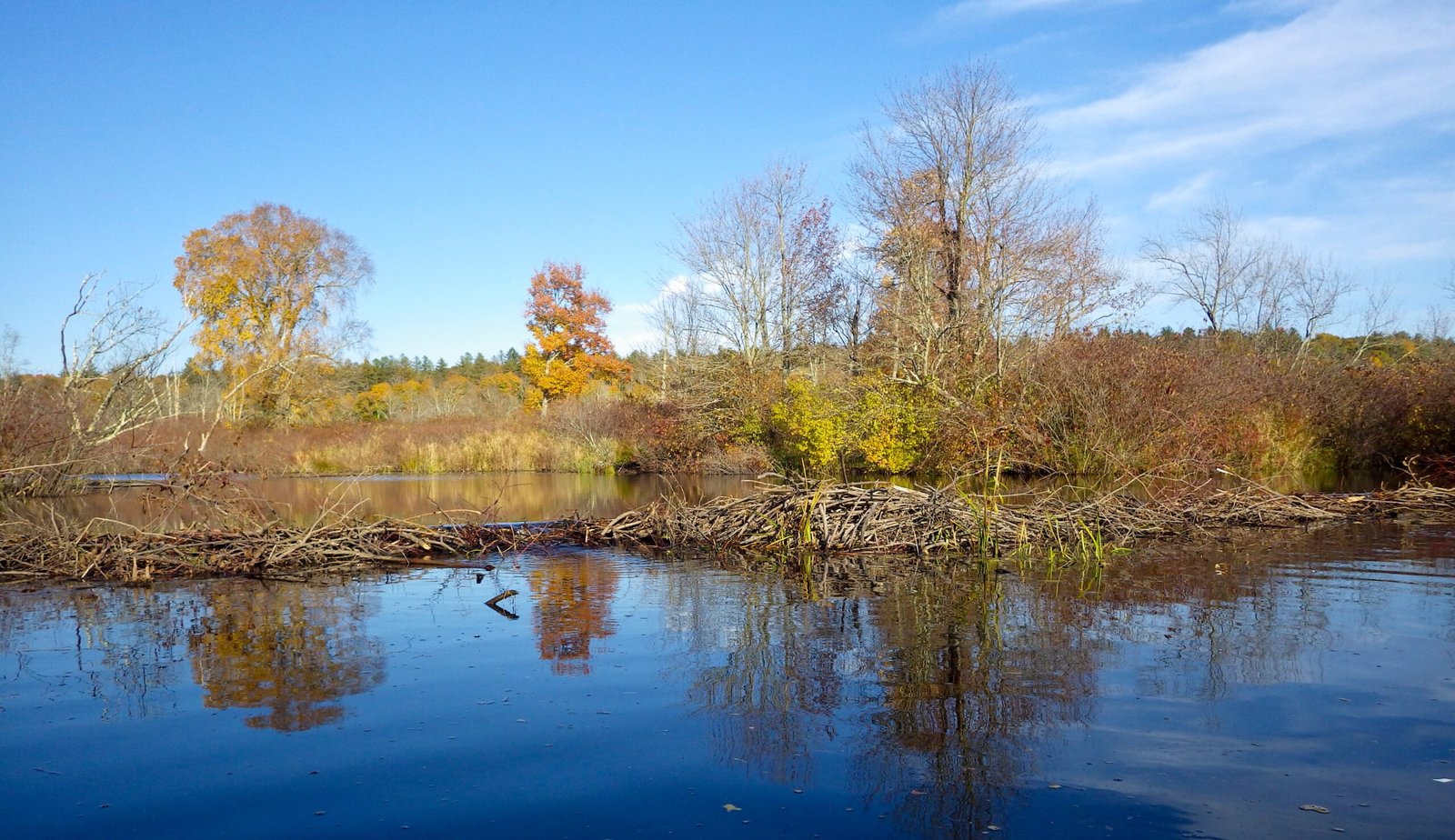
When a beaver builds a dam, it doesn’t just create a pond—it alters the entire landscape. By slowing the flow of water, beaver dams reduce erosion and help water soak into the ground, replenishing groundwater supplies. These ponds act as natural reservoirs, storing water during wet periods and releasing it slowly during droughts. Over time, new wetlands form, supporting a rich diversity of plants, insects, fish, and birds. Streams that once ran fast and shallow become complex systems of pools and channels, each teeming with life. The beaver’s handiwork can even help filter pollutants, improving water quality for everything downstream.
Wildlife Benefactors: Ecosystem Engineers
The changes beavers make to their habitat benefit far more than just themselves. Beaver ponds and wetlands become sanctuaries for frogs, turtles, waterfowl, and countless insects. Fish populations often thrive in these new environments, with slow-moving waters creating ideal spawning grounds. Birds like herons and kingfishers flock to beaver ponds for feeding opportunities. Even large mammals such as moose and deer are drawn to the lush vegetation that grows around beaver-altered landscapes. Scientists often refer to beavers as “ecosystem engineers” because their actions provide homes and resources for a multitude of other species.
Beavers and the Forest: Nature’s Foresters
By felling trees, beavers open up the forest canopy, allowing sunlight to reach the ground and encouraging the growth of new plants. This process, known as coppicing, helps regenerate willows, aspens, and other favorite beaver foods. Over time, these areas become rich in shrubs and young trees, providing food and shelter for a variety of animals. The patchwork of open spaces and dense woods created by beavers increases the overall diversity of the forest. In essence, beavers act as natural foresters, shaping their surroundings in ways that benefit both themselves and the broader ecosystem.
Surviving the Seasons: Winter Strategies
As winter approaches, beavers prepare by stockpiling branches and twigs at the bottom of their ponds. This submerged food cache provides sustenance when the pond surface freezes solid. Inside their snug lodges, beavers remain active, venturing out only to fetch food from their underwater pantry. Their thick fur and communal living help conserve warmth, making it possible to survive even the harshest winters. The ponds they create often remain unfrozen longer than nearby streams, offering a vital refuge for other aquatic life. This seasonal strategy ensures the survival of the beaver family until spring thaws the landscape.
Beaver Comebacks and Conservation
Beavers were once hunted nearly to extinction for their fur, prized in the hat-making trade. However, with changing attitudes and strong conservation efforts, beaver populations have rebounded in many areas. Their return has been celebrated by ecologists, who recognize the beaver’s crucial role in restoring wetlands and improving biodiversity. In some places, beavers have been deliberately reintroduced to help tackle issues like water scarcity and habitat loss. Their ability to reshape landscapes makes them powerful allies in the fight against environmental degradation and climate change.
Challenges and Controversies
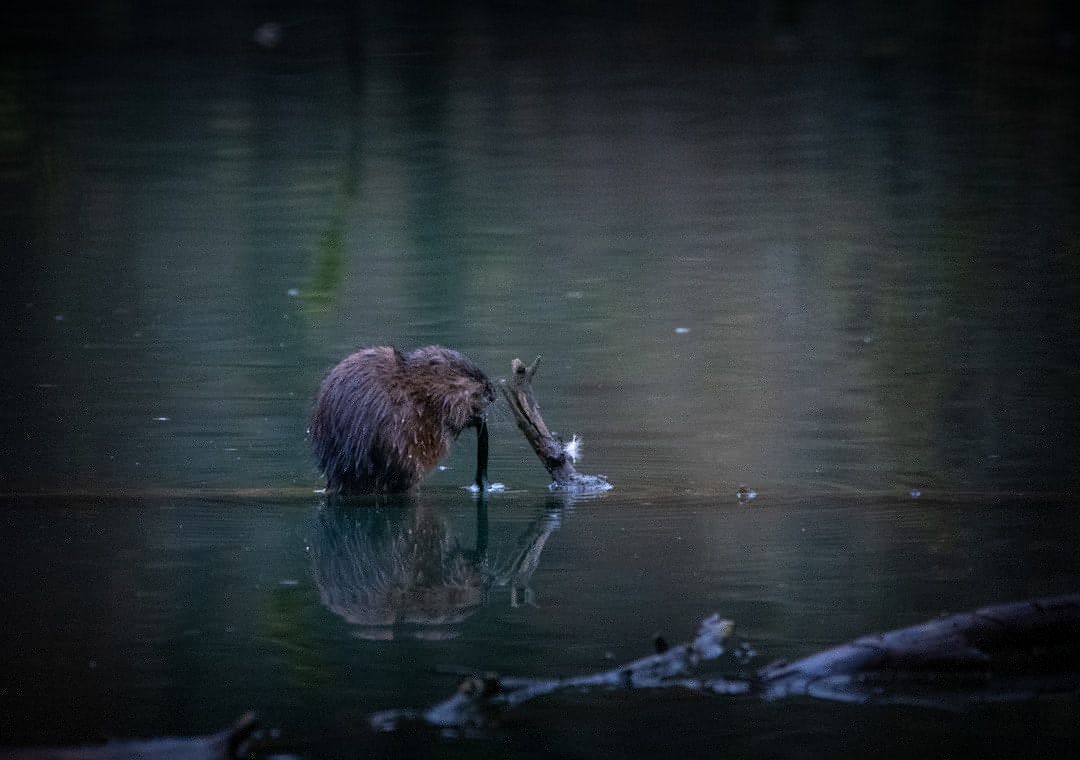
Not everyone welcomes beavers with open arms. Their dams can flood roads, farmland, and even residential areas, leading to costly damage and conflict with humans. Some landowners see beavers as pests, while others appreciate their ecological benefits. Managing this delicate balance often involves creative solutions, such as installing “beaver deceivers”—devices that allow water to flow through dams without disturbing the beavers themselves. Finding ways to coexist with these industrious animals is a challenge that communities continue to face, especially as beaver populations expand into new territories.
Beavers as Climate Allies
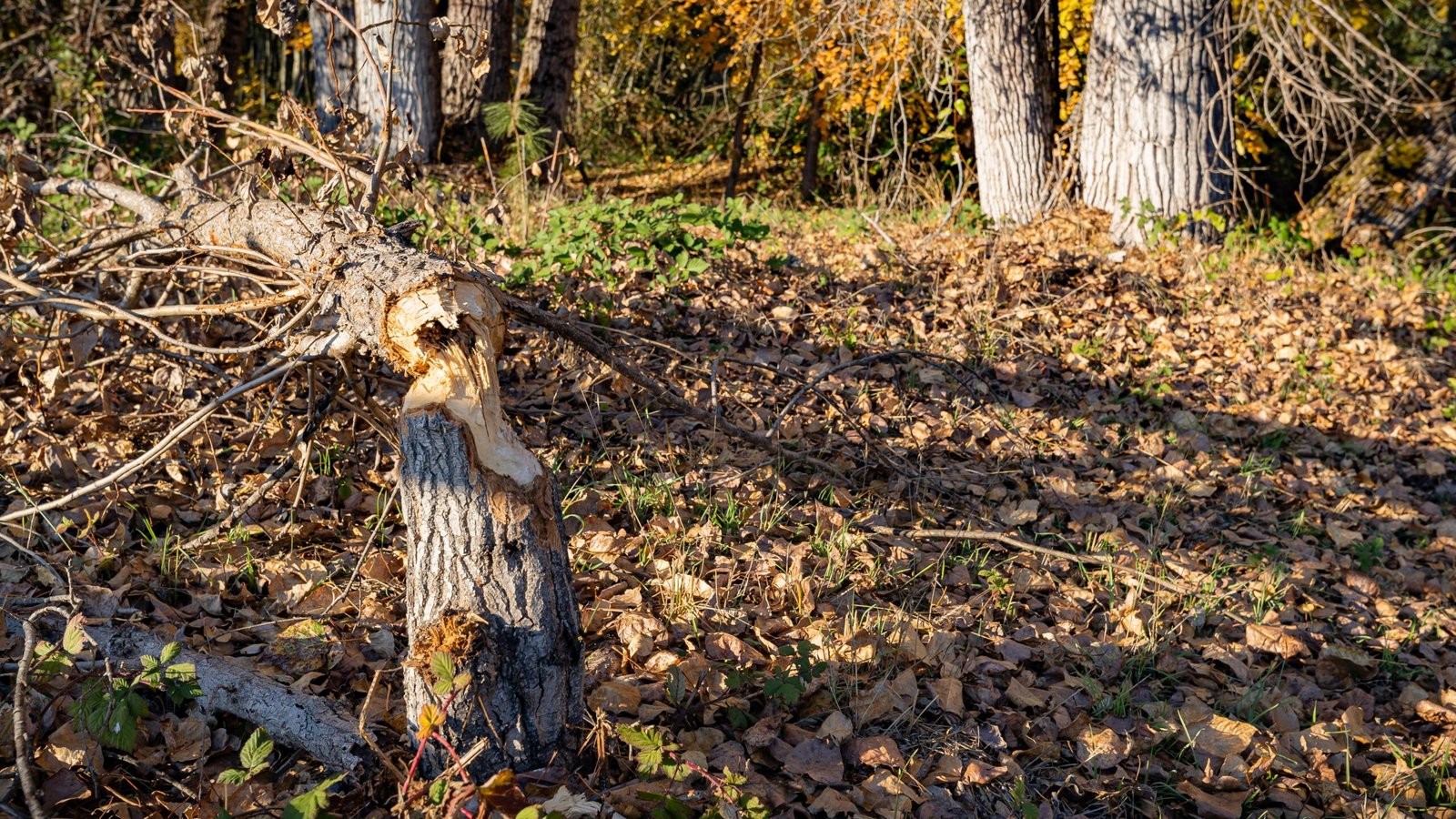
The environmental impact of beavers goes beyond local ecosystems. By creating wetlands, beavers help store carbon in plant material and soil, reducing greenhouse gases in the atmosphere. Their ponds also act as natural firebreaks, slowing the spread of wildfires that have become increasingly common in many regions. As climate change accelerates, the beaver’s role as a landscape manager has taken on new importance. Scientists are studying how beaver activity can help buffer the effects of droughts, floods, and rising temperatures, offering a glimpse of hope in a changing world.
Lessons from Nature’s Engineers
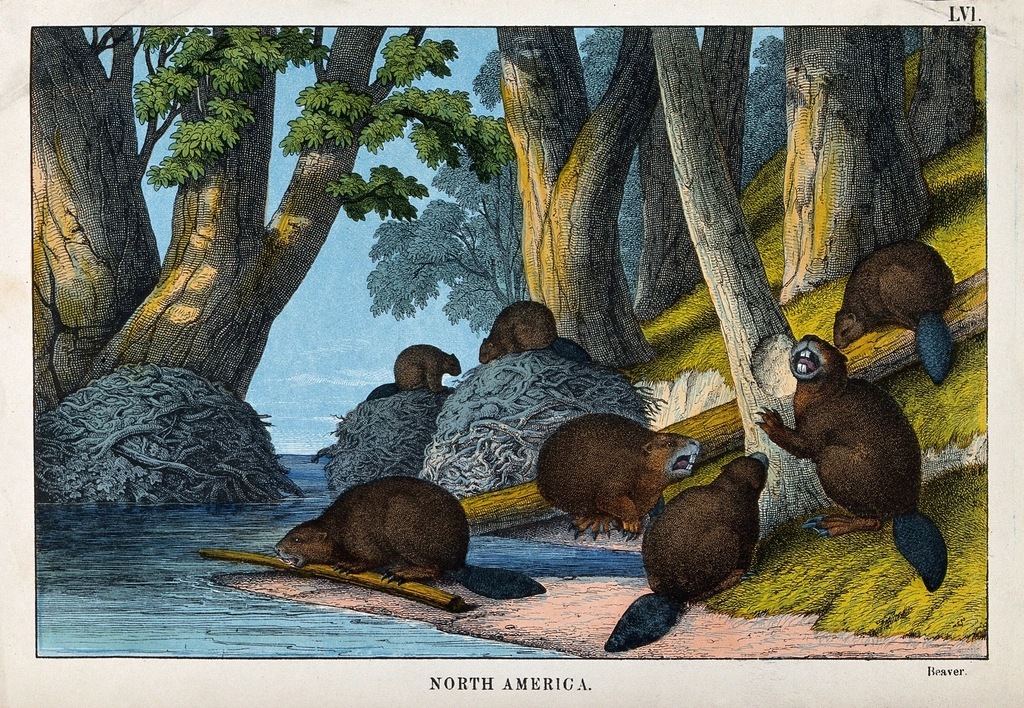
There’s something humbling and inspiring about the beaver’s story. With persistence and teamwork, these animals achieve what would seem impossible for their size—reshaping entire landscapes for the benefit of countless other creatures. Beavers remind us of the power of small actions multiplied over time, and the profound ways in which life on Earth is interconnected. Their legacy is etched into the land, visible in every pond, meadow, and stream they have touched. What landscapes could we redesign for the better, if we followed the beaver’s example?