Have you ever gazed into a dazzling aquarium or watched a wild river teeming with life and thought, “Look at all those fish!”? It feels so natural to lump goldfish, salmon, and sharks under one simple label. But here’s the shocking twist: to biologists, there simply isn’t any such thing as a true scientific group called “fish.” This everyday word hides a messy reality beneath the surface, one that’s stranger and even more fascinating than you might imagine. The story of “fish” is a journey through the tangled branches of the tree of life, revealing how science and language sometimes swim in very different directions.
The Classic Concept: Why We Think ‘Fish’ Makes Sense
For most of us, the idea of “fish” seems obvious. They swim in water, have fins and scales, and breathe through gills. We see them in ponds, on dinner plates, and in colorful tanks at pet stores. The simplicity of this category makes it easy to teach children, to shop for seafood, or to marvel at the wonders of the ocean. It feels almost instinctive to group all these creatures together. But nature, as it turns out, rarely fits so neatly into human-made boxes. The classic idea of “fish” is more a product of our need for simple categories than of evolutionary reality.
How Scientists Define Groups: The Importance of Clades
In biology, scientists organize living things into groups called “clades.” A clade is a group of organisms that includes an ancestor and all its descendants—think of it as a family tree that doesn’t leave anyone out. These clades help researchers make sense of life’s incredible diversity and trace how different creatures are related. When a group is not a clade, it means the members don’t all share a single exclusive ancestor, which can cause confusion in evolutionary studies. True scientific groups are based on shared ancestry, not just a few visible similarities.
Why ‘Fish’ Fails the Scientific Test
Here’s where things get surprising: “fish” isn’t actually a clade. The animals we casually call “fish” don’t share a single, unique ancestor to the exclusion of all others. In fact, some “fish” are more closely related to land animals like you and me than to other so-called fish! For example, a salmon has more in common genetically with a frog or a bird than with a shark. This makes “fish” a paraphyletic group—a scientific term for a group that leaves out some descendants. In the eyes of evolutionary biology, that’s a big faux pas.
The Odd Family Ties: Fish, Humans, and Amphibians
Imagine drawing a family tree for all vertebrates—the animals with backbones. At some point, the line splits: one branch leads to ray-finned fishes (like trout and goldfish), while another heads off toward lobe-finned fishes. Lobe-finned fishes gave rise to amphibians, reptiles, birds, and mammals—yes, even humans! So in a strange twist, you’re more closely related to a coelacanth (a rare, ancient lobe-finned fish) than that coelacanth is to a tuna. Nature’s family ties are full of surprises, and “fish” barely scratches the surface.
From Sharks to Seahorses: Diversity Hidden by a Simple Word
When you say “fish,” you’re covering an incredible range of creatures: slippery eels, armored sturgeons, fearsome sharks, and the dainty seahorse. Some “fish” lay eggs, others give birth to live young. Some can breathe air, others can’t. There are fish that glow, fish that electrify, and fish that can walk on mudflats. By grouping all these wildly different animals under one name, we risk overlooking their astonishing differences and evolutionary journeys.
The Problem with Paraphyly: Leaving Out the Landlubbers
Paraphyletic groups like “fish” are problematic in science because they exclude some descendants of a common ancestor. Think of it as inviting most of your cousins to a family reunion but leaving out your siblings just because they moved to a new city. In evolutionary terms, using “fish” ignores the fact that land vertebrates (tetrapods) evolved from ancient fish, making us—strangely enough—fish by ancestry! That’s a mind-bending thought, but it’s what the evidence shows.
Fish and the March Onto Land
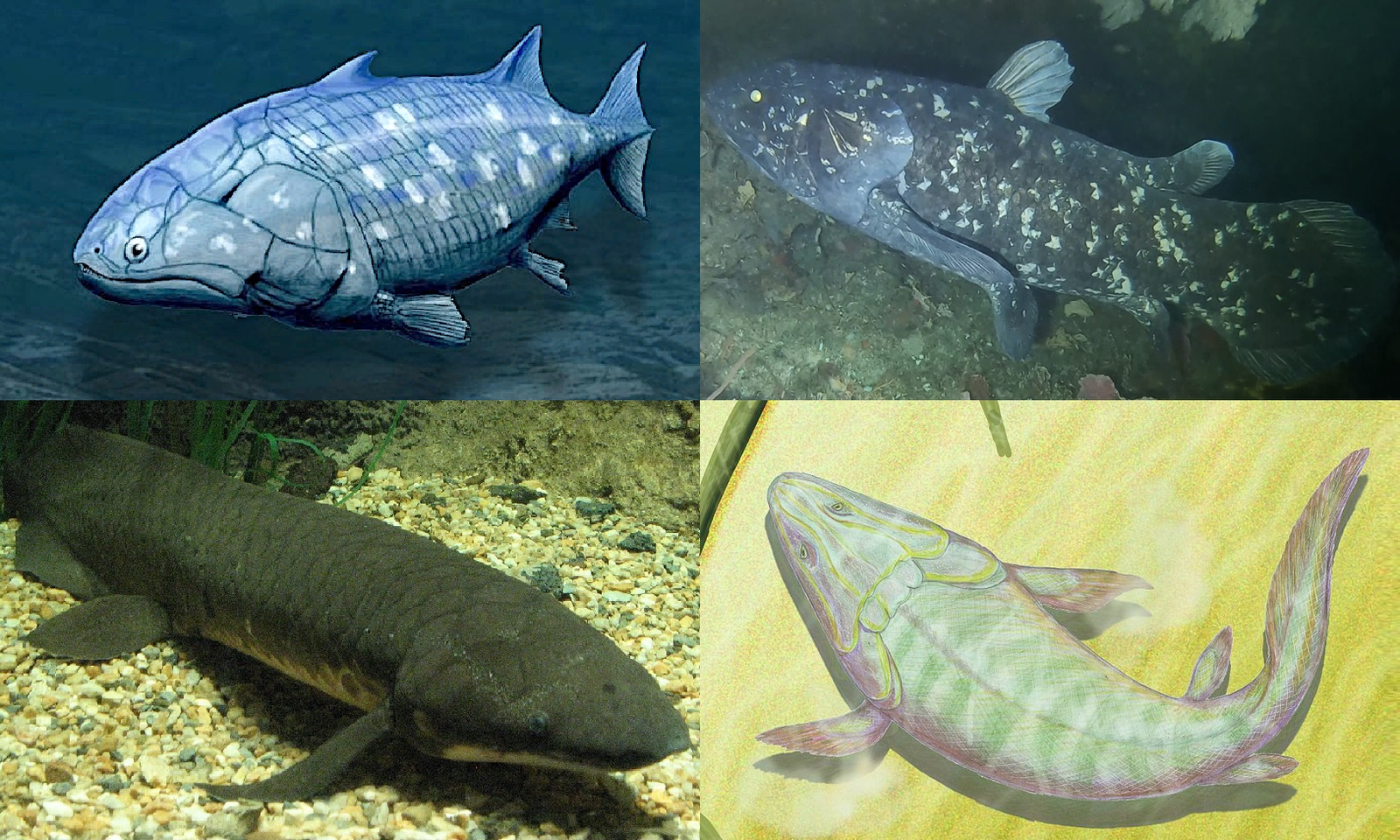
Hundreds of millions of years ago, an adventurous group of lobe-finned fish began exploring shallow waters and eventually crawled onto land. These pioneers evolved into the first amphibians, and from them, the incredible diversity of land animals—including dinosaurs, birds, and mammals—arose. The boundary between “fish” and “not fish” is far blurrier than we might expect. In fact, every land animal is descended from a fish ancestor, making the story of “fish” the story of us all.
Why the Word Still Sticks Around
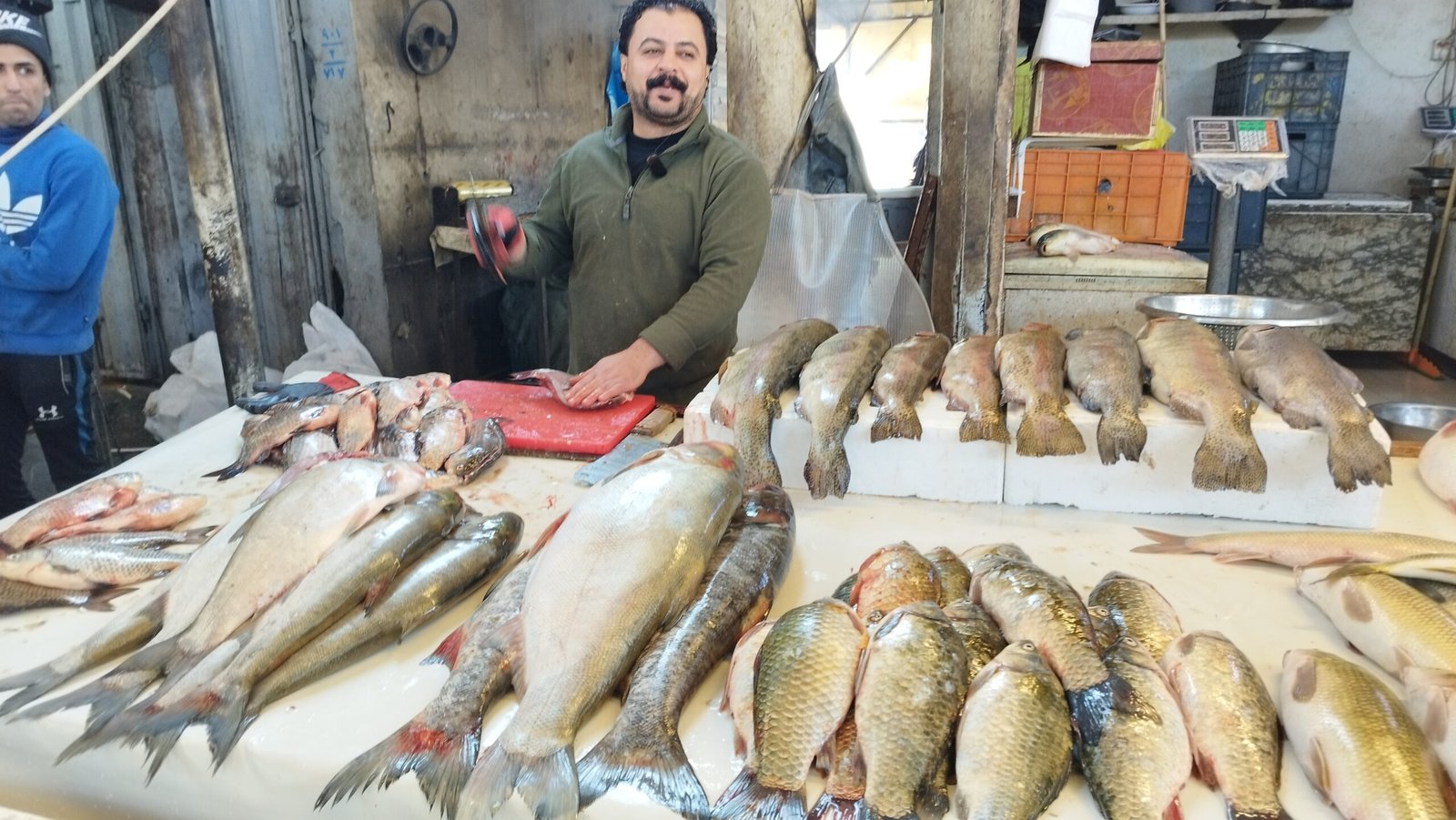
Despite its scientific flaws, “fish” remains a stubbornly useful word in daily life. It’s a handy shortcut when shopping, cooking, or talking about pets. Language evolves for convenience as much as for accuracy, and most people aren’t thinking about evolutionary trees when ordering a fillet. The word “fish” is woven into our culture, cuisine, and stories. Even scientists use it informally, knowing full well its limitations. Sometimes, clarity and tradition win over technical precision.
Common Misconceptions About Fish
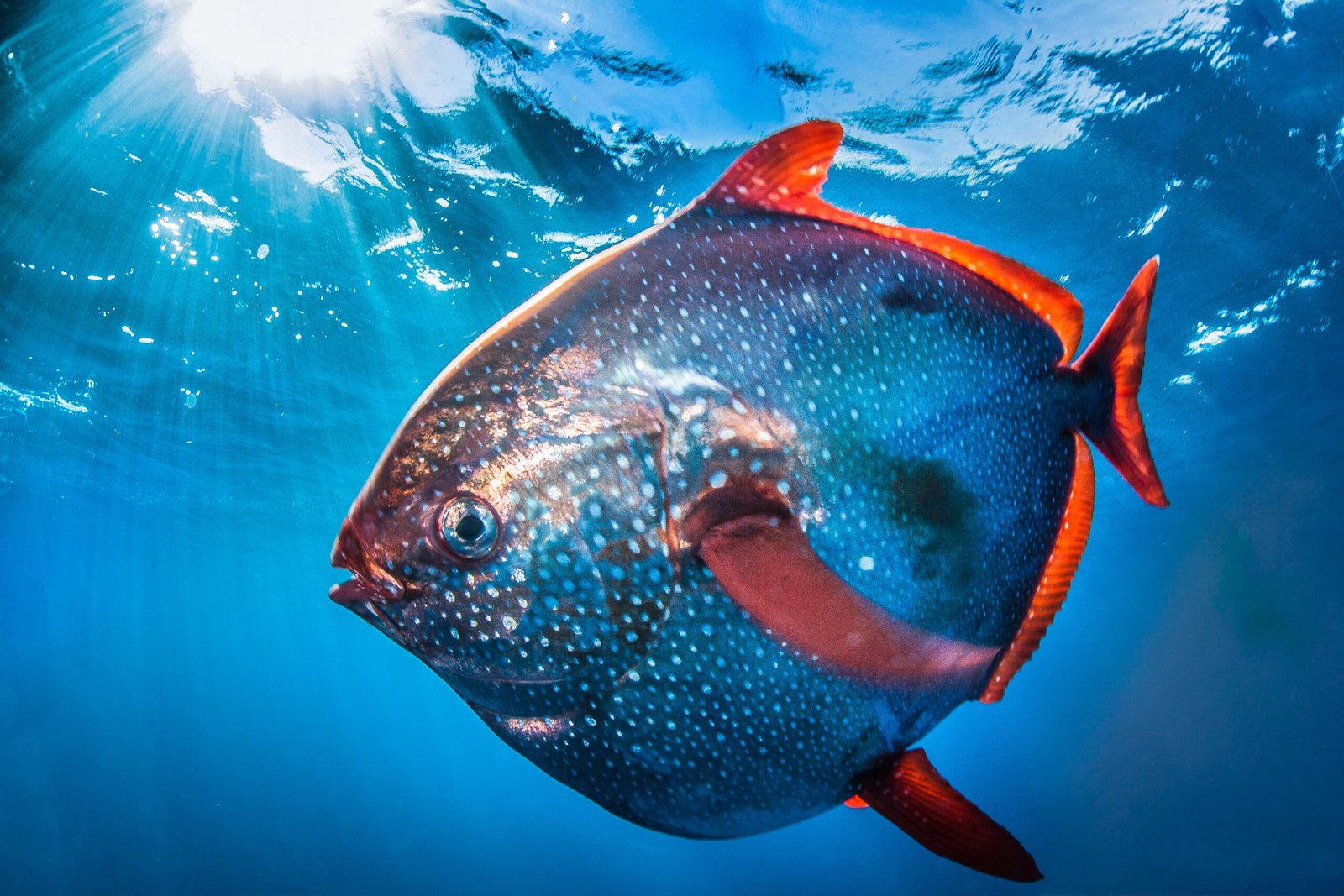
Many people still believe all fish are cold-blooded, lay eggs, or live only in water. In reality, some fish are warm-blooded, like the opah, which can keep its body warmer than the surrounding sea. Some give birth to live young, like guppies and certain sharks. There are “fish” that can survive out of water for hours, even days. These exceptions show just how much diversity is hidden beneath the simple label of “fish,” challenging our assumptions at every turn.
What’s in a Name? The Power—and Limitations—of Words
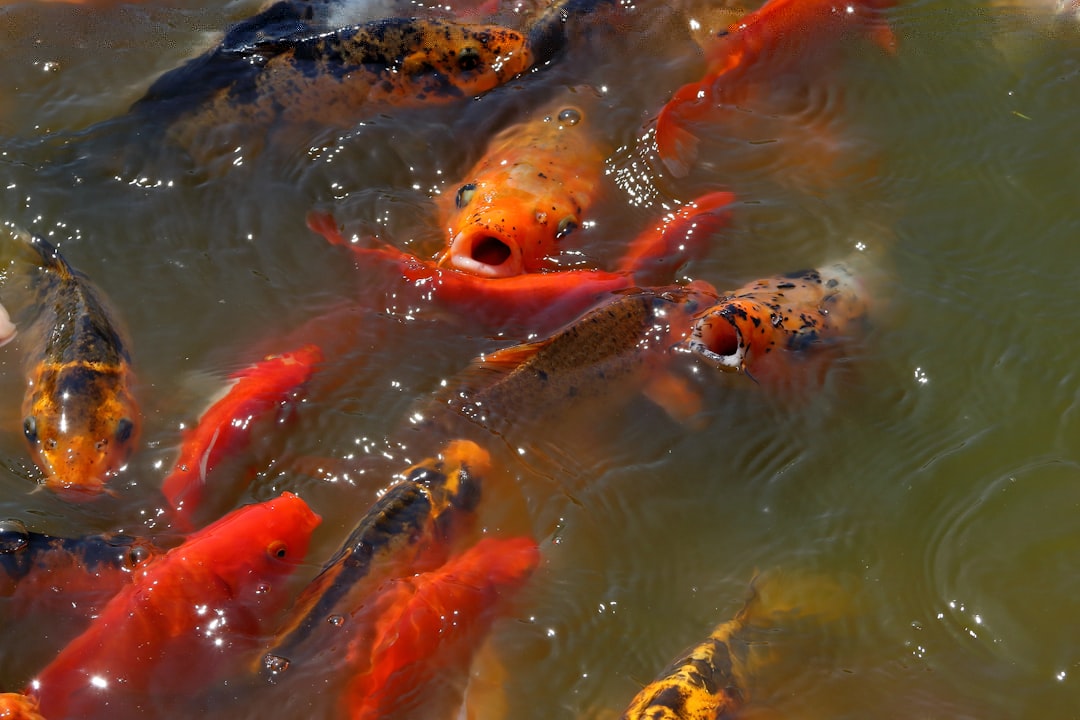
The “fish” story is a reminder that the words we use shape how we see the natural world, but they can also blind us to its complexity. Just as calling a bat a “bird” would be misleading, lumping all aquatic vertebrates as “fish” can obscure their amazing evolutionary stories. At the same time, language is about communication, and sometimes a single, familiar word can open the door to curiosity and discovery. The real magic happens when we look beyond the surface and ask deeper questions.
The Wonder of Evolution’s Messy Masterpiece
Looking at the tree of life, it’s clear that nature doesn’t care about neat categories. Evolution is a wild, ongoing experiment, full of unexpected twists and new beginnings. The tangled relationships we try to sort out with words like “fish” show just how rich and unpredictable life truly is. This messy reality is what makes biology so endlessly fascinating—every answer leads to more questions, and each label hides a world of wonder.
What other familiar words might hide surprising scientific secrets?