Imagine gazing up at the night sky expecting to see a tapestry of stars, only to spot a dazzling parade of artificial lights streaking across the darkness. This isn’t science fiction—it’s our new reality. SpaceX, with its ambitious Starlink project, is launching thousands of satellites into orbit, turning the quiet expanse above our heads into a bustling highway of technology. The sky, once a symbol of limitless freedom and shared wonder, is rapidly becoming contested territory. But who truly owns the sky, and what does it mean for the future of humanity, our environment, and our sense of cosmic belonging?
The Rise of SpaceX and the Satellite Revolution
In just a few short years, SpaceX has transformed the landscape of space exploration. The company, led by Elon Musk, has launched thousands of small satellites with the goal of providing global internet coverage through its Starlink network. This new era of satellite technology promises to connect remote villages, ships at sea, and even travelers on airplanes. But this rapid expansion isn’t just about convenience; it’s about claiming a slice of the heavens. The sheer volume of satellites now circling our planet is staggering, and SpaceX isn’t alone—other companies are racing to fill the sky, each vying for their piece of orbital real estate.
The Changing Face of the Night Sky

For centuries, stargazers have found inspiration and meaning in the constellations and planets visible from Earth. Astronomers, both amateur and professional, have relied on dark skies to peer deep into the universe’s mysteries. The proliferation of satellites is changing all that. Bright satellite trains can disrupt astronomical observations, spoil long-exposure photographs, and even outshine natural celestial bodies. Many people feel a sense of loss, as if something sacred and eternal is slipping away beneath a web of artificial lights.
The Legal Puzzle: Who Owns Outer Space?
Legally, space is often described as a global commons, a domain that belongs to everyone and no one. The 1967 Outer Space Treaty, signed by over 100 countries, declares that no nation can claim sovereignty over outer space. But what about companies? The treaty didn’t anticipate a future where private corporations deploy thousands of satellites for profit. As SpaceX and its competitors stake their claims, the lack of clear legal frameworks invites complicated questions. Who decides how much of the sky any one entity can use? And what happens when one company’s ambitions collide with the interests of others?
Environmental Risks and Space Debris
Each new satellite adds to the growing problem of space debris. When satellites malfunction or collide, they can break apart and create hazardous clouds of fast-moving debris. These fragments threaten other spacecraft, including those carrying astronauts, and increase the risk of catastrophic chain reactions known as the Kessler Syndrome. With thousands more satellites planned in the coming years, the risk only grows. The environmental impact isn’t limited to space; rocket launches and satellite deorbiting can also affect Earth’s atmosphere and ecosystems.
Ethics of Access: Bridging the Digital Divide

SpaceX argues that the Starlink project is a force for good, promising affordable internet access to underserved and remote communities. In theory, this could transform lives, open educational opportunities, and spark economic growth in places previously left behind. Yet, the reality is more complicated. The satellites that could improve life for billions also raise ethical dilemmas about who decides what technology should fill our skies, and who benefits from it. Is it fair for a single company to make decisions that affect everyone on the planet?
Impact on Astronomy and Scientific Discovery
The scientific community has voiced strong concerns about the flood of satellites. Astronomers worry that satellite trails will interfere with their ability to observe faint objects, discover new planets, and study cosmic phenomena. Some observatories are already reporting disruptions, forcing researchers to find new ways to filter out the satellite interference. The worry is that, without careful planning, the pursuit of technological progress might inadvertently shut the door on discoveries that could reshape our understanding of the universe.
Commercialization: The Sky as a Marketplace
The new space race isn’t just about science; it’s about business. Companies see orbital space as real estate, a place to park satellites and provide profitable services. The commercialization of the sky raises profound questions about who gets access and how that access is regulated. As more players enter the market, concerns about monopolies, competition, and fair use intensify. The idea of the sky as a shared resource clashes with visions of a privatized, pay-to-play frontier.
Light Pollution and Our Connection to Nature
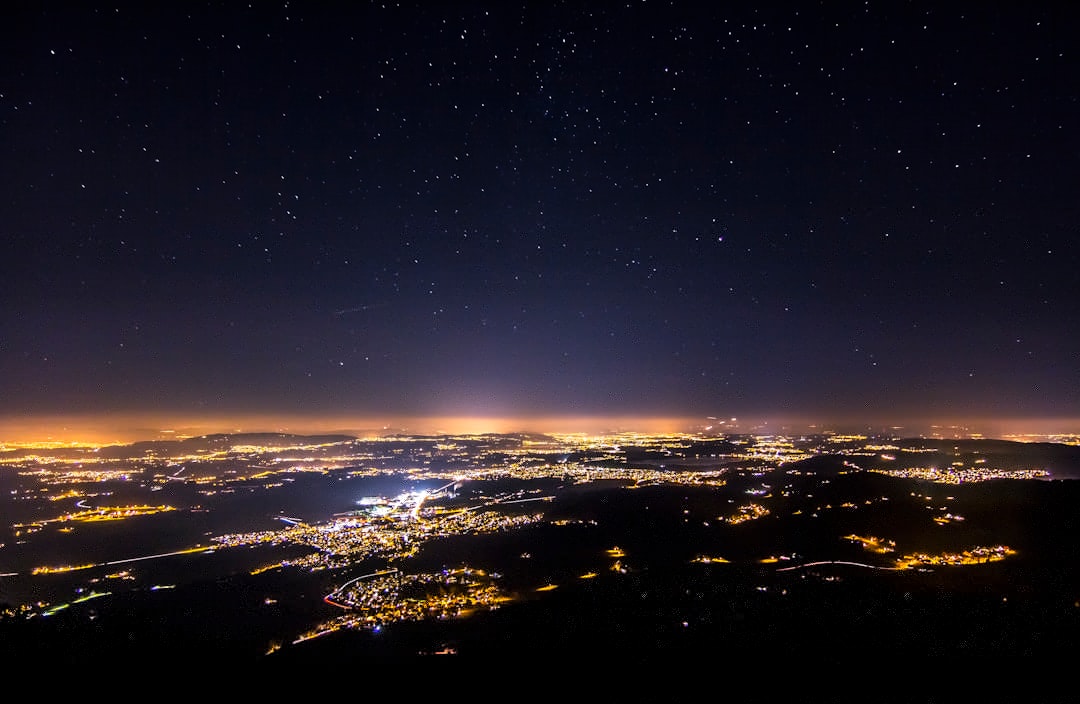
Light pollution isn’t just an urban problem anymore—it’s now an orbital one. The glow from satellites can wash out the Milky Way, making it harder for future generations to experience the awe of a truly dark night sky. This loss is more than aesthetic; studies show that seeing the stars nurtures a sense of wonder, humility, and connection to the cosmos. As the lights in the sky multiply, we risk losing a piece of our cultural and ecological heritage.
Regulation and the Need for Global Cooperation

Right now, the rules governing satellite launches and orbital use are patchy and inconsistent. National agencies approve launches, but there’s little coordination at the global level. Without better regulation, the risk of overcrowding, interference, and conflict grows. Many experts call for a new international approach—one that balances innovation with stewardship and ensures that the benefits of space are shared fairly. Cooperation, transparency, and long-term planning are desperately needed to keep the sky safe and accessible.
Voices from Earth: Public Opinion and Resistance

People around the world are speaking out. Astronomers, indigenous groups, and environmentalists have all raised alarms about the changes unfolding above us. Some are calling for limits on satellite numbers, new technologies to reduce brightness, and stronger protections for dark skies. The debate is not just technical—it’s deeply emotional, touching on questions of identity, heritage, and the kind of world we want to pass on to future generations.
Looking Ahead: The Future of the Shared Sky

The story of who owns the sky is still being written. As technology races ahead, society must grapple with the ethical, legal, and environmental challenges it brings. The choices we make today will shape the sky—and our relationship with it—for decades to come. Will we find a way to balance progress with preservation, ambition with responsibility? Or will the sky become just another crowded, contested space, lost to wonder and mystery forever?