Imagine standing on the surface of Earth, feeling the wind on your face and watching clouds drift across the sky. Have you ever wondered if, beneath all this bustling life and swirling climate, the planet itself might be more than just a giant rock orbiting the sun? This question—are planets alive?—has sparked some of the most bizarre, heated, and thought-provoking debates in science. The idea might sound outrageous at first, but as we dig deeper, the line between living and non-living worlds begins to blur in strange and beautiful ways. Welcome to the captivating world of self-regulating planetary systems, where science, philosophy, and imagination collide.
The Mystery of the Living Earth

For centuries, people have gazed at Earth with awe, sensing a unique vibrancy that sets it apart from the barren silence of other planets. This perception isn’t just poetic—there are real differences. Earth has breathable air, flowing water, and a climate that, against all odds, has remained stable enough for life to thrive over billions of years. Some scientists have wondered if this stability is more than luck. Could Earth itself be self-regulating, like a living organism keeping its body in balance? This idea has fueled a controversial debate, forcing us to rethink what it means for something to be “alive.”
The Gaia Hypothesis: Earth as a Living System
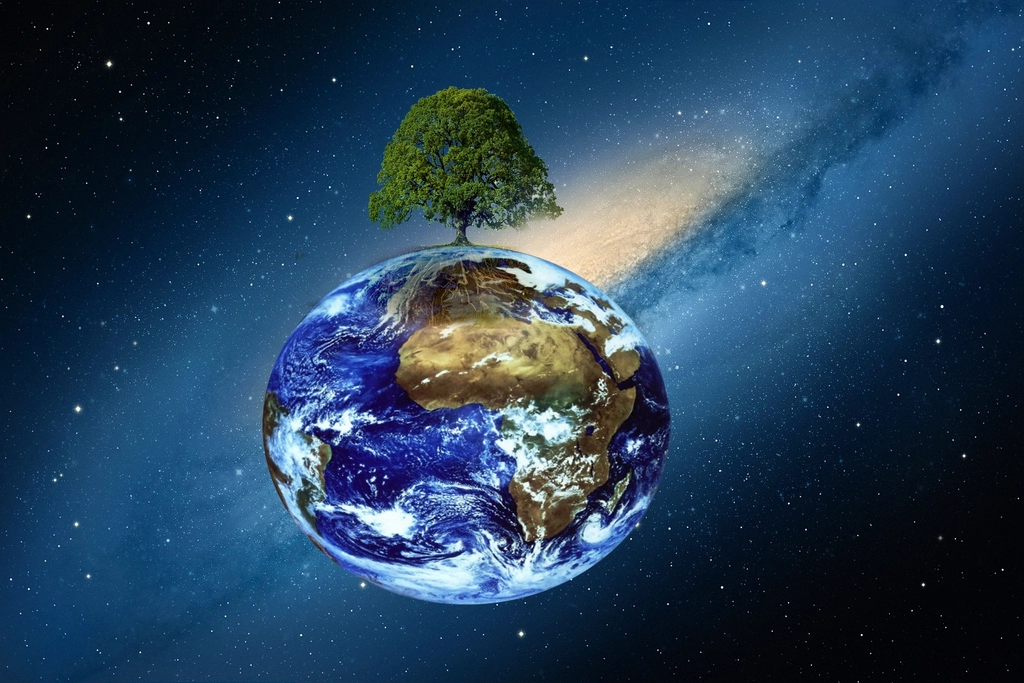
In the 1970s, British scientist James Lovelock and microbiologist Lynn Margulis introduced the Gaia Hypothesis, a theory that turned planetary science upside down. According to Gaia, Earth is not just a home for life; it is a vast, interconnected system that acts to maintain conditions suitable for life itself. Just as your body regulates temperature and chemistry, Gaia suggests that Earth’s atmosphere, oceans, and living creatures all work together to control the planet’s environment. This radical idea was met with both fascination and fierce criticism, sparking a debate that still rages today.
Self-Regulation: What Does It Really Mean?
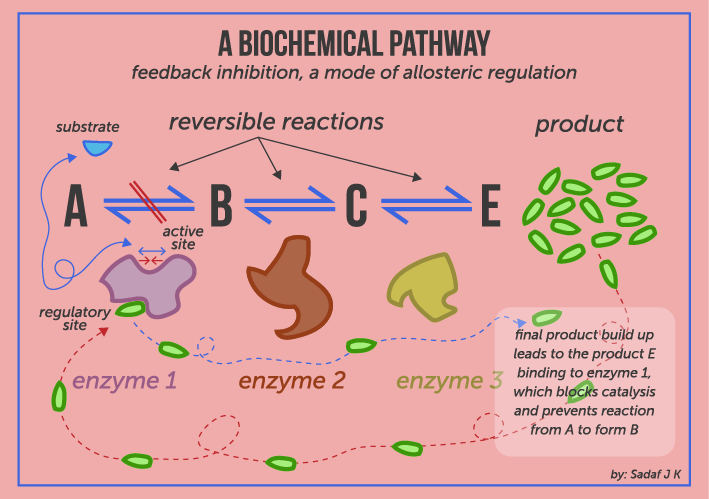
At the heart of the debate is the concept of self-regulation. In living organisms, self-regulation means maintaining internal stability—think of how your body sweats to cool down or shivers to warm up. Gaia supporters argue that Earth does something similar, using feedback loops between living things and the environment. For example, plants absorb carbon dioxide during photosynthesis, which helps control the greenhouse effect and keeps temperatures in check. These feedbacks create a kind of planetary “thermostat,” but critics argue this doesn’t mean Earth is truly alive—it may just be a complex but lifeless machine.
Earth’s Remarkable Feedback Loops
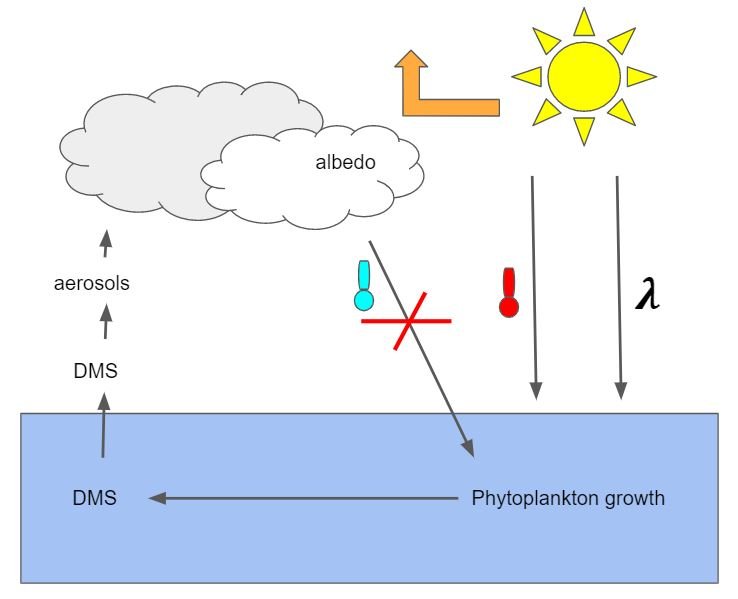
Take a closer look at Earth, and you’ll find countless feedback loops at work. The ocean absorbs carbon dioxide, helping buffer climate swings. Forests release oxygen, shaping the air we breathe. Even tiny plankton in the sea can influence cloud formation, affecting how much sunlight the planet absorbs. These connections are so intricate and widespread that they seem almost magical—like Earth itself is working to keep things just right. But is this coordination intentional, or just a lucky accident of chemistry and biology?
Life’s Role in Shaping the Planet
One of the most astonishing facts about Earth is how profoundly life has altered the planet. Billions of years ago, microbes pumped oxygen into the atmosphere, turning the sky blue and making animal life possible. Later, the rise of plants helped cool the planet and stabilize climate cycles. These changes weren’t planned, but they show how life and the environment are deeply intertwined, each shaping the other in a dance that continues today. The result is a world where living and non-living processes are almost impossible to separate.
Planets Beyond Earth: Is Self-Regulation Unique?
If Earth can act as a living system, could other planets do the same? So far, the search for life elsewhere has revealed worlds that are either scorching hot, frozen solid, or wrapped in toxic gases. Mars, for example, once had rivers and lakes, but today it’s a cold desert. Venus is even more extreme, with surface temperatures hot enough to melt lead. These examples suggest that self-regulation isn’t guaranteed—it might be a rare and precious gift. But scientists are still searching, and future discoveries could rewrite everything we know.
Defining Life: Where Do We Draw the Line?
The question of whether planets can be alive forces us to confront the definition of life itself. Traditionally, life is seen as something that grows, reproduces, and evolves. Planets don’t fit neatly into these categories, but they do show some surprising similarities—especially when it comes to self-regulation and resilience. Some scientists argue that perhaps our definition of life is too narrow, shaped by the limits of our experience. Should we expand it to include complex, self-sustaining systems like Gaia? Or is that stretching the meaning too far?
The Power of Metaphor and Imagination
Calling Earth “alive” is, in many ways, a metaphor—a way to capture the planet’s astonishing complexity and its ability to maintain a balance that supports life. Metaphors can be powerful tools in science, helping us see patterns and connections that might otherwise go unnoticed. But they can also mislead, blurring the line between literal truth and poetic description. As the Gaia debate shows, sometimes the power of an idea comes not just from what it explains, but from how it makes us feel about our place in the universe.
Controversy and Criticism: The Scientific Pushback

Not everyone is convinced by the idea of a living Earth. Critics argue that the Gaia Hypothesis is more philosophy than science, lacking the hard evidence needed for rigorous testing. They worry that describing Earth as alive might distract from the real, measurable processes that shape the planet. Some even see the debate as dangerous, fearing it could encourage magical thinking or distract from urgent environmental problems. Yet, even skeptics admit that thinking about Earth as a system has transformed the way we study our planet.
Implications for the Future: Caring for a Fragile World
Whether or not Earth is truly alive, the idea of planetary self-regulation has profound implications for humanity. If our actions disrupt the feedback loops that keep the planet stable, we risk throwing the entire system out of balance. Climate change, deforestation, and pollution are all threats to the delicate equilibrium that has allowed life to flourish. By seeing Earth as a dynamic, interconnected system, we gain a new sense of responsibility—a reason to care, to protect, and to cherish the only home we’ve ever known.
What If Planets Are Alive?

The idea that planets might be alive isn’t just an academic question—it’s a call to wonder and humility. If worlds can behave like gigantic living systems, the universe becomes a far stranger and more marvelous place. Perhaps, somewhere among the stars, other planets are breathing, changing, and nurturing life in ways we can scarcely imagine. Or maybe Earth is truly one of a kind, a rare jewel in an otherwise lifeless cosmos. Either way, the debate over living planets challenges us to look deeper, think bigger, and ask questions that have no easy answers.