Imagine standing in the shadow of a colossal sauropod, its towering neck stretching high above the treetops. These magnificent creatures roamed the Earth millions of years ago, leaving behind a legacy that continues to intrigue and baffle scientists today. One of the most fascinating aspects of these giants is their skin, particularly their scales, which offer a window into their lives and survival strategies. But how did these enormous dinosaurs manage to regulate their body temperature in a world without modern comforts? Let’s delve into the mysteries of sauropod skin and uncover the secrets of their heat management.
The Enigma of Sauropod Size
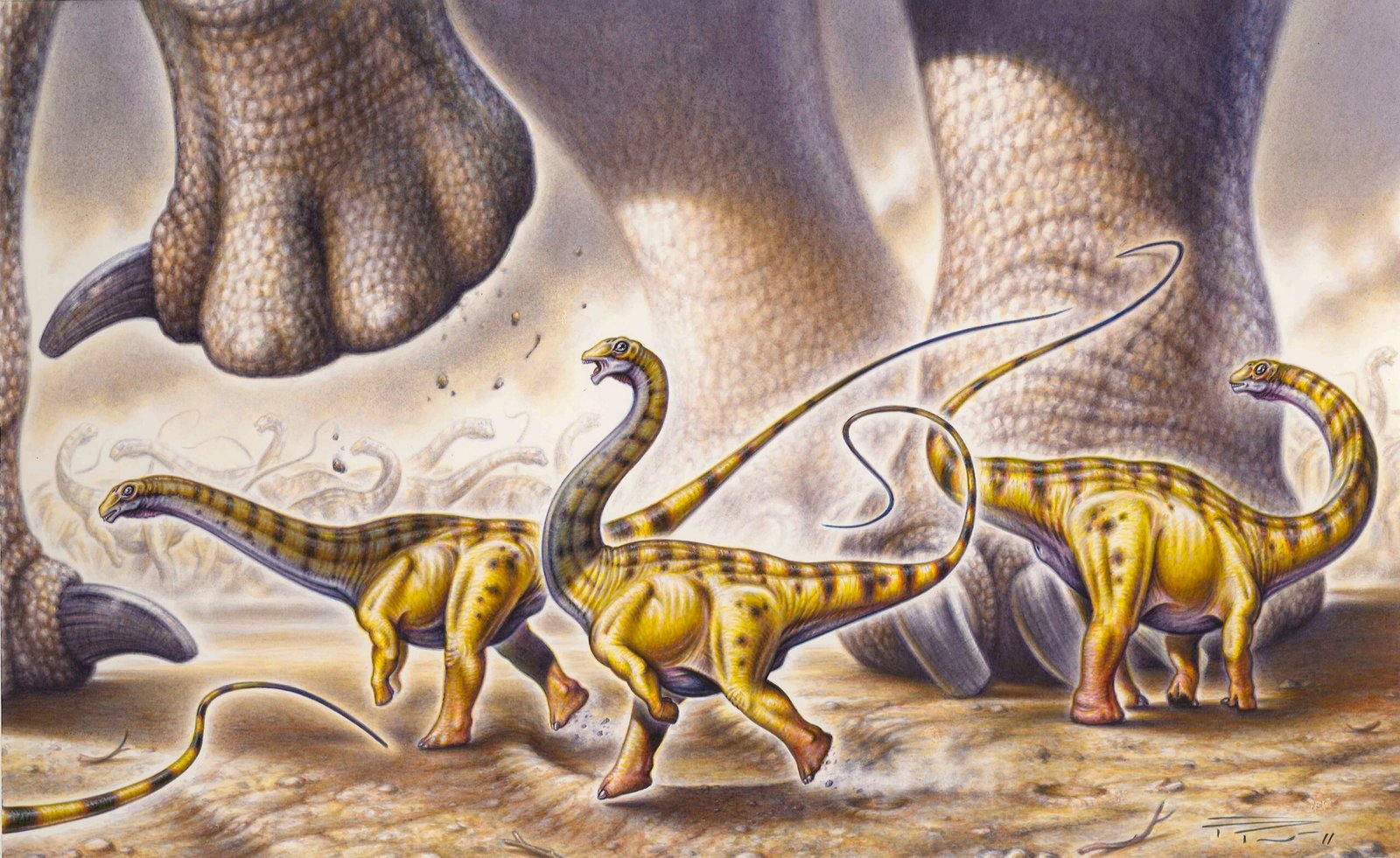
Sauropods were the giants of the dinosaur world, with some species, like Argentinosaurus, reaching lengths of over 100 feet. Their immense size posed unique challenges, particularly in regulating body heat. Large animals today, like elephants, have specialized adaptations to manage heat, such as large ears for dissipating heat. Similarly, sauropods likely had their own unique adaptations. Their size meant they had a lower surface area-to-volume ratio, which helped retain heat but also made them susceptible to overheating. Understanding how they managed this delicate balance is crucial to understanding their biology.
Scaly Secrets: The Role of Sauropod Skin
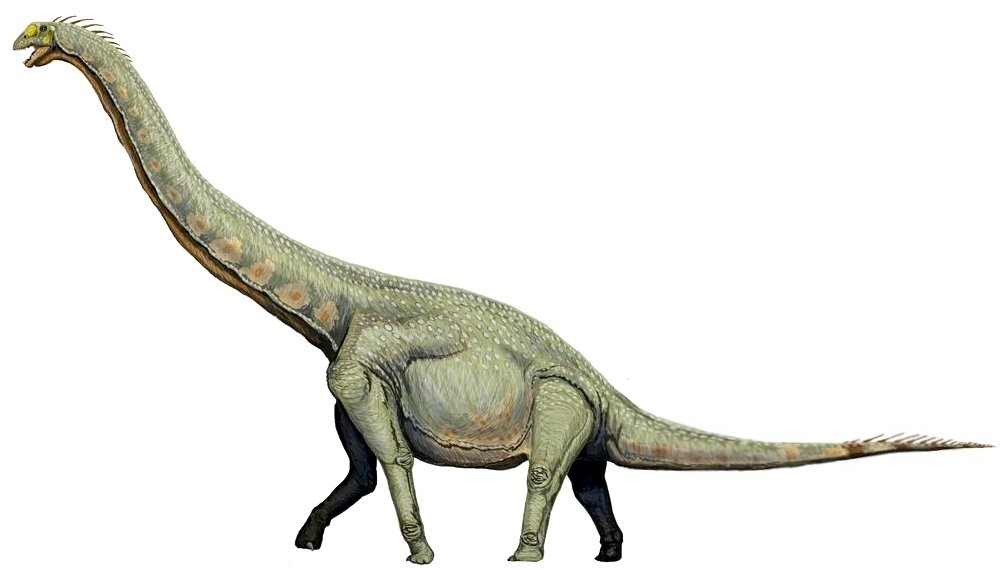
The skin of sauropods was adorned with scales, much like modern reptiles. These scales weren’t just for protection; they played a significant role in thermoregulation. The structure and arrangement of scales could have influenced how heat was absorbed or reflected. Some scientists speculate that these scales may have been similar to those of modern-day crocodiles, which are known for their heat management capabilities. The scales likely helped in regulating body temperature by providing a barrier against the sun while allowing for heat to dissipate efficiently when necessary.
Heat Management: A Matter of Life and Death
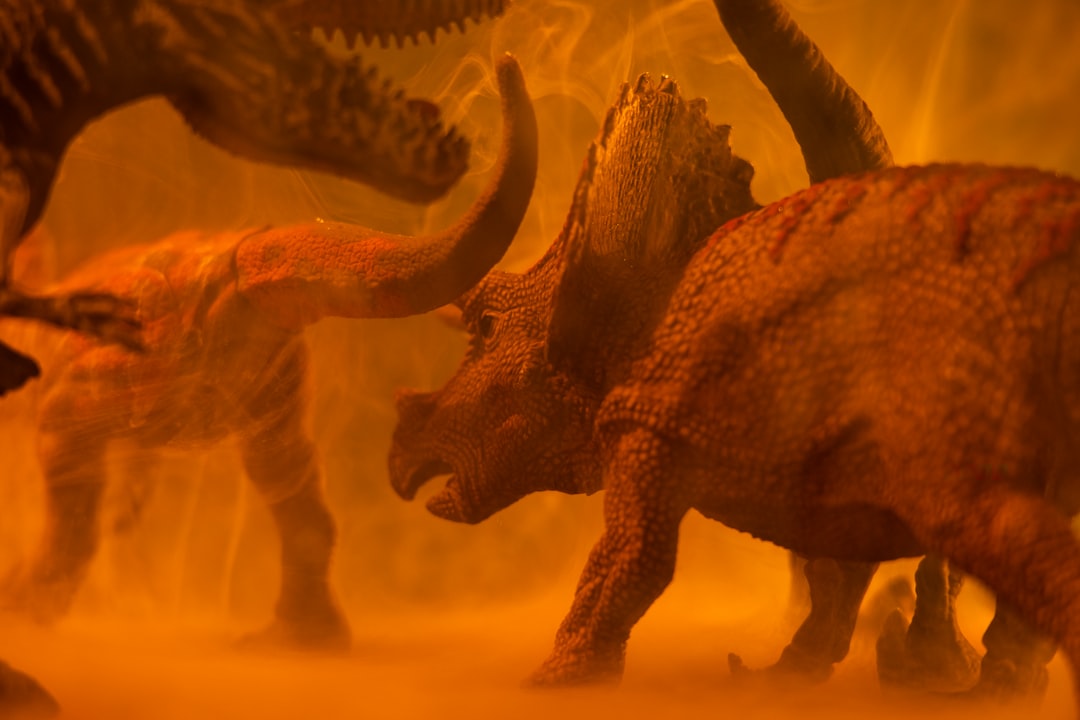
For sauropods, effective heat management was not just a matter of comfort; it was essential for survival. Overheating could lead to severe health issues or even death. These dinosaurs likely had to carefully balance their time in the sun and shade, much like modern reptiles. Moreover, their vast size would have required them to be strategic about when and where they moved. This careful heat management would have been crucial, especially in the hot, arid environments they often inhabited.
Comparative Insights: Lessons from Modern Giants
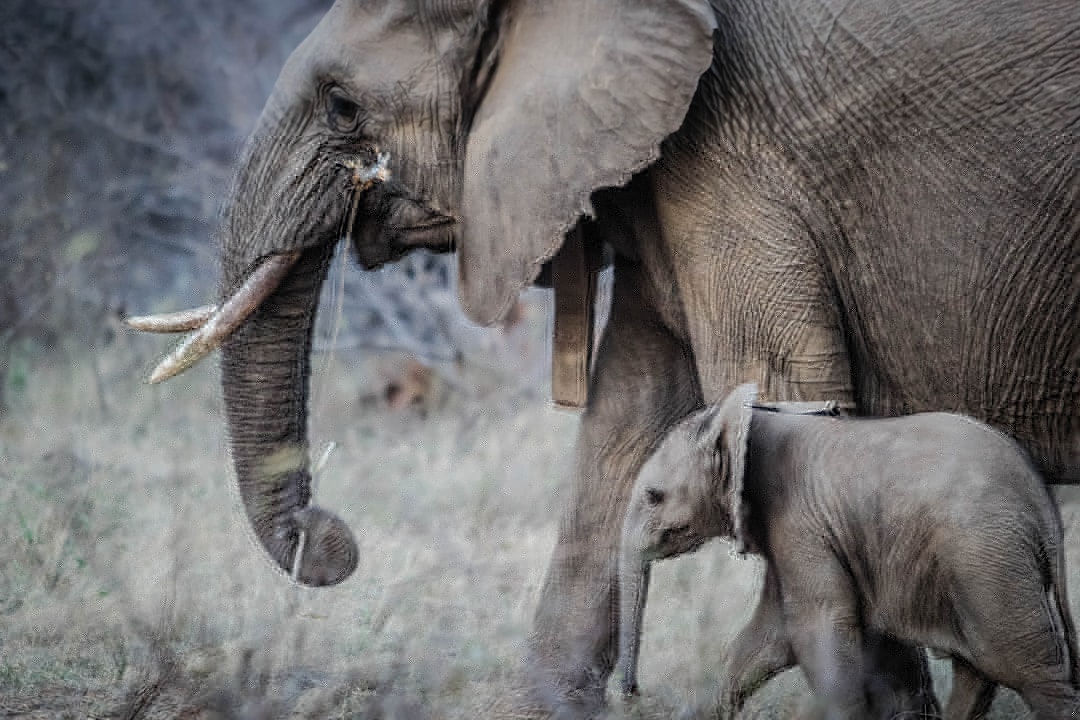
Looking at modern-day giants like elephants and hippos provides valuable insights into how sauropods might have managed their body heat. Elephants, for example, use their large ears to fan themselves, while hippos spend much of their time submerged in water to stay cool. While sauropods didn’t have such features, they might have used their long necks to reach water sources or shade. Studying these modern giants helps paleontologists draw parallels and make educated guesses about the behavior and adaptations of sauropods.
The Impact of Environment on Sauropod Thermoregulation
The environment played a critical role in how sauropods managed their body heat. During the Mesozoic era, the climate was generally warmer than today, with vast deserts and lush forests. These varying environments would have required sauropods to adapt their behavior and physical characteristics to survive. For instance, those living in forested areas might have relied more on shade, while desert-dwelling sauropods could have developed lighter skin colors to reflect sunlight. The interplay between environment and physical adaptation was likely a key factor in their survival.
Fossil Evidence: Clues from the Past

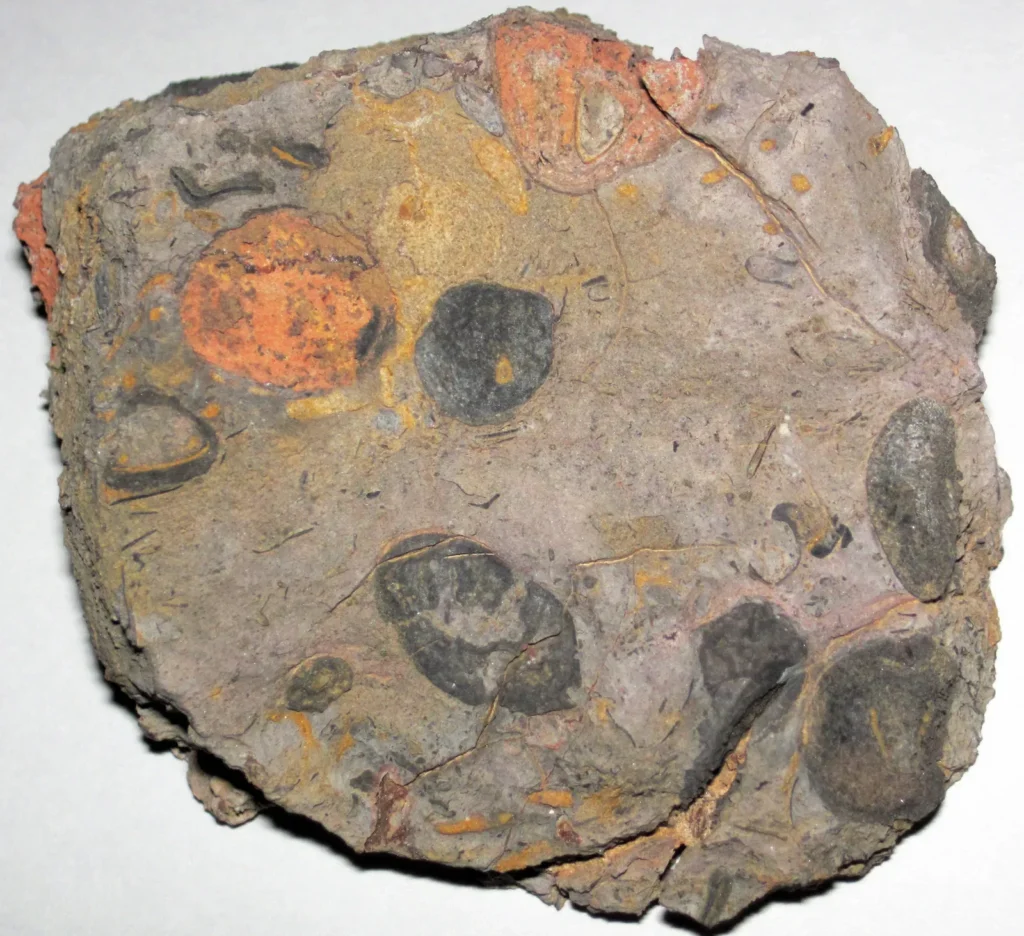
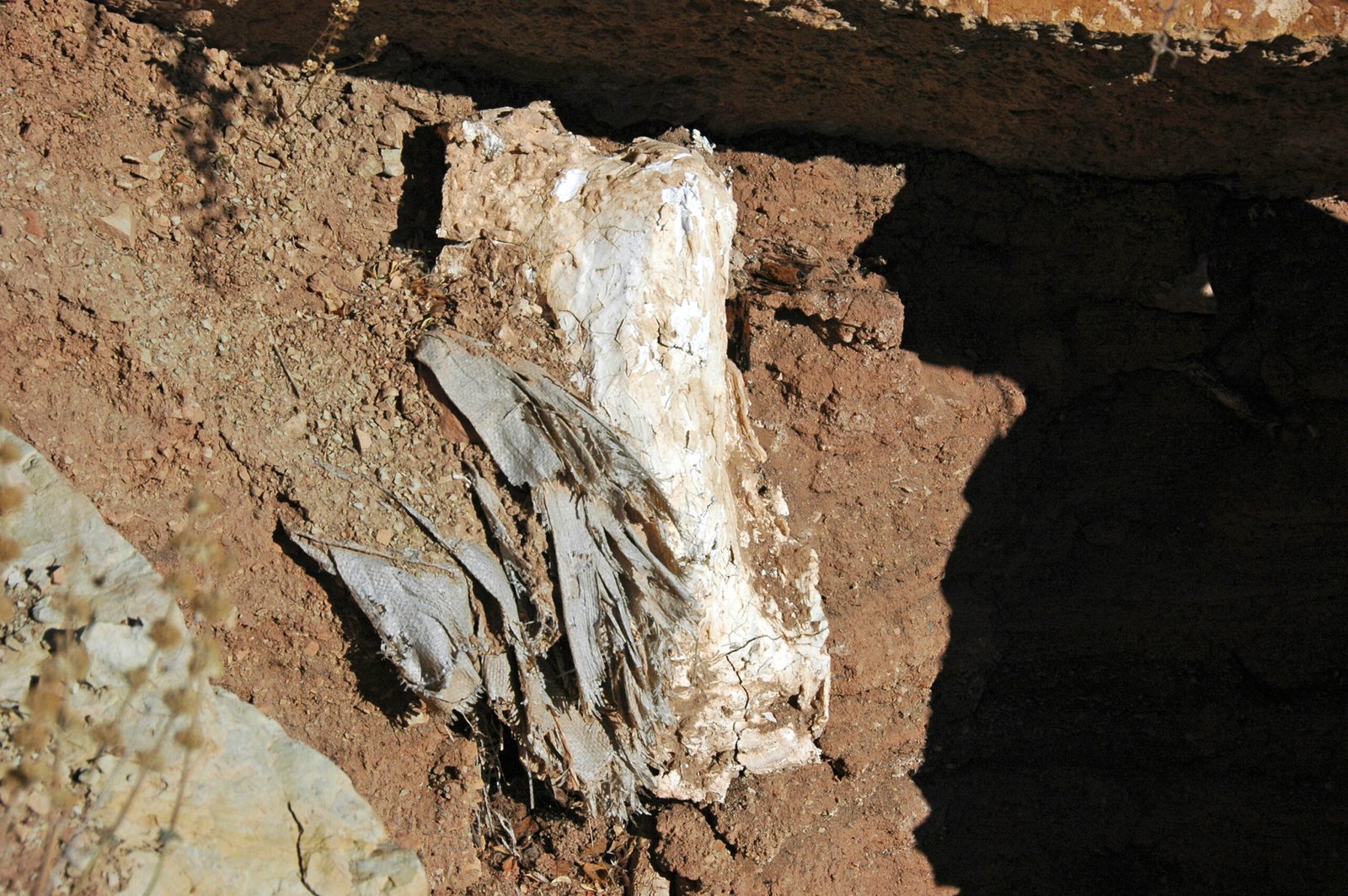
Fossils provide the most direct evidence of sauropod skin and scales. Impressions of skin found in fossilized remains give scientists a glimpse into the texture and pattern of sauropod scales. These fossils reveal that sauropod skin was not uniform but varied between species and even individuals. The study of these fossils is like piecing together a giant jigsaw puzzle, helping scientists understand how these creatures lived and thrived. Each discovery adds a new piece to the complex picture of sauropod life.
The Role of Behavior in Heat Regulation
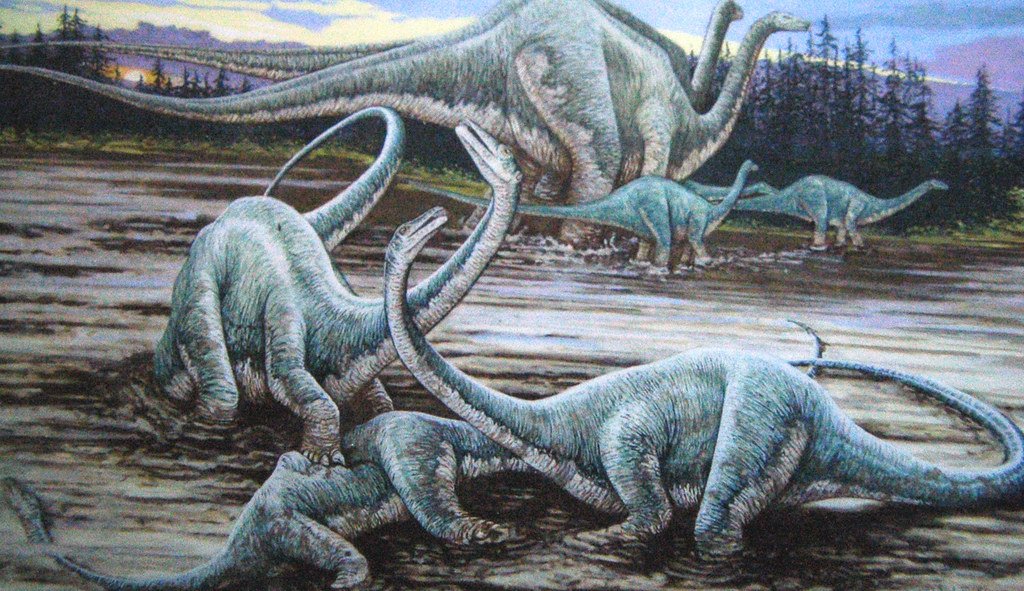
Behavior played a significant role in how sauropods managed their body temperature. Like modern reptiles, sauropods likely engaged in behaviors such as basking in the sun to warm up or seeking shade to cool down. Their migratory patterns might have been influenced by temperature, with sauropods moving to cooler areas during particularly hot periods. Understanding these behaviors provides a more comprehensive view of sauropod life and how they interacted with their environment.
Adaptations Beyond Scales: Internal Mechanisms
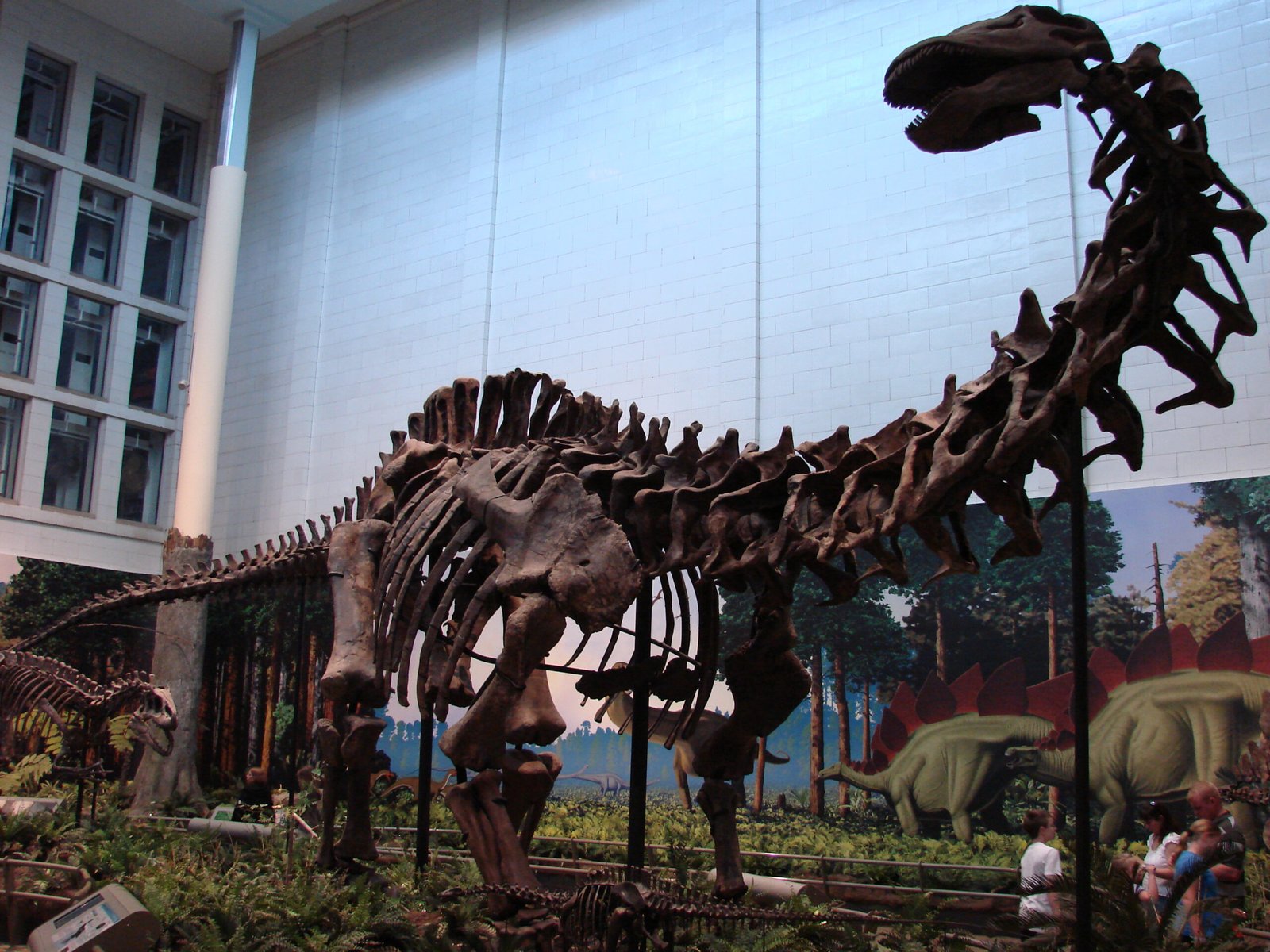
While scales played a critical role, internal adaptations were also essential for heat regulation. Sauropods might have had specialized blood vessels or other physiological features that helped manage their body temperature. Some scientists propose that their long necks and tails could have acted as heat exchangers, helping to dissipate excess heat. These internal mechanisms, combined with external adaptations, would have been crucial for maintaining a stable body temperature in various environmental conditions.
Controversies and Debates: The Ongoing Quest for Answers

The study of sauropod heat management is filled with debates and controversies. Some scientists argue that sauropods were warm-blooded, while others believe they were cold-blooded like modern reptiles. This ongoing debate influences how researchers interpret fossil evidence and understand sauropod biology. Despite the disagreements, one thing is clear: sauropods were incredibly successful at managing their body heat, allowing them to thrive for millions of years. The quest for answers continues, with each new discovery adding to our understanding of these magnificent creatures.
The Legacy of Sauropod Adaptations
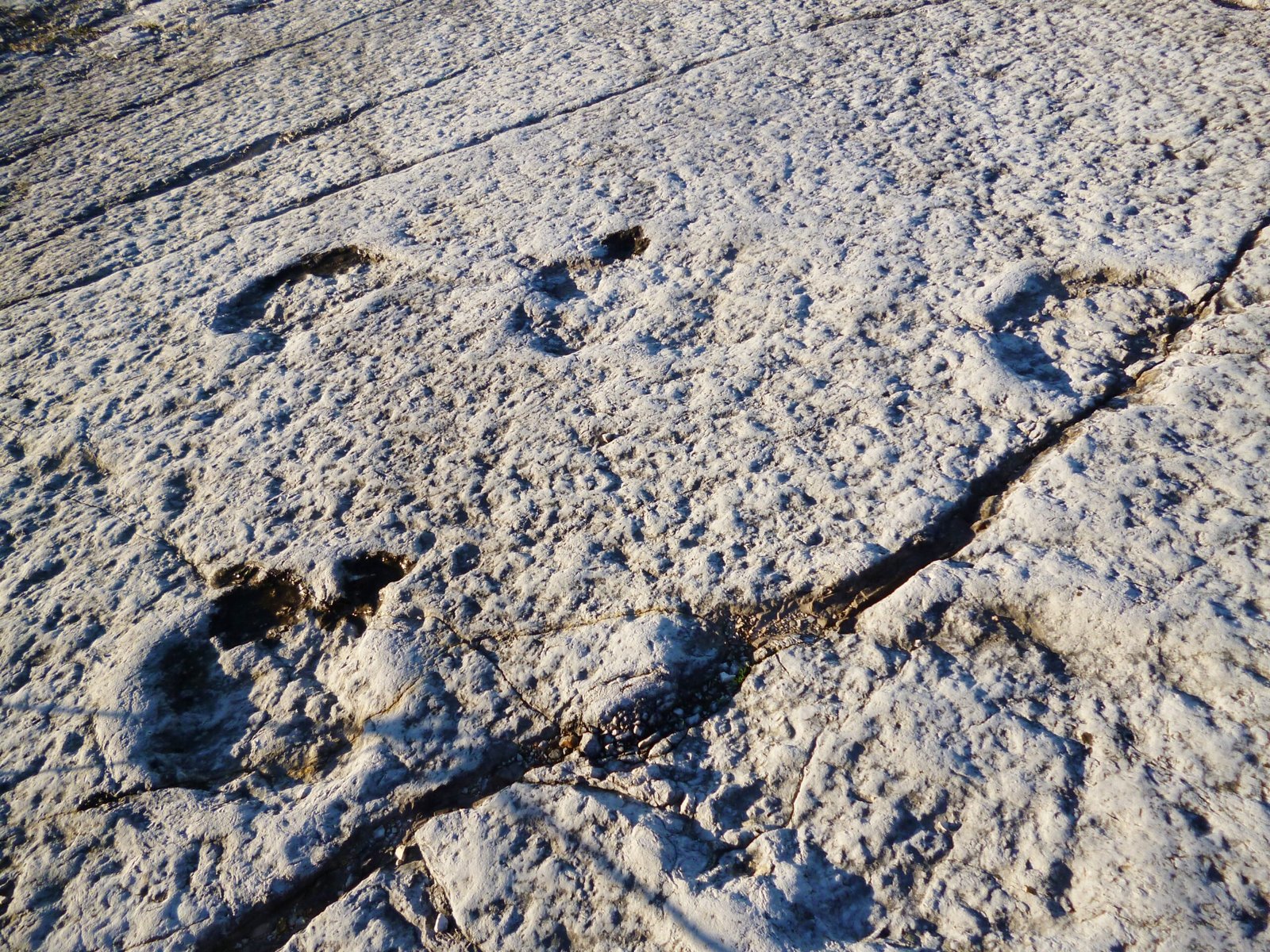
The adaptations that allowed sauropods to manage their body heat are a testament to the incredible diversity and ingenuity of life on Earth. These giants were masters of their environment, using a combination of physical adaptations and behaviors to thrive in a challenging world. Their legacy continues to inspire scientists and nature enthusiasts alike, reminding us of the wonders of evolution and the complexity of life. As we uncover more about these ancient giants, we gain a deeper appreciation for the delicate balance of life and the intricate adaptations that make survival possible.