
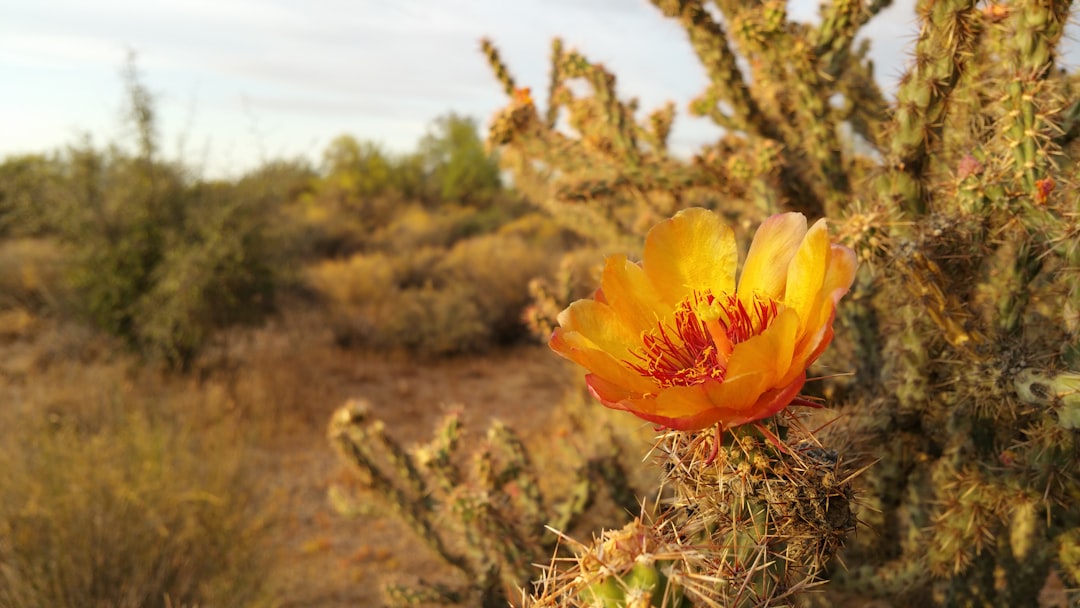
Imagine wandering through the vast expanse of the Sonoran Desert, where the air shimmers with heat and the landscape is dotted with vibrant flowers. These blossoms, like the desert’s own jewels, rely on a delicate dance with pollinators to thrive. But what if the dance partners—the bees, bats, and butterflies—start disappearing? The implications are more profound than you might think, and the survival of this unique ecosystem hangs in the balance.
The Vital Role of Pollinators in the Sonoran Desert
Pollinators are the unsung heroes of the desert. They flit from flower to flower, transferring pollen and enabling plants to produce seeds and fruit. Without them, many plants in the Sonoran Desert would struggle to reproduce. This intricate relationship has evolved over millions of years, with pollinators like bees, bats, and hummingbirds adapting to the desert’s harsh conditions. Each species plays a critical role, and their absence would ripple through the ecosystem, affecting not just plants but the animals and humans who rely on them.
Bees: The Tireless Workers
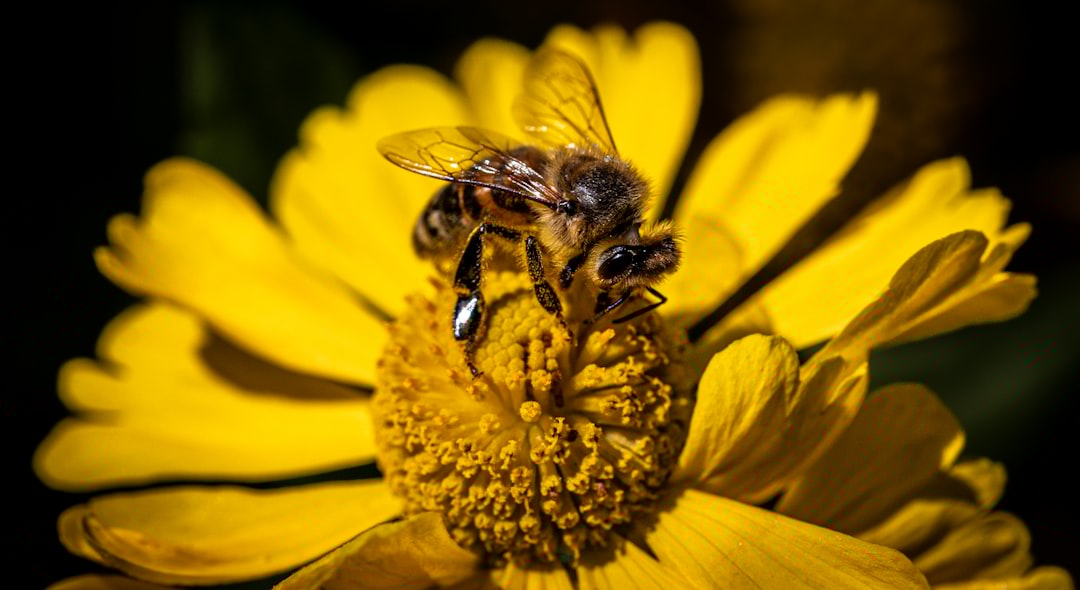
Bees are among the most efficient pollinators in the Sonoran Desert. Their fuzzy bodies are perfect for collecting pollen, which they inadvertently spread as they forage for nectar. Bees are responsible for pollinating a wide variety of desert plants, including cacti and wildflowers. However, their populations are under threat from habitat loss, pesticides, and climate change. As bees disappear, the flowers they pollinate may fail to set seed, leading to a decline in plant diversity and abundance.
Bats: The Nighttime Pollinators
While bees work by day, bats take over at night. These nocturnal creatures are essential for pollinating night-blooming plants, such as the saguaro cactus and agave. Bats are drawn to these flowers by their strong scents and ample nectar. Unfortunately, bat populations are declining due to habitat destruction and disease. Without bats, many of the desert’s iconic plants would struggle to reproduce, altering the landscape and impacting other species that depend on them.
Butterflies: The Delicate Dancers
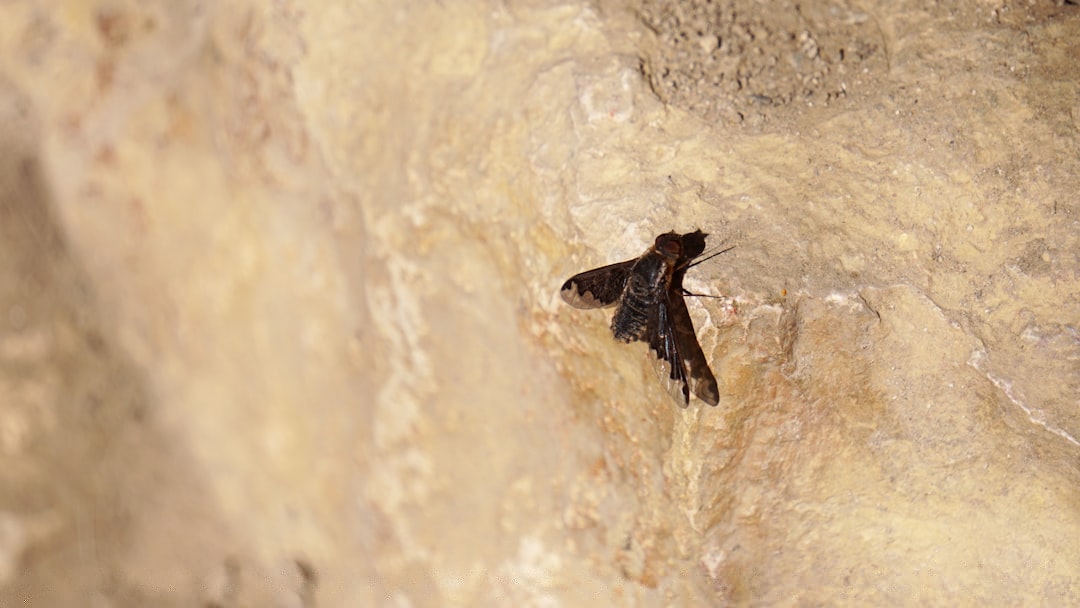
Butterflies add a splash of color to the desert landscape, but they are more than just pretty visitors. These delicate insects are important pollinators for many Sonoran Desert plants. As butterflies visit flowers to sip nectar, they inadvertently transfer pollen, aiding in plant reproduction. However, like bees and bats, butterflies face numerous threats, including habitat loss and climate change. Their decline could lead to fewer flowers and less food for other wildlife.
Climate Change: A Growing Threat
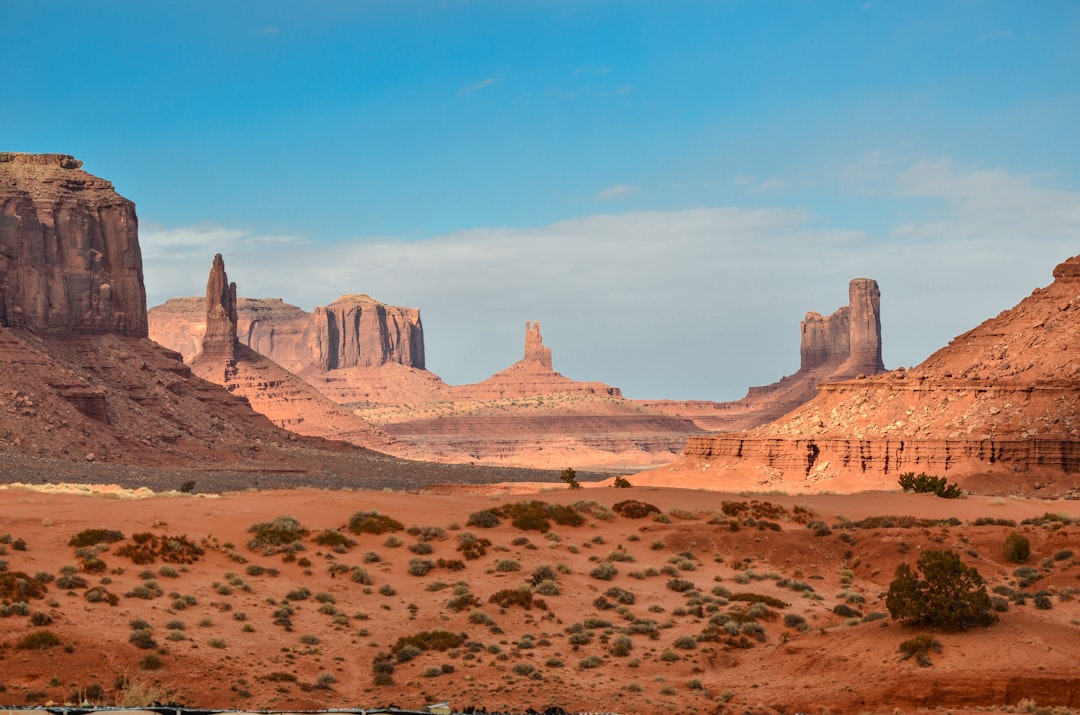
The Sonoran Desert is no stranger to extreme weather, but climate change is pushing conditions to new extremes. Rising temperatures and changing rainfall patterns are stressing both plants and pollinators. Many species are struggling to adapt to these rapid changes, leading to mismatches in timing between when flowers bloom and when pollinators are active. This disconnect can result in flowers being left unpollinated, affecting the entire ecosystem.
Human Impact: A Double-Edged Sword
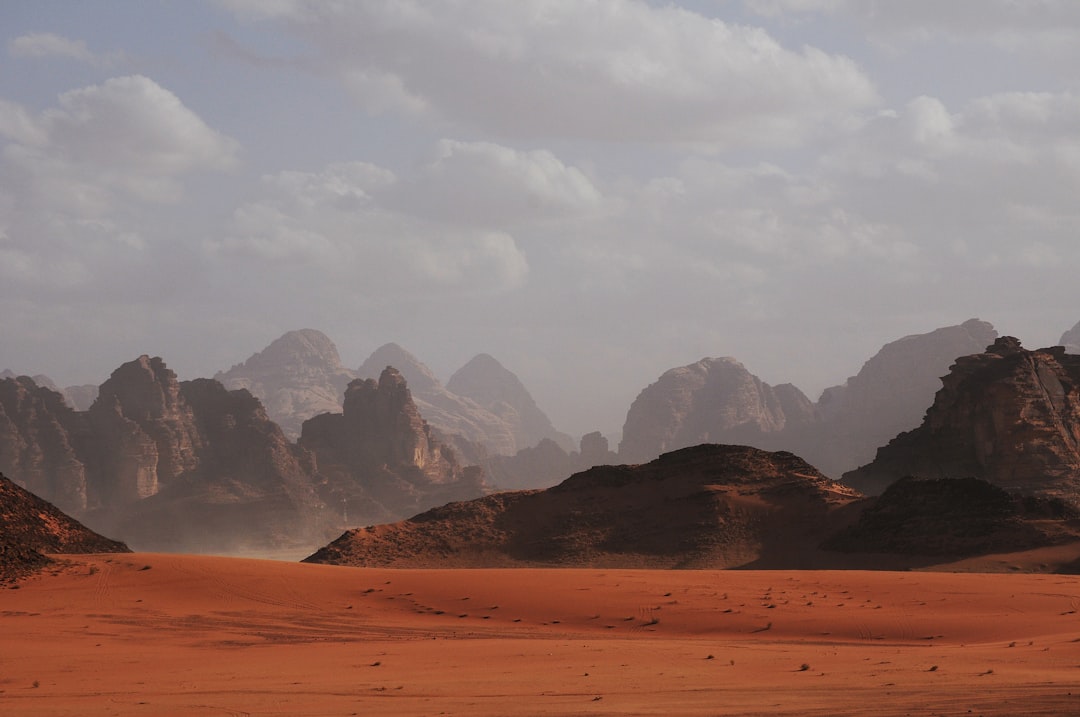
Human activities have a significant impact on the Sonoran Desert and its pollinators. Urbanization, agriculture, and mining can destroy or fragment habitats, making it difficult for pollinators to find food and nesting sites. Pesticides used in agriculture can also harm pollinators, reducing their numbers. While human actions have contributed to the decline of pollinators, they also hold the key to their recovery. Conservation efforts and sustainable practices can help protect these vital species and the desert ecosystem.
The Importance of Biodiversity
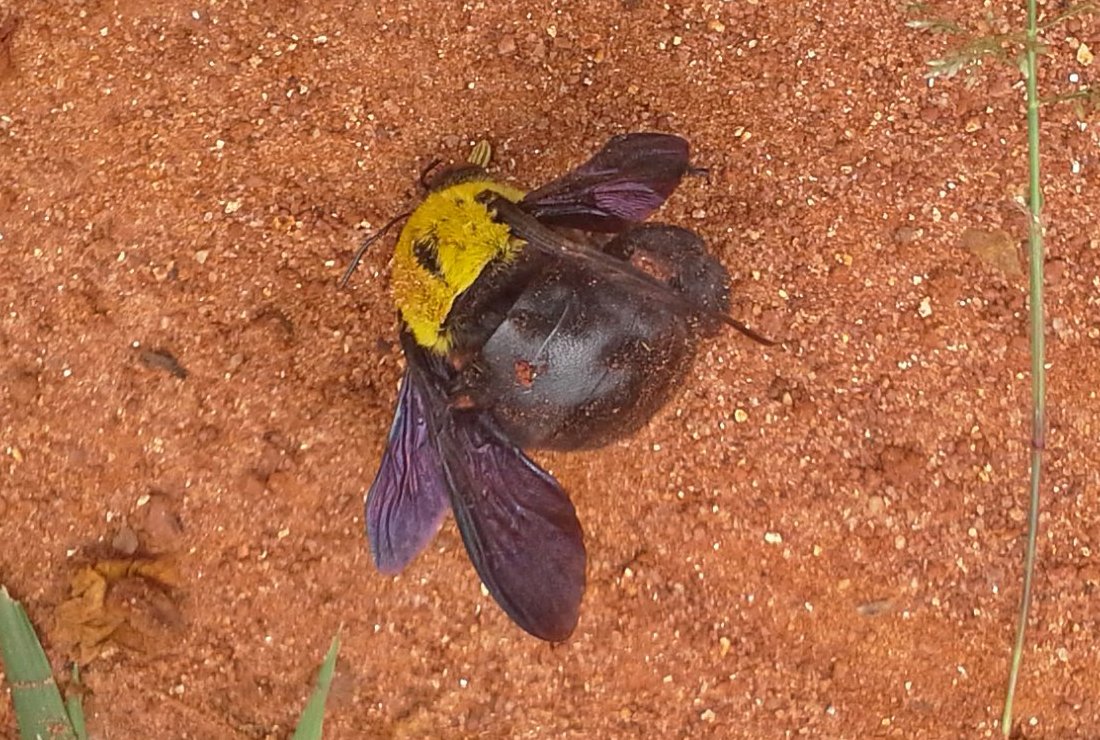
Biodiversity is the backbone of a healthy ecosystem. In the Sonoran Desert, a diverse array of plants and animals work together to maintain ecological balance. Pollinators play a crucial role in this web of life, and their loss would have far-reaching consequences. Reduced biodiversity can lead to less resilient ecosystems, making them more vulnerable to disease, pests, and climate change. Protecting pollinators is essential for preserving the desert’s rich biodiversity and ensuring its resilience.
Conservation Efforts: A Ray of Hope
Despite the challenges, there is hope for the pollinators of the Sonoran Desert. Conservation efforts are underway to protect and restore habitats, reduce pesticide use, and raise awareness about the importance of pollinators. Organizations and individuals are working together to create pollinator-friendly gardens and preserve wild spaces. These efforts are crucial for ensuring the survival of pollinators and the plants they support, safeguarding the future of the desert ecosystem.
The Ripple Effect on Other Species
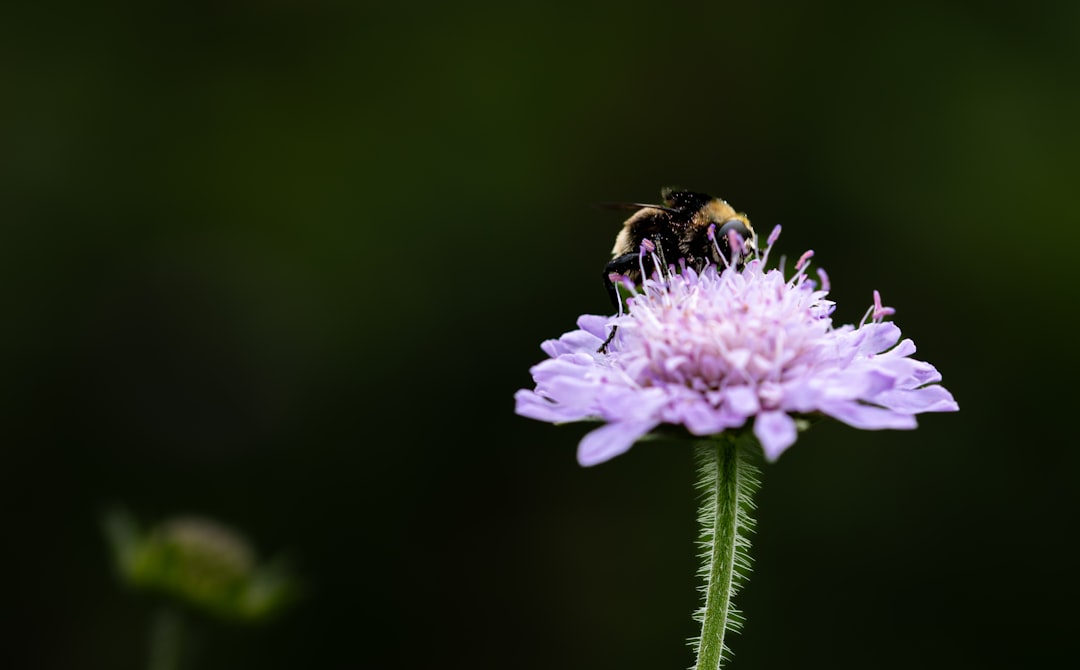
The decline of pollinators doesn’t just affect plants; it has a ripple effect on other species as well. Many animals rely on the fruits and seeds produced by pollinated plants for food. Birds, mammals, and reptiles all depend on these resources, and their populations could suffer if pollinators disappear. Additionally, humans rely on pollinators for crops and other plant-based products. The loss of pollinators could have serious implications for food security and the economy.
The Call to Action: Protecting Our Pollinators
The disappearance of pollinators in the Sonoran Desert is a cause for concern, but it also presents an opportunity for action. By protecting pollinators, we can help preserve the delicate balance of the desert ecosystem. Simple actions like planting native flowers, reducing pesticide use, and supporting conservation initiatives can make a difference. As stewards of the environment, it is our responsibility to ensure that the flowers of the Sonoran Desert are never left waiting. What steps can you take to protect these vital creatures?