Imagine a world where robots dive into the ocean’s depths, tirelessly working to save one of Earth’s most precious ecosystems: coral reefs. It’s not a scene from a sci-fi movie, but a reality shaped by the urgent need to combat coral degradation. Coral reefs, often dubbed the rainforests of the sea, play a crucial role in supporting marine biodiversity. However, they face threats from climate change, pollution, and overfishing. Enter technology, with its promise of innovative solutions that can outpace traditional methods. But how exactly are robot divers and drone reefs making waves in coral conservation?
The Plight of Coral Reefs
Coral reefs are under siege, and their plight is a cause for global concern. These vibrant underwater ecosystems, which cover less than 1% of the ocean floor, support approximately 25% of marine life. Yet, rising sea temperatures, ocean acidification, and human activities are wreaking havoc. Coral bleaching, a phenomenon where stressed corals expel the algae living in their tissues, is becoming alarmingly common. Without these algae, corals lose their color and, more importantly, their main source of food. If conditions don’t improve, reefs can die, leading to a domino effect on the marine species that depend on them. The urgency to protect these ecosystems is palpable, and technology is stepping in to help.
Robot Divers: The New Guardians of the Deep
Enter robot divers, the unsung heroes of coral restoration. These autonomous machines are designed to operate in the challenging underwater environment, where human divers can only spend limited time. Equipped with cameras and sensors, robot divers can monitor reef health, detect signs of bleaching, and even plant coral fragments. Unlike human divers, robots can work tirelessly, day and night, covering vast areas more efficiently. They can access deeper parts of the ocean where human intervention is limited. As technology advances, these robots are becoming more adept at identifying specific coral species and determining the best restoration strategies.
Drone Reefs: Building Coral Habitats from Above
While robot divers work beneath the waves, drones are taking to the skies to aid coral restoration from above. Drone reefs involve the use of aerial drones equipped with high-resolution cameras and mapping software. These drones can quickly survey large areas, identifying damaged reefs and pinpointing locations for restoration efforts. By creating detailed maps, drones provide invaluable data that helps scientists understand the extent of coral damage and prioritize areas for intervention. This bird’s-eye view is crucial for planning large-scale restoration projects and ensuring resources are used effectively.
3D Printing: Crafting Coral Structures
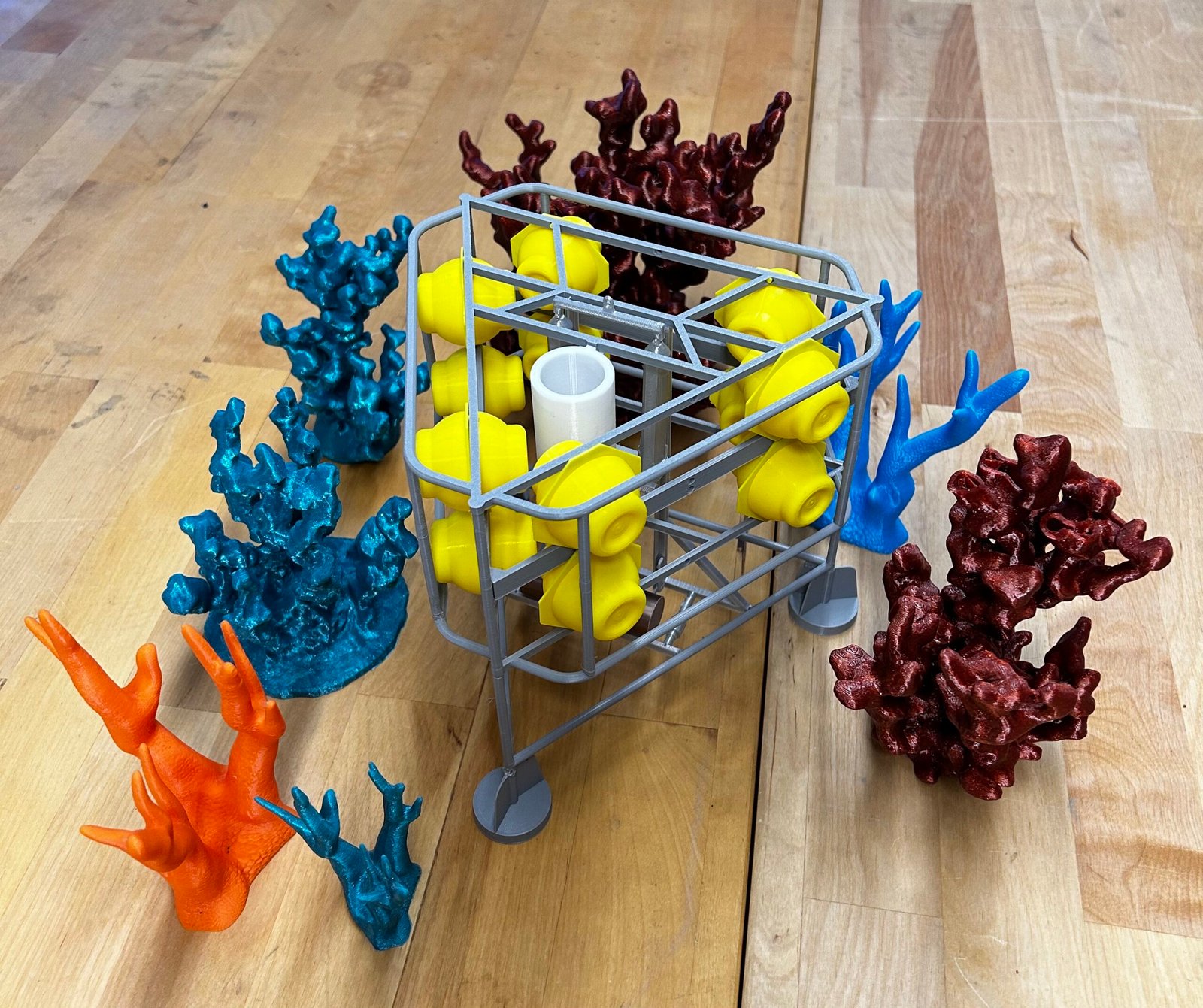
3D printing technology is making a splash in coral conservation by creating artificial structures that mimic natural reefs. These structures provide a foundation for coral larvae to attach and grow. Made from eco-friendly materials, 3D-printed reefs are designed to withstand harsh ocean conditions while promoting coral growth. By customizing the shape and texture of these structures, scientists can encourage specific coral species to thrive. This innovative approach not only speeds up the restoration process but also offers a sustainable solution to reef degradation.
Artificial Intelligence: Analyzing Coral Health
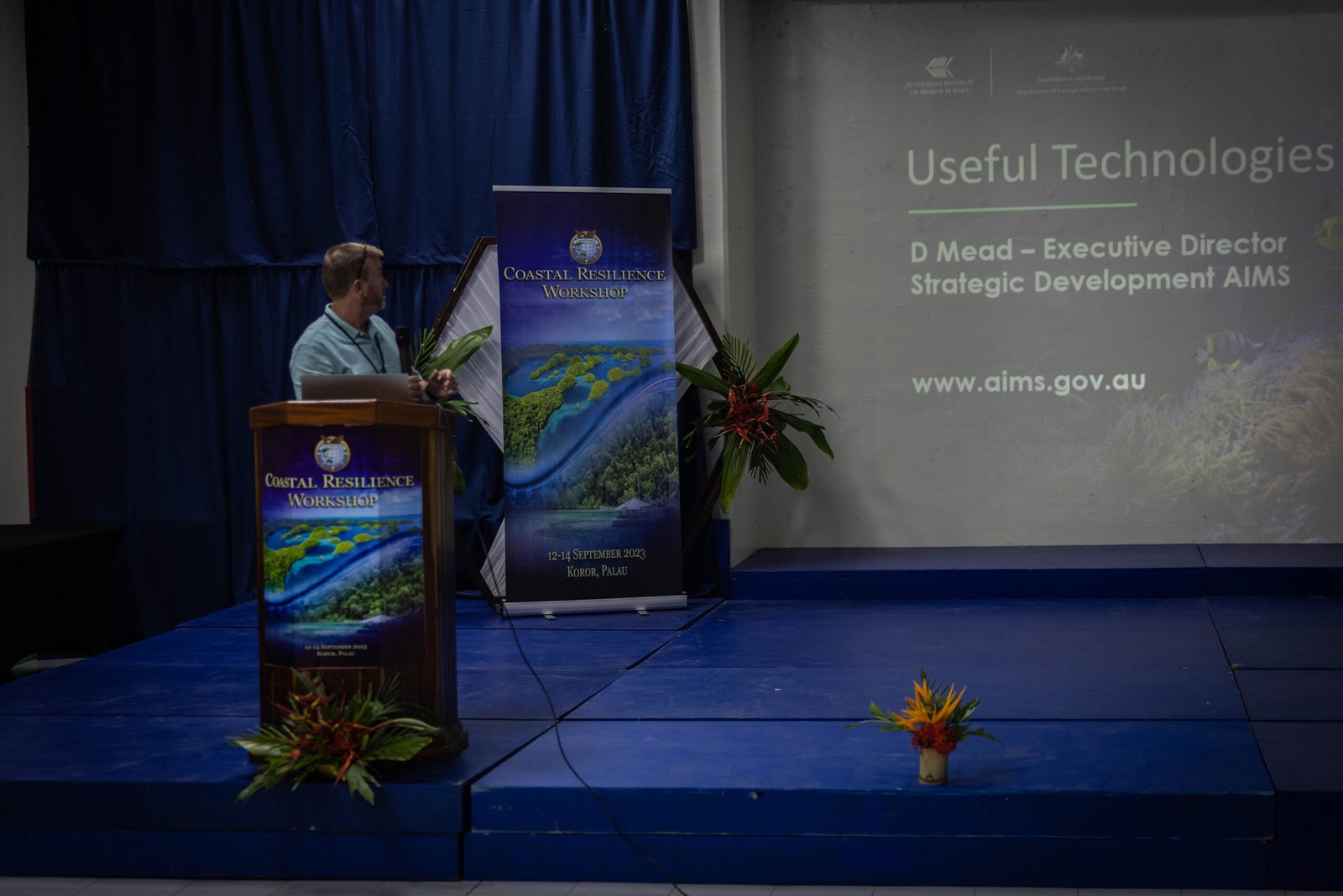
Artificial intelligence (AI) is playing a pivotal role in assessing coral health and predicting future threats. By analyzing data collected from robots and drones, AI algorithms can identify patterns and trends that may indicate coral stress. This predictive capability allows scientists to take proactive measures, such as relocating vulnerable corals or adjusting restoration strategies. AI can also assist in monitoring environmental conditions, such as water temperature and acidity, providing real-time insights that inform conservation efforts. As AI technology continues to evolve, its potential to revolutionize coral conservation is immense.
The Role of Citizen Scientists
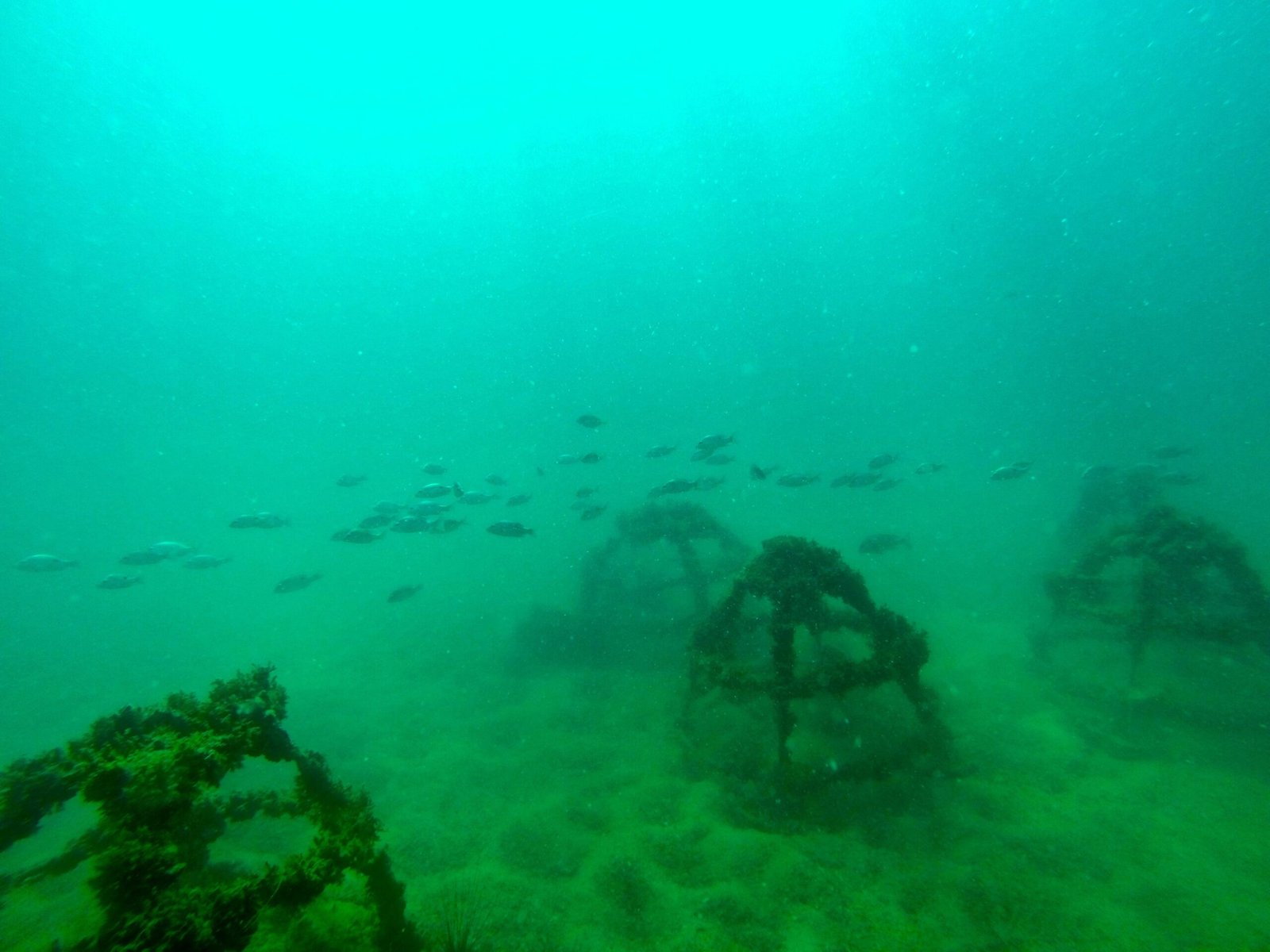
While technology is a powerful tool, it is not a substitute for human involvement. Citizen scientists—volunteers who contribute to scientific research—play a vital role in coral conservation. Armed with smartphones and underwater cameras, these ocean enthusiasts collect data on reef conditions, which is then analyzed by scientists. This collaborative effort not only expands the reach of research but also raises public awareness about the importance of coral reefs. By engaging people from all walks of life, citizen science fosters a sense of stewardship and encourages communities to take action.
Biodegradable Coral Nurseries
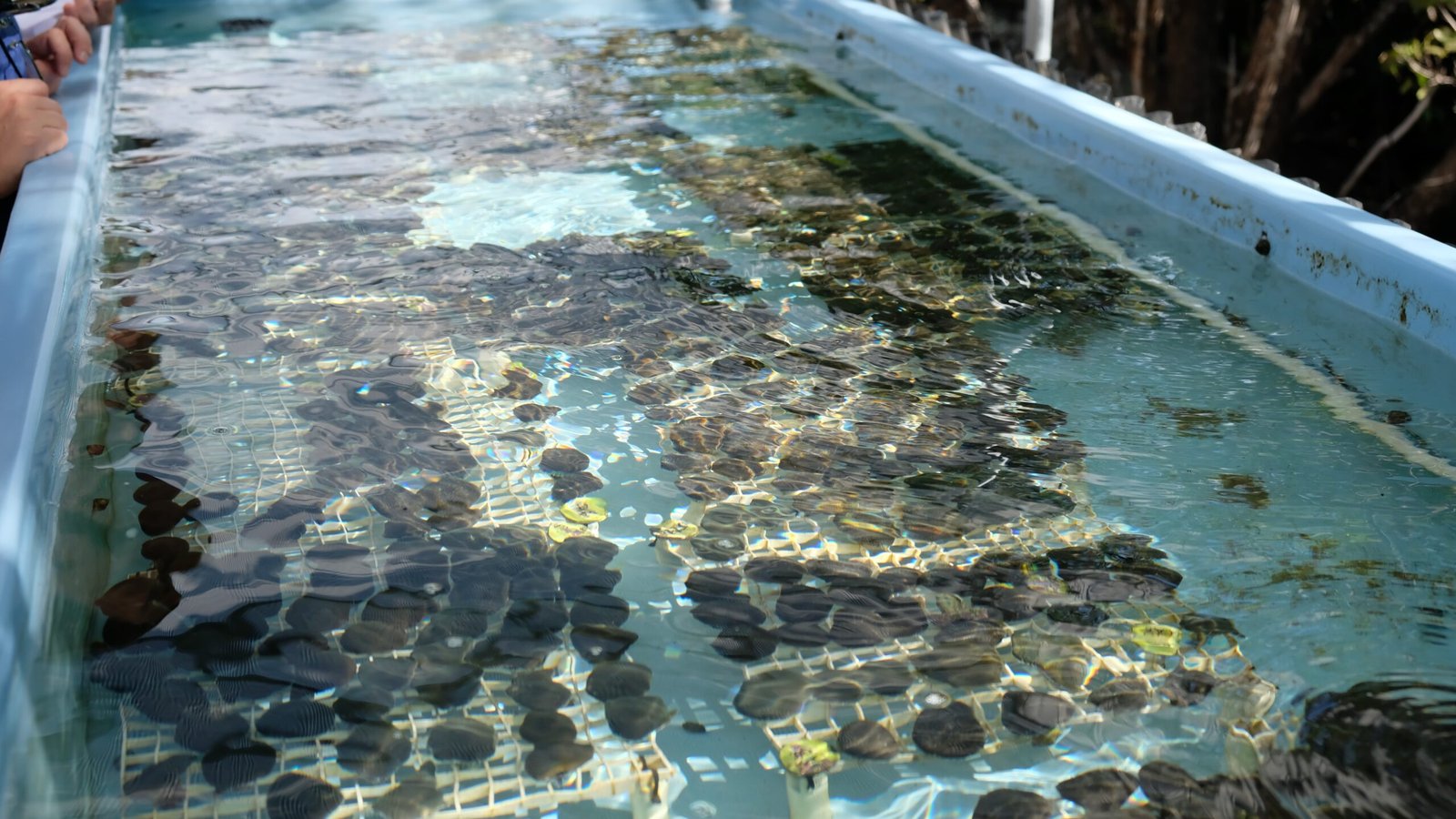
Biodegradable coral nurseries are emerging as a promising solution for reef restoration. These nurseries provide a controlled environment where coral fragments can grow before being transplanted to damaged reefs. Made from natural materials that decompose over time, biodegradable nurseries minimize environmental impact. This approach allows corals to develop strong foundations, increasing their chances of survival in the wild. By combining traditional aquaculture techniques with modern materials, biodegradable nurseries offer a sustainable and scalable method for coral restoration.
Challenges and Limitations
Despite the advancements in technology, coral restoration is not without its challenges. The high cost of developing and deploying robotic and drone technologies can be a barrier for widespread adoption. Additionally, the complexity of marine ecosystems means that restoration efforts must be carefully planned and executed to avoid unintended consequences. There is also the challenge of ensuring that restored reefs can withstand future environmental changes. While technology offers promising solutions, it is not a panacea. Long-term success requires a holistic approach that addresses the root causes of coral degradation, such as climate change and pollution.
Collaboration: The Key to Success
Collaboration between scientists, governments, and communities is essential for the success of coral restoration efforts. By pooling resources and expertise, stakeholders can develop innovative solutions and implement them on a larger scale. International cooperation is particularly important, as coral reefs are a global resource that transcends national boundaries. Collaborative projects, such as the Global Coral Restoration Project, are bringing together experts from around the world to share knowledge and best practices. By working together, we can create a brighter future for coral reefs and the countless species that depend on them.
The Future of Coral Conservation
The future of coral conservation is bright, thanks to the convergence of technology and human ingenuity. As we continue to develop and refine our tools, we are better equipped to protect and restore these vital ecosystems. However, technology alone cannot save coral reefs. It is up to each of us to make conscious choices that reduce our environmental impact and support conservation efforts. By embracing innovation and fostering a sense of stewardship, we can ensure that coral reefs continue to thrive for generations to come. What role will you play in this critical mission?