Australia, a land of diverse ecosystems and unique wildlife, was once home to some of the most astonishing creatures that ever roamed the Earth. Imagine a time when gigantic birds with thunderous wingspans soared through the skies, and formidable marsupial lions prowled the dense forests. These awe-inspiring animals, now extinct, paint a vivid picture of a prehistoric Australia that was as thrilling as it was mysterious. But what were these creatures really like, and how did they shape the landscape of their time? Let’s embark on a journey back in time to explore this fascinating era.
The Mighty Thunderbirds of Australia

The giant thunderbirds, known scientifically as Dromornithidae, were flightless birds that towered over the landscape. These colossal creatures, reminiscent of the ostriches and emus of today, could reach heights of up to three meters. Their massive beaks and strong legs made them formidable grazers and potential predators. Imagine standing beside a bird that could look you in the eye and match your height. The mere thought is enough to send shivers down the spine of any bird enthusiast.
The Enigmatic Marsupial Lions

Marsupial lions, scientifically named Thylacoleo carnifex, were fearsome predators that roamed the Australian wilderness. Unlike the lions of the African savanna, these marsupials had powerful jaws with blade-like teeth designed for slicing through flesh. They were adept climbers, using their retractable claws to navigate trees and ambush prey from above. Picture a creature with the stealth of a cat and the power of a bear—a true apex predator of its time.
Adaptations to a Changing Climate
Both the thunderbirds and marsupial lions had to adapt to the ever-changing Australian climate. During their reign, Australia experienced significant shifts in climate, from lush rainforests to arid deserts. These creatures evolved unique characteristics to survive, such as the thunderbirds’ robust legs for long-distance travel and the marsupial lions’ keen sense of smell to locate hidden prey. Their adaptability is a testament to the resilience of life in the face of adversity.
The Role of Megafauna in Ecosystems
The presence of such large animals had a profound impact on the ecosystems they inhabited. Thunderbirds, with their grazing habits, helped shape the vegetation patterns, while marsupial lions maintained the balance of prey populations. These megafauna played critical roles in nutrient cycling and habitat formation, much like elephants and big cats do in today’s ecosystems. Their extinction left a void that altered the ecological dynamics of the region.
Reasons Behind Their Extinction

The extinction of these magnificent creatures remains a subject of scientific inquiry and debate. Several theories suggest that a combination of climate change, human activity, and ecological shifts contributed to their demise. As humans arrived on the continent, they brought with them new hunting techniques and land management practices that may have disrupted the natural balance. The disappearance of these animals serves as a poignant reminder of the impact human actions can have on biodiversity.
Fossil Discoveries and Scientific Insights

Fossil evidence has been instrumental in unraveling the mysteries of these ancient creatures. Sites like Riversleigh in Queensland have yielded remarkable fossils, providing insights into their anatomy, behavior, and environment. Paleontologists meticulously study these remains to reconstruct the lives of thunderbirds and marsupial lions, piecing together the puzzle of Australia’s prehistoric past. Each discovery adds a new chapter to the story of these enigmatic giants.
Modern Connections to Ancient Giants
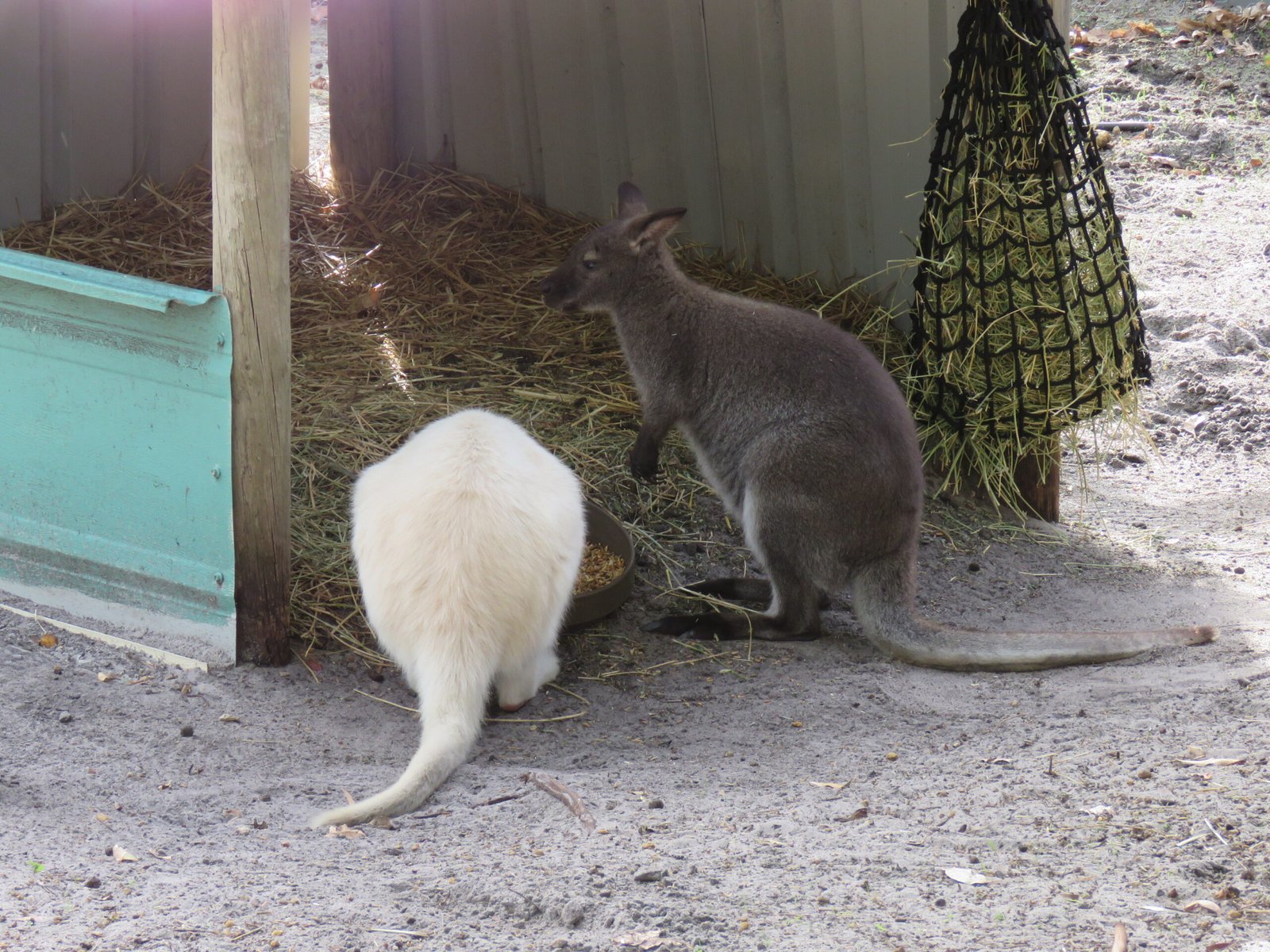
While the thunderbirds and marsupial lions are long gone, their legacy lives on in the descendants of other Australian wildlife. Birds like the emu and cassowary share a lineage with the ancient thunderbirds, while marsupials like the koala and kangaroo carry the genetic echoes of their formidable ancestors. These connections remind us of the intricate web of life and the enduring influence of evolutionary history on present-day species.
The Cultural Significance of Megafauna
Indigenous Australian cultures have long held stories and myths about these giant creatures. Dreamtime stories often feature animals that resemble the thunderbirds and marsupial lions, highlighting their significance in cultural heritage. These narratives offer a rich tapestry of knowledge and tradition, providing a unique perspective on the natural world. The intertwining of science and culture enriches our understanding of these ancient beings.
The Fascination with Prehistoric Australia

The allure of prehistoric Australia captivates scientists and enthusiasts alike. From documentaries to museum exhibits, the stories of these ancient giants continue to inspire awe and curiosity. The fascination lies not only in the creatures themselves but also in the broader context of evolution, adaptation, and extinction. Exploring this lost world invites us to reflect on the fragility of life and the ever-changing nature of our planet.
Reflections on a Lost World
As we delve into the world of giant thunderbirds and marsupial lions, we are reminded of the incredible diversity that once existed on our planet. Their stories offer valuable lessons about adaptation, resilience, and the interconnectedness of all living things. The echoes of their footsteps in the past challenge us to consider our role in preserving the natural world for future generations. What legacy will we leave for those who come after us?