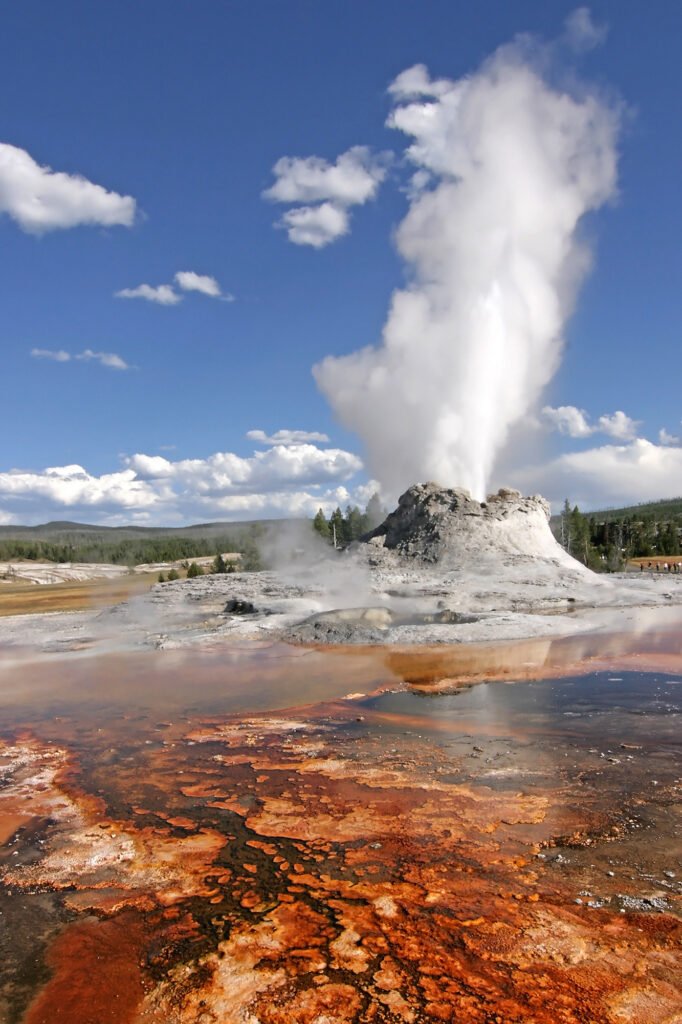
The ocean, a vast and mysterious entity, is warming at an alarming rate, causing many marine creatures to face the heat in ways they never have before. As climate change alters the temperatures of our oceans, some fish species are evolving to adapt and survive. This transformation is not just a fascinating glimpse into nature’s resilience but also a crucial survival mechanism in a rapidly changing world. Imagine fish that can thrive in waters that are hotter than ever before. It’s not science fiction—it’s happening right now.
The Heat is On: Rising Ocean Temperatures
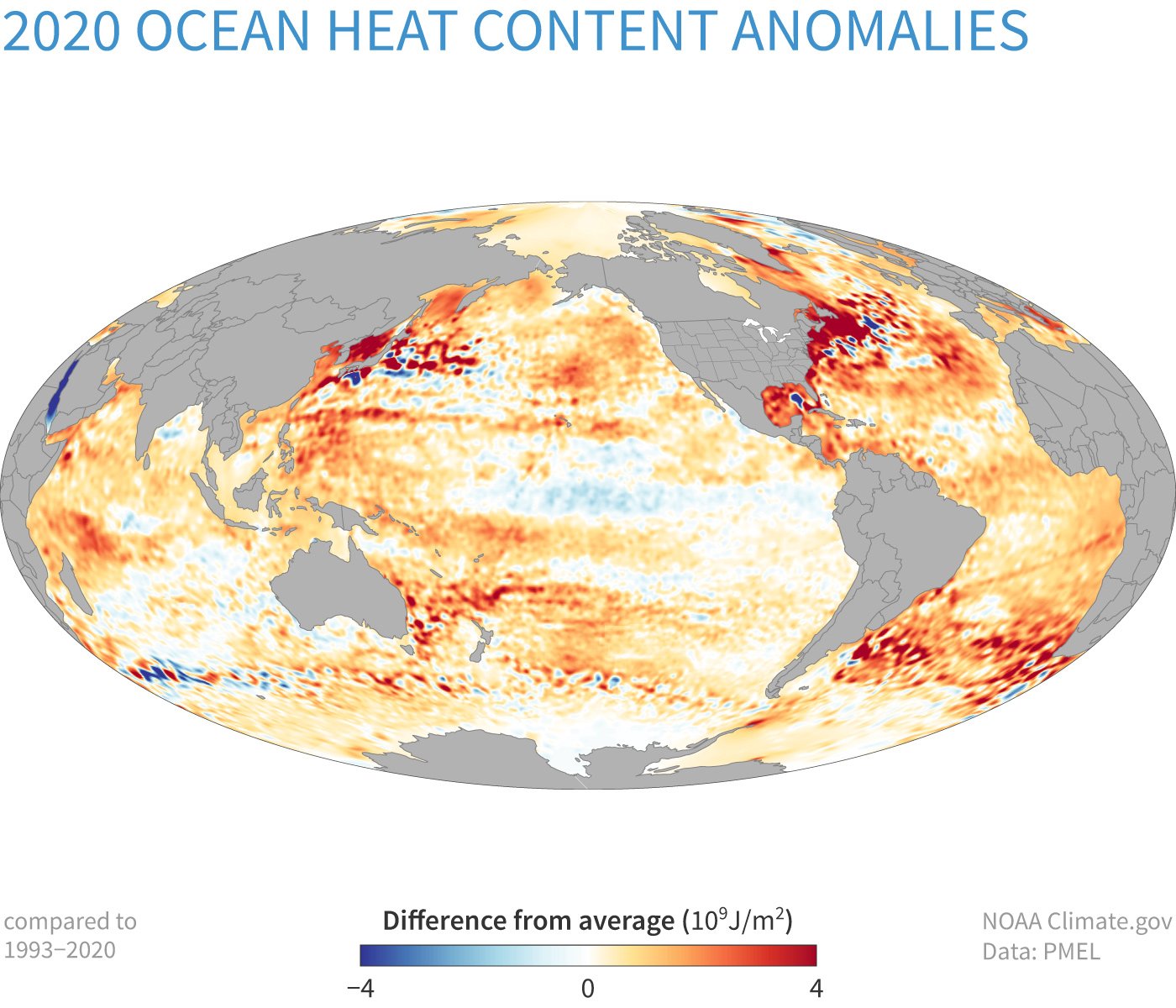
The Earth’s oceans are warming faster than previously predicted, with average sea temperatures rising steadily over recent decades. This warming trend is primarily driven by human activity, particularly the burning of fossil fuels that release greenhouse gases into the atmosphere. These gases trap heat, leading to global warming, which in turn heats up the oceans. This change in temperature is not just a number on a thermometer; it has profound effects on marine life, ecosystems, and the overall health of the planet. Warmer waters can lead to coral bleaching, shifts in species distribution, and changes in migration patterns.
Survival of the Fittest: Evolution in Action
In response to these rising temperatures, some marine species are evolving to survive. Evolution is a slow process, often taking thousands or even millions of years. However, the rapid pace of climate change has accelerated this process for many marine organisms. Fish that can adapt to warmer waters are more likely to survive and reproduce, passing their heat-tolerant genes to the next generation. This natural selection is a testament to the power and resilience of nature, as species fight to maintain their place in the ecosystem.
Adaptive Traits: What Makes a Fish Heat-Resilient?
Certain traits make some fish better equipped to handle hotter waters. For example, some species have developed the ability to regulate their body temperature more efficiently, allowing them to function in warmer environments. Others have evolved changes in their cellular structure or biochemical pathways that enable them to tolerate higher temperatures. These adaptations are crucial for survival, as they allow fish to maintain their metabolic processes and avoid overheating. It’s like a natural air conditioning system that keeps them cool even when the ocean turns up the heat.
Real-World Examples: Fish on the Frontline
There are several species that showcase these remarkable adaptations. The Atlantic cod, for instance, has shown genetic changes that allow it to thrive in warmer waters. Similarly, the coral reef fish, such as the damselfish, have exhibited increased heat tolerance, enabling them to survive in bleaching-prone environments. These examples highlight the incredible adaptability of marine life and offer hope that some species may continue to thrive despite the challenges posed by climate change.
The Role of Genetics: Unraveling the DNA of Adaptation
Understanding the genetic basis of these adaptations is key to predicting how marine species will respond to future climate changes. Scientists are studying the genomes of heat-resistant fish to identify specific genes and pathways that confer thermal tolerance. This research not only sheds light on the mechanisms of evolution but also provides valuable insights for conservation efforts. By identifying the genetic markers of heat resilience, we can better protect vulnerable species and ensure the sustainability of marine biodiversity.
Human Impact: How Our Actions Shape Marine Evolution
Human activities have a significant impact on the evolution of marine species. Overfishing, pollution, and habitat destruction exacerbate the effects of climate change, putting additional pressure on marine life. These stressors can accelerate evolutionary processes, as species must adapt quickly to survive. On the flip side, conservation efforts and sustainable practices can help mitigate these impacts, allowing marine ecosystems to recover and thrive. Our choices today will shape the future of ocean life for generations to come.
Conservation Efforts: Protecting Heat-Resilient Species
Efforts to conserve and protect heat-resilient species are crucial in the fight against climate change. Marine protected areas, sustainable fishing practices, and habitat restoration are some of the strategies being employed to safeguard these species. By preserving the genetic diversity and resilience of marine life, we can enhance the overall health and stability of ocean ecosystems. These efforts not only benefit marine species but also support the livelihoods of millions of people who depend on the ocean for food and income.
The Future of Marine Life: A Glimpse into Tomorrow
As the planet continues to warm, the future of marine life remains uncertain. However, the adaptability and resilience of some species offer a glimmer of hope. By understanding and supporting these natural processes, we can help ensure the survival of marine ecosystems. The challenges are significant, but so are the opportunities to make a positive impact. Through research, conservation, and sustainable practices, we can work towards a future where both marine life and human communities thrive in harmony.
Takeaway: The Call to Action

The story of thermal fish is a powerful reminder of nature’s resilience and the urgent need for action. As we marvel at the adaptability of these species, we must also recognize our role in shaping their future. By reducing our carbon footprint, supporting conservation efforts, and advocating for sustainable practices, we can help protect the ocean and its inhabitants. The survival of marine species depends on our choices today. What steps will you take to ensure a thriving ocean tomorrow?