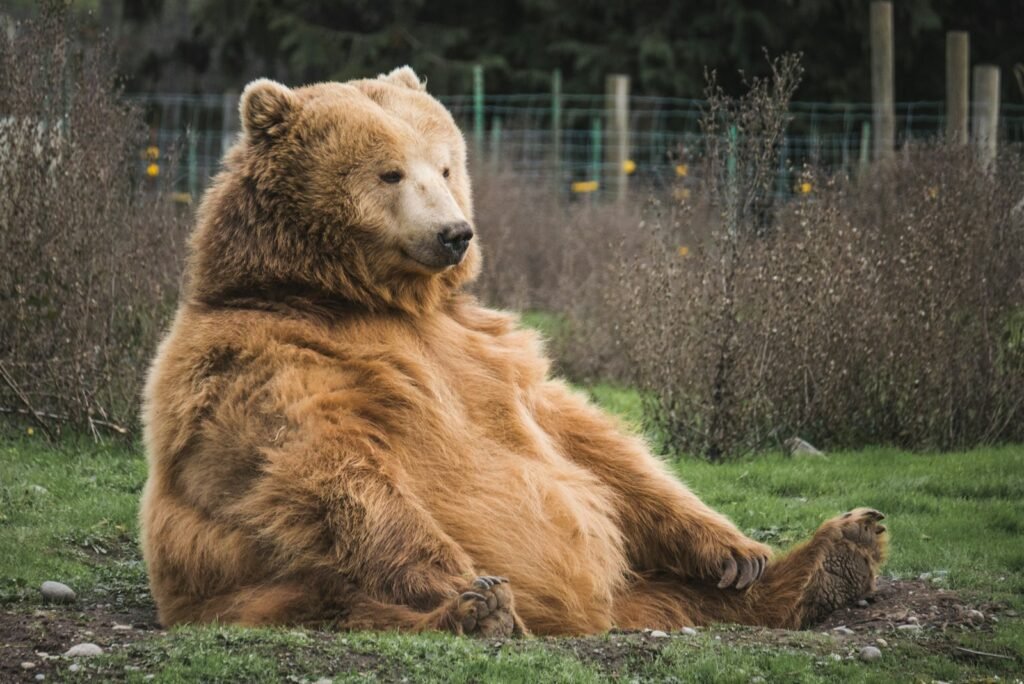

Australia, a land known for its unique and diverse wildlife, often leaves people wondering why certain animals are conspicuously absent. Among these absent creatures is the bear. While the continent is home to a plethora of marsupials and other extraordinary animals, it lacks native bear species. This absence is not merely a quirk of nature, but rather a fascinating tale of evolution, geography, and ecological dynamics. Understanding why Australia doesn’t have its own native bears opens a window into the complex evolutionary history of this isolated landmass.
The Isolation of the Australian Continent
Australia’s geographical isolation plays a significant role in its unique biodiversity. Approximately 50 million years ago, Australia separated from the supercontinent Gondwana. This separation set the stage for a distinct evolutionary path that diverged from other continents. Without land bridges connecting it to other parts of the world, Australia developed its own flora and fauna. The lack of bears in Australia can partly be attributed to this isolation, as bears never had the opportunity to migrate to the continent. What evolved in Australia were species that adapted to its specific environments, leading to the unique wildlife we know today.
Marsupials: The Dominant Mammals
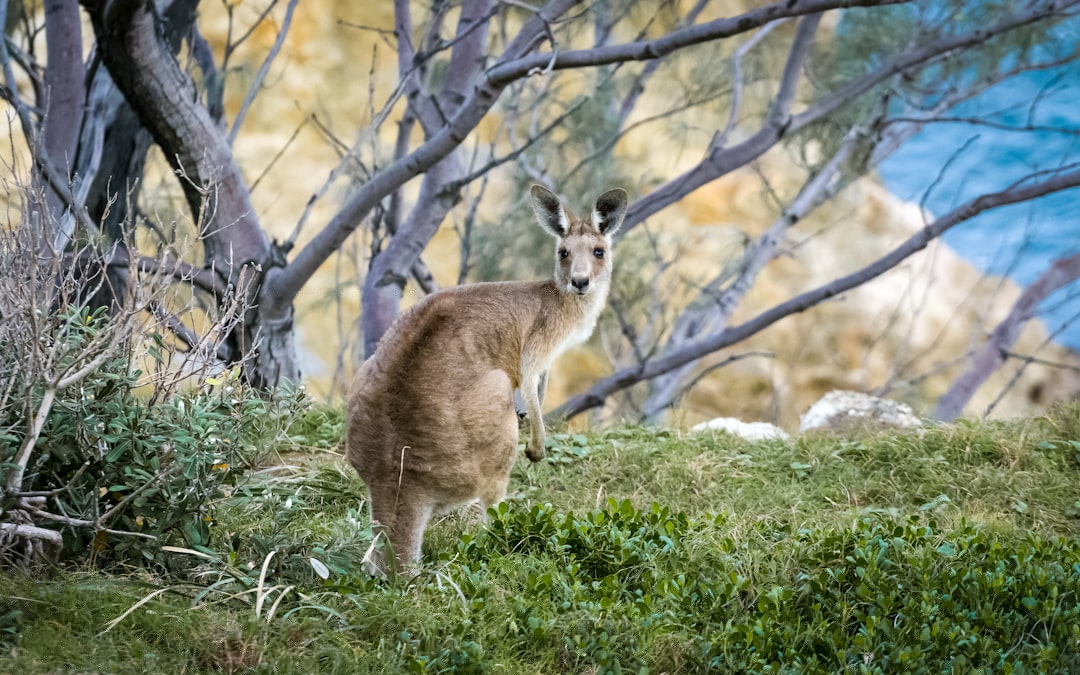
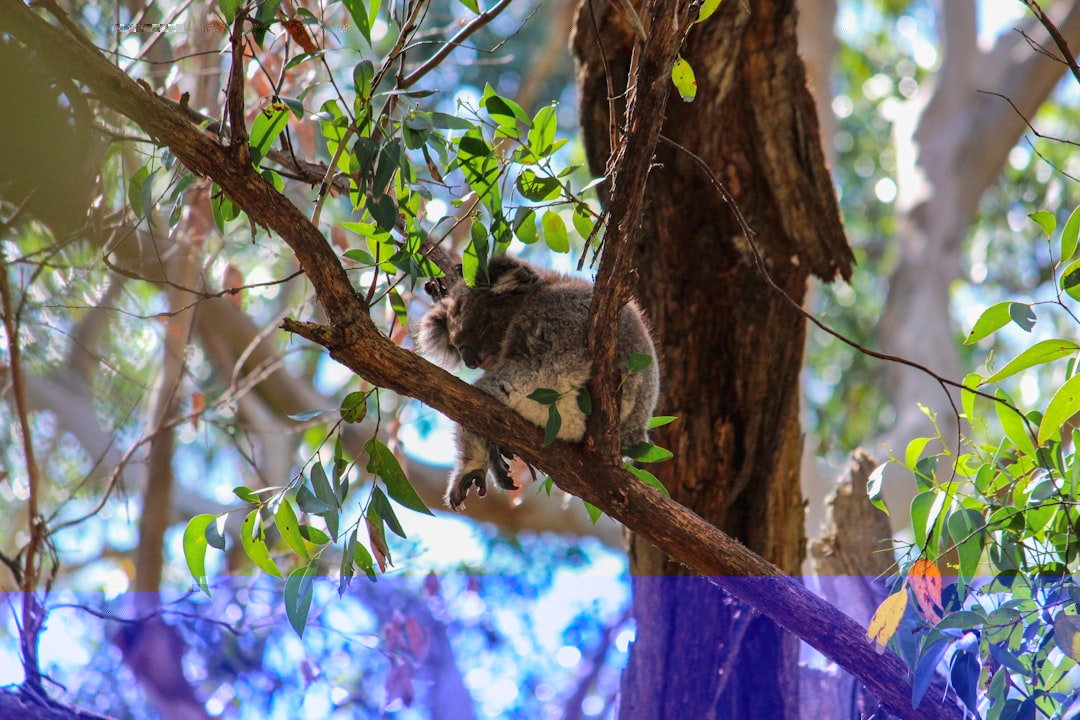
Marsupials are the dominant mammalian group in Australia, taking on roles that placental mammals fill elsewhere. While bears are placental mammals, Australia’s isolation and habitat favored the evolution of marsupials. Kangaroos, koalas, and wombats evolved to fill niches similar to those occupied by various placental mammals, including herbivores and omnivores. The koala, often mistakenly thought of as a “bear” due to its cuddly appearance, is actually a marsupial. This misnomer highlights how marsupials adapted to occupy ecological niches you’d expect bears to fill in other parts of the world.
The Climate and Habitat Factor

Australia’s climate and habitat diversity also influence its fauna. The continent’s arid deserts, tropical rainforests, and temperate woodlands provide a range of environments that have shaped its animal life. Bears, which require specific habitats such as forests and ample food sources, might have found Australia’s environment challenging. Instead, species that could survive in the varied climates evolved and thrived. The absence of natural habitats conducive to bear survival might have further prevented any potential bear migration or adaptation.
Predation and Competition Dynamics
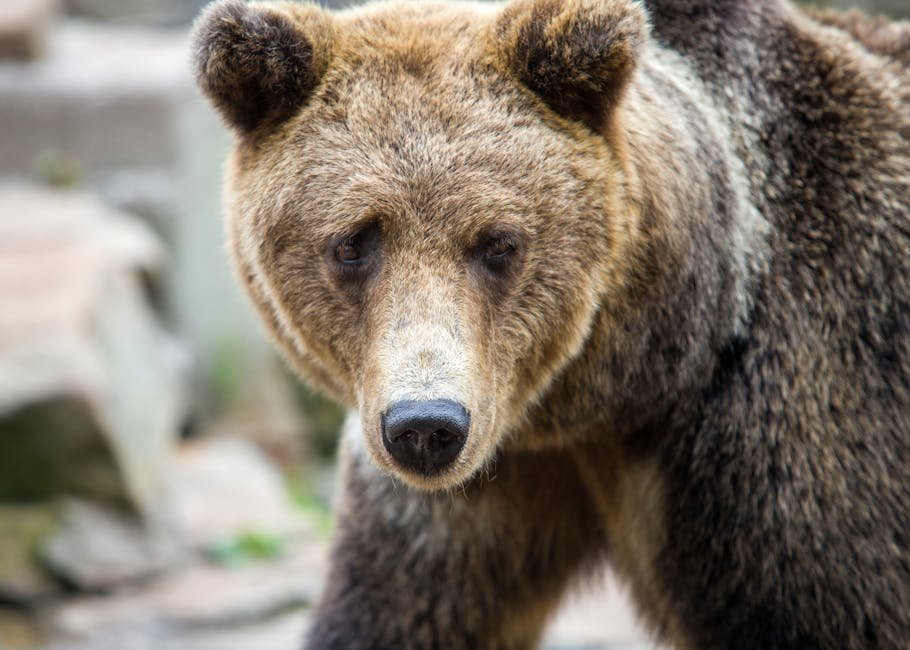
In ecosystems, predation and competition among species drive evolutionary outcomes. Australia’s apex predators, such as the now-extinct thylacine and the dingo, occupied roles that bears might have filled. The presence of such predators could have limited opportunities for bears or bear-like species to establish themselves. Additionally, the competition with marsupials and other native animals would have been fierce, making it challenging for any potential bear species to thrive without significant adaptive advantages.
Evolutionary Paths: A Tale of Two Worlds
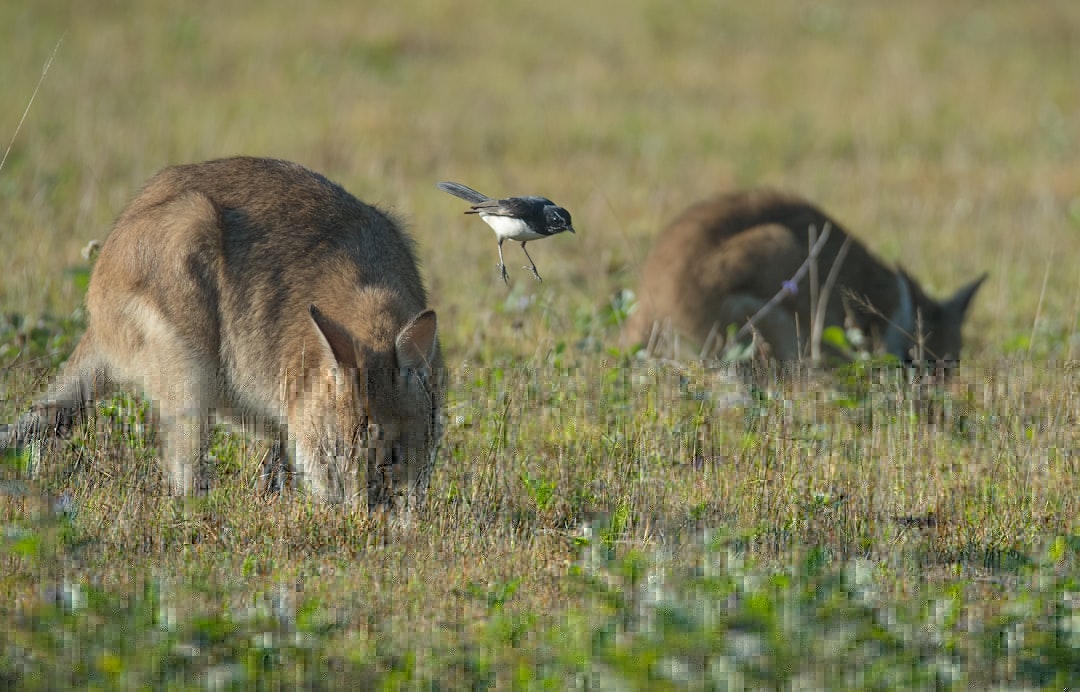
The evolutionary paths of different continents often lead to surprising outcomes. While placental mammals like bears thrived in other parts of the world, Australia’s evolutionary journey favored marsupials and monotremes. This divergence showcases the power of evolution in shaping biodiversity based on geographical and ecological constraints. The absence of bears is a testament to how isolated evolutionary processes can result in remarkably different faunal compositions.
Analogous Species and Ecological Roles

Though Australia lacks bears, it has species that play similar ecological roles. For instance, the Tasmanian devil, a carnivorous marsupial, fills a niche as a scavenger and predator. Similarly, the now-extinct Diprotodon, the largest known marsupial, roamed the continent as a giant herbivore. These animals demonstrate how different species can evolve to occupy similar ecological roles, highlighting the adaptability and diversity of life on Earth.
The Influence of Human Activity

Human activity has also played a role in shaping Australia’s wildlife. The arrival of humans over 40,000 years ago led to significant changes in the landscape and the extinction of several large animals. While bears were never part of Australia’s native fauna, the introduction of new species and changes in land use have influenced the survival of many native animals. The impact of humans on ecosystems worldwide serves as a reminder of the delicate balance of nature and the importance of conservation efforts.
The Fascination with Exotic Fauna

Australia’s unique wildlife has long fascinated scientists and nature enthusiasts alike. The absence of bears adds to the allure and mystery of the continent’s ecological narrative. Exploring why certain animals are present or absent helps us appreciate the intricate web of life and the evolutionary forces at play. The story of Australia’s fauna is a reminder of the wonder and complexity of the natural world, sparking curiosity and a deeper understanding of biodiversity.
Lessons from Australia’s Evolutionary History
Australia’s evolutionary history offers valuable lessons about adaptability and survival. The continent’s unique species have adapted to diverse environments, showcasing the resilience of life. By studying Australia’s fauna, we gain insights into how species evolve and adapt to changing conditions. These lessons are crucial as we face global environmental challenges, emphasizing the importance of preserving biodiversity and understanding the interconnectedness of life.
A Call to Appreciate and Protect
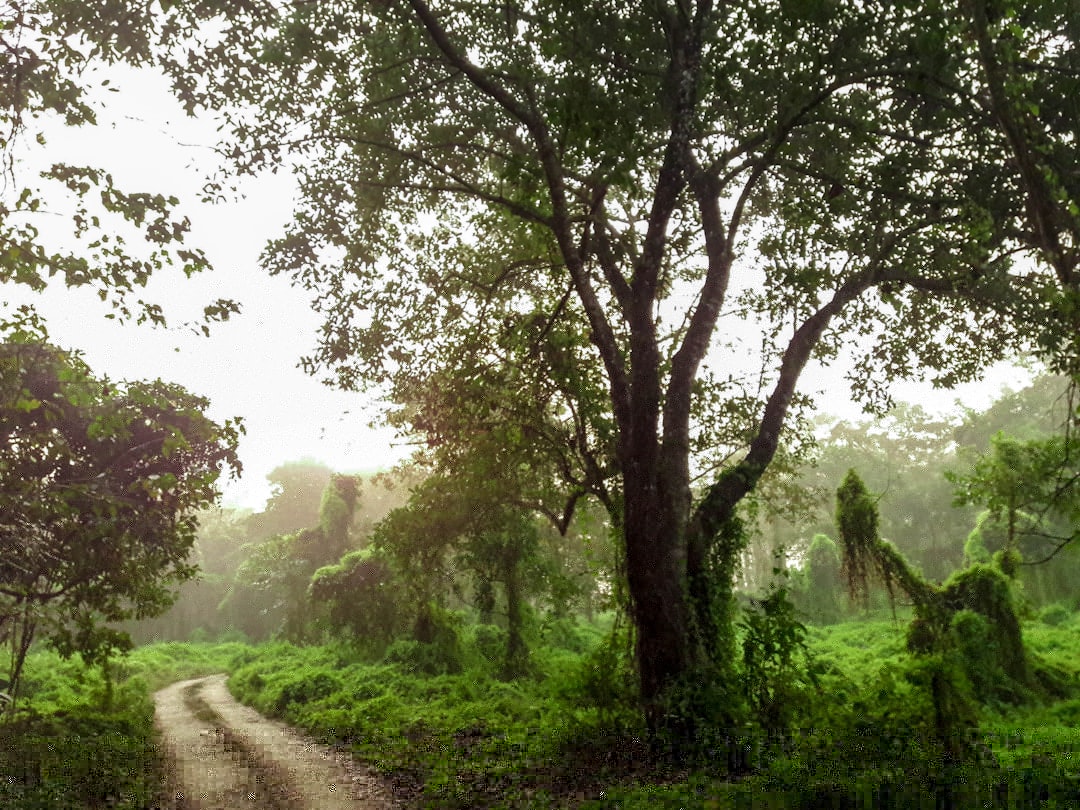
The absence of native bear species in Australia is a testament to the continent’s distinctive evolutionary path. It underscores the need to appreciate and protect the unique biodiversity that exists in every corner of the world. As we marvel at Australia’s wildlife, we are reminded of the importance of conservation efforts to preserve the delicate balance of nature. By valuing and safeguarding our planet’s diverse ecosystems, we ensure that future generations can continue to explore and be inspired by the wonders of evolution.