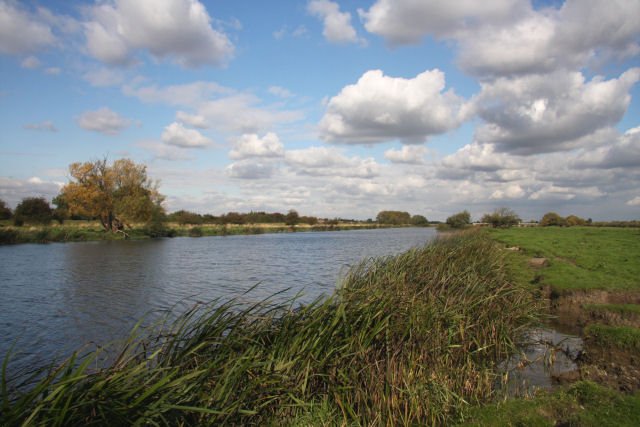
The Great Plains of North America, a vast expanse of flatlands stretching from Canada to Texas, were once crisscrossed by a network of vibrant rivers and streams. These waterways were the lifeblood of the plains, sustaining diverse ecosystems and supporting the lives of indigenous communities. Today, however, many of these rivers have disappeared or diminished significantly. The story of these lost waterways is a tale of natural evolution, human intervention, and climate change, all of which have reshaped the landscape in profound ways.
The Historical Tapestry of Great Plains Rivers
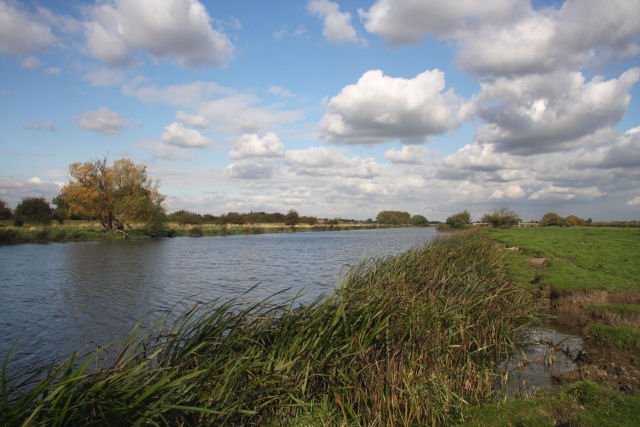
Once upon a time, the Great Plains boasted a complex tapestry of rivers that provided rich habitats for wildlife and fertile grounds for agriculture. The Missouri, Platte, and Arkansas rivers, among others, meandered through the plains, nourishing the land. These waterways were more than just geographical features; they were the arteries of life, enabling trade, travel, and cultural exchange. The indigenous peoples, including the Sioux, Cheyenne, and Comanche, relied on these rivers for sustenance and spiritual practices. However, over time, this intricate network began to unravel, leaving behind a landscape starkly different from its historical roots.
Natural Processes: The Ebb and Flow of Water
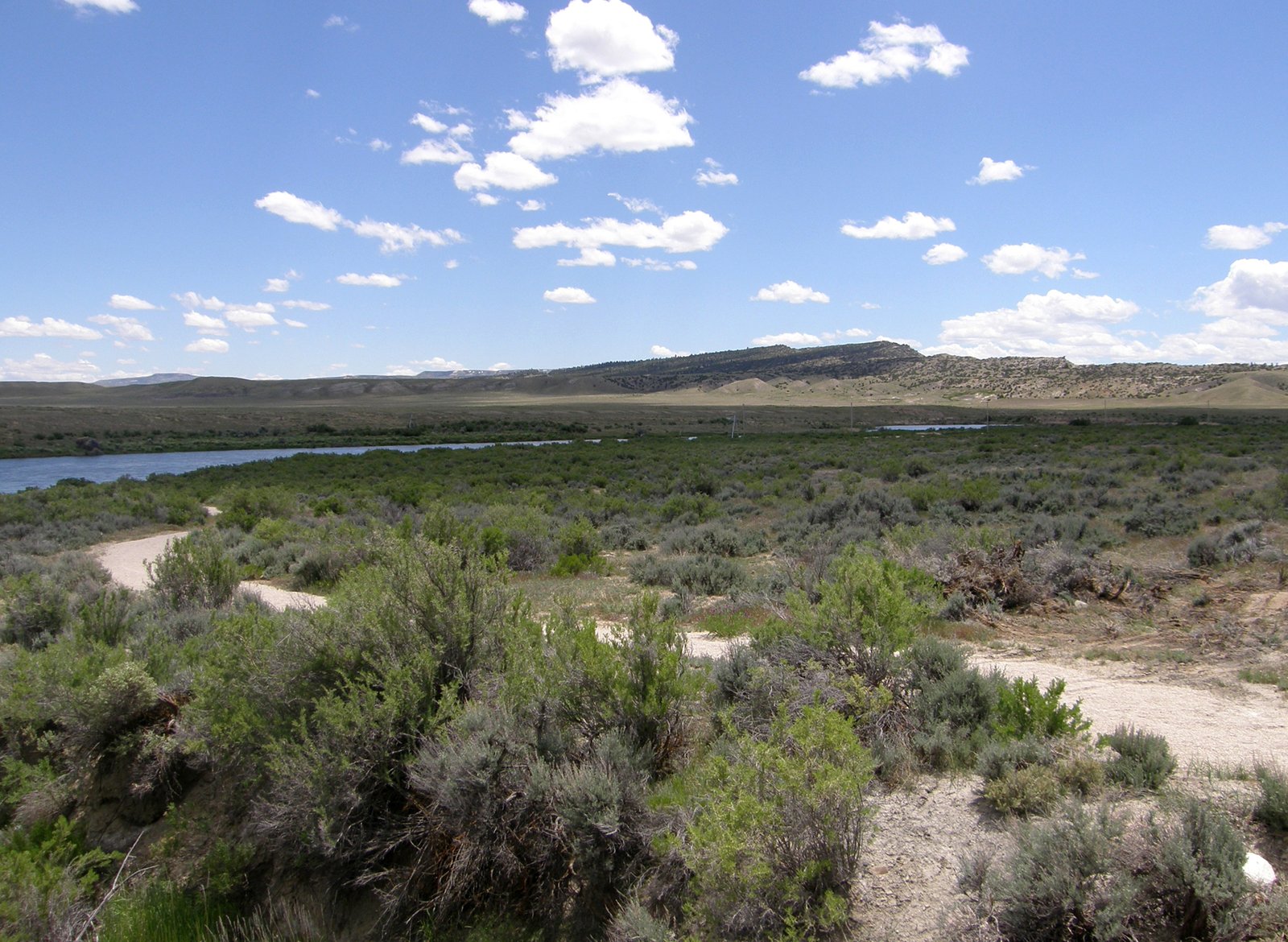
Rivers are dynamic systems, constantly changing due to natural processes such as erosion, sedimentation, and tectonic activity. Over millennia, these forces have reshaped the Great Plains, altering the courses of rivers or causing them to dry up entirely. Glacial movements during the Ice Age played a significant role, as melting glaciers carved out riverbeds and deposited sediment, altering the landscape. In some cases, rivers rerouted themselves naturally, finding new paths or merging with larger water bodies. This natural evolution, while fascinating, contributed to the disappearance of certain waterways over time.
Human Intervention and Its Consequences
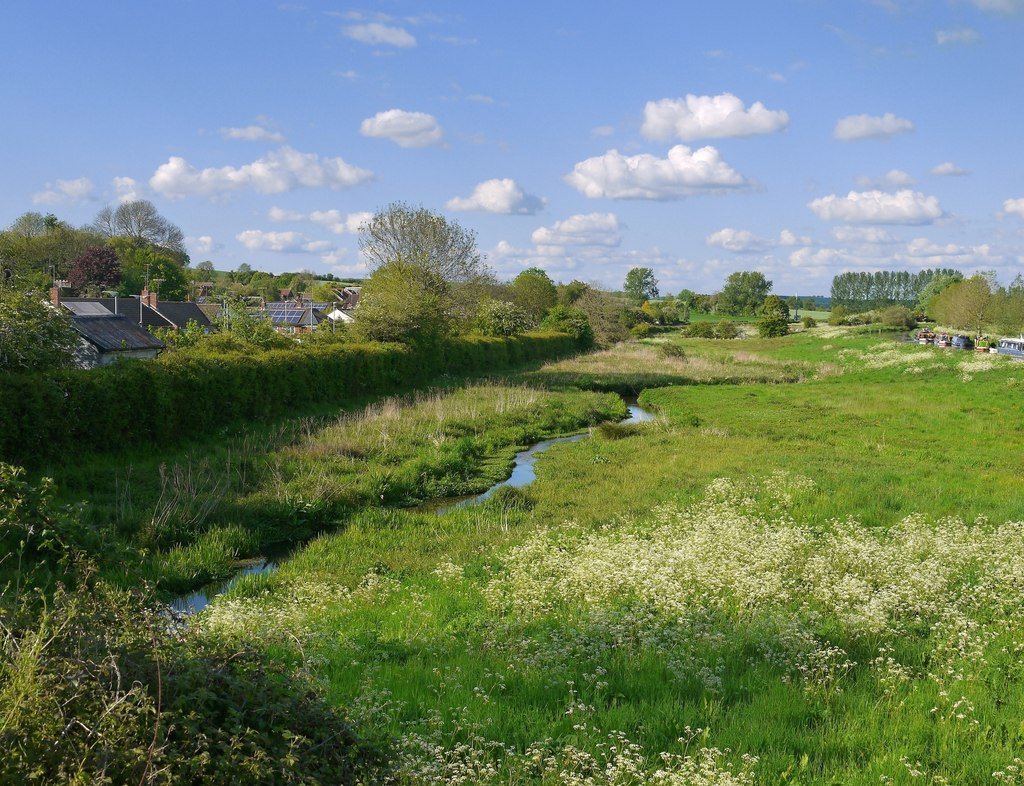
As settlers expanded westward, human intervention became a significant factor in the transformation of the Great Plains’ waterways. Dams, irrigation projects, and water diversion for agriculture and urban development altered the flow and volume of many rivers. The construction of the Hoover Dam and other major infrastructure projects led to the creation of reservoirs, which drastically changed the natural water distribution. While these efforts aimed to harness water resources for human benefit, they often resulted in the depletion of rivers, affecting ecosystems and communities that depended on them.
The Impact of Agriculture on River Systems
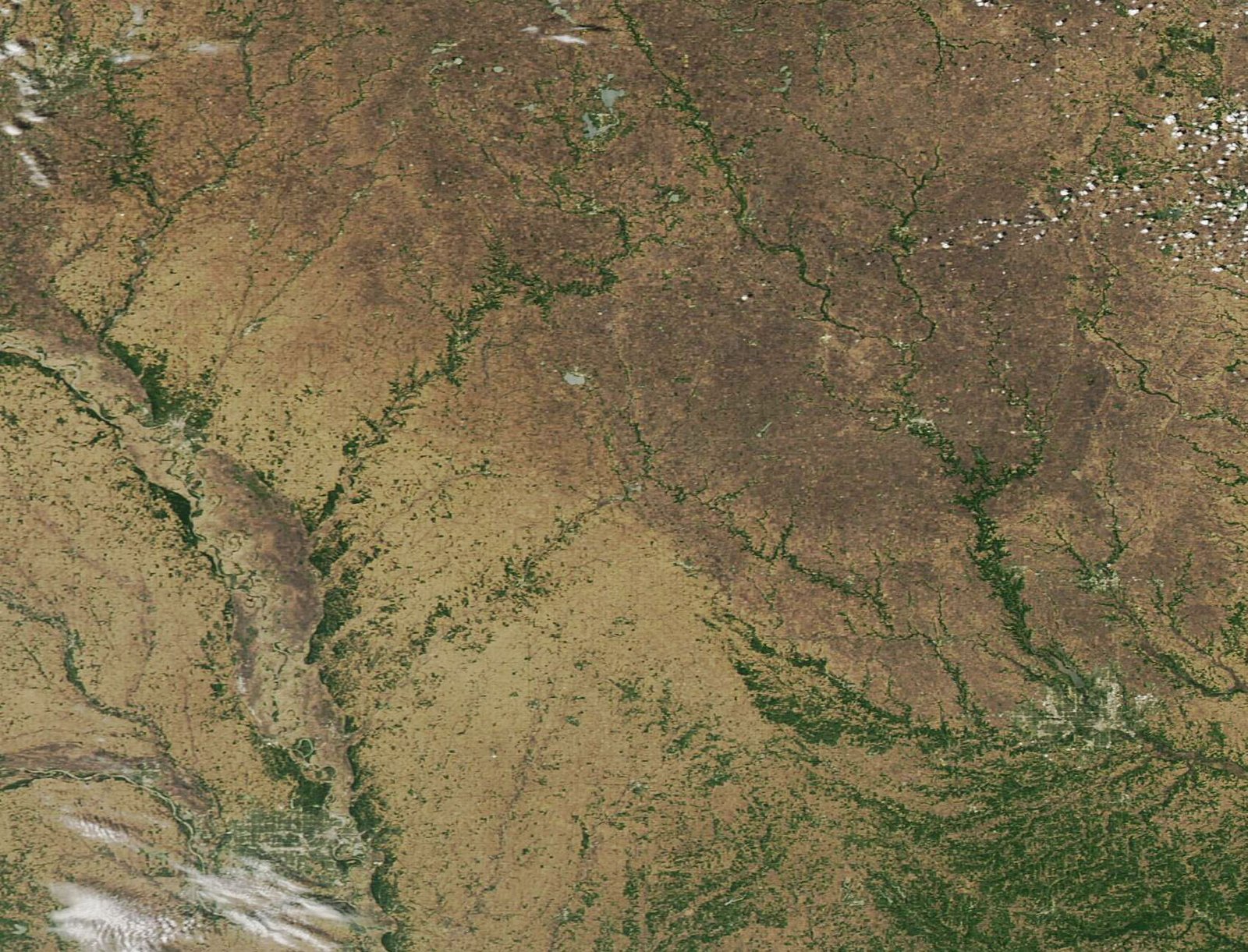
Agriculture has long been a cornerstone of the Great Plains economy, but it also demands vast amounts of water. Irrigation practices, especially those involving the extraction of groundwater, have significantly impacted river systems. The Ogallala Aquifer, a crucial water source for agriculture, has been heavily tapped, leading to declining water levels and reduced river flow. As fields stretch across the plains, replacing native vegetation, soil erosion and runoff have also increased, further altering the natural hydrology of the region. The transformation of the landscape for agricultural purposes has left an indelible mark on the waterways.
Climate Change: A Modern Challenge
In recent years, climate change has emerged as a formidable challenge to the waterways of the Great Plains. Rising temperatures and altered precipitation patterns have exacerbated drought conditions, causing rivers to shrink or disappear altogether. The once predictable seasonal flow of water has become erratic, impacting the availability of water for wildlife and human use. Climate models predict that these trends will continue, posing a threat to the remaining rivers and ecosystems of the plains. The changing climate is a stark reminder of the interconnectedness of natural systems and the need for sustainable water management.
Reviving Lost Waterways: Restoration Efforts
In response to the loss of waterways, various restoration efforts have emerged to revitalize the Great Plains’ river systems. Conservation organizations, government agencies, and local communities are working together to restore natural habitats and improve water quality. Initiatives such as reforestation, wetland restoration, and sustainable farming practices aim to enhance the resilience of river ecosystems. By reintroducing native vegetation and reducing pollution, these efforts seek to recreate the conditions that once supported vibrant waterways. While these projects face challenges, they offer hope for a future where rivers can thrive once again.
The Role of Indigenous Knowledge
Indigenous communities have long understood the importance of rivers to the Great Plains and have preserved traditional knowledge about water management. Their holistic approach to land and water stewardship emphasizes balance and respect for natural cycles. By incorporating indigenous practices and wisdom into modern conservation efforts, there is potential to develop more effective strategies for preserving and restoring waterways. Collaborations with indigenous groups can provide valuable insights into sustainable water use and foster a deeper connection between people and the land.
The Ecological Significance of Rivers
Rivers are not just geographical features; they are vital components of ecosystems that support biodiversity and ecological balance. The presence of rivers creates unique habitats for a wide range of species, from fish and amphibians to birds and mammals. The loss of these waterways has far-reaching consequences, disrupting food chains and leading to declines in wildlife populations. By understanding the ecological significance of rivers, we can better appreciate the urgency of preserving and restoring these natural resources for the benefit of all life on the plains.
Future Challenges and Opportunities
Looking ahead, the future of the Great Plains’ waterways presents both challenges and opportunities. The ongoing impacts of climate change and human activities will continue to shape the landscape, demanding adaptive and innovative solutions. Advances in technology and scientific research offer new tools for monitoring and managing water resources. By embracing sustainable practices and fostering collaboration among stakeholders, there is potential to create a more resilient and thriving environment. The journey to revive the lost waterways of the Great Plains is an opportunity to rethink our relationship with nature and build a sustainable future.
A Call to Action: Protecting Our Water Heritage
The story of the lost waterways of North America is a poignant reminder of the fragility of our natural resources. As stewards of the land, we have a responsibility to protect and preserve the rivers that sustain life on the Great Plains. By supporting conservation efforts, advocating for sustainable water policies, and raising awareness about the importance of rivers, we can contribute to the restoration of these vital ecosystems. Let us take inspiration from the resilience of nature and work together to ensure that the waterways of the Great Plains continue to flow for generations to come.