Long before humans roamed the Earth, a myriad of strange and fascinating creatures inhabited our planet. These beings, with their peculiar shapes and extraordinary abilities, not only challenge our understanding of evolution but also ignite our imagination. From the depths of ancient oceans to the skies of prehistoric times, these creatures were as diverse as they were bizarre. Join us as we journey back in time to explore some of the most unusual prehistoric creatures that ever existed.
Hallucigenia: A Creature from a Dream
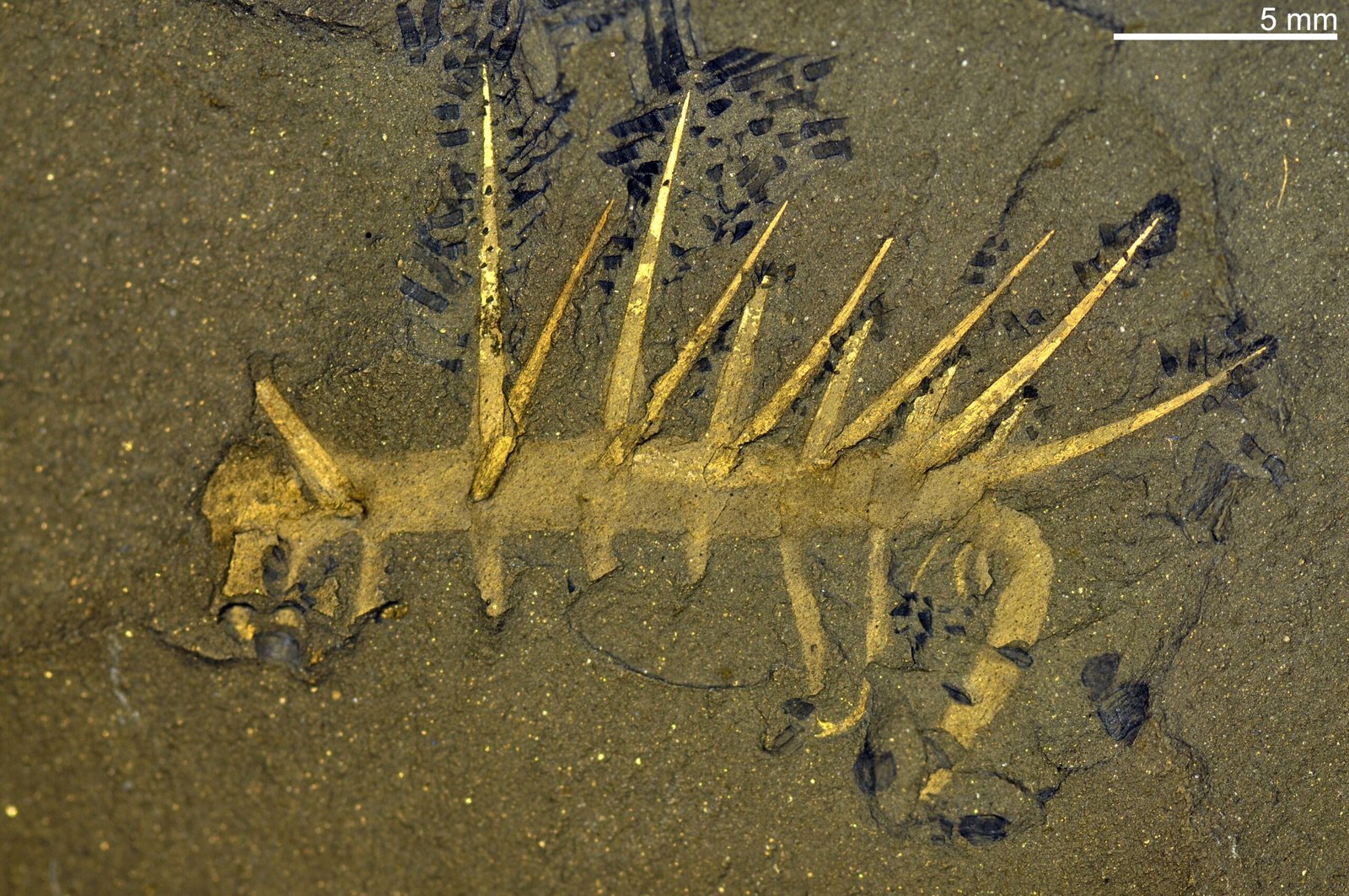
Imagine a creature that looks like it walked straight out of a dream—or perhaps a nightmare. Hallucigenia, a tiny marine animal from the Cambrian period, fits this description perfectly. With its elongated, worm-like body, it sported seven pairs of spiny legs that seemed to defy logic. What made Hallucigenia even more peculiar was the row of needle-like spikes on its back, used as a defense mechanism against predators. Scientists initially struggled to determine which end was its head and which was its tail, adding to its mysterious allure. This oddity of nature reminds us that life can take on the most unexpected forms.
Anomalocaris: The Apex Predator of the Cambrian Seas
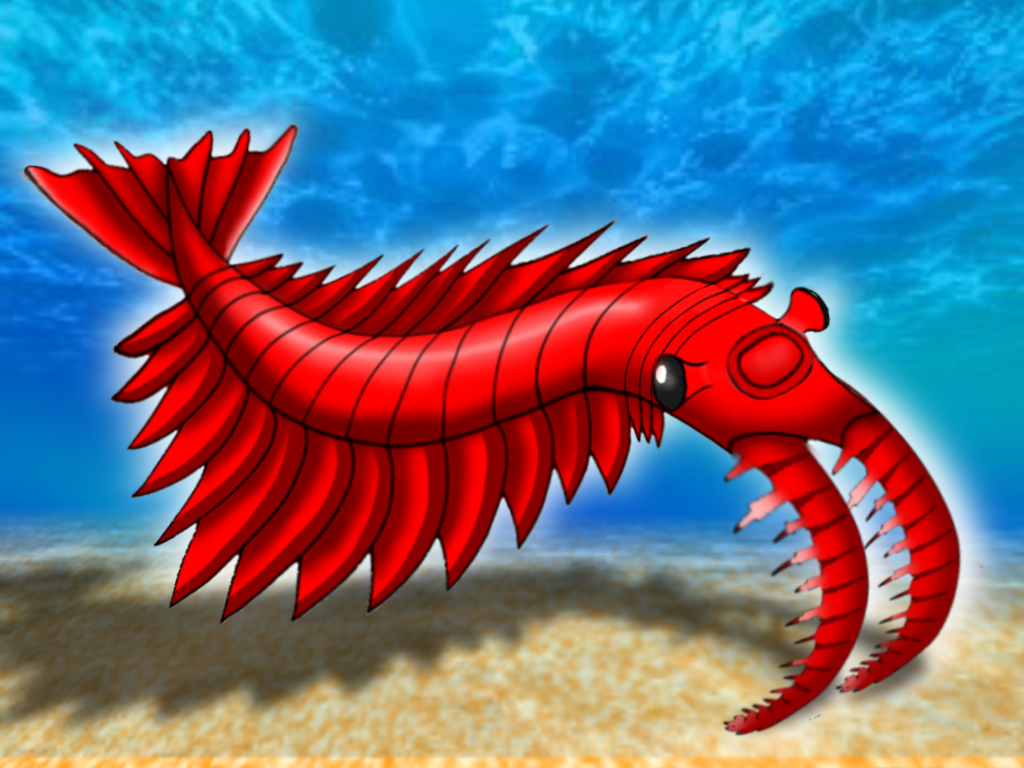
During the Cambrian explosion, a time of rapid evolutionary development, Anomalocaris reigned supreme as the apex predator of the seas. Resembling a cross between a shrimp and a squid, this creature had large, spiny appendages for capturing prey. Its disk-like mouth, lined with sharp teeth, could crush the exoskeletons of early marine life with ease. Anomalocaris grew up to three feet long, a giant in its time, and its eyes provided a wide field of vision to spot potential meals. This formidable predator showcases the complexity and diversity of early life on Earth.
Opabinia: The Five-Eyed Wonder
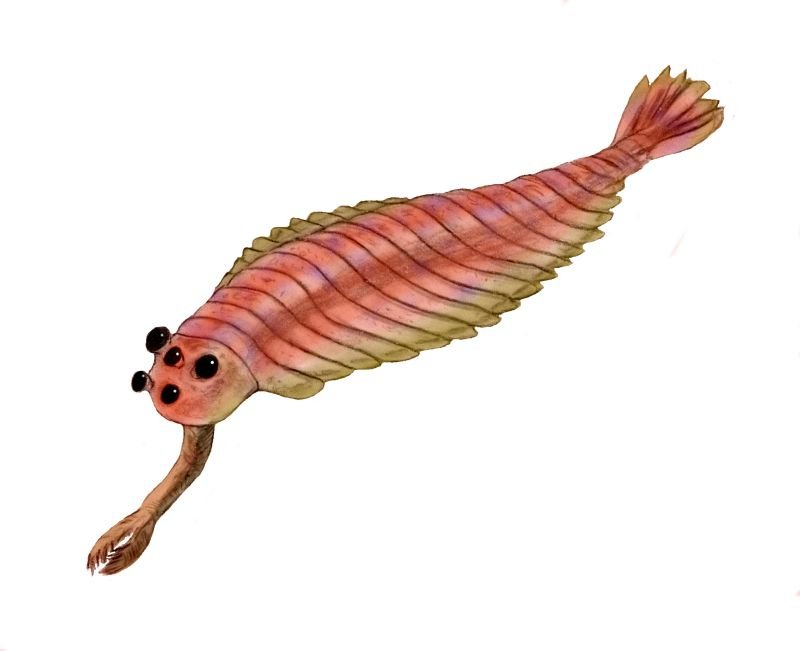
Opabinia, another marvel from the Cambrian period, defies conventional animal anatomy with its five eyes and a proboscis ending in a claw. This creature’s unique design allowed it to thrive in its aquatic environment, using its claw to capture small prey. Opabinia’s five eyes, positioned on stalks, granted it an exceptional range of vision, making it a highly effective hunter. Its bizarre appearance, often compared to a science fiction alien, serves as a reminder that nature often creates the unimaginable. Despite its strange features, Opabinia was a successful species, adapting well to its environment.
Dunkleosteus: Armored Giant of the Devonian
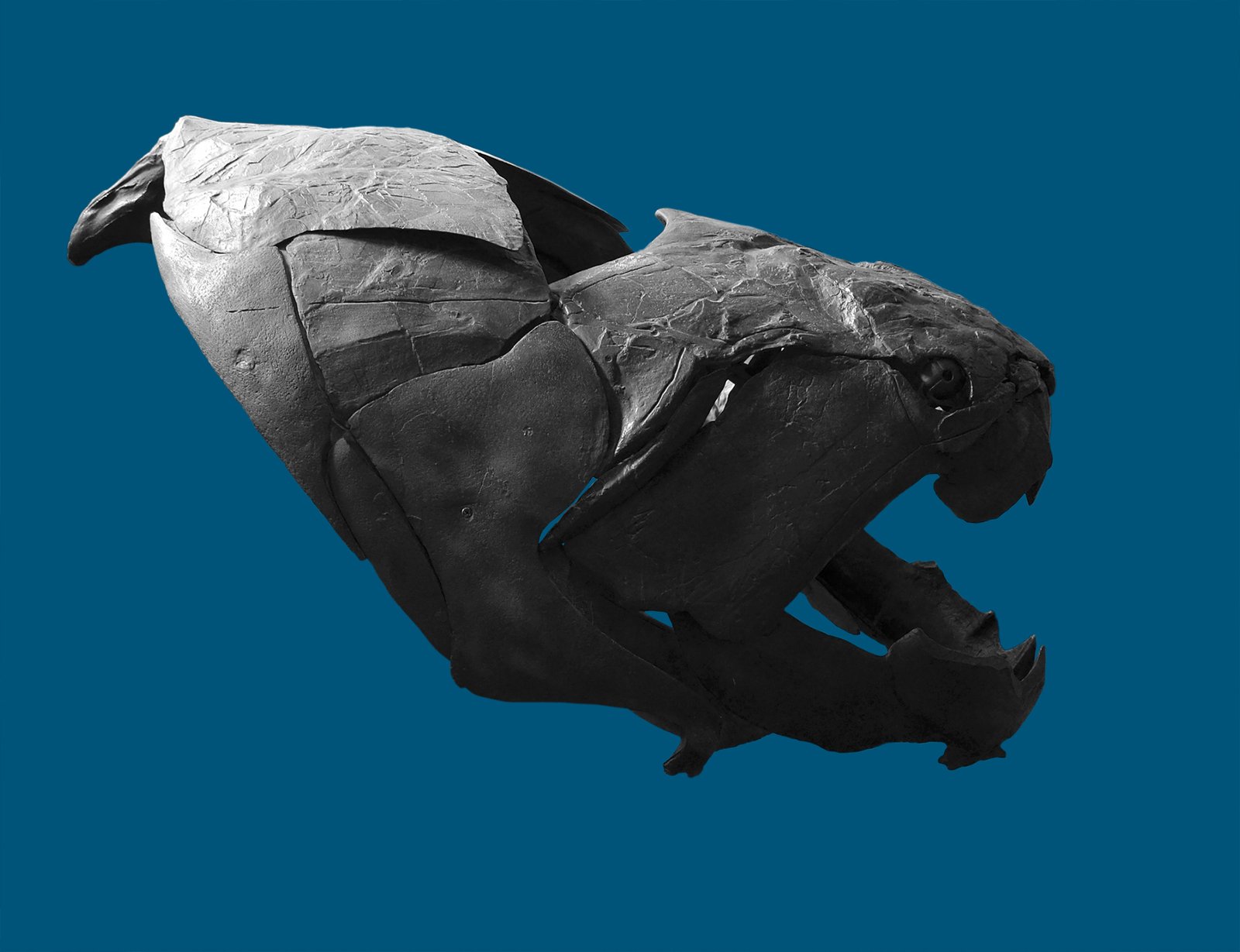
The Devonian period, often called the “Age of Fishes,” was home to Dunkleosteus, a massive armored fish that dominated the seas. Growing up to 33 feet long, Dunkleosteus boasted a powerful bite that could crush bones and shells with ease. Its head and thorax were covered in thick, bony plates, offering protection against other predators. Unlike modern sharks, Dunkleosteus didn’t have true teeth; instead, its jaw was equipped with sharp bony blades. This formidable creature highlights the evolutionary arms race that occurred in ancient oceans, where both predators and prey developed new adaptations for survival.
Quetzalcoatlus: The Sky’s Giant
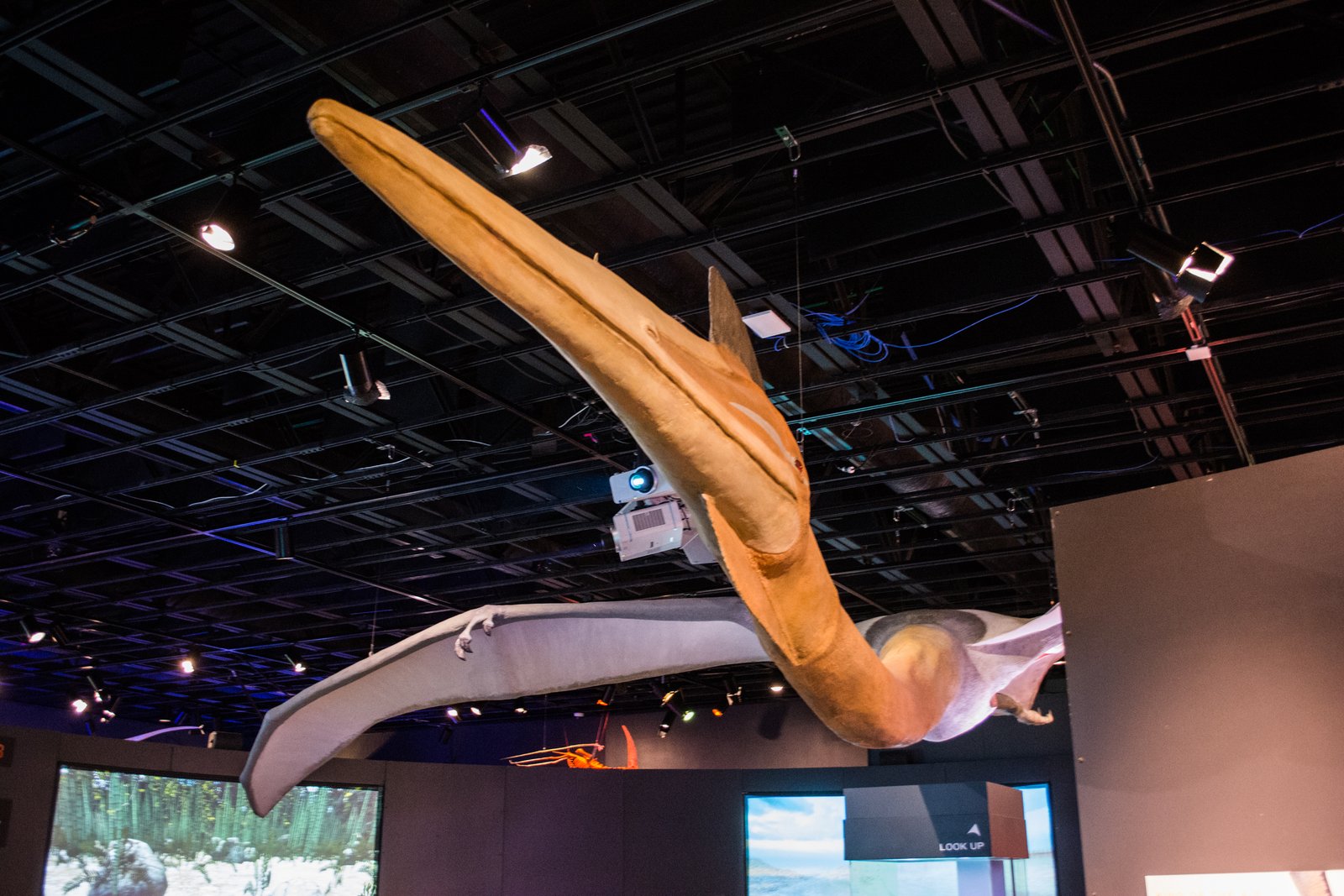
Quetzalcoatlus, named after the Aztec feathered serpent god, was one of the largest flying creatures to ever exist. With a wingspan reaching up to 36 feet, this pterosaur soared over the late Cretaceous landscapes. Despite its massive size, Quetzalcoatlus was likely a graceful flyer, using its long, slender beak to catch fish and other small prey. Scientists believe it could also walk on land, using its wings as additional limbs. The existence of such a colossal flying creature challenges our understanding of flight dynamics and the limits of vertebrate size.
Tylosaurus: The Ocean’s Fearsome Hunter
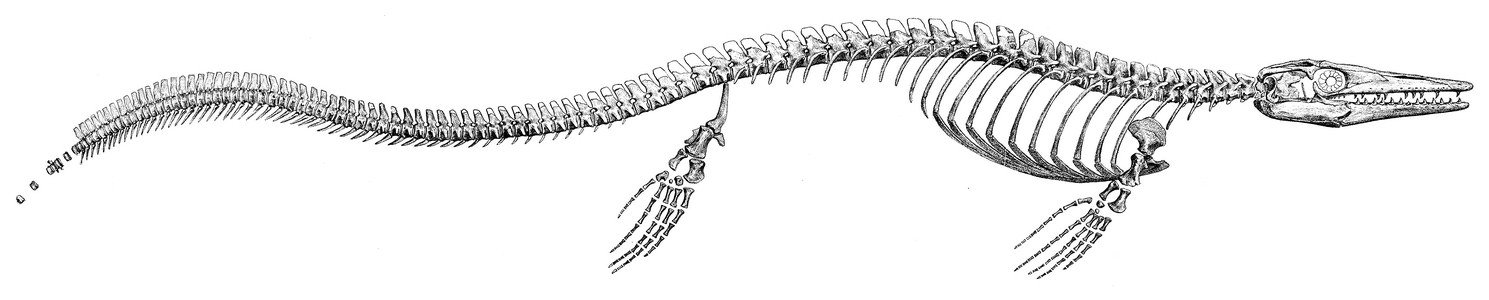
In the warm seas of the Cretaceous period, Tylosaurus was a formidable marine predator. As a member of the mosasaur family, it resembled a giant lizard with flippers instead of legs. Tylosaurus could grow up to 45 feet in length, making it one of the largest marine reptiles. Its conical teeth and powerful jaws were perfect for seizing and devouring prey, including fish, sharks, and even other marine reptiles. The discovery of Tylosaurus fossils with remains of other creatures in their stomachs highlights their role as apex predators of their time.
Therizinosaurus: The Scythe-Handed Dinosaur
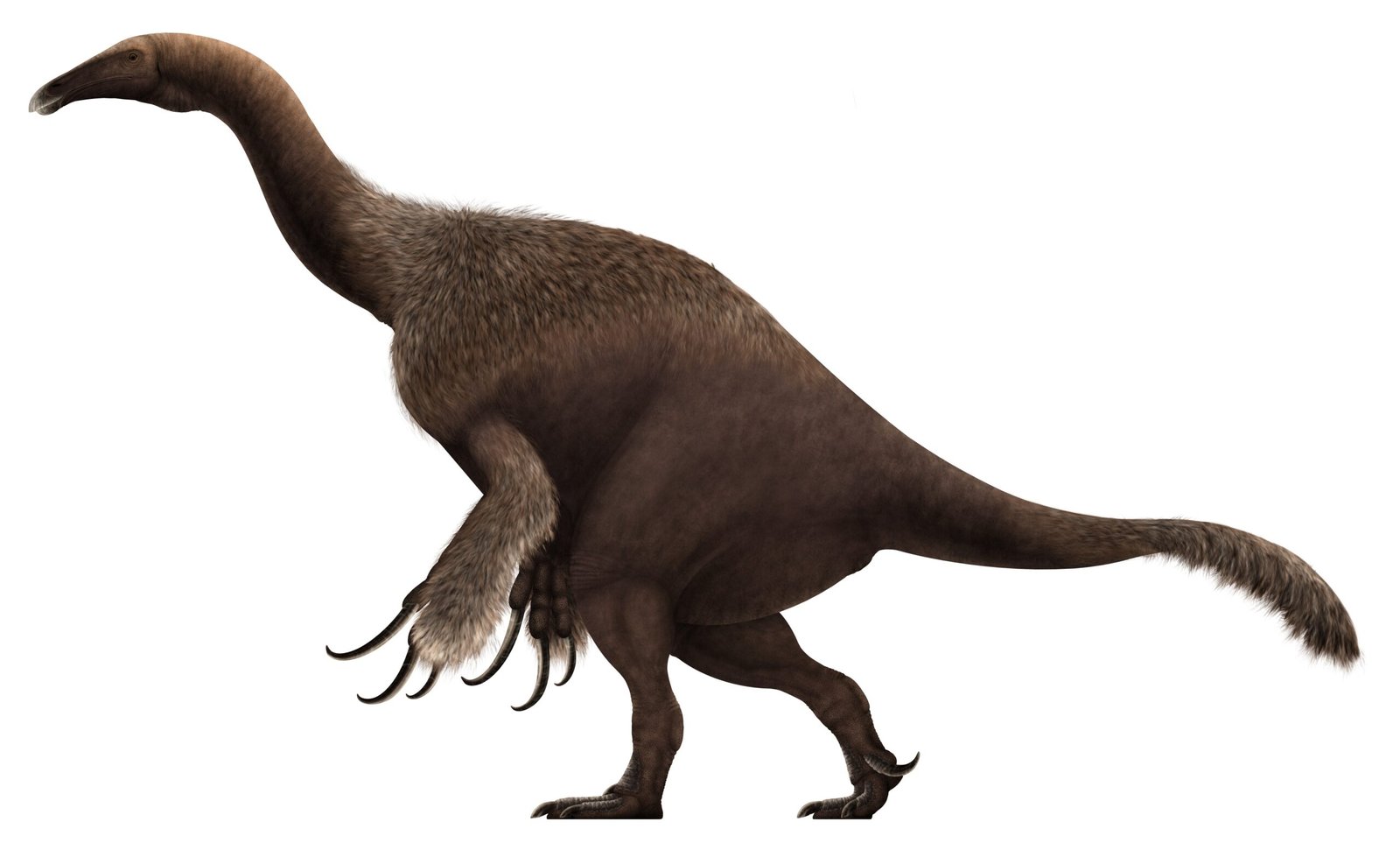
Therizinosaurus, a theropod dinosaur from the late Cretaceous, is known for its enormous scythe-like claws, which could reach up to three feet long. Unlike its carnivorous relatives, Therizinosaurus was likely herbivorous, using its claws to grasp and pull down vegetation. Its peculiar appearance, with a small head, long neck, and bulky body, has puzzled paleontologists for years. This dinosaur’s unique adaptations provide insights into the diverse ecological roles that evolved during the age of dinosaurs, showcasing the variety of life forms that once roamed the Earth.
Archaeopteryx: The First Bird
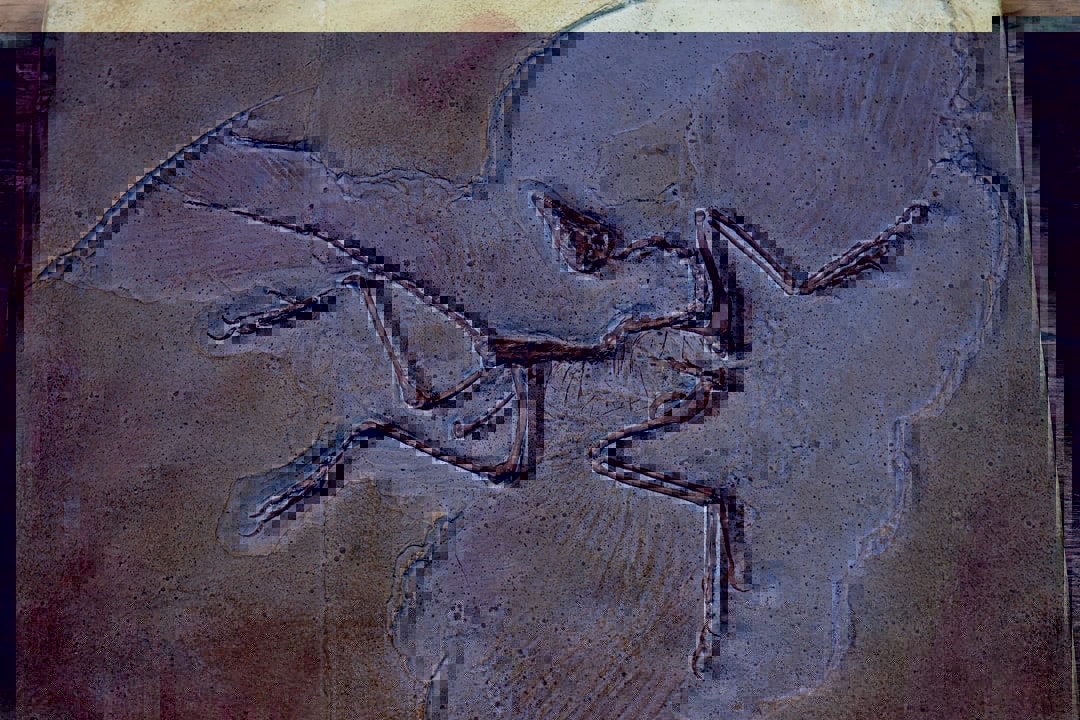
Archaeopteryx holds a special place in the history of life as one of the earliest known birds. Living during the late Jurassic period, it possessed both avian and reptilian features, bridging the gap between dinosaurs and modern birds. Archaeopteryx had feathers and wings, but also sharp teeth and a long bony tail. Its discovery provided crucial evidence for the theory of evolution, demonstrating the transition from dinosaurs to birds. Archaeopteryx’s significance in understanding the origins of flight and avian evolution cannot be overstated, making it a cornerstone of paleontological research.
Megalodon: The Giant Shark
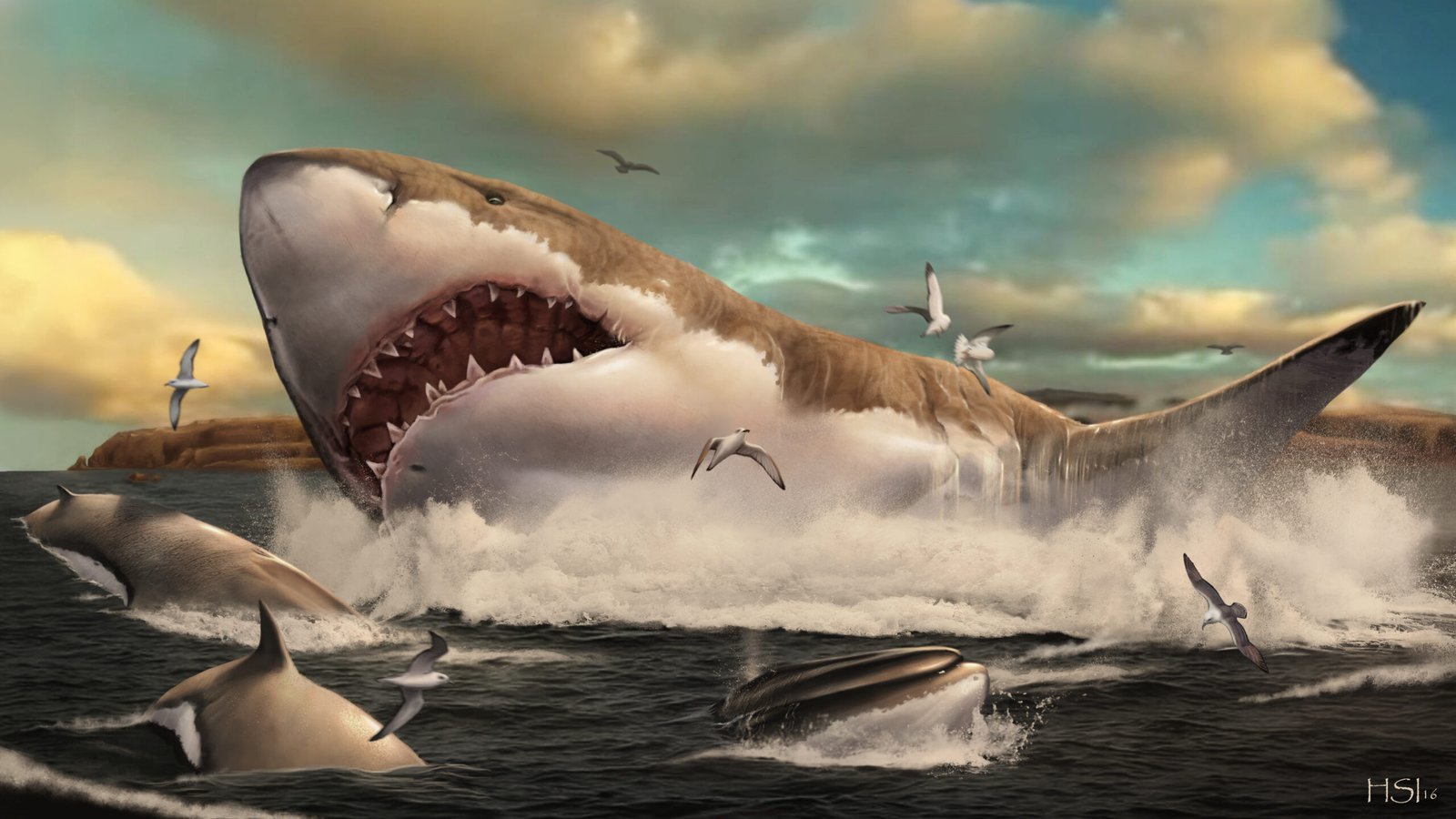
Megalodon, a name that strikes fear into the hearts of many, was a massive prehistoric shark that roamed the oceans during the Cenozoic era. With an estimated length of up to 60 feet, it dwarfed today’s largest sharks. Megalodon’s teeth, some over seven inches long, were perfect tools for tearing into the flesh of whales and other large marine mammals. Despite its fearsome reputation, Megalodon’s extinction remains a mystery, with theories ranging from climate change to competition with other predators. The legacy of this colossal shark continues to captivate scientists and enthusiasts alike.
Glyptodon: The Armored Tank
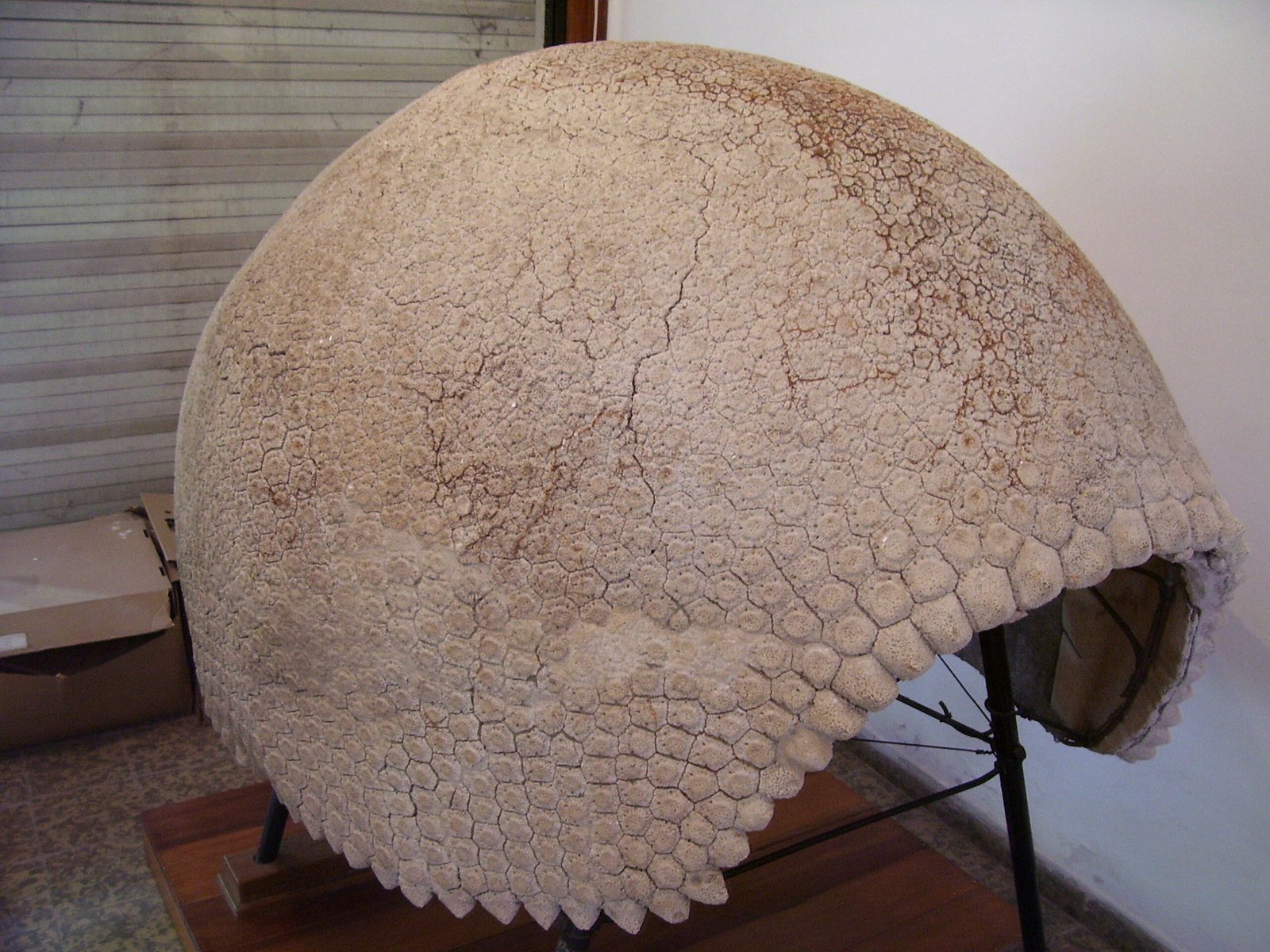
Resembling an oversized armadillo, Glyptodon was a large, armored mammal that lived during the Pleistocene epoch. Its massive, dome-shaped shell provided protection against predators, while its club-like tail could be used for defense. Glyptodon was a herbivore, grazing on grasses and other vegetation. Its unique adaptations allowed it to thrive in a variety of environments, from forests to open plains. The discovery of Glyptodon fossils in South America offers a glimpse into the diverse world of prehistoric mammals that once inhabited our planet.