Imagine a world where massive creatures roamed the earth, shaping the very landscapes we see today. These colossal beings, known as megafauna, were not just passive inhabitants of our planet. They were the architects, the gardeners who cultivated and sculpted vast stretches of land long before humans left their mark. Their disappearance is a tale of ecological transformation, a story that continues to echo in the natural world around us.
The Giants of the Past
Megafauna refers to a group of large animals, often weighing over 100 pounds, that once thrived across the globe. From the majestic woolly mammoths in the icy tundras to the giant ground sloths in lush forests, these creatures were as varied as the landscapes they inhabited. They played crucial roles in their ecosystems, acting as both predators and prey, and their presence influenced the distribution of plant and animal life around them. Imagine a world where the ground trembled under the weight of these giants; their very footsteps altered the course of rivers and the growth of forests.
Natural Engineers of Ecosystems
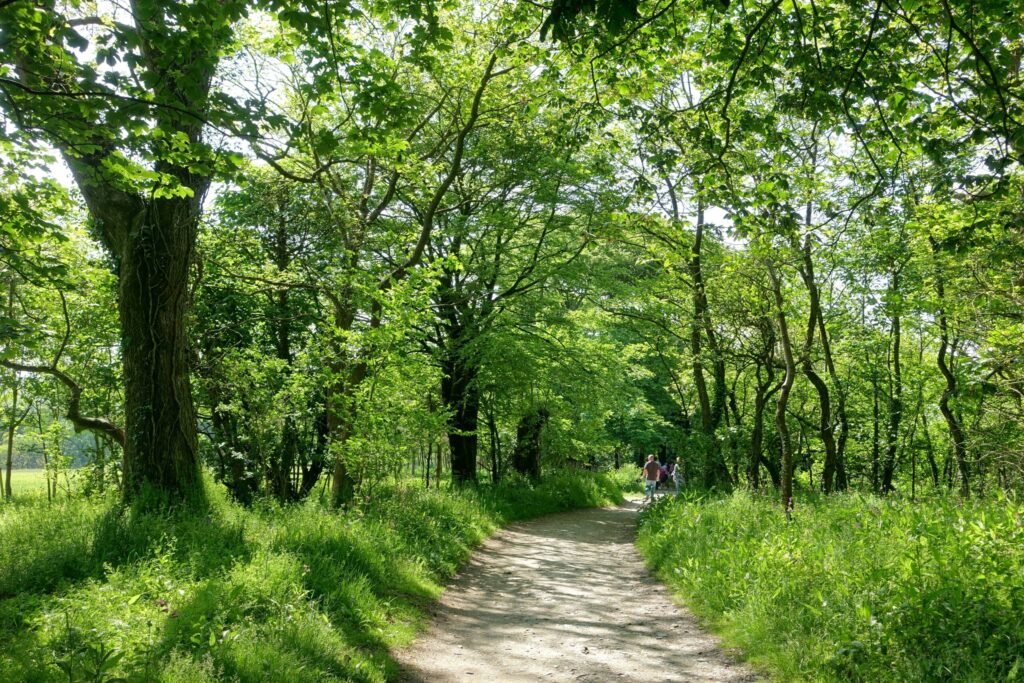
The megafauna were nature’s engineers, constructing environments through their daily activities. For instance, the mastodons and mammoths tore down trees, creating open spaces that allowed new plant species to flourish. Similarly, the giant beavers of North America built extensive networks of dams and ponds, fostering biodiversity by providing habitats for aquatic species. These actions were not random; they were a part of a complex web of interactions that sustained entire ecosystems. By shaping their surroundings, these creatures ensured the survival of countless other species.
Seed Dispersers and Plant Diversity

One of the most significant roles of megafauna was in seed dispersal. Many plants depended on these large animals to spread their seeds over vast distances. As these creatures grazed and traveled, they unknowingly planted the seeds of the future, ensuring a diverse and resilient plant community. Without these natural gardeners, many plant species struggled to find new habitats, leading to a decline in biodiversity. The loss of these seed dispersers has had lasting impacts on the composition and health of modern ecosystems.
Impact on Soil and Water Systems

The presence of megafauna also had a profound effect on soil and water systems. Their movements aerated the soil, promoting nutrient cycling and enhancing soil fertility. Large herbivores, through their grazing and migration patterns, created natural pathways for water drainage and distribution. This not only prevented erosion but also maintained the balance of aquatic ecosystems. The absence of such activities in today’s world has led to changes in soil quality and water management, impacting agricultural practices and natural habitats alike.
Climate Influencers
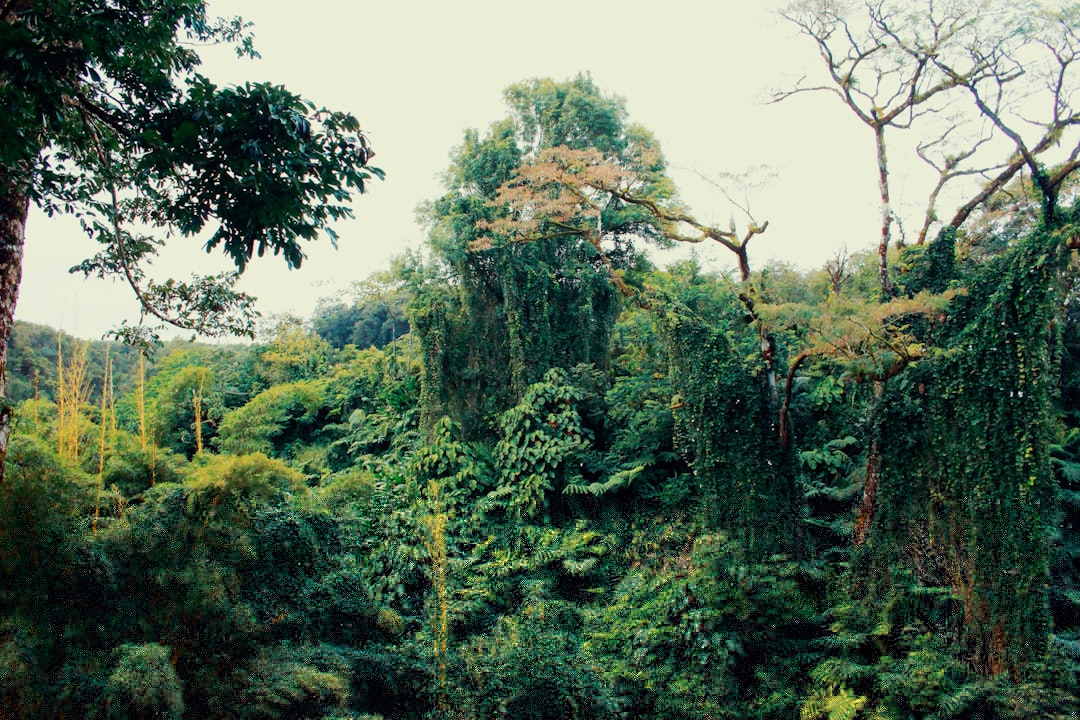
Megafauna had an indirect yet significant impact on the climate. By controlling vegetation patterns, they influenced the carbon cycle, affecting the amount of carbon dioxide in the atmosphere. For example, large herds of grazing animals maintained open grasslands, which are known to sequester large amounts of carbon. The disappearance of these animals has altered vegetation dynamics, contributing to changes in the global climate. Their role as climate influencers highlights the interconnectedness of life on Earth and the delicate balance that sustains it.
The Mystery of Their Disappearance
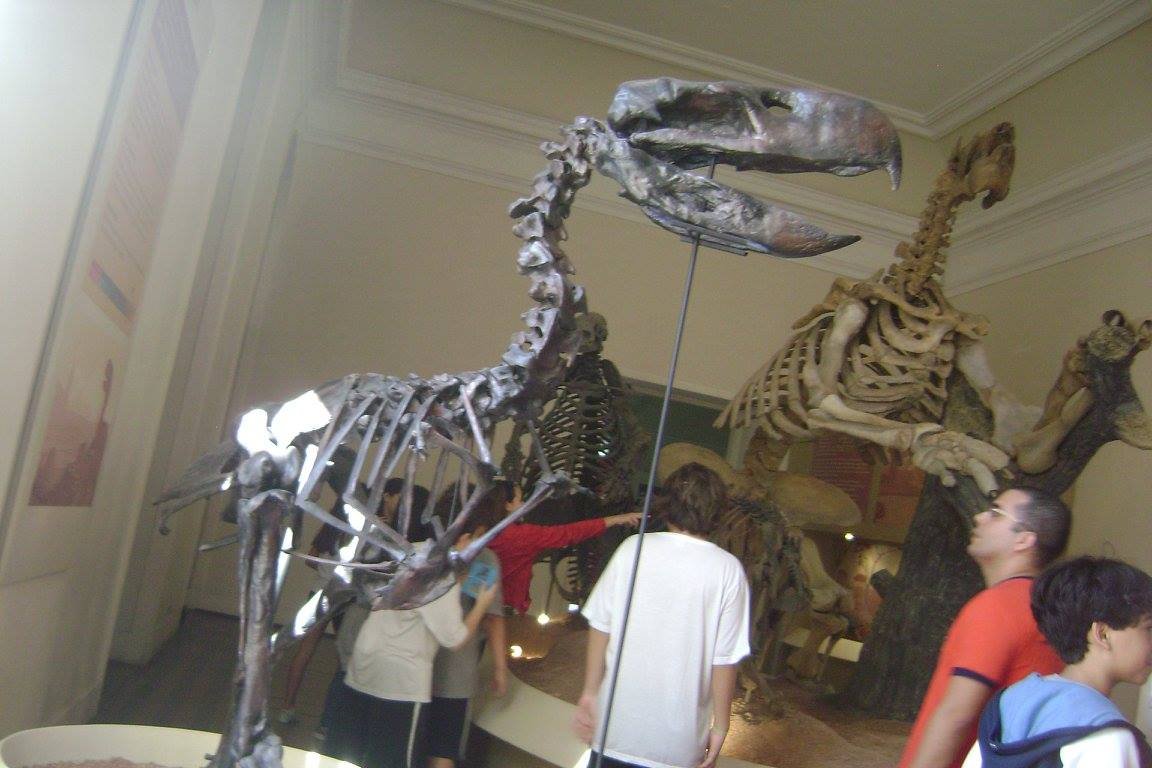
The extinction of megafauna is a puzzle that continues to intrigue scientists. Various theories have been proposed, ranging from climate change to overhunting by early humans. The reality is likely a combination of factors that converged to create a perfect storm for these giants. Understanding the causes of their extinction is crucial, as it provides insights into current biodiversity loss and the challenges faced by today’s species. The lessons learned from their disappearance are a reminder of the fragility of life and the need for conservation efforts.
Legacy in Modern Ecosystems
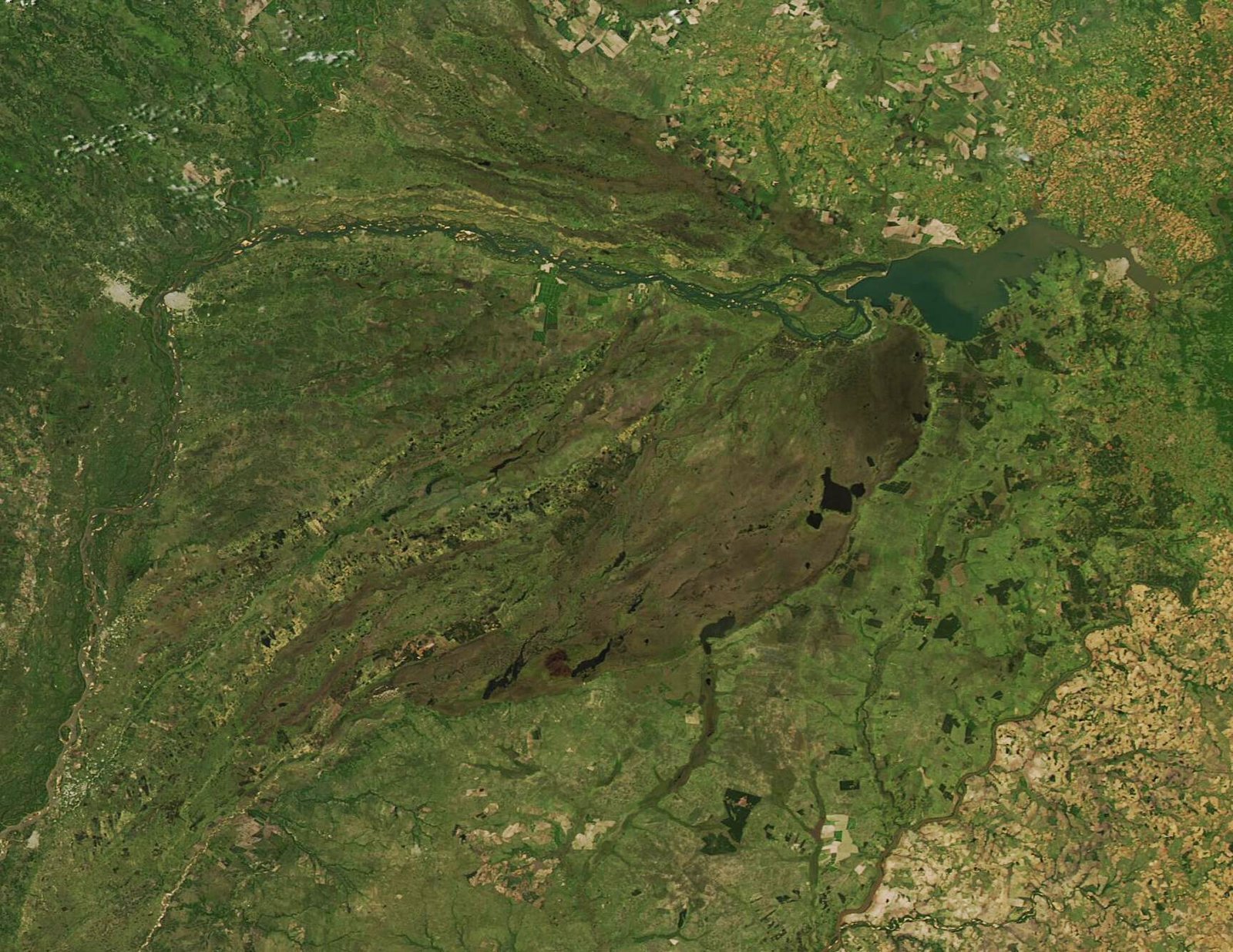
Despite their absence, the legacy of megafauna lives on in modern ecosystems. The landscapes they once shaped continue to bear the marks of their influence. In some regions, their absence has led to the emergence of new dominant species, while in others, the ecosystems have struggled to adapt. Scientists are exploring the possibility of rewilding, a process that aims to restore ecosystems by reintroducing similar species to fill the ecological roles once occupied by megafauna. This approach holds promise for restoring balance and biodiversity.
Lessons for Conservation Today
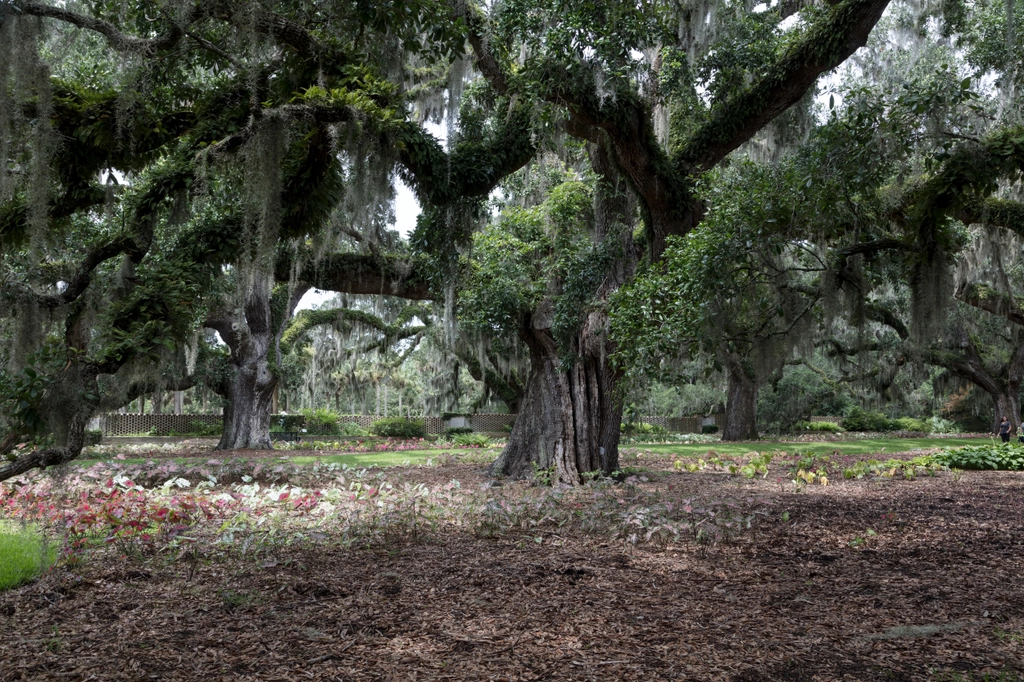
The story of megafauna offers valuable lessons for conservation efforts today. It highlights the importance of understanding ecological relationships and the roles different species play in maintaining ecosystem health. By studying past extinctions, we can better predict and mitigate the impacts of current environmental changes. Conservation strategies that focus on preserving entire ecosystems, rather than individual species, are more likely to succeed in maintaining biodiversity and ecological balance. The megafauna’s legacy serves as a guide for shaping a sustainable future.
Reimagining the Role of Humans

In light of the megafauna’s impact, it’s essential to reconsider the role of humans in shaping the environment. As the dominant species on Earth, we have the power to act as stewards of the planet, ensuring the preservation of ecosystems for future generations. This involves making conscious choices about land use, conservation, and sustainable practices. By learning from the past, we can create a harmonious coexistence between humans and nature, one that respects the intricate relationships that sustain life on Earth.
Reviving the Lost Gardeners
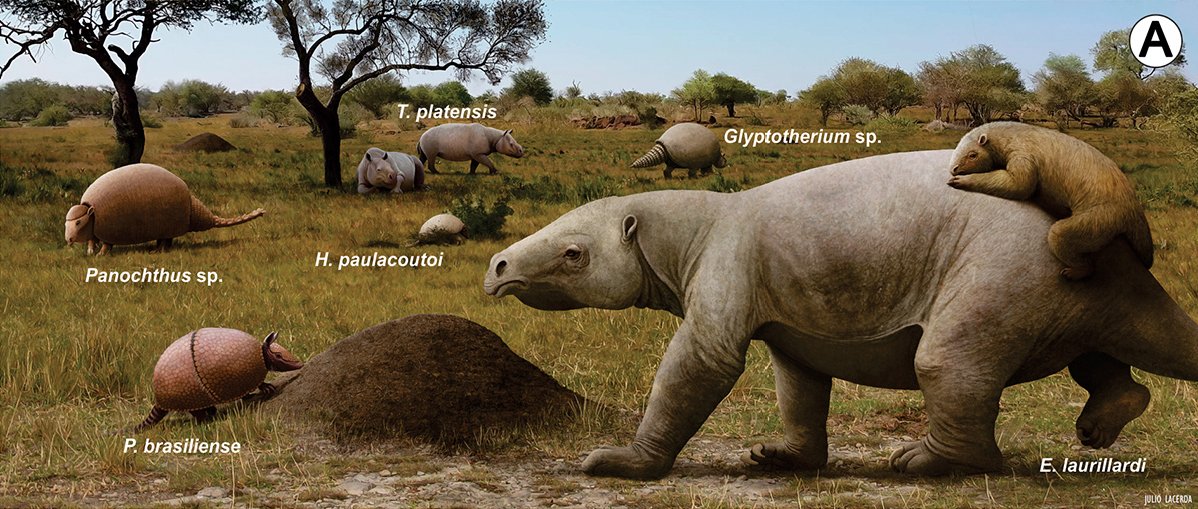
The idea of reviving the lost gardeners is not just about bringing back extinct species; it’s about rekindling the ecological processes they once facilitated. Through conservation, rewilding, and sustainable practices, we can emulate the roles played by these ancient creatures. By doing so, we can restore the balance of ecosystems, enhance biodiversity, and ensure the resilience of our planet. The legacy of megafauna is a testament to the power of nature’s architects, and it challenges us to become architects of a thriving future.