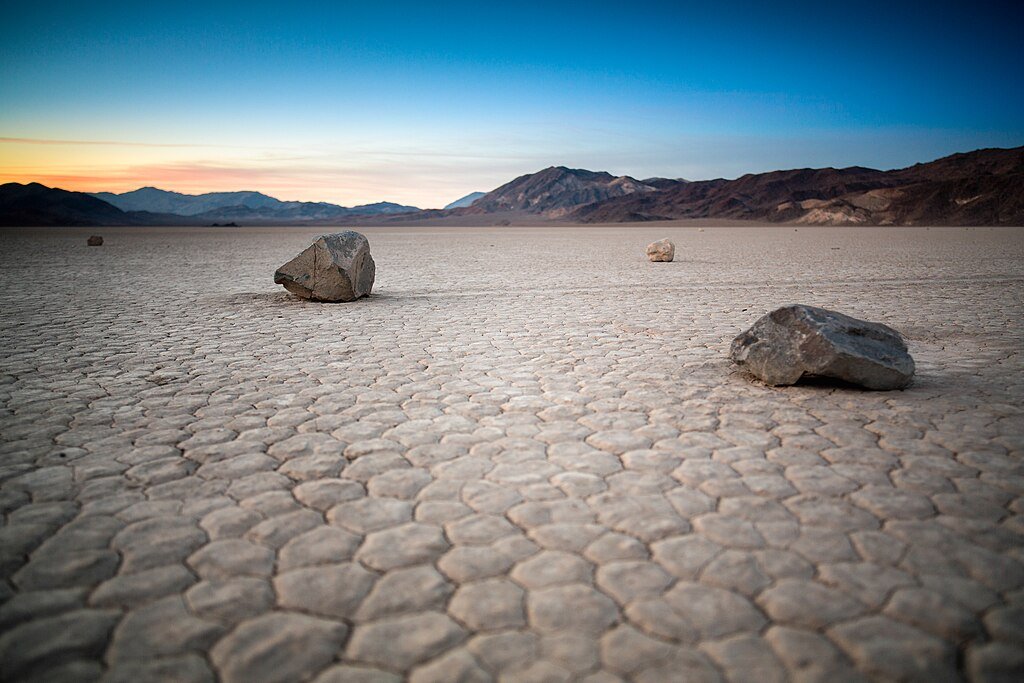
In the vast, seemingly barren stretches of the world’s deserts, an astonishing tale is unfolding. As climate change and human activity continue to shape our environment, deserts are slowly unveiling secrets buried for centuries. These regions, often seen as desolate wastelands, are in fact treasure troves of history, revealing long-lost civilizations that thrived in areas now dominated by sand and drought. The arid landscapes are proving to be more than just obstacles to survival; they are windows into the past, offering glimpses of human ingenuity and resilience.
The Hidden Cities Beneath the Sands

The shifting sands of the desert can often act like a time capsule, preserving ancient cities that have been hidden for millennia. As the wind reveals more of the landscape, archaeologists are discovering remnants of civilizations that once flourished in these harsh environments. For instance, the city of Ubar, often dubbed the “Atlantis of the Sands,” was uncovered in the Arabian Desert, revealing a once-thriving trade hub. These discoveries challenge our perceptions of deserts as empty wastelands, instead showcasing them as cradles of human innovation and adaptation.
How Climate Change Unveils the Past
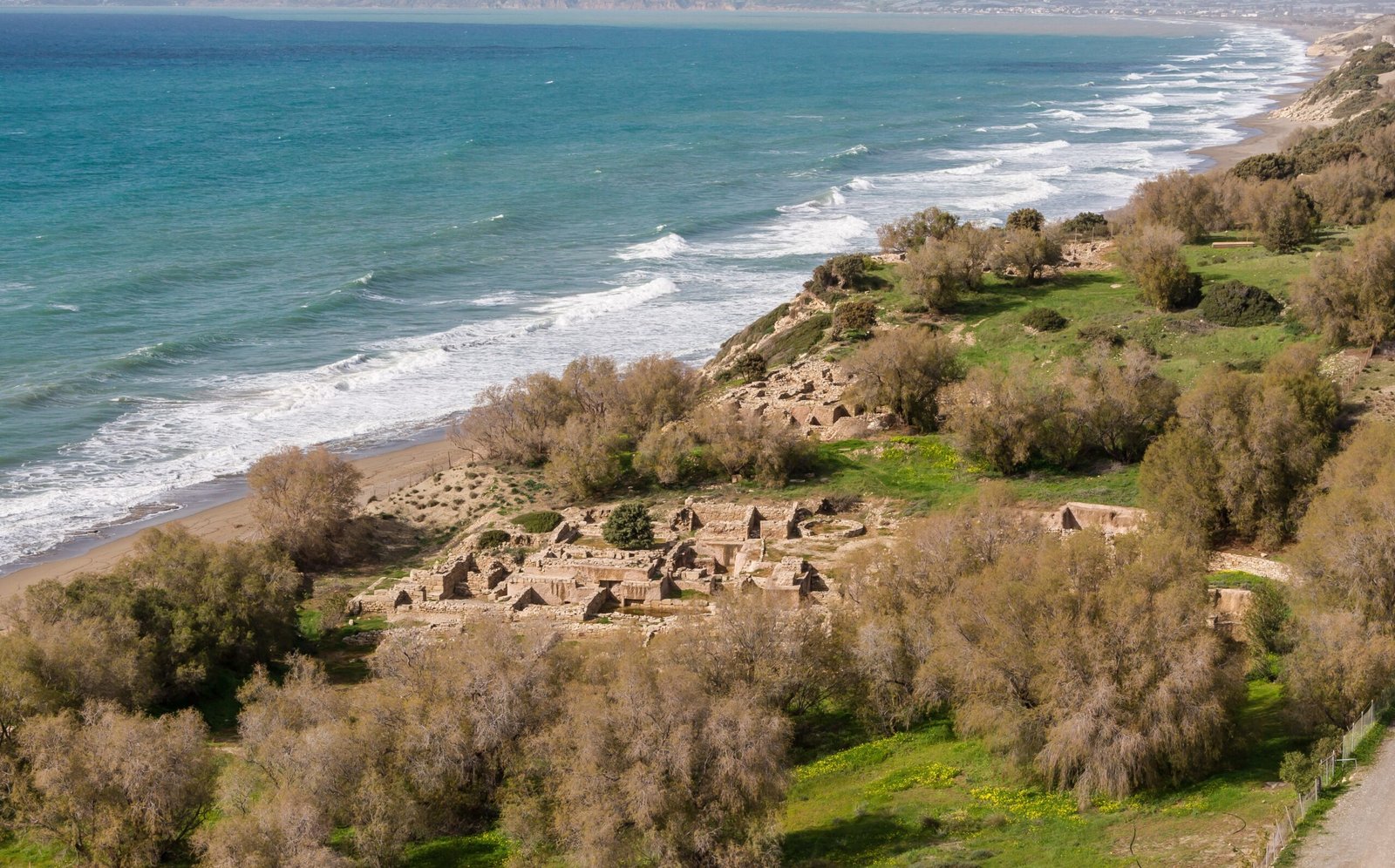
Climate change, often seen as a modern crisis, plays a significant role in unveiling the histories buried beneath deserts. As global temperatures rise, droughts become more frequent, and water sources dwindle, the landscape changes dramatically. This transformation causes the sand to shift, revealing ancient structures and artifacts. The drying up of Lake Mega-Chad, once one of the largest freshwater bodies in the world, exposed archaeological sites that have provided valuable insights into the societies that inhabited the region thousands of years ago.
The Role of Technology in Desert Discoveries
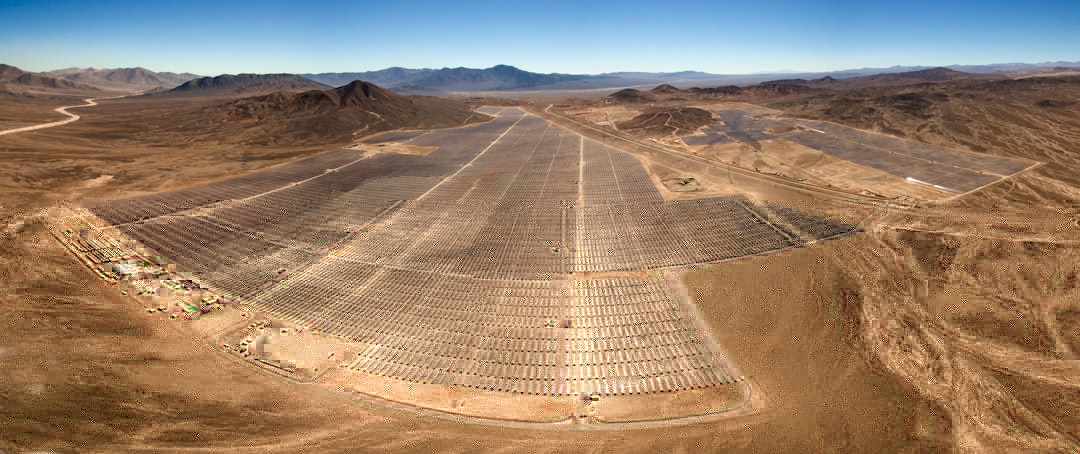
Modern technology is revolutionizing the way we explore and understand desert landscapes. Satellite imagery and ground-penetrating radar allow archaeologists to peer beneath the sand without disturbing the site. These tools have led to the discovery of entire cities and road networks in places like the Sahara Desert. With each new technological advancement, our ability to uncover and preserve ancient civilizations improves, providing a clearer picture of our shared human history.
Lessons from the Past: Water Management in Ancient Deserts
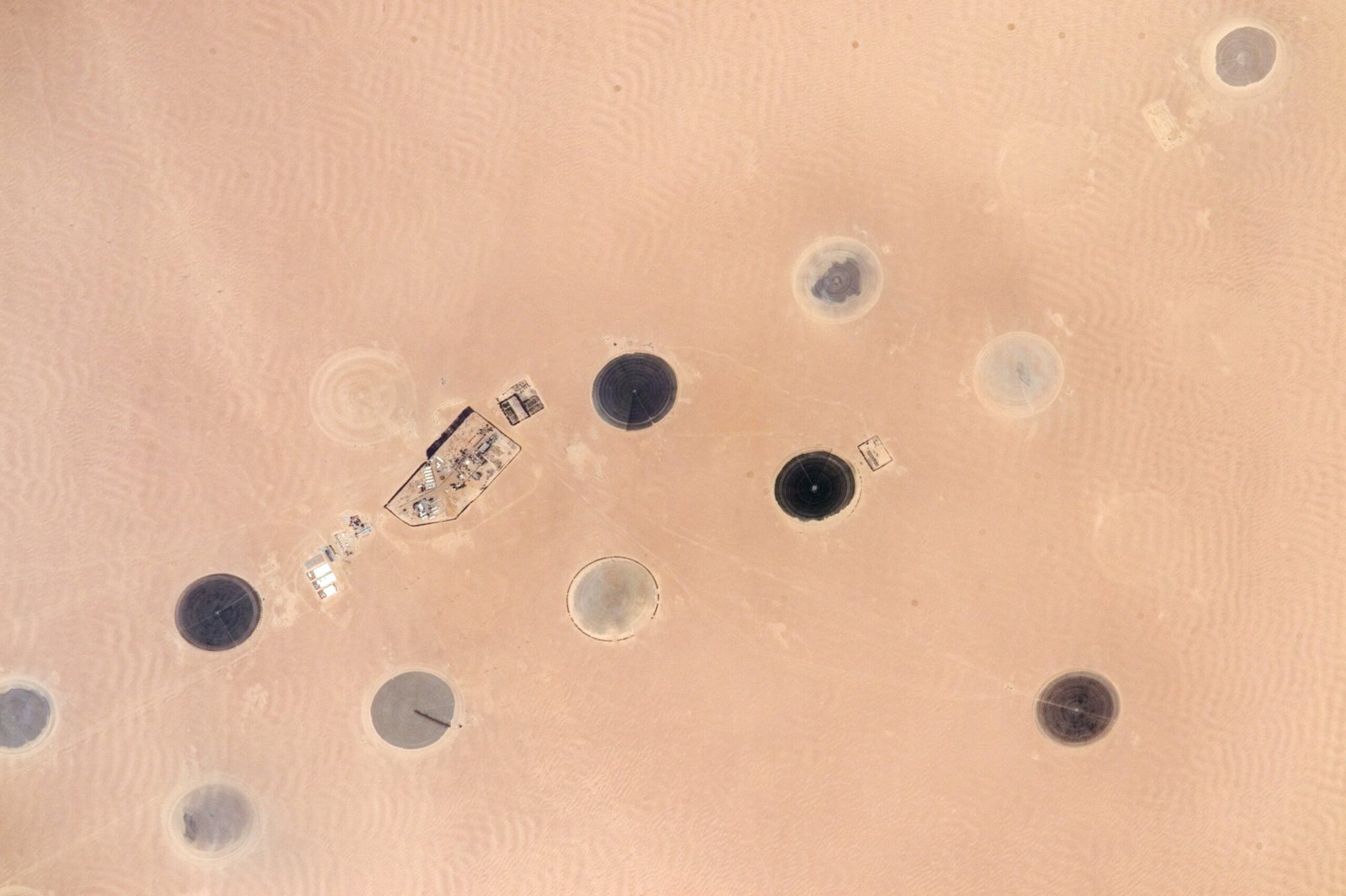
One of the most remarkable aspects of ancient desert civilizations is their sophisticated water management systems. Despite the harsh conditions, these societies developed ingenious methods to harness and conserve water. The Nabataeans of Petra, for example, built an intricate system of channels and cisterns to supply their city with water. These ancient techniques offer valuable lessons for modern societies facing water scarcity, highlighting the importance of sustainable resource management.
Desert Preservation: Protecting Our Heritage
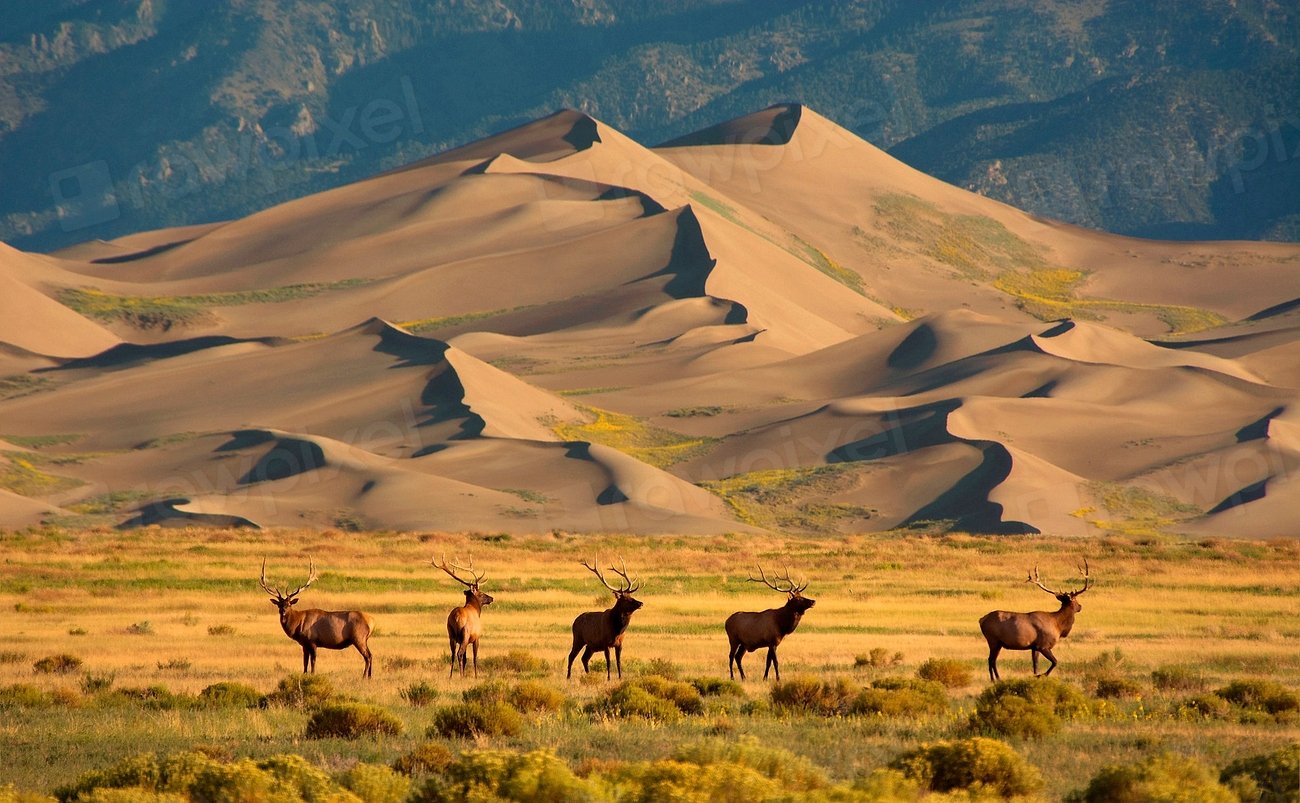
As deserts continue to reveal their secrets, the importance of preserving these sites becomes increasingly clear. The fragile nature of desert ecosystems means that once a site is disturbed, it can be lost forever. Efforts to protect and conserve these areas are crucial in ensuring that future generations can learn from and appreciate the rich history embedded in the sand. Organizations around the world are working to balance exploration with preservation, ensuring that these treasures remain intact.
The Mystery of the Nazca Lines
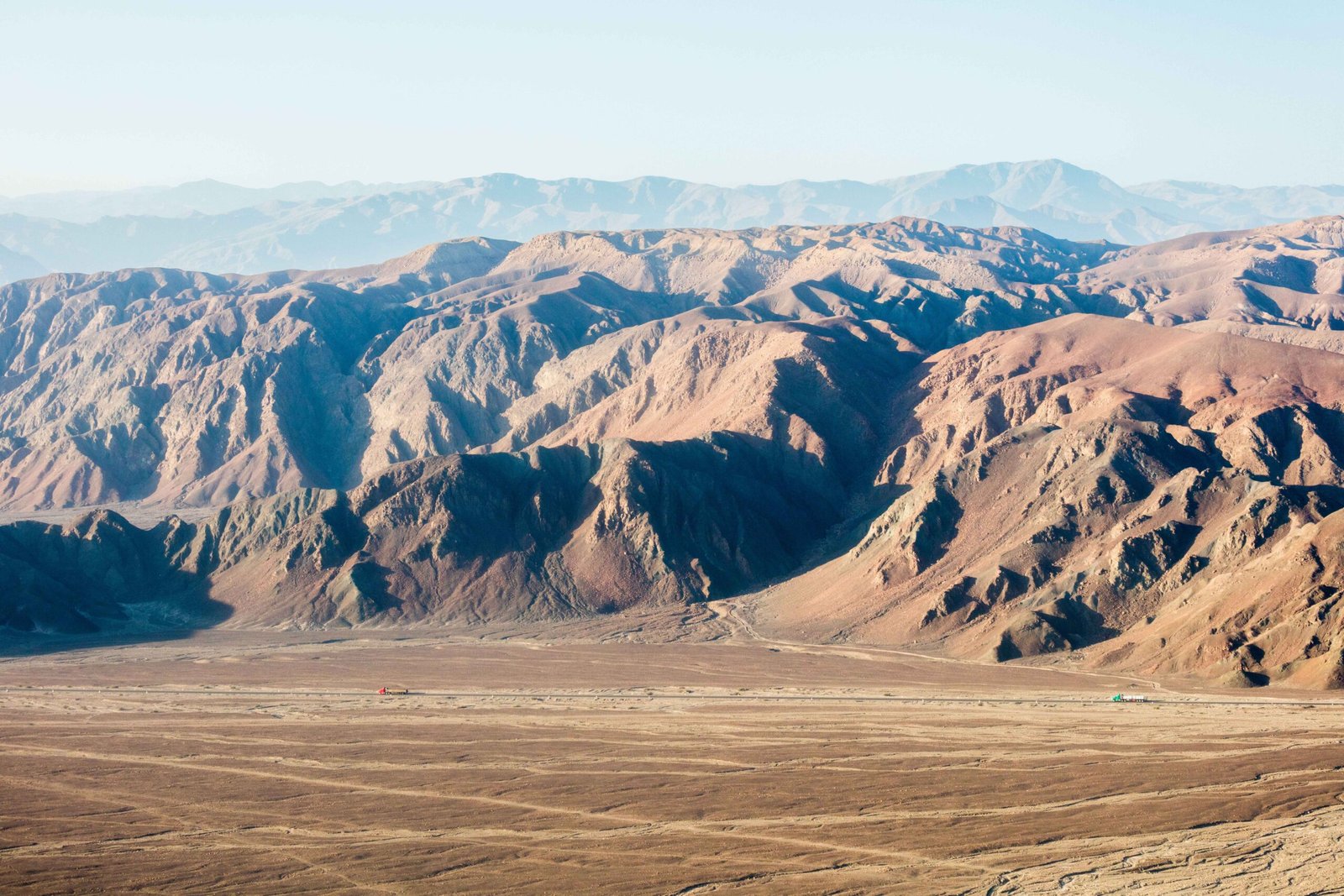
The Nazca Lines in Peru offer one of the most captivating examples of desert mysteries. These enormous geoglyphs, etched into the desert floor, depict a variety of animals and shapes. Despite extensive research, the purpose of these lines remains a mystery. Some theories suggest they were astronomical calendars or spiritual pathways, showcasing the complexity and depth of ancient civilizations’ understanding of their environment. The Nazca Lines continue to intrigue scientists and historians alike, inviting us to ponder the intentions of their creators.
From Sand to Soil: The Changing Face of Deserts
Deserts are not static landscapes; they are constantly evolving. Human intervention and climate change are transforming these regions, sometimes turning sand into fertile soil. Initiatives like the “Great Green Wall” in Africa aim to combat desertification and restore ecosystems, demonstrating the potential for deserts to support life once more. As these projects take shape, they may uncover even more remnants of ancient civilizations, buried beneath the transforming terrain.
Archaeological Challenges in Arid Environments
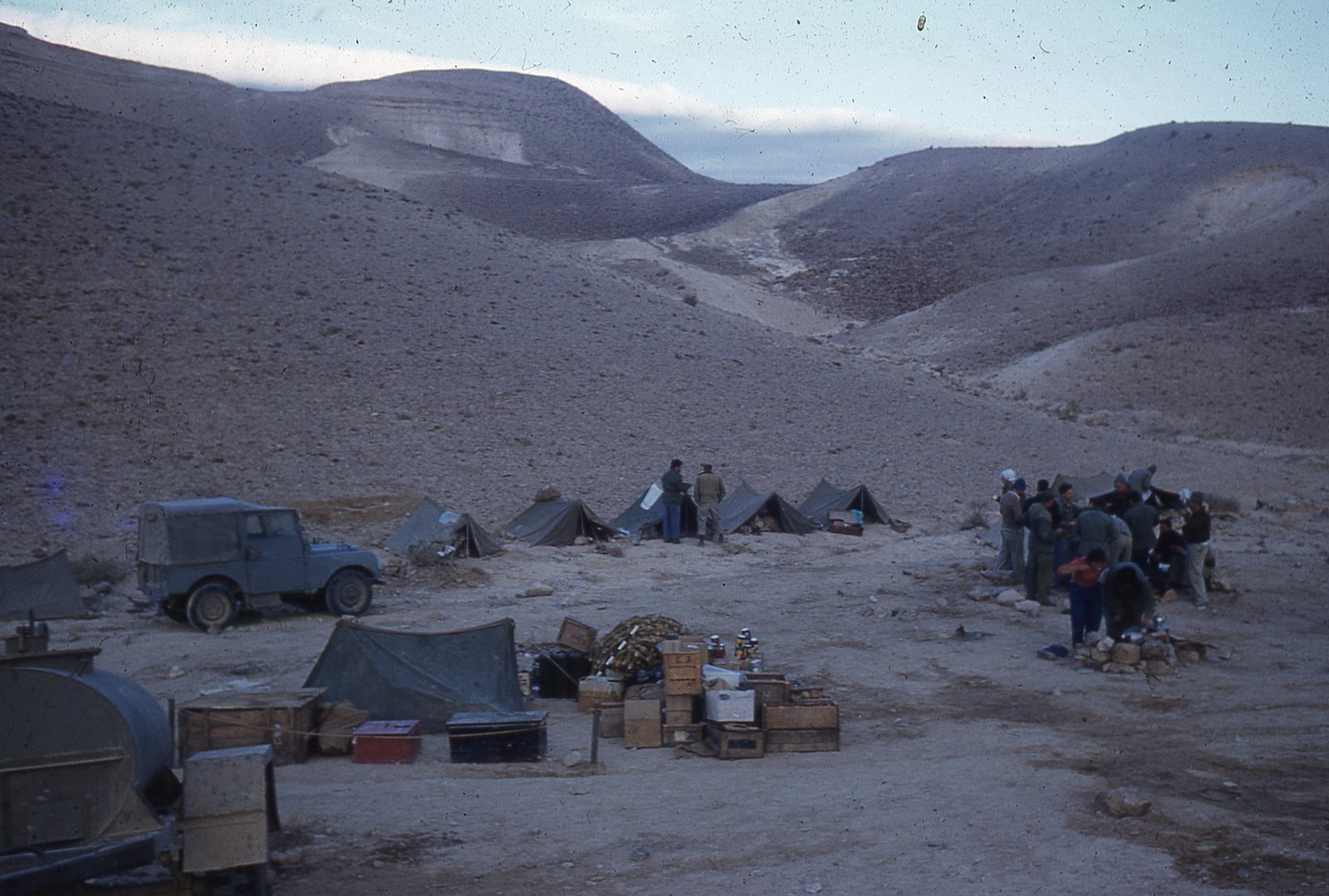
Unearthing history in deserts comes with its own set of challenges. The extreme temperatures and shifting sands can make excavation difficult and dangerous. Researchers must navigate these obstacles carefully, often relying on local knowledge and expertise to guide their efforts. Despite these challenges, the rewards of uncovering lost civilizations are immense, providing invaluable insights into human history and resilience.
Deserts as Cultural Crossroads
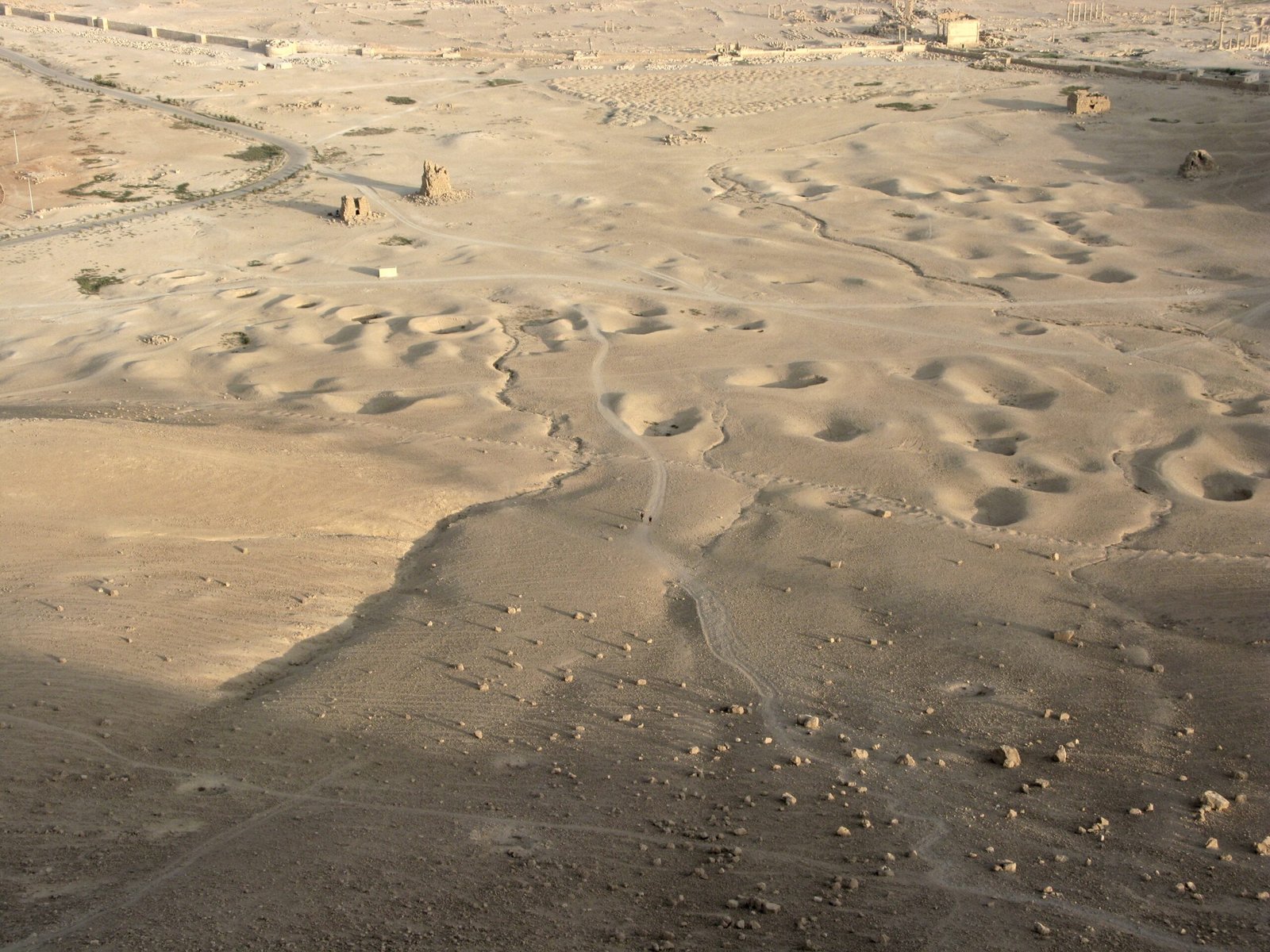
Throughout history, deserts have served as cultural crossroads, connecting distant societies through trade and migration. The Silk Road, for example, traversed the deserts of Central Asia, facilitating the exchange of goods, ideas, and cultures. These interactions have left a lasting impact on the regions, with archaeological evidence revealing a rich tapestry of influences. Understanding these connections helps us appreciate the role deserts have played in shaping our world.
The Future of Desert Archaeology

As interest in desert archaeology grows, so does the potential for new discoveries. The combination of advanced technology and increased awareness of the importance of preserving these sites is paving the way for future breakthroughs. As we continue to probe the secrets hidden in the sand, we not only uncover the stories of long-lost civilizations but also gain a deeper understanding of our own place in history.