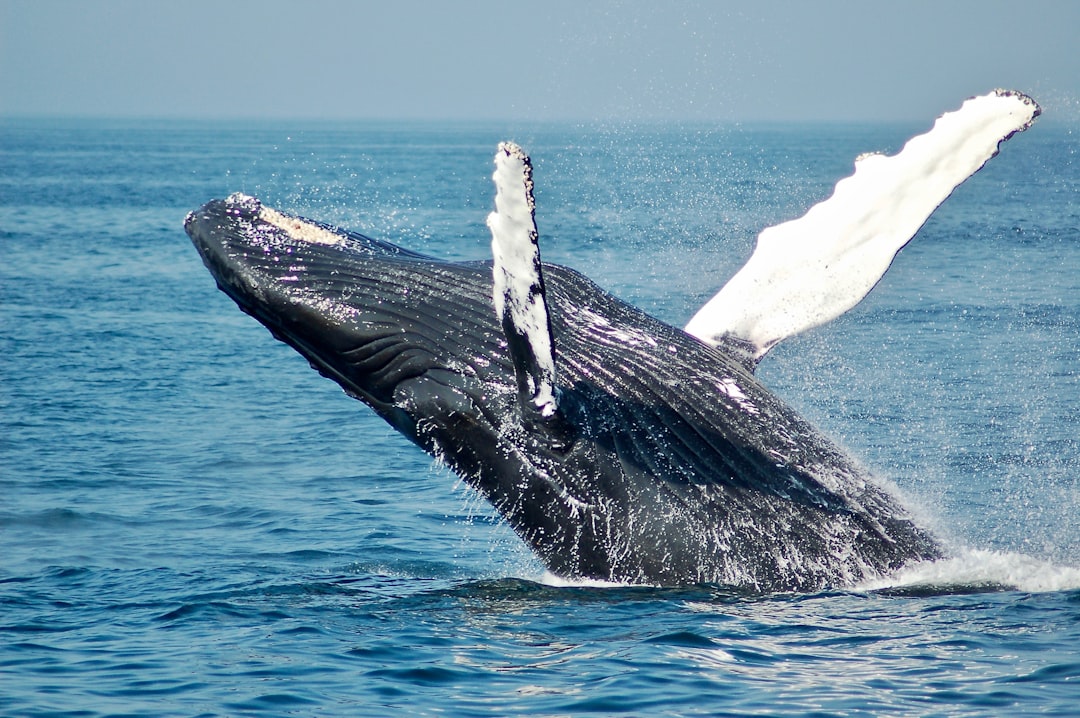
On a quiet morning, as the sun paints the ocean with hues of gold, a magnificent creature breaks the surface, taking a deep breath of the fresh sea air. This sight, once a rarity, is becoming more common thanks to the global ban on whaling. The giants of the sea, the whales, are making a triumphant return to their natural habitats, marking a significant victory for conservation efforts worldwide. This remarkable resurgence tells a story of resilience and hope, a testament to what humanity can achieve when it decides to protect rather than exploit.
The Historical Context of Whaling
For centuries, whaling was a widespread practice, deeply embedded in many cultures around the world. Whales were hunted for their oil, meat, and baleen, serving as vital resources for energy and materials. In the 19th century, whale oil was a primary source of lighting fuel, making it highly valuable. However, as demand grew, so did the scale of hunting, leading to a sharp decline in whale populations. The once-abundant giants of the sea were driven to the brink of extinction, with some species nearly disappearing entirely. This overexploitation highlighted the urgent need for change.
The Turning Point: A Global Ban
The shift towards protecting whales began in the mid-20th century, as scientists and conservationists raised alarms about the declining populations. The International Whaling Commission (IWC), established in 1946, played a pivotal role in regulating whaling activities. In 1986, a significant milestone was achieved when the IWC implemented a global moratorium on commercial whaling. This decision was not just a regulatory change; it was a paradigm shift in how humanity viewed its relationship with these majestic creatures. The ban marked the beginning of a new era, focusing on conservation and sustainable management.
Scientific Advancements and Whaling
Scientific advancements have been crucial in understanding the complex lives of whales and the impact of whaling. Research has revealed the critical roles whales play in marine ecosystems, from nutrient cycling to supporting fish populations. This knowledge has fueled conservation efforts, highlighting the ecological importance of whales beyond their economic value. Acoustic monitoring and satellite tracking have become essential tools in studying whale behavior and migration patterns, providing invaluable data for their protection. These technologies have not only improved our understanding but have also fostered a deeper appreciation for these intelligent beings.
The Role of Public Awareness
Public awareness has been a driving force in the fight against whaling. Documentaries, books, and media campaigns have brought the plight of whales into the global spotlight, galvanizing public support for conservation measures. Influential figures and organizations have championed the cause, using their platforms to educate and inspire action. This widespread awareness has led to increased pressure on governments to uphold and enforce the whaling ban. It has also encouraged responsible tourism practices, allowing people to experience the beauty of whales in their natural habitats without causing harm.
Economic Impacts and Alternatives

The global ban on whaling has had significant economic implications, particularly for communities historically reliant on whaling for their livelihoods. However, it has also opened up new opportunities in sustainable tourism and marine conservation. Whale watching has emerged as a lucrative industry, attracting millions of tourists worldwide and generating substantial revenue. This shift towards sustainable practices demonstrates that economic growth and environmental protection can coexist. By investing in alternative livelihoods, communities can benefit from the presence of whales while ensuring their long-term survival.
Challenges and Controversies
Despite the progress made, challenges and controversies persist. Some nations continue to engage in whaling under the guise of scientific research or cultural traditions, raising ethical and legal questions. The IWC faces ongoing debates over its role and effectiveness in enforcing the ban. Moreover, whales continue to face threats from climate change, pollution, and habitat destruction. Addressing these challenges requires international cooperation and a commitment to upholding conservation principles. It is a reminder that the fight to protect whales is far from over and demands continued vigilance.
Success Stories of Whale Populations
The global ban on whaling has yielded remarkable success stories, with several whale populations showing signs of recovery. Species such as the humpback and blue whales, once on the brink of extinction, are making a comeback, delighting scientists and enthusiasts alike. These success stories serve as powerful examples of what can be achieved through dedicated conservation efforts. They offer hope for other endangered species and reinforce the importance of maintaining and strengthening protective measures. The return of these majestic creatures is a testament to nature’s resilience and the positive impact of human intervention.
Whales as Ecosystem Engineers
Whales are often referred to as “ecosystem engineers” due to their significant influence on marine environments. Their feeding and migration patterns contribute to nutrient cycling, supporting the productivity of ocean ecosystems. Whale feces, rich in iron and nitrogen, fertilize phytoplankton, which forms the base of the marine food web. This process, known as the “whale pump,” enhances the ocean’s capacity to absorb carbon dioxide, playing a role in mitigating climate change. Understanding these ecological functions underscores the importance of protecting whales, not only for their intrinsic value but also for the health of our planet.
The Emotional Connection to Whales
Whales possess an enigmatic allure that captivates people around the world. Their intelligence, complex social structures, and haunting songs evoke a sense of wonder and connection. This emotional bond has fueled a global movement to protect these giants of the sea. Stories of individual whales, such as the beloved humpback Megaptera, have touched hearts and inspired action. The emotional connection to whales transcends cultural and geographical boundaries, uniting people in a shared commitment to their conservation. It serves as a powerful reminder of our responsibility to protect the natural world.
The Future of Whale Conservation
Looking ahead, the future of whale conservation hinges on continued collaboration and innovation. Strengthening international agreements, investing in research, and addressing emerging threats are crucial steps in ensuring the survival of whale populations. Engaging local communities and fostering sustainable practices will play a pivotal role in achieving long-term success. The return of whales is a testament to the power of collective action and the potential for positive change. As we move forward, let us remember the lessons of the past and strive to create a future where whales thrive alongside us in harmony.