In the mysterious depths of the ocean, where sunlight barely penetrates, a bizarre and fascinating interaction unfolds between crabs and a peculiar parasite. This relationship is not one of mutual benefit, but rather a sinister transformation orchestrated by the parasitic barnacle known as Sacculina carcini. This creature defies the norms of parasitism by not only invading the host’s body but also taking control of its very nature. The story of this parasitic barnacle is a tale of biological manipulation that reads almost like science fiction, yet it is an astonishing reality in the marine world.
The Mysterious Life of Sacculina Carcini
Sacculina carcini is a type of barnacle that has evolved a unique way of life. Unlike its relatives, which attach themselves to rocks and ships, Sacculina embarks on a more insidious journey. It begins life as a free-swimming larva, searching for its unsuspecting crab host. Once a suitable crab is found, the parasite injects its cells into the host, abandoning its outer shell. This initial act of invasion is just the beginning of a complex life cycle that will ultimately turn the crab into a mere vessel for the barnacle’s reproductive purposes.
How the Invasion Begins
The process of infection starts when the female Sacculina finds a vulnerable crab. It pierces the crab’s exoskeleton with a needle-like appendage and injects its cells. These cells then spread through the crab’s body, growing tendrils that reach into every corner. This invasive spread is akin to a plant’s roots delving through the soil, but here it’s a parasitic network overtaking the crab’s internal systems. The crab, unable to detect this silent takeover, continues its daily life, unaware of the changes occurring within.
A Puppet Master in Disguise
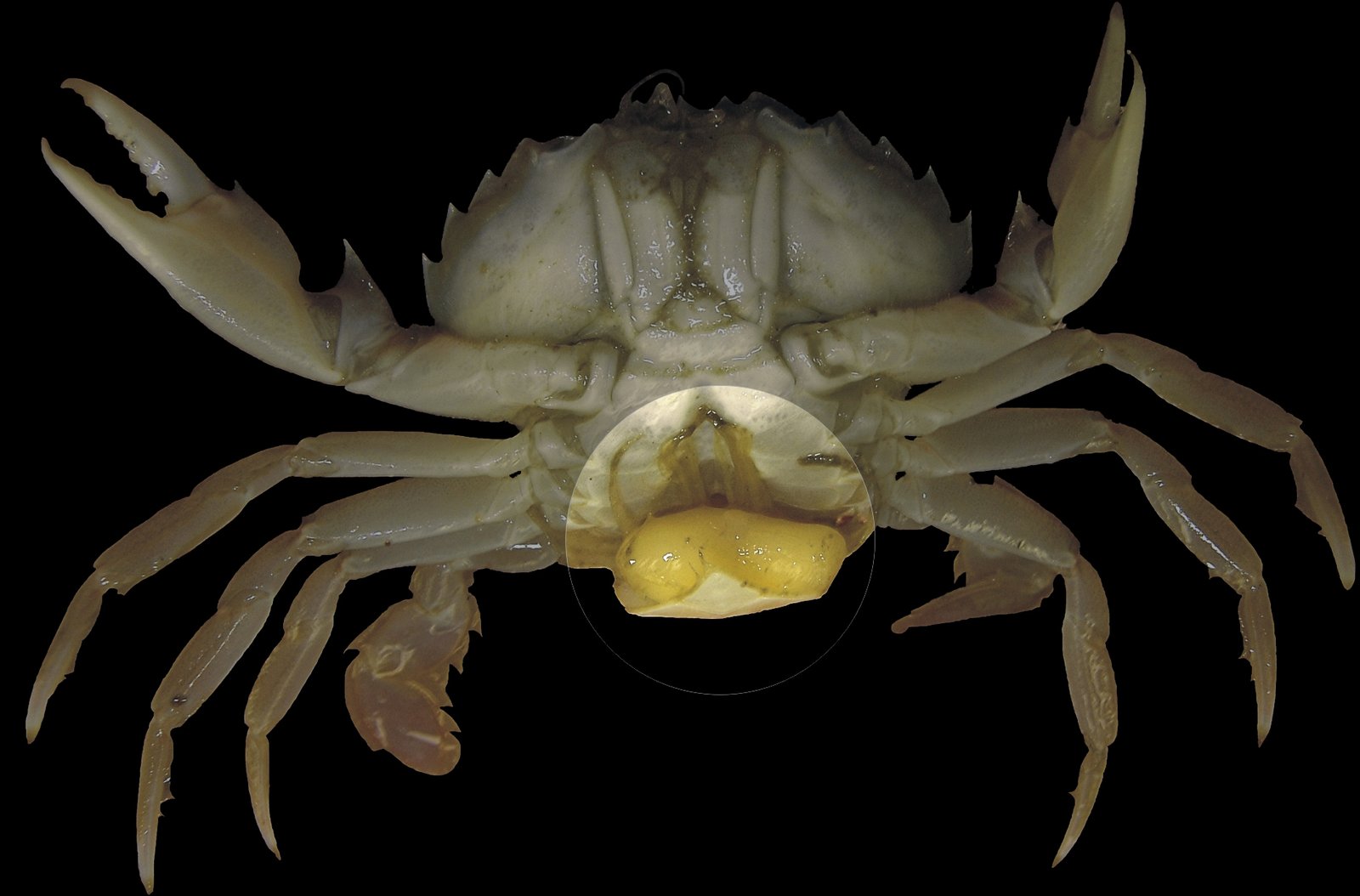
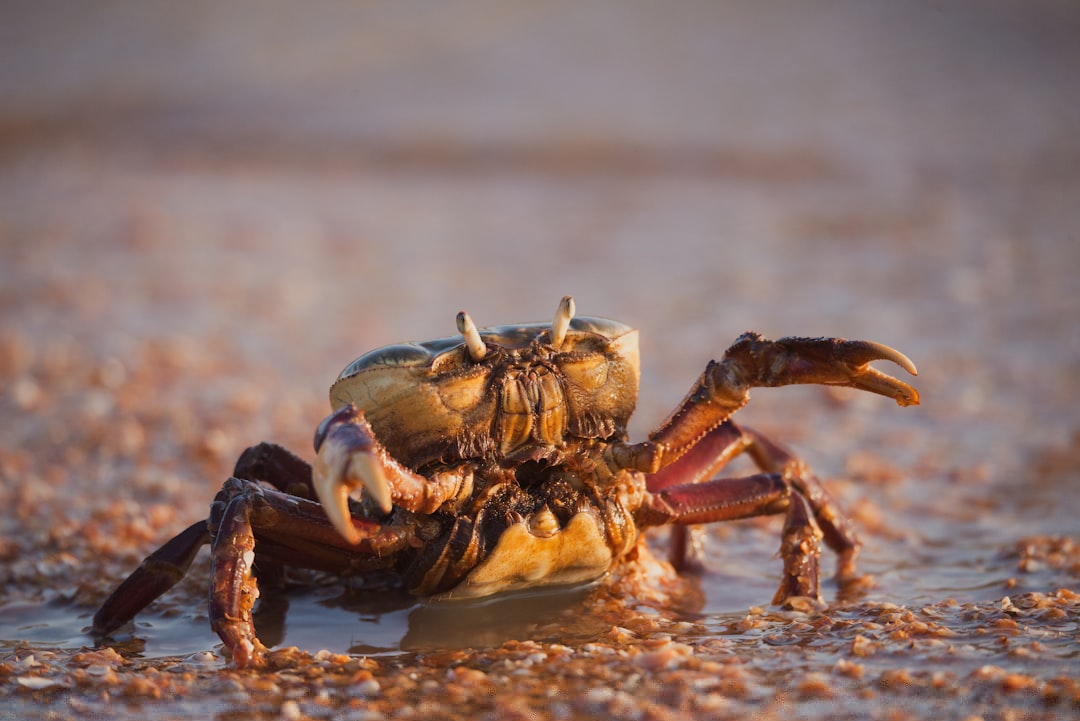
Once established inside the crab, Sacculina begins to assert control over its host’s behavior. The parasite manipulates the crab’s hormonal balance, effectively neutering it. Male crabs undergo feminization, losing their secondary sexual characteristics. The crab ceases to molt and becomes infertile, dedicating its energy to the parasite’s needs. It is a chilling transformation, as the crab is no longer acting on its own volition but is driven by the commands of its parasitic invader.
The Surrogate Mother
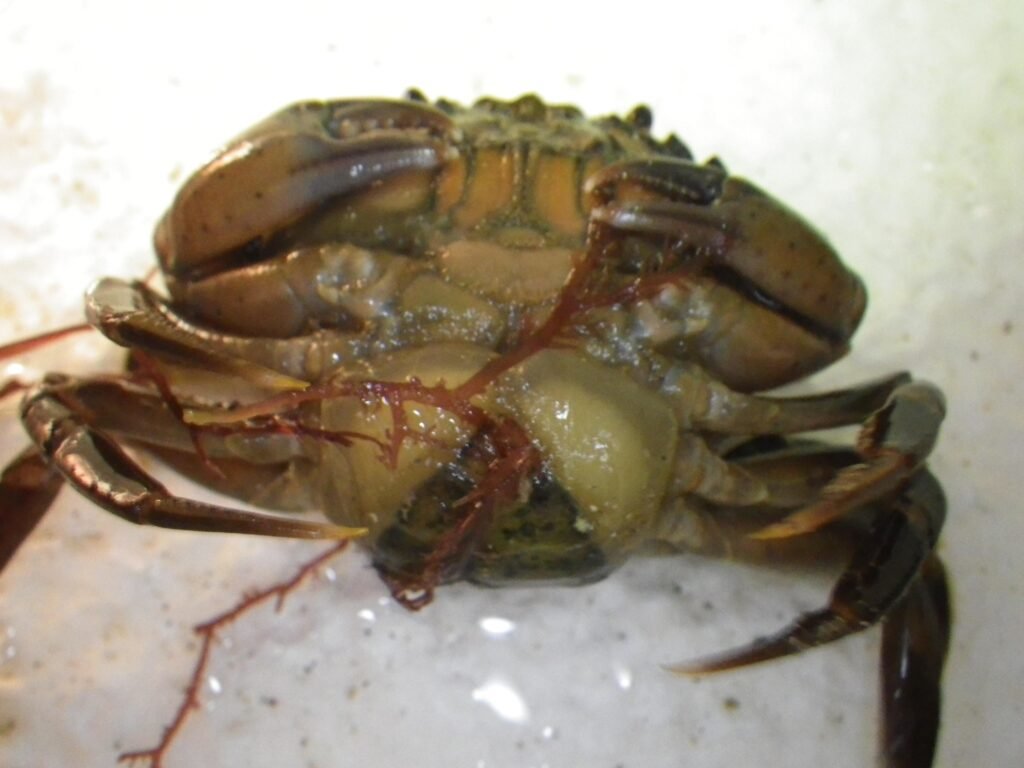
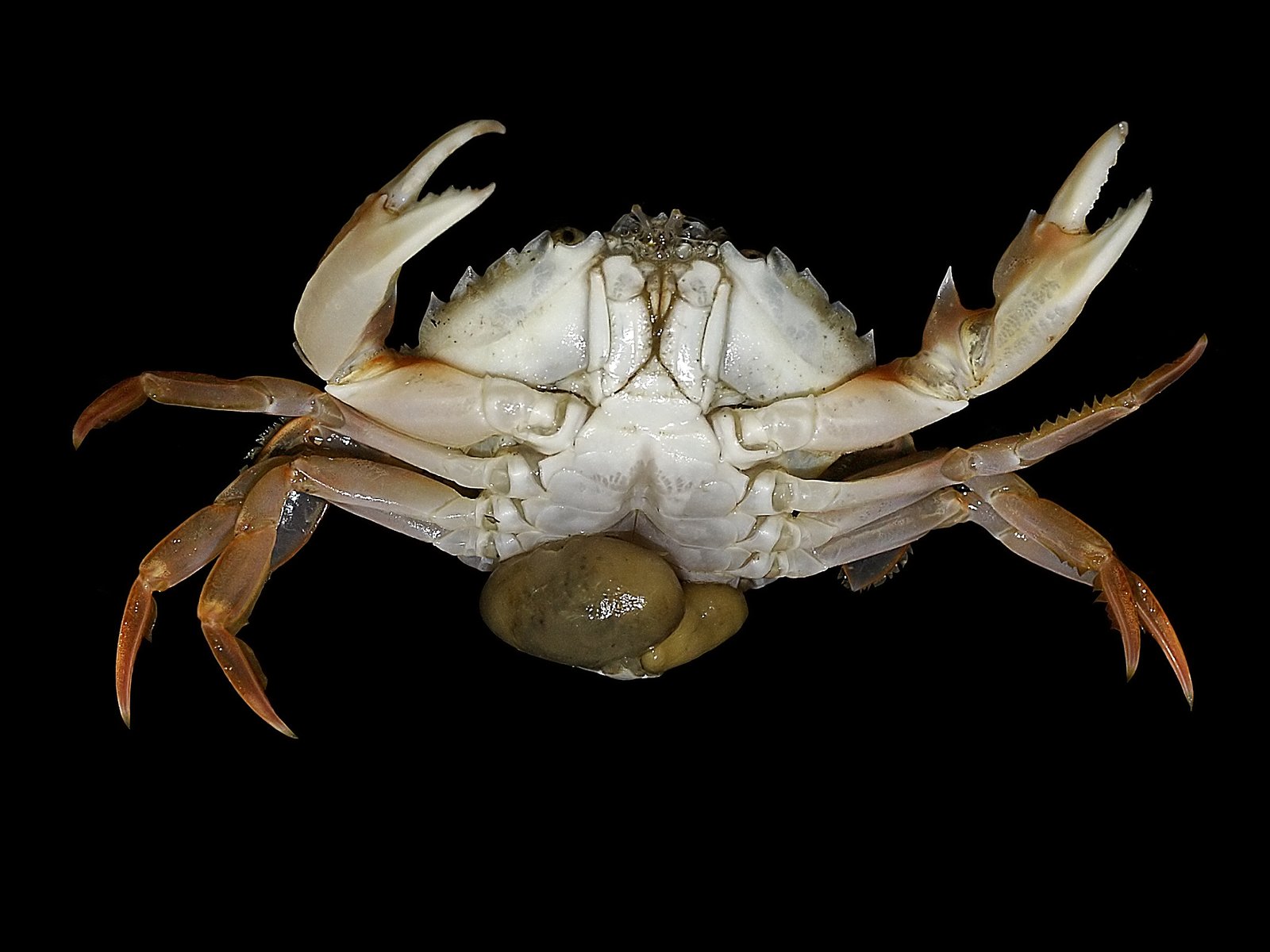
Perhaps the most extraordinary aspect of Sacculina’s parasitism is its reproductive strategy. The parasite forms a bulge on the crab’s abdomen, resembling an egg sac. The crab, now devoid of its reproductive capabilities, is tricked into caring for this sac as if it were its own offspring. This includes cleaning and aerating the parasite’s eggs. In this way, the crab becomes a surrogate mother, nurturing the next generation of its own parasite captors. It’s a grim role reversal where the host becomes a caregiver for its invader’s progeny.
Biological Control: A Marvel of Evolution
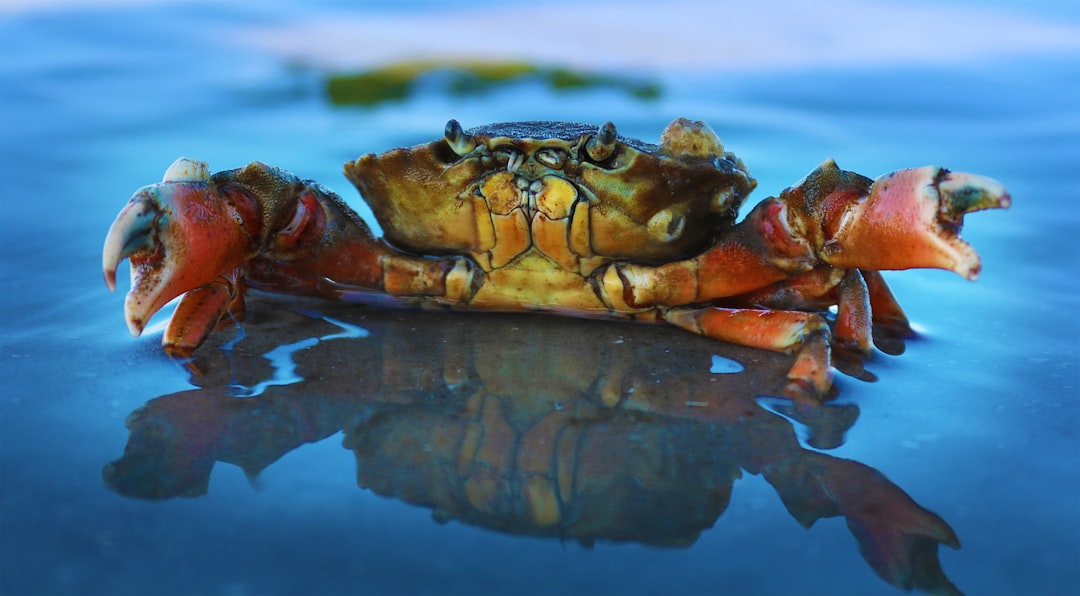
The ability of Sacculina to manipulate its host so thoroughly is a testament to the power of evolutionary adaptation. This parasitic relationship showcases how organisms can evolve complex mechanisms to survive and reproduce. Sacculina doesn’t simply steal resources from its host; it hijacks the crab’s entire existence. This level of control is rare in nature and highlights the intricate dance of survival that defines life in the ocean’s depths.
Effects on Crab Populations
The presence of Sacculina can have significant impacts on crab populations. As infected crabs are no longer capable of reproduction, local crab numbers can decline. This has ripple effects throughout the ecosystem, as crabs play key roles in their habitats. They are both predators and prey, and their population dynamics affect a wide range of marine life. The parasitic barnacle, therefore, doesn’t just alter individual crabs but can influence entire marine communities.
Scientific Curiosity and Research
The strange relationship between Sacculina and crabs has long fascinated scientists. By studying this parasitic interaction, researchers gain insights into host-parasite dynamics and the evolutionary arms race that shapes life on Earth. Sacculina’s ability to control its host offers a unique window into the mechanisms of biological manipulation. These studies not only enhance our understanding of marine biology but also contribute to broader scientific knowledge about parasitism.
Lessons from Nature’s Dark Side
The tale of Sacculina and its crab hosts serves as a reminder of the complexity and unpredictability of nature. It challenges our perceptions of life and survival, revealing the darker strategies that some organisms employ to thrive. While unsettling, these parasitic interactions underscore the diversity of life and the myriad ways it has adapted to exist. The story of Sacculina carcini is a testament to the endless possibilities of evolution and the intricate web of life that covers our planet.
Implications for Human Understanding
Studying Sacculina and its effects on crabs can have broader implications for human understanding of biology and ecology. It highlights the importance of biodiversity and the interconnectivity of ecosystems. Such knowledge can inform conservation efforts and the management of marine environments. By learning from these natural phenomena, we can better appreciate the delicate balance that sustains life on Earth and the potential consequences of disrupting it.
Final Thoughts
The parasitic barnacle Sacculina carcini reveals a world of biological intrigue beneath the ocean waves. Its ability to turn crabs into mindless hosts challenges our understanding of parasitism and highlights the remarkable adaptability of life. This story reminds us of the wonders and complexities of nature, urging us to explore and protect the delicate ecosystems that nurture such fascinating interactions.