
Imagine walking through a bustling city, unaware that beneath your feet lies a treasure trove of ancient ruins and prehistoric fossils. This hidden world beneath modern urban landscapes is a testament to the rich tapestry of human history and Earth’s natural past. As cities expand and evolve, they often envelop layers of history, from forgotten civilizations to remnants of creatures that roamed the earth millions of years ago. This article explores how cities are built over these hidden marvels, revealing the intricate dance between urban development and historical preservation.
The Layers Beneath Our Feet
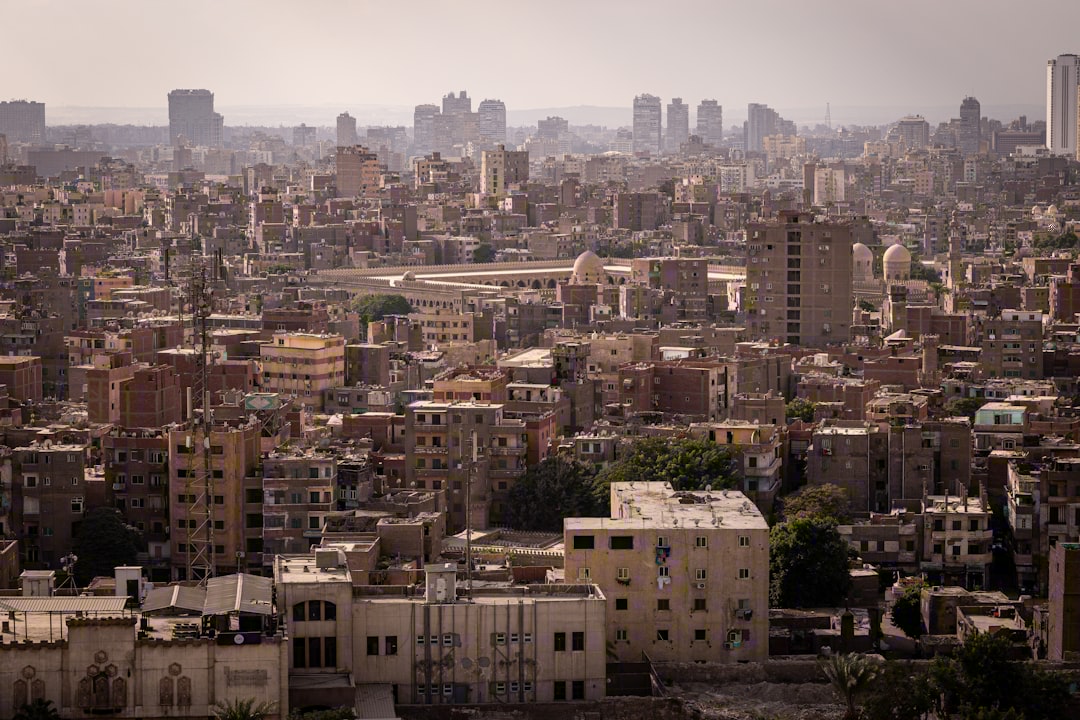
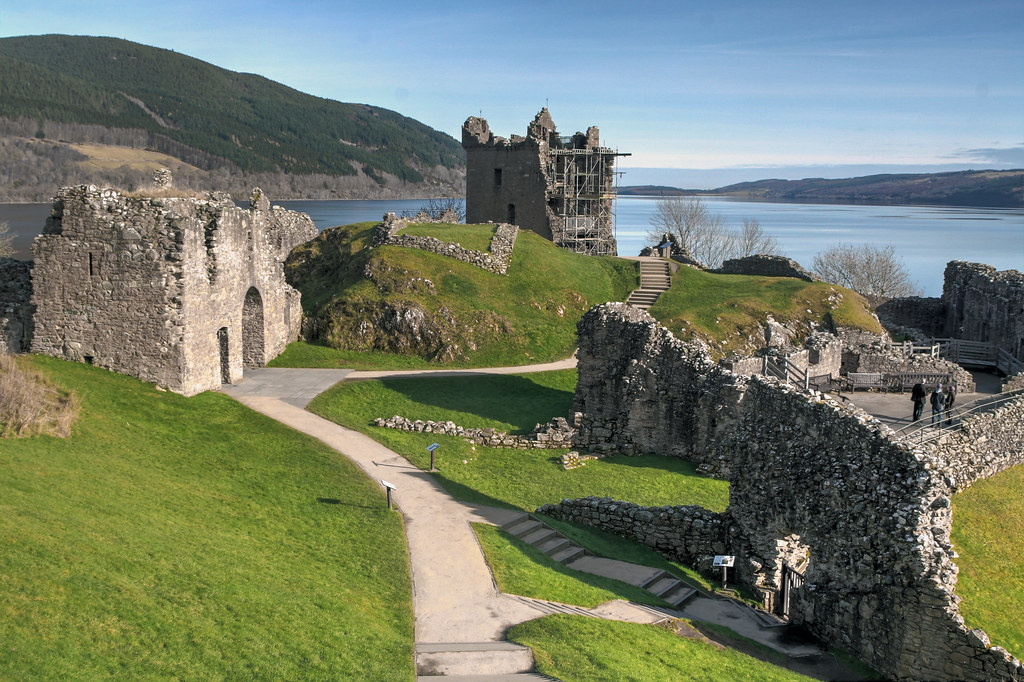
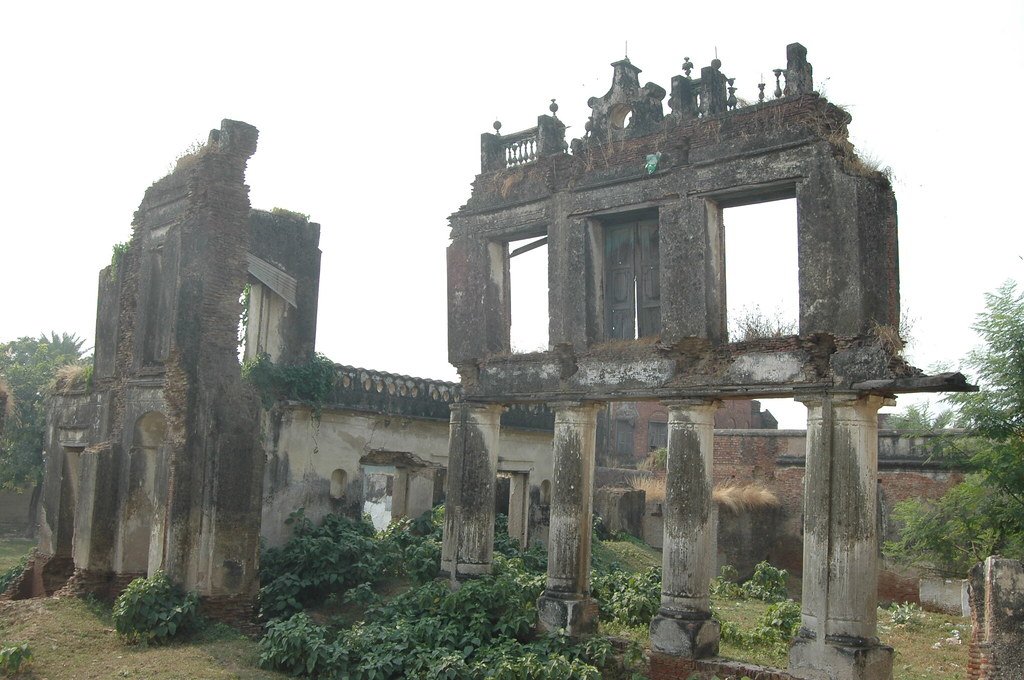
Cities are like onions, with layers of history stacked one atop the other. Underneath the concrete and steel, many urban centers are built on top of previous settlements. These layers tell stories of past societies, their triumphs, and their downfalls. In Rome, for instance, modern buildings sit above the ruins of the ancient Roman Empire. Archaeologists often find fragments of pottery, coins, and even entire streets frozen in time. Each layer represents a different era, offering a glimpse into the lives of those who came before us.
Urban Archaeology: Unveiling the Past
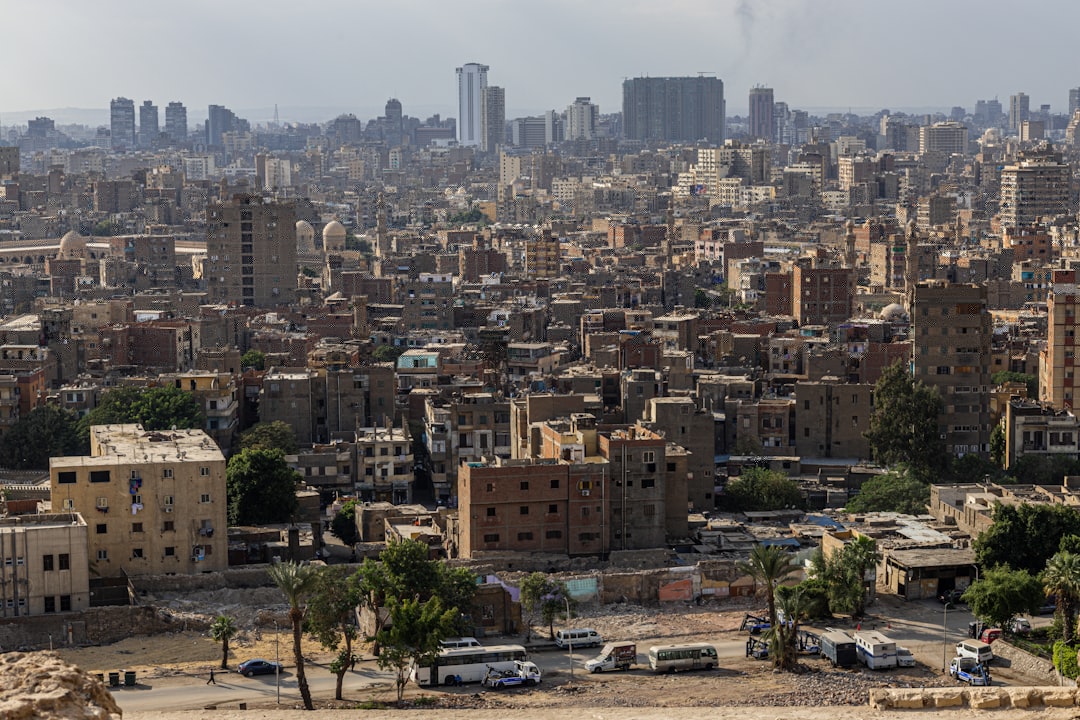
Urban archaeology is a field dedicated to exploring these buried histories. Unlike traditional archaeology, which often takes place in remote areas, urban archaeologists work amidst the hustle and bustle of city life. Their work often involves digging under existing structures, making discoveries that reshape our understanding of history. For example, in London, the excavation of a new railway line led to the discovery of a Roman temple and countless artifacts, providing new insights into the city’s ancient past. These finds are crucial in piecing together the complex puzzle of human history.
The Challenges of Building Over History
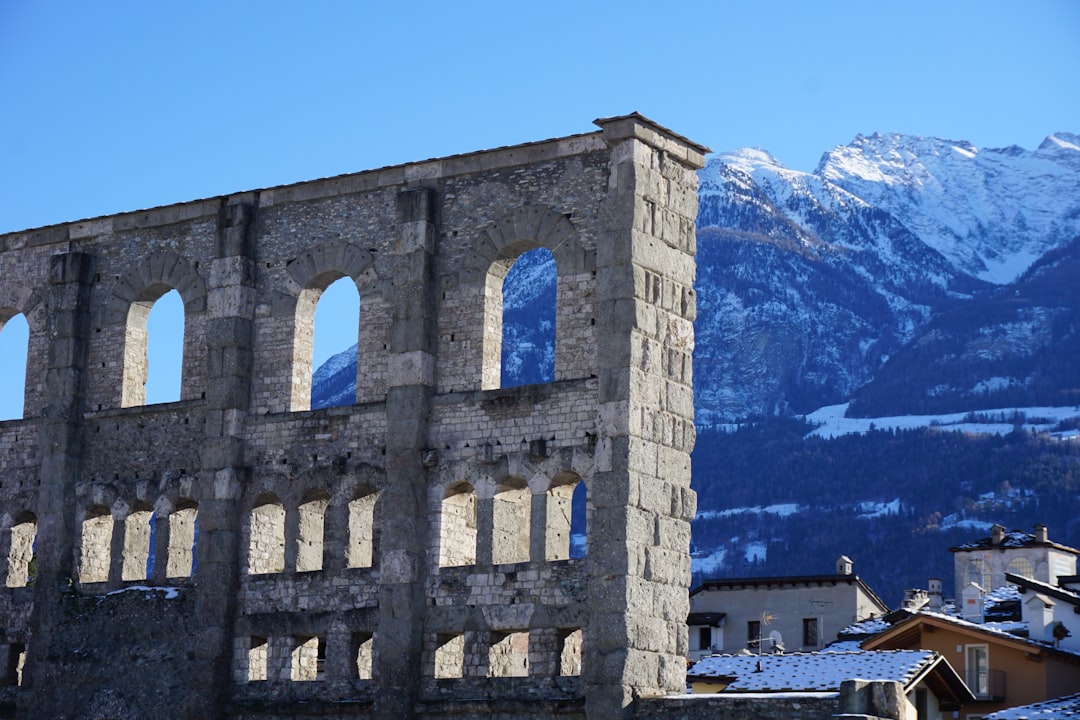
Constructing modern infrastructure over ancient ruins and fossils presents unique challenges. Engineers and city planners must balance the need for development with the preservation of historical sites. In some cases, construction projects are halted or rerouted to protect significant finds. This was the case in Athens, where the construction of a metro system uncovered vast archaeological sites. The project was delayed, but the discoveries enriched the city’s cultural heritage. Balancing progress with preservation requires careful planning and collaboration between archaeologists, engineers, and city officials.
Fossils Hidden Beneath Urban Landscapes
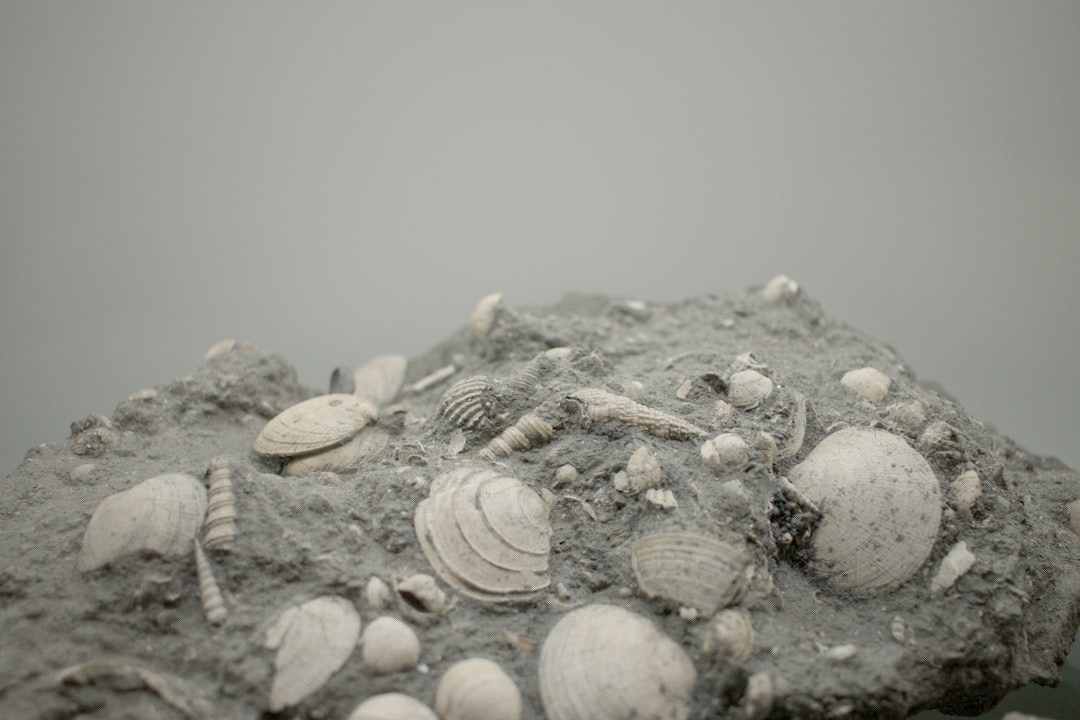
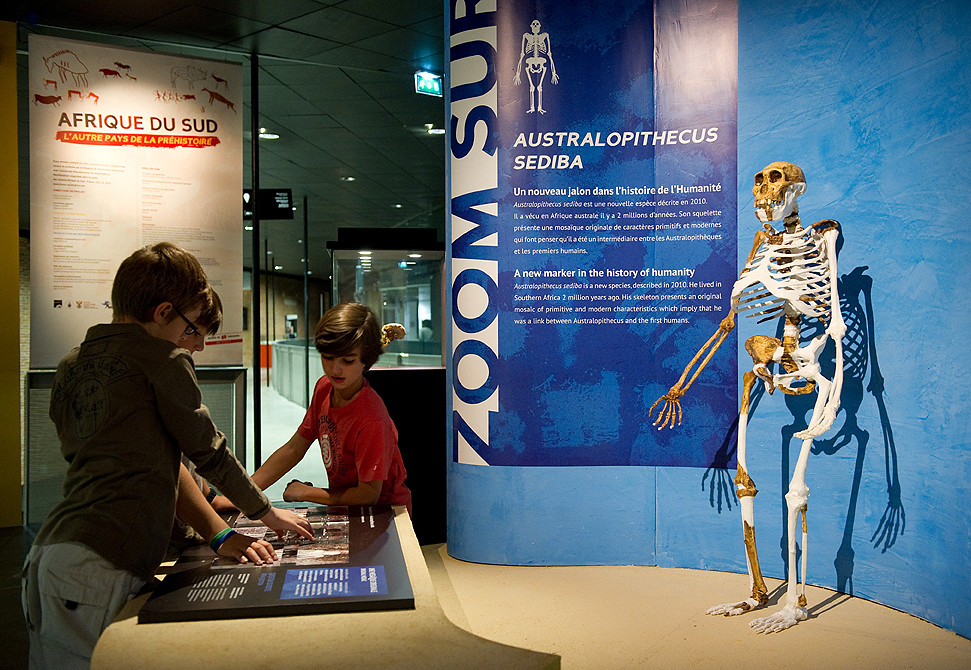
It’s not only human history buried beneath our cities; fossils also lie hidden beneath urban landscapes. These remnants of prehistoric life offer a window into Earth’s distant past. In Los Angeles, the La Brea Tar Pits have been a source of rich fossil finds, including saber-toothed cats and mammoths. Despite being surrounded by the city’s sprawling metropolis, these fossils have been preserved and studied, revealing much about the creatures that once roamed the area. Such discoveries remind us of the dynamic and ever-changing nature of our planet.
Preservation Efforts in the Modern Era
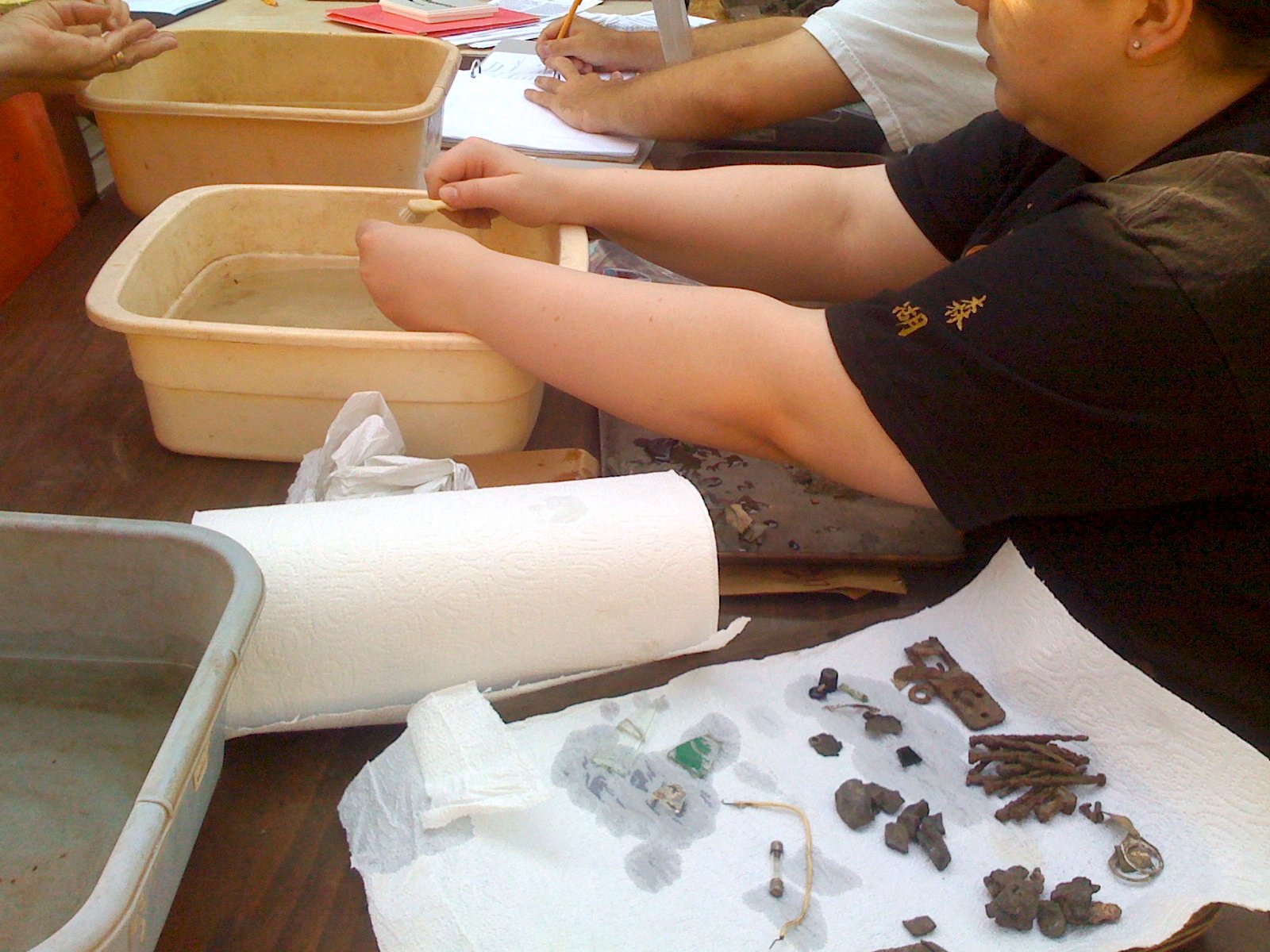
Preserving buried ruins and fossils is a vital task that requires ongoing effort. Many cities have established strict regulations to protect these sites. For instance, in Mexico City, laws mandate that any construction project must undergo archaeological assessment before breaking ground. This ensures that significant finds are documented and preserved. Additionally, technology plays a crucial role in preservation efforts. Advanced imaging techniques, such as ground-penetrating radar, allow archaeologists to identify potential sites without disturbing the ground, a win-win for development and history.
Technology’s Role in Unearthing History
Modern technology has revolutionized the way we explore and understand what lies beneath our cities. Tools like 3D scanning and LIDAR (Light Detection and Ranging) allow researchers to create detailed maps of underground sites. These technologies provide valuable data without the need for invasive digging. In Paris, LIDAR technology helped uncover the remains of ancient Roman baths hidden beneath the city streets. By leveraging technology, we can uncover hidden histories while minimizing disruption to modern life.
The Economic Impact of Archaeological Discoveries
While preserving history is vital, it also brings economic benefits. Archaeological sites attract tourists, boosting local economies and creating jobs. In Egypt, the discovery of ancient tombs has turned regions into major tourist destinations, drawing visitors from around the world. Similarly, historical sites in urban areas can become cultural landmarks, enriching the community’s identity and fostering pride. Balancing economic growth with preservation ensures that these treasures continue to benefit society for generations to come.
Learning from the Past to Shape the Future

The stories unearthed from beneath our cities are not just relics of the past; they are lessons for the future. By studying ancient societies, we gain insights into human behavior, resilience, and innovation. These lessons can inform modern urban planning, helping us create sustainable and resilient communities. For instance, understanding how ancient Rome managed its water supply can inspire modern solutions for water scarcity. The past is a guidebook, providing wisdom that can help us navigate the challenges of the present and future.
Engaging the Public in Archaeological Discoveries
Public engagement is crucial in preserving and understanding our buried past. Museums and educational programs play a vital role in bringing these discoveries to life. By showcasing artifacts and fossils, they inspire curiosity and foster a deeper appreciation for history. Initiatives like open-air museums and archaeological parks allow people to experience history firsthand. In Pompeii, visitors can walk through ancient streets, gaining a tangible connection to the past. Engaging the public ensures that the importance of preservation is passed down to future generations.
The Ongoing Journey of Discovery
The journey of unearthing what lies beneath our cities is ongoing, with each discovery offering new insights into our shared history. As urban landscapes continue to grow, so too does the potential for new findings. These hidden histories remind us of our deep-rooted connection to the past and the importance of preserving it for future generations. By respecting and protecting these buried treasures, we honor the legacy of those who came before us and enrich our understanding of the world we live in today.