The cosmos is vast, and within its endless expanse lies the tantalizing possibility of alien life. Our imaginations have been fueled by science fiction for decades, painting pictures of little green men and creatures from galaxies far, far away. However, the reality of extraterrestrial life might be far stranger and more complex than any movie or book could depict. What would alien life actually look like? To answer this question, we must delve into the possibilities of non-Earthlike biology and imagine life forms that defy our earthly expectations.
The Diversity of Life on Earth

Before we can hypothesize about alien life, it’s essential to consider the diversity of life on our own planet. Earth is bursting with a plethora of life forms, from the tiniest microbes to the largest mammals. Organisms have adapted to survive in every conceivable niche, from the frigid depths of the ocean to the scorching heat of deserts. This adaptability suggests that life elsewhere might also thrive in conditions that are vastly different from our own. Just as extremophiles—organisms that live in extreme environments—exist on Earth, alien life might flourish in environments we consider inhospitable.
Beyond Carbon: Alternative Biochemistries

On Earth, carbon is the cornerstone of life, forming the backbone of complex molecules like DNA and proteins. However, alien life might not rely on carbon at all. Silicon, for example, is a promising alternative due to its chemical similarities to carbon. Silicon-based life forms could potentially thrive in environments with high temperatures where silicon compounds are stable. Imagine creatures with crystalline structures, glistening under alien suns. The possibilities are as endless as the configurations of atoms themselves.
Liquid Water: A Necessity or a Luxury?

Water is often considered a prerequisite for life. However, on distant worlds, other liquids might act as solvents for biochemical reactions. On Saturn’s moon Titan, lakes of liquid methane and ethane create a landscape reminiscent of Earth, albeit much colder. If life exists there, it might use these hydrocarbons in place of water. Such life forms could have membranes made of unconventional lipids, allowing them to navigate their frigid environment.
The Role of Light and Photosynthesis

Photosynthesis is the process by which plants and some microorganisms convert light into energy. While sunlight is abundant on Earth, other planets might have different energy sources. On a world orbiting a dim star, organisms might rely on chemosynthesis, deriving energy from chemical reactions rather than light. Alternatively, alien plants could have pigments that absorb a broader spectrum of light, allowing them to thrive in low-light conditions. Imagine a forest of purple or black plants, drawing every ounce of energy from a faint sun.
The Influence of Gravity

Gravity shapes life in myriad ways. On a planet with stronger gravity than Earth, life forms might be shorter and sturdier to withstand the pressure. Conversely, on a planet with weaker gravity, creatures could grow larger and more delicate. Think of towering, willowy beings gracefully floating across a low-gravity landscape. The gravitational pull of a planet would dictate the physical characteristics of its inhabitants, leading to a diverse array of possibilities.
Atmospheric Composition and Its Impact on Life

The composition of a planet’s atmosphere plays a crucial role in determining what kind of life might exist there. Earth’s atmosphere is rich in oxygen, a crucial element for many life forms. However, alien life might breathe different gases. On a planet with a methane-rich atmosphere, organisms could have metabolisms that process methane instead of oxygen. Such beings might resemble the anaerobic bacteria on Earth, thriving in environments devoid of oxygen.
Communication and Sensory Perception
Communication is vital for social organisms, but how it occurs can vary widely. On Earth, we use sound, sight, and touch. Alien life might communicate using entirely different methods. Creatures might emit electromagnetic signals, change colors, or produce chemical scents to convey information. Similarly, their sensory perception might be attuned to different wavelengths or stimuli. Imagine beings that see in ultraviolet or hear in frequencies beyond human detection.
The Unpredictability of Evolution
Evolution is an unpredictable process, driven by random mutations and environmental pressures. On alien worlds, evolution might take surprising turns. Life forms could develop unique adaptations to cope with their surroundings. For instance, a planet with frequent volcanic eruptions might host creatures with heat-resistant exoskeletons, while a world with constant storms might give rise to beings capable of harnessing electrical energy. The paths evolution could take are as varied as the stars themselves.
Intelligence and Technological Development
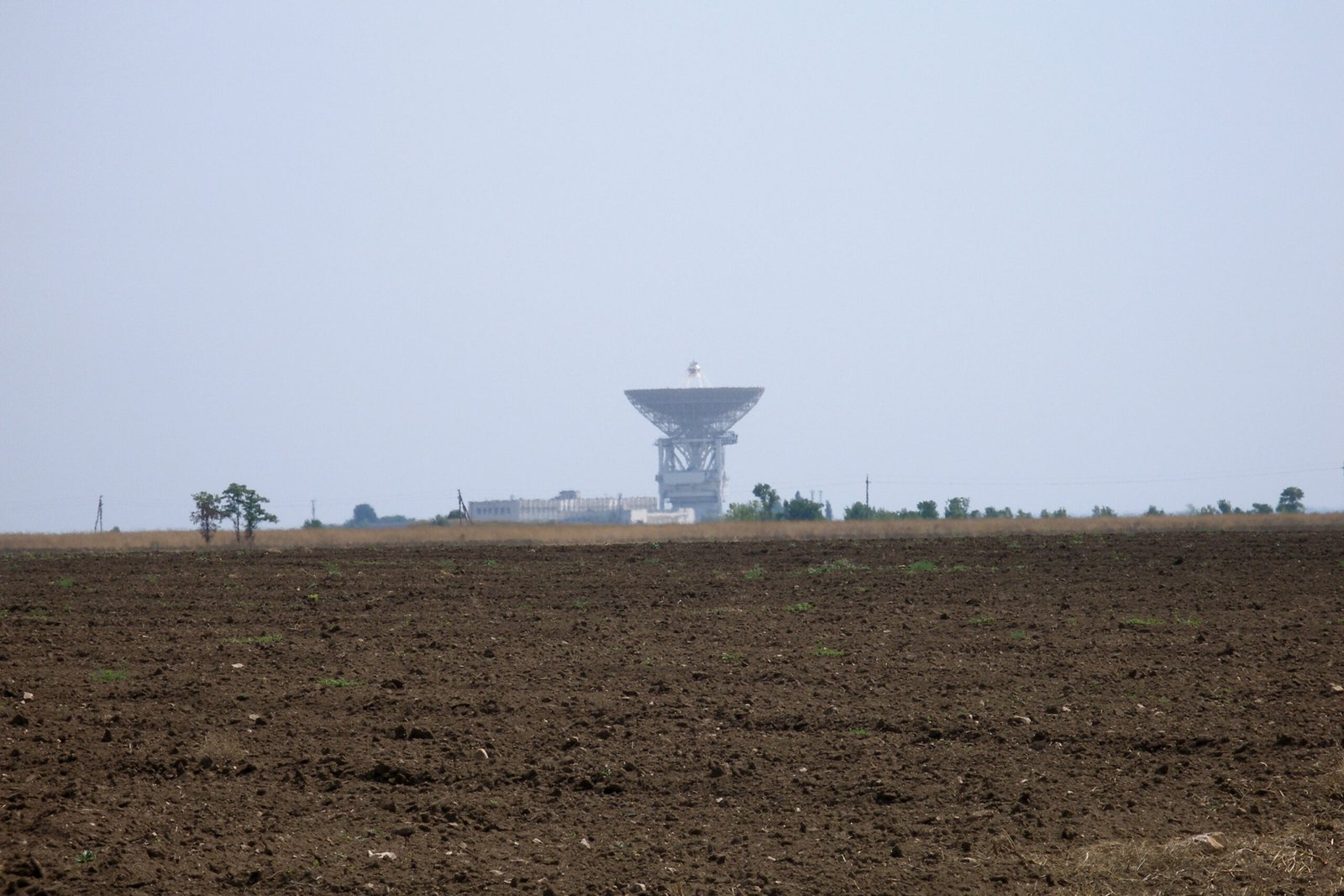
The development of intelligence is not a given outcome of evolution. On Earth, only a handful of species have developed advanced cognitive abilities. Alien intelligence might manifest in ways we cannot imagine. Some beings might develop technology, while others might evolve complex social structures without the need for tools. The diversity of intellect and technology on other worlds could be as vast as the universe itself.
The Impact of Discovery on Humanity
The discovery of alien life would undoubtedly have a profound impact on humanity. It would challenge our understanding of biology, evolution, and our place in the cosmos. Such a discovery would inspire new scientific inquiries and philosophical debates. As we continue to search the stars, we must remain open-minded, ready to embrace the unknown and the unexpected. The possibilities of non-Earthlike biology are endless, and the journey to uncover them is only just beginning.