In the bustling world of nature’s marvels, leafcutter ants hold a unique place as the first farmers on Earth. Long before humans even contemplated agriculture, these industrious insects were already cultivating their own food, a practice they’ve been perfecting for an astonishing 50 million years. This intriguing fact not only highlights their incredible survival skills but also offers us a glimpse into the world of primitive agriculture, long before it became a hallmark of human civilization. The journey of these tiny yet mighty creatures provides a fascinating insight into the complex world of insect societies and their sophisticated farming techniques.
The Miracle of Ant Agriculture
Leafcutter ants belong to a group of ants known for their agricultural prowess. They are remarkable for their ability to grow fungi, which serves as their primary food source. Unlike humans who plant seeds, these ants cultivate fungi on a bed of chewed leaves. This process is akin to a farmer tending to a field, demonstrating a level of cooperation and organization rarely seen in the insect kingdom. The intricate relationship between the ants and the fungi they cultivate is a testament to the wonders of evolution and adaptation.
Leafcutters: The Original Gardeners
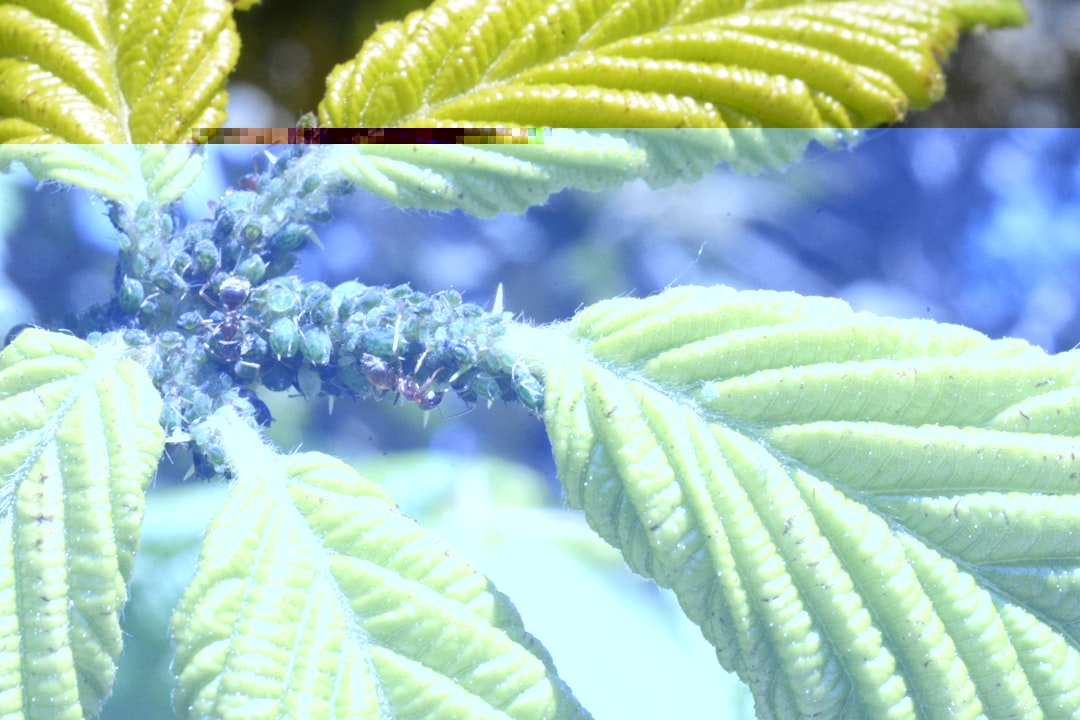
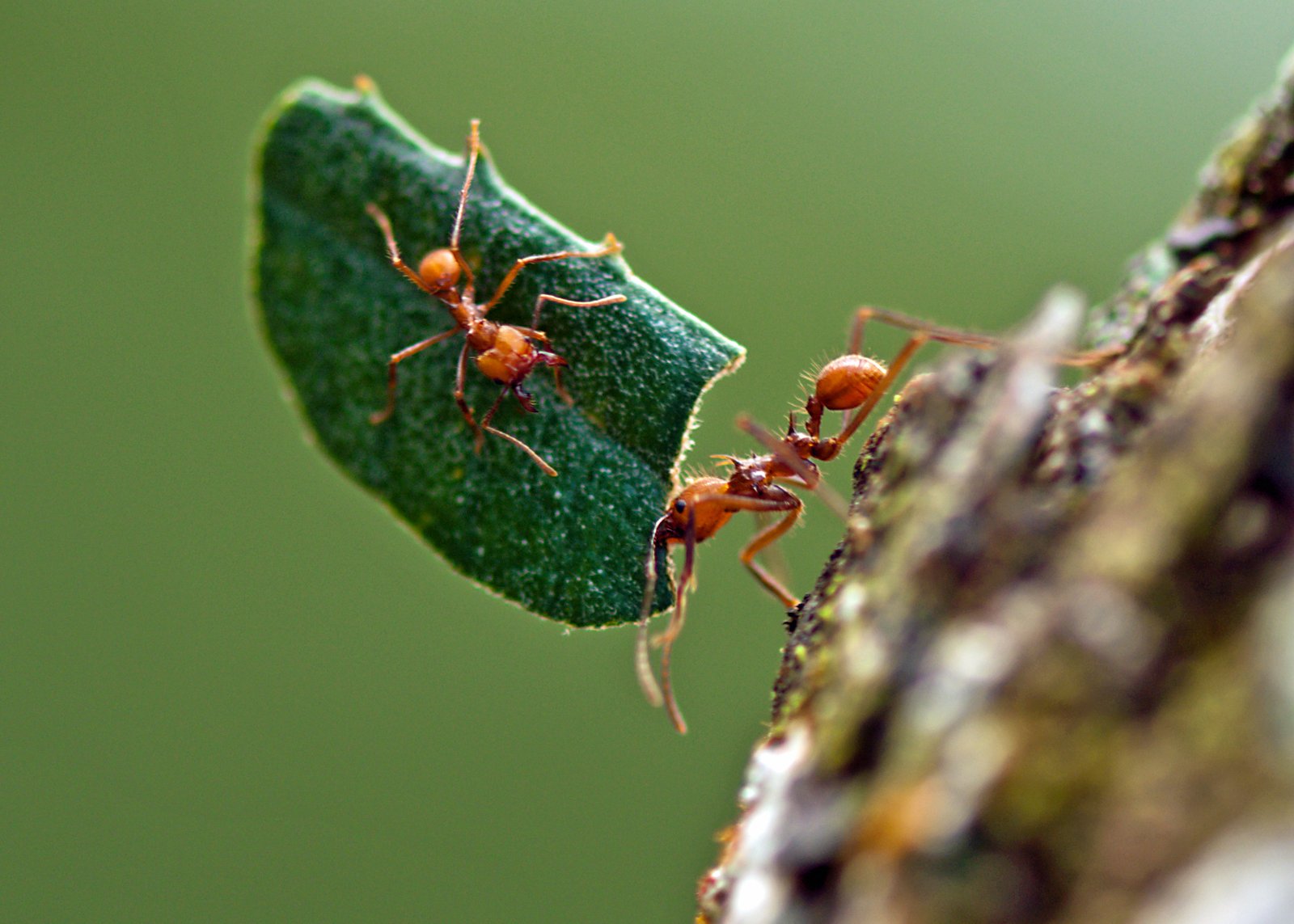
Imagine a bustling garden where the workers are no bigger than your fingernail, yet they manage to maintain a thriving ecosystem. Leafcutter ants are the original gardeners of the insect world, expertly managing their fungal crops. They meticulously select leaves, cut them into manageable pieces, and transport them back to their nests. Once in the nest, the leaves become the substrate for the fungi, which the ants carefully cultivate. This process is a remarkable example of division of labor, with each ant knowing its role in maintaining the colony’s survival.
Symbiosis: A Mutual Relationship
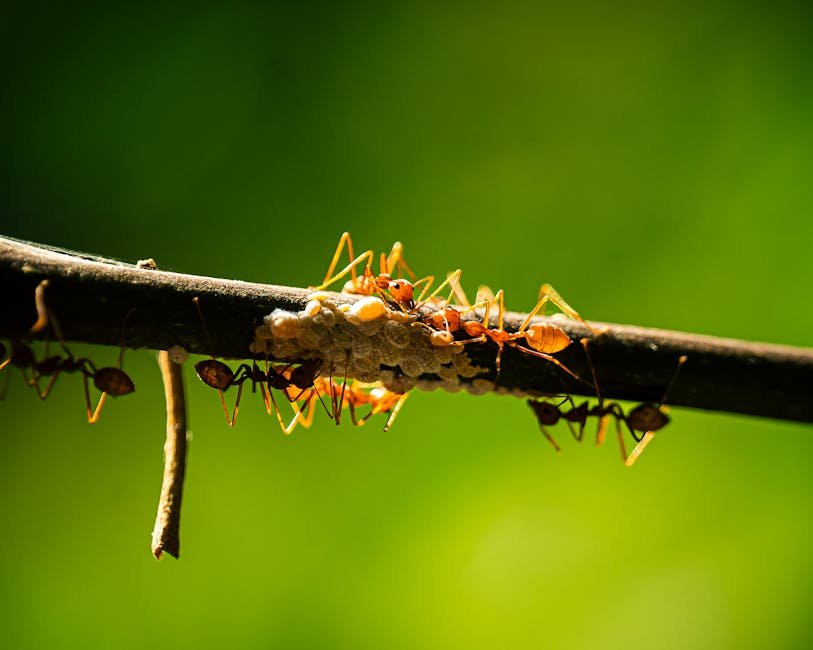
The relationship between leafcutter ants and their cultivated fungi is one of mutual benefit, or symbiosis. While the ants provide the fungi with a constant supply of nutrients, the fungi, in turn, produce the nutrients the ants need to thrive. This mutualistic relationship is a perfect example of nature’s ability to form complex interdependencies. The fungi are reliant on the ants for survival, and the ants depend on the fungi for sustenance, creating a cycle of life that has persisted for millions of years.
Complex Societies of Leafcutters
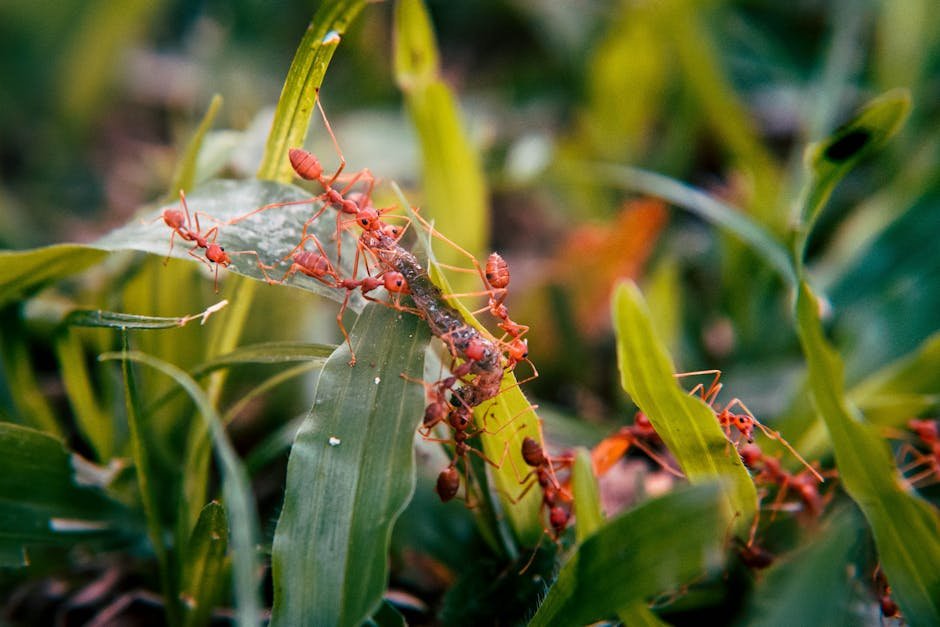
Leafcutter ants live in complex societies that rival human cities in their organization and efficiency. These colonies can house millions of ants, each with a specific role to ensure the colony’s success. From workers to soldiers to the queen, each ant has a purpose that contributes to the overall functioning of the society. The efficiency of their social structure allows them to maintain their farming operations with precision, ensuring that their fungal gardens flourish.
Communication: The Secret Language of Ants
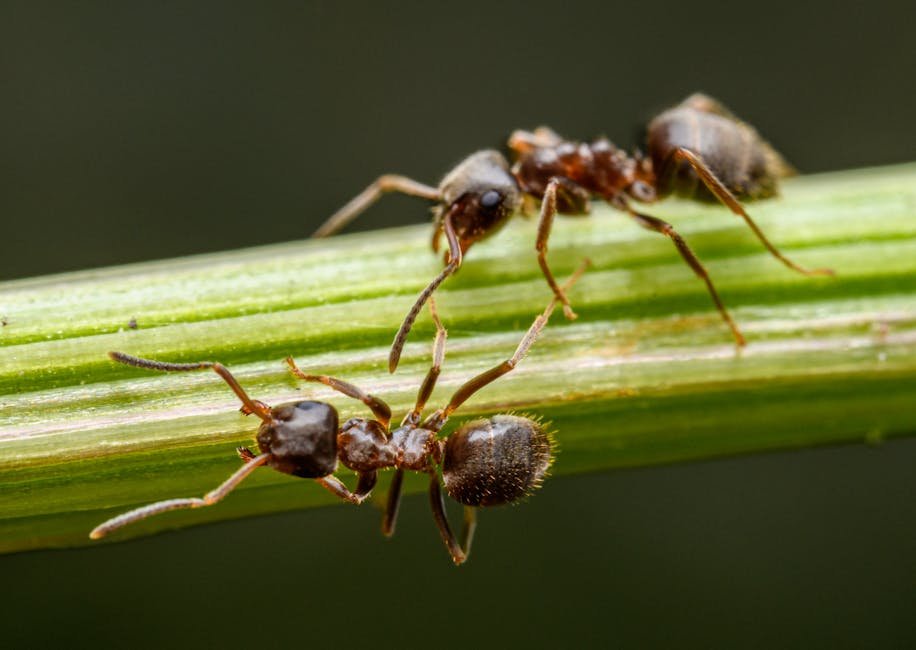
Communication is key to the success of leafcutter ants, and they have developed a sophisticated system to convey information. Through the use of pheromones, ants can signal to one another about the presence of food, dangers, or changes in the environment. This chemical language allows them to coordinate their efforts in gathering leaves and maintaining their fungal gardens. It’s a silent, yet powerful form of communication that ensures the survival and prosperity of the colony.
Leafcutter Ants and Ecosystem Impact
The impact of leafcutter ants extends beyond their colonies, influencing the broader ecosystem. As they forage for leaves, they play a role in the cycling of nutrients within their environment. Their activities help to aerate the soil, promoting plant growth and contributing to the health of the ecosystem. This ecological role makes them essential players in maintaining the balance of their habitats, showcasing the intricate connections that exist in nature.
Defense Mechanisms and Survival Tactics
In the wild, survival is a constant challenge, and leafcutter ants have developed impressive defense mechanisms to protect their colonies. From powerful mandibles to chemical defenses, these ants are equipped to ward off predators and threats. Their organized defense strategies and the ability to mobilize in large numbers make them formidable opponents, ensuring the safety and continuity of their agricultural endeavors.
The Evolutionary Journey of Leafcutter Ants
The evolutionary journey of leafcutter ants is a testament to nature’s ingenuity. Over millions of years, these ants have honed their farming techniques, adapting to changing environments and challenges. Their ability to cultivate fungi is a remarkable example of evolutionary success, highlighting the importance of cooperation and innovation in the natural world. This evolutionary tale offers valuable insights into the adaptability and resilience of life on Earth.
Lessons from the Ants: Insights for Human Agriculture

While leafcutter ants may be small, the lessons they offer are immense. Their ability to cultivate food and maintain complex societies provides insights into sustainable agricultural practices. By studying these ants, humans can learn about efficient resource management, cooperation, and the importance of maintaining ecological balance. These tiny farmers remind us of the value of working with nature, rather than against it, for a sustainable future.
The Future of Leafcutter Ants
As we look to the future, the story of leafcutter ants continues to inspire and intrigue. Their ancient farming practices offer a glimpse into the resilience and adaptability of life. As our understanding of these remarkable creatures grows, so too does our appreciation for the complexity and beauty of the natural world. The future of leafcutter ants is intertwined with the health of their ecosystems, reminding us of the interconnectedness of all life on Earth.