Imagine a world where a virus, often seen as a harbinger of disease, becomes a beacon of hope in the fight against cancer. The concept might sound like science fiction, but it’s a frontier in medical research that is gaining momentum. Viral therapy, or oncolytic virotherapy, harnesses the power of viruses to target and destroy cancer cells. This innovative approach is not only fascinating but also steeped in complex biology and cutting-edge science. As we delve into this topic, we’ll uncover how these tiny organisms might hold the key to battling one of humanity’s most daunting challenges.
The Basics of Viral Therapy

Viral therapy involves using genetically modified viruses to infect and kill cancer cells. Unlike traditional therapies that can harm healthy cells, these engineered viruses are designed to specifically target cancerous cells. The process begins by altering the virus’s genetic material so that it recognizes markers unique to cancer cells. Once inside, the virus replicates, causing the cancer cell to burst and die. This targeted approach minimizes damage to healthy tissues, offering a more precise treatment option.
Understanding the Science of Oncolytic Viruses
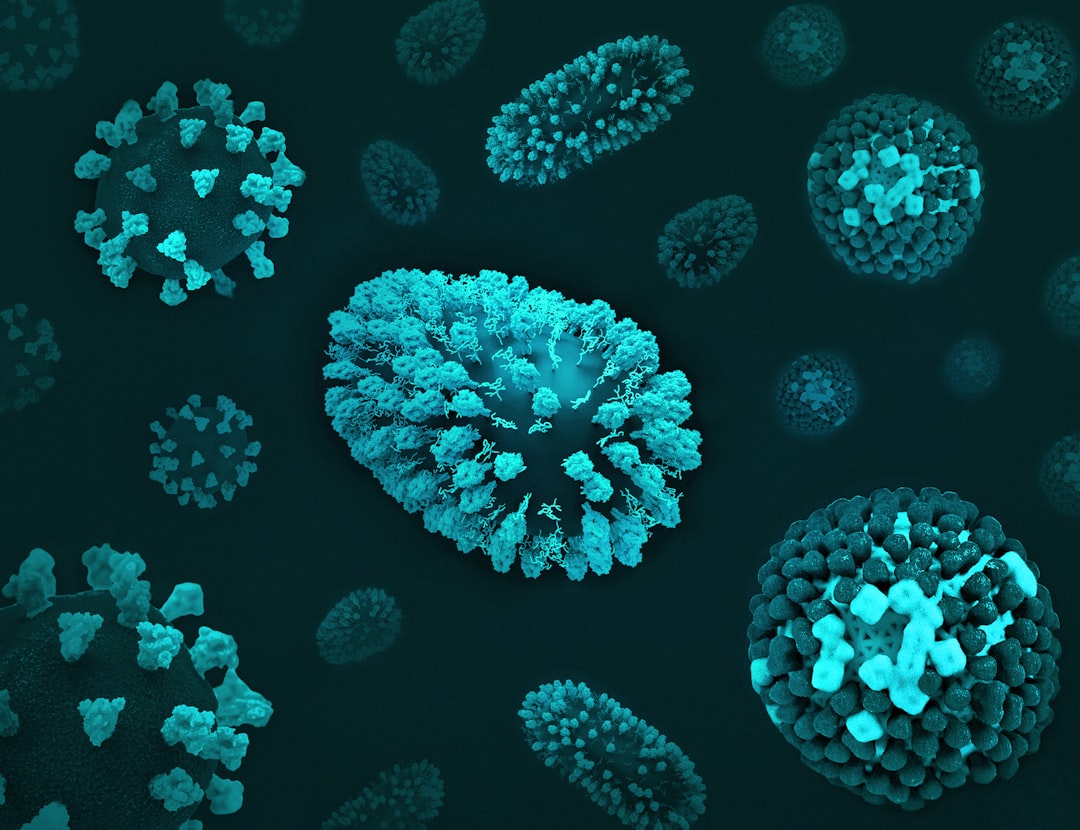
Oncolytic viruses are naturally occurring or engineered viruses that preferentially infect and kill cancer cells. Scientists modify these viruses to enhance their cancer-killing properties while ensuring they are safe for the patient. The science behind this involves a deep understanding of both virology and cancer biology. Researchers study how viruses identify and enter host cells, and how they can be directed to attack only cancer cells. This requires intricate knowledge of the molecular signatures that differentiate healthy cells from cancerous ones.
The History of Viral Therapy

The idea of using viruses to treat cancer isn’t entirely new. The first documented case dates back to the early 20th century when doctors observed that some cancer patients experienced remission after viral infections. However, it wasn’t until the advent of genetic engineering in the late 20th century that the potential of viral therapy could be fully realized. With advancements in biotechnology, scientists were able to manipulate viruses with precision, paving the way for the first clinical trials of oncolytic viruses.
Examples of Viruses Used in Cancer Treatment

Several types of viruses are being explored for their potential in cancer treatment. The herpes simplex virus, adenovirus, and reovirus are among the most studied. Each virus has unique properties that make it suitable for targeting different types of cancer. For instance, the herpes simplex virus has been modified to treat melanoma, a type of skin cancer. These viruses are carefully selected based on their ability to replicate within cancer cells, their safety profile, and their potential to stimulate an anti-tumor immune response.
How Viruses Target Cancer Cells
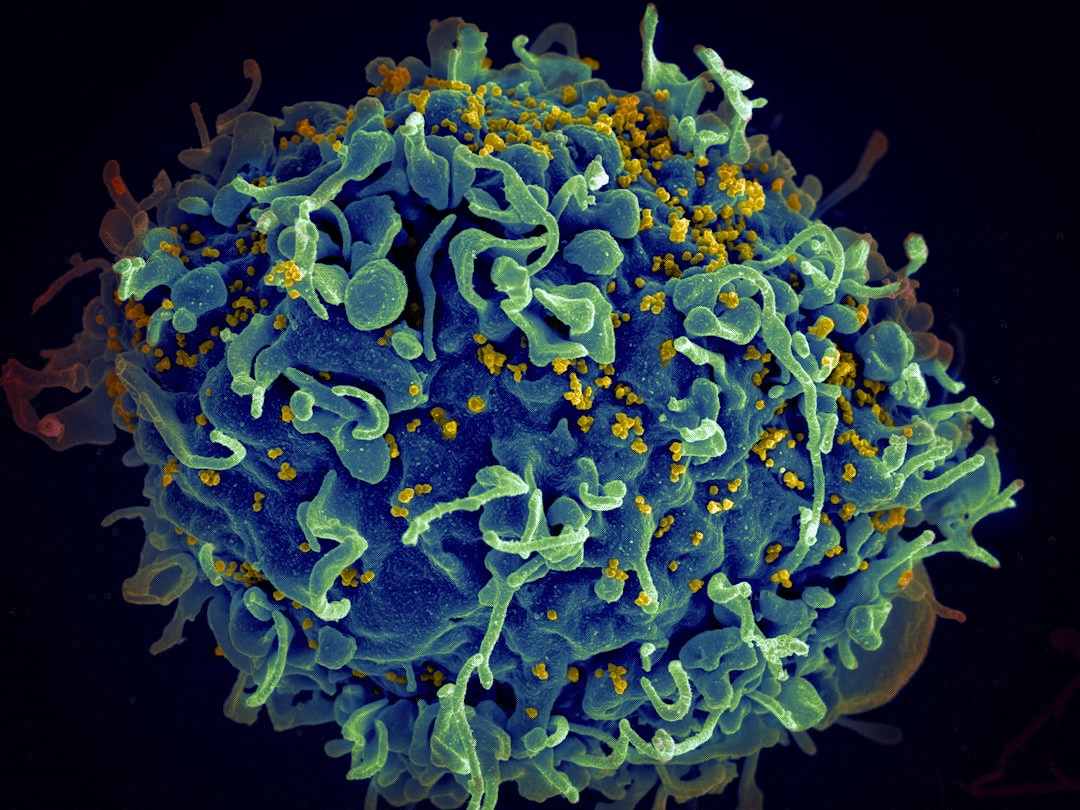
The targeting mechanism of oncolytic viruses is a fascinating process. Cancer cells often have weakened antiviral defenses, making them more susceptible to viral infections than healthy cells. Scientists take advantage of this vulnerability by engineering viruses that can bypass normal cellular defenses. Once inside a cancer cell, the virus replicates rapidly, leading to cell death. Additionally, the immune system is alerted to the presence of cancer, potentially leading to a broader immune attack against the tumor.
The Role of the Immune System

One of the remarkable aspects of viral therapy is its ability to engage the patient’s immune system. As the virus destroys cancer cells, it releases tumor antigens into the bloodstream. These antigens are recognized by the immune system, which mounts a response against the cancer. This dual action of direct viral killing and immune activation is a significant advantage of oncolytic virotherapy. It not only targets the primary tumor but also helps in identifying and attacking metastatic cancer cells.
Challenges and Risks in Viral Therapy

Despite its promise, viral therapy comes with challenges and risks. One of the primary concerns is ensuring that the virus attacks only cancer cells and not healthy tissues. There is also the risk of the immune system eliminating the virus before it can exert its effects on the tumor. Researchers are continuously working to overcome these hurdles, such as by developing viruses that can evade immune detection or by using combination therapies to enhance efficacy.
Current Progress and Clinical Trials

Viral therapy is currently being tested in various clinical trials worldwide. These trials aim to evaluate the safety and effectiveness of different oncolytic viruses in treating various cancers. Some trials have shown promising results, leading to the approval of certain therapies for clinical use. Researchers continue to explore the potential of viral therapy, with ongoing studies focused on optimizing virus delivery, enhancing selectivity, and understanding the long-term effects of treatment.
The Future of Cancer Treatment

The future of cancer treatment may very well be intertwined with the use of viruses. As our understanding of viral therapy deepens, new possibilities emerge. The integration of viral therapy with other treatment modalities, such as immunotherapy and targeted therapy, holds promise for more effective and personalized cancer care. Scientists envision a future where oncolytic viruses are part of a comprehensive cancer treatment strategy, offering hope to patients who have exhausted other options.
Conclusion: A New Era in Cancer Research

The exploration of viral therapy marks an exciting chapter in cancer research. As scientists continue to innovate and refine these therapies, the potential to transform cancer treatment becomes increasingly tangible. The journey from concept to clinical application is complex, yet the promise of using viruses to combat cancer is a testament to the ingenuity and perseverance of the scientific community. As we stand on the brink of a new era in cancer treatment, the question remains: Could the very entities that once threatened our health become our greatest allies in the fight against cancer?