Antarctica, a continent cloaked in mystery and ice, holds secrets that are as captivating as they are enigmatic. This icy expanse, often depicted as barren and lifeless, is anything but. Beneath its glacial veneer lies a world teeming with wonders that have intrigued scientists and explorers alike. From hidden lakes to ancient ecosystems, Antarctica’s under-ice realm offers a glimpse into our planet’s past and future. Let’s embark on a journey to uncover the secrets of this lost world, where every layer of ice tells a story waiting to be discovered.
The Enigma of Subglacial Lakes
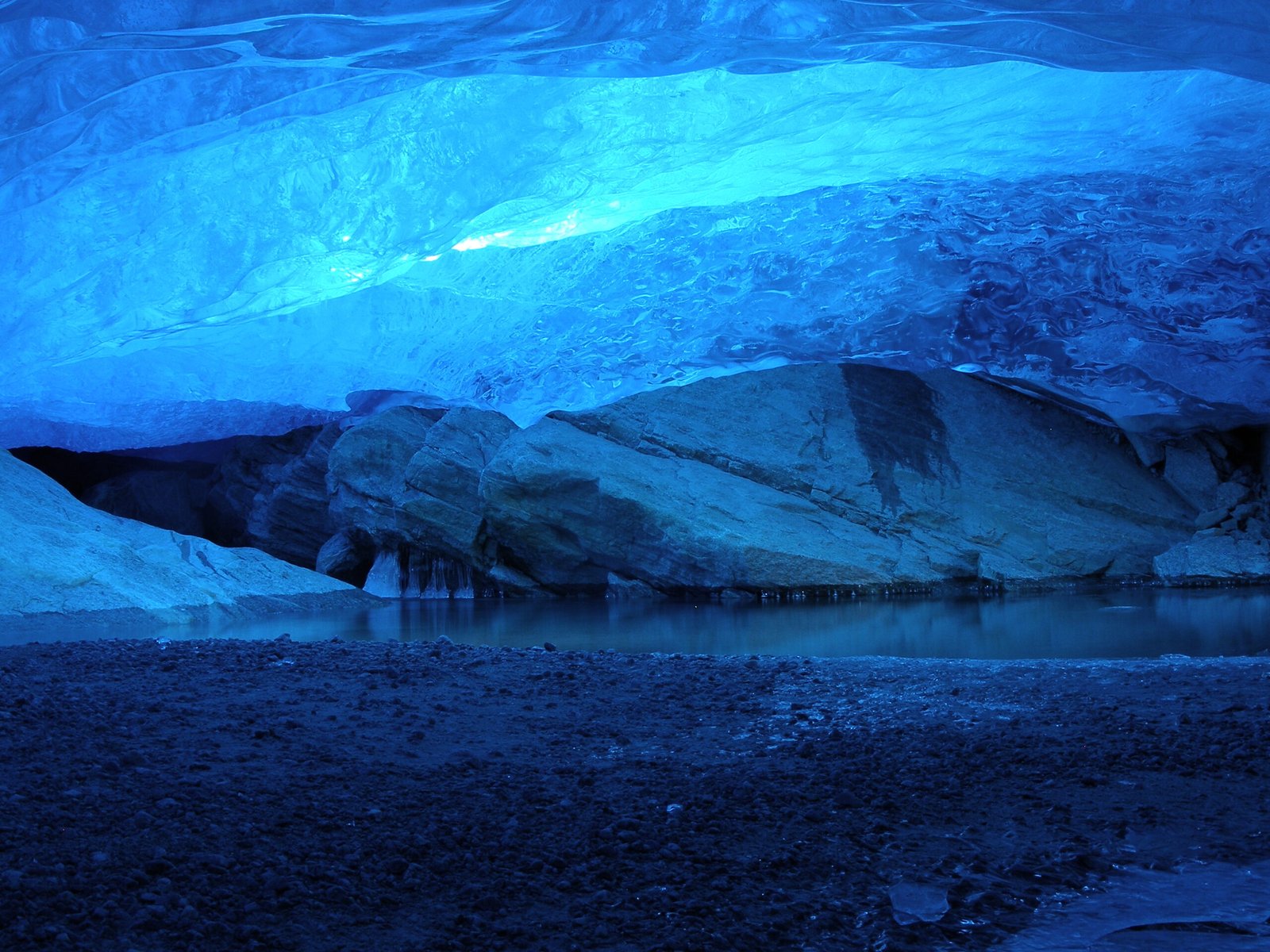
Beneath the Antarctic ice sheet lie more than 400 subglacial lakes, each a world unto itself. These bodies of water, isolated for millions of years, are reservoirs of ancient life forms. Lake Vostok, the largest of these lakes, sits beneath 4 kilometers of ice, and its waters have remained untouched by sunlight for over 15 million years. The discovery of these lakes has revolutionized our understanding of microbial life, suggesting that life can thrive in the most extreme conditions. Scientists speculate that these environments might mimic conditions on other icy moons, such as Europa, hinting at the possibility of extraterrestrial life.
An Ecosystem in the Dark
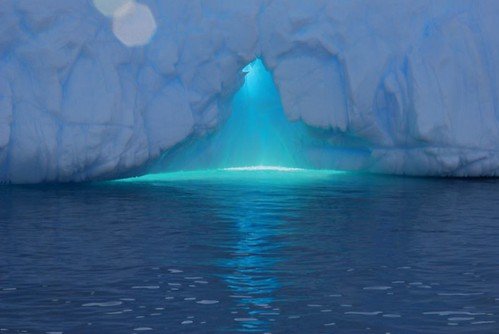
In the perpetual darkness beneath the ice, life takes on forms that are both unique and astonishing. Microbes, adapted to the cold, thrive in these nutrient-starved environments. These organisms have evolved to extract energy from the minerals in the rock, a process known as chemolithotrophy. This adaptation challenges our understanding of life’s requirements, proving that sunlight isn’t a necessity for existence. The study of these organisms not only expands our knowledge of biodiversity but also offers insights into how life might exist in the harshest corners of the universe.
The Ancient Ice Cores
Ice cores, cylindrical sections of ice drilled from the ice sheet, are time capsules that preserve the Earth’s climatic history. Each layer of ice captures atmospheric gases, volcanic ash, and even pollen, providing a chronological record of past climates. By analyzing these cores, scientists can reconstruct temperature fluctuations and atmospheric composition over the last 800,000 years. This data is crucial for understanding the natural variability of our climate and predicting future changes in the face of global warming. The stories locked within these cores remind us of the delicate balance that sustains life on Earth.
The Hidden Mountains
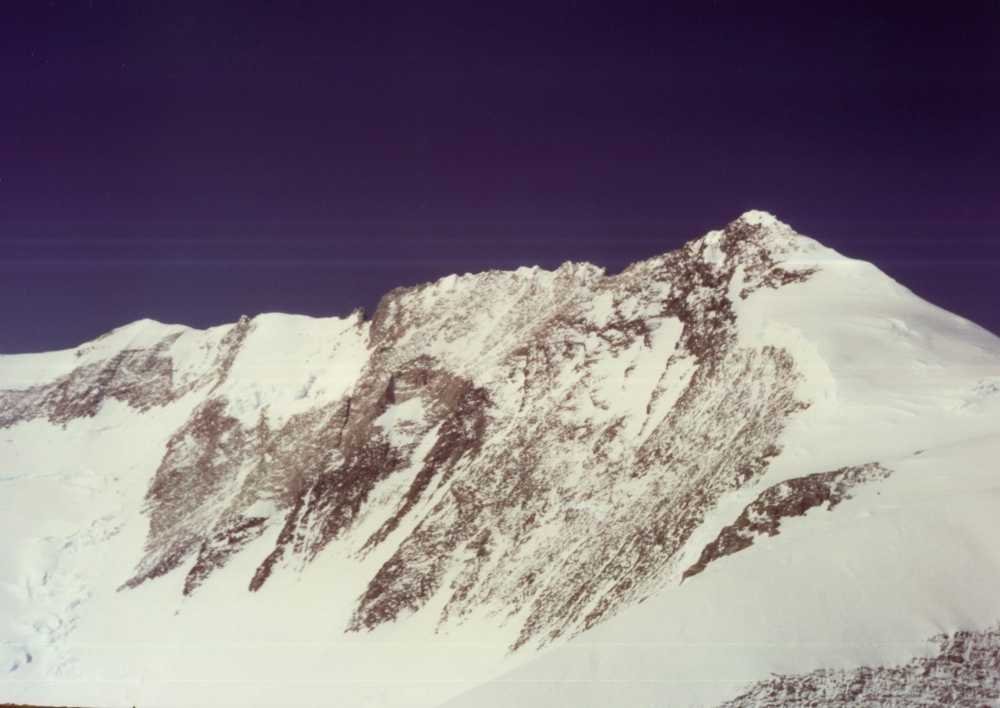
Beneath the thick ice sheet, Antarctica’s landscape is far from flat. The Gamburtsev Mountain Range, often called the “ghost mountains,” remains a geological mystery. These mountains, buried under kilometers of ice, are as tall as the Alps and stretch over 1,200 kilometers. Their discovery in the 1950s puzzled scientists, as they challenge conventional theories of mountain formation. Understanding their origin could provide clues about the ancient supercontinent of Gondwana and the processes that shaped our planet millions of years ago.
Antarctica’s Volcanic Activity
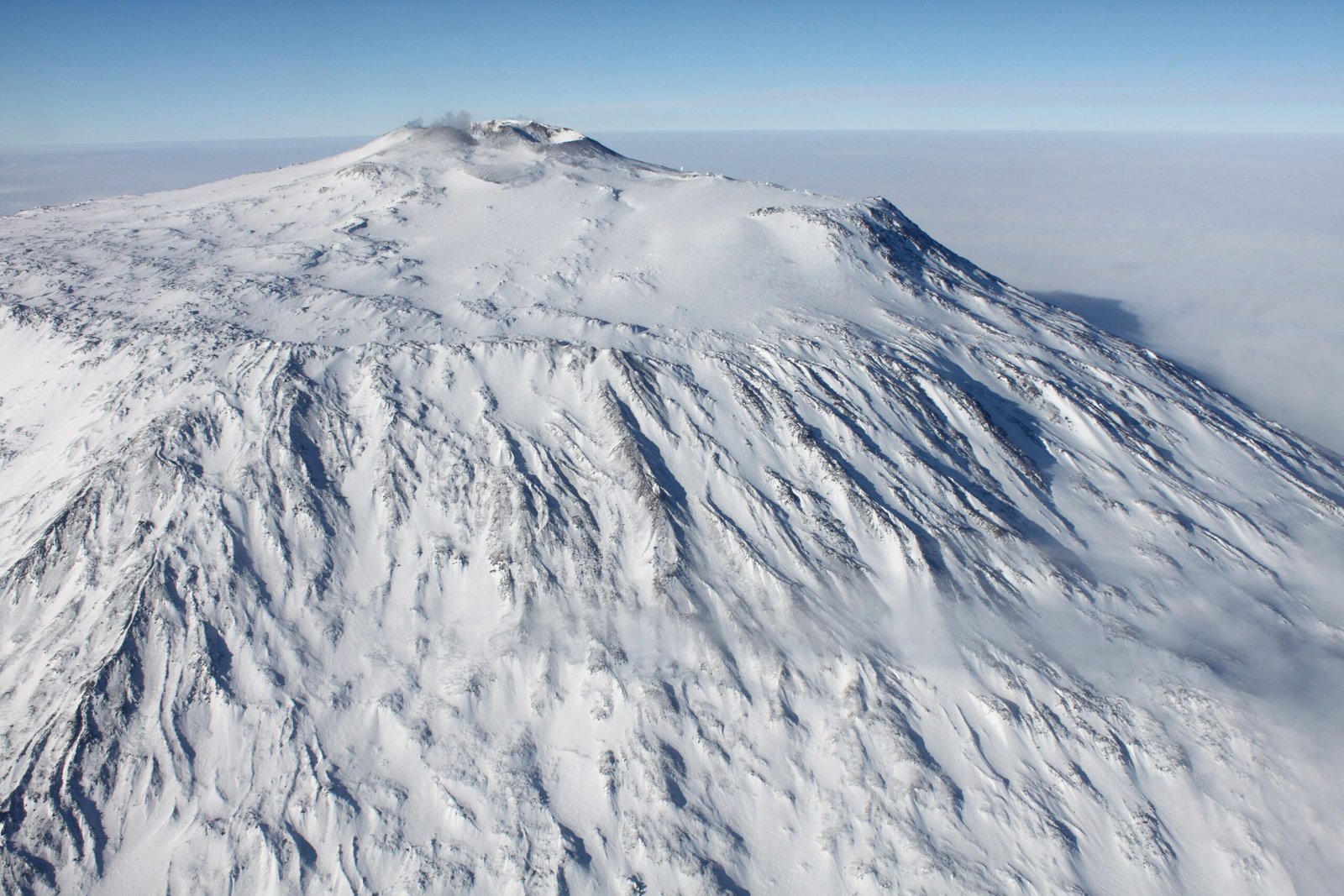
While Antarctica is best known for its icy exterior, it is also home to active volcanoes, such as Mount Erebus. This volcano, one of the few with a persistent lava lake, is a window into the Earth’s fiery interior. Volcanic activity beneath the ice can influence the stability of the ice sheets, potentially accelerating ice melt. The interaction between fire and ice in this frozen realm is a reminder of the dynamic forces that shape our planet, constantly reshaping the landscape in ways we are only beginning to understand.
The Role of Antarctica in Climate Regulation
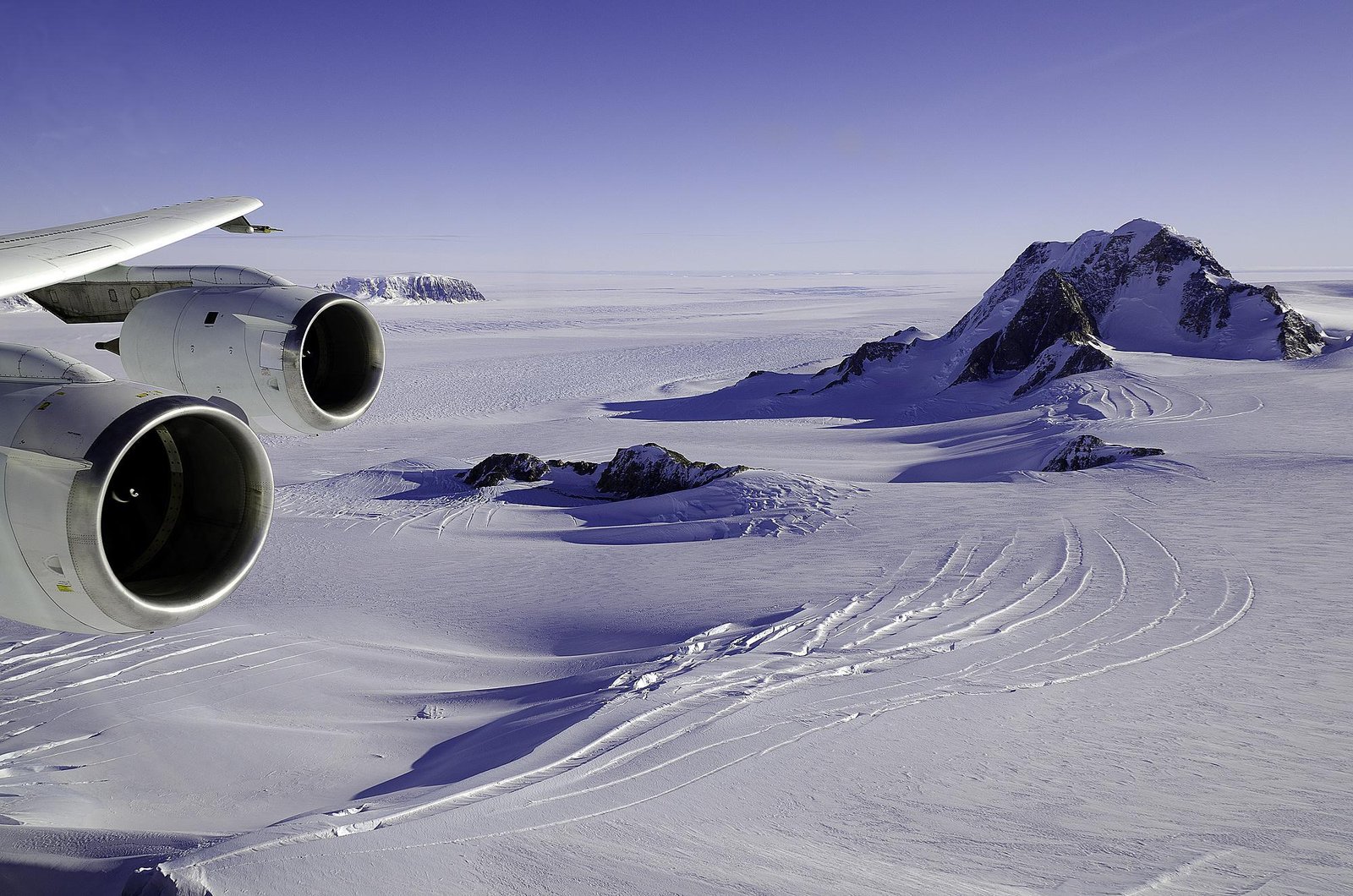
Antarctica plays a pivotal role in global climate regulation. Its vast ice sheets reflect sunlight, helping to moderate the Earth’s temperature. However, as global temperatures rise, the melting of Antarctic ice contributes to sea-level rise, with profound implications for coastal communities worldwide. Understanding the processes driving ice melt is crucial for predicting future sea-level changes. Antarctica’s fate is intricately linked to our own, underscoring the importance of preserving this pristine environment for future generations.
The Impact of Human Exploration
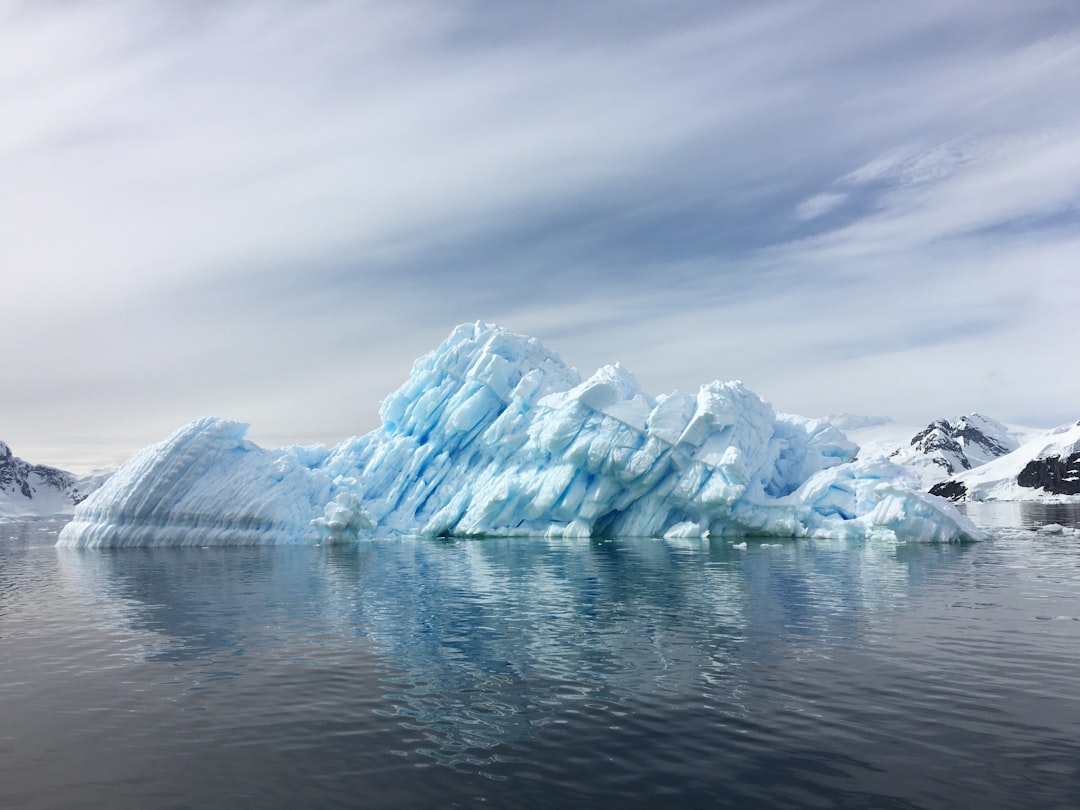
Human exploration of Antarctica has been both a boon and a challenge. While it has led to groundbreaking discoveries, it also poses risks to this fragile ecosystem. The Antarctic Treaty System, established to protect the continent, prohibits military activity and mineral mining, ensuring that scientific research remains the primary focus. However, the increasing interest in its resources and the potential for tourism raise concerns about environmental impact. Balancing exploration with conservation is essential to preserving Antarctica’s pristine beauty.
Antarctica’s Mysterious Fossils
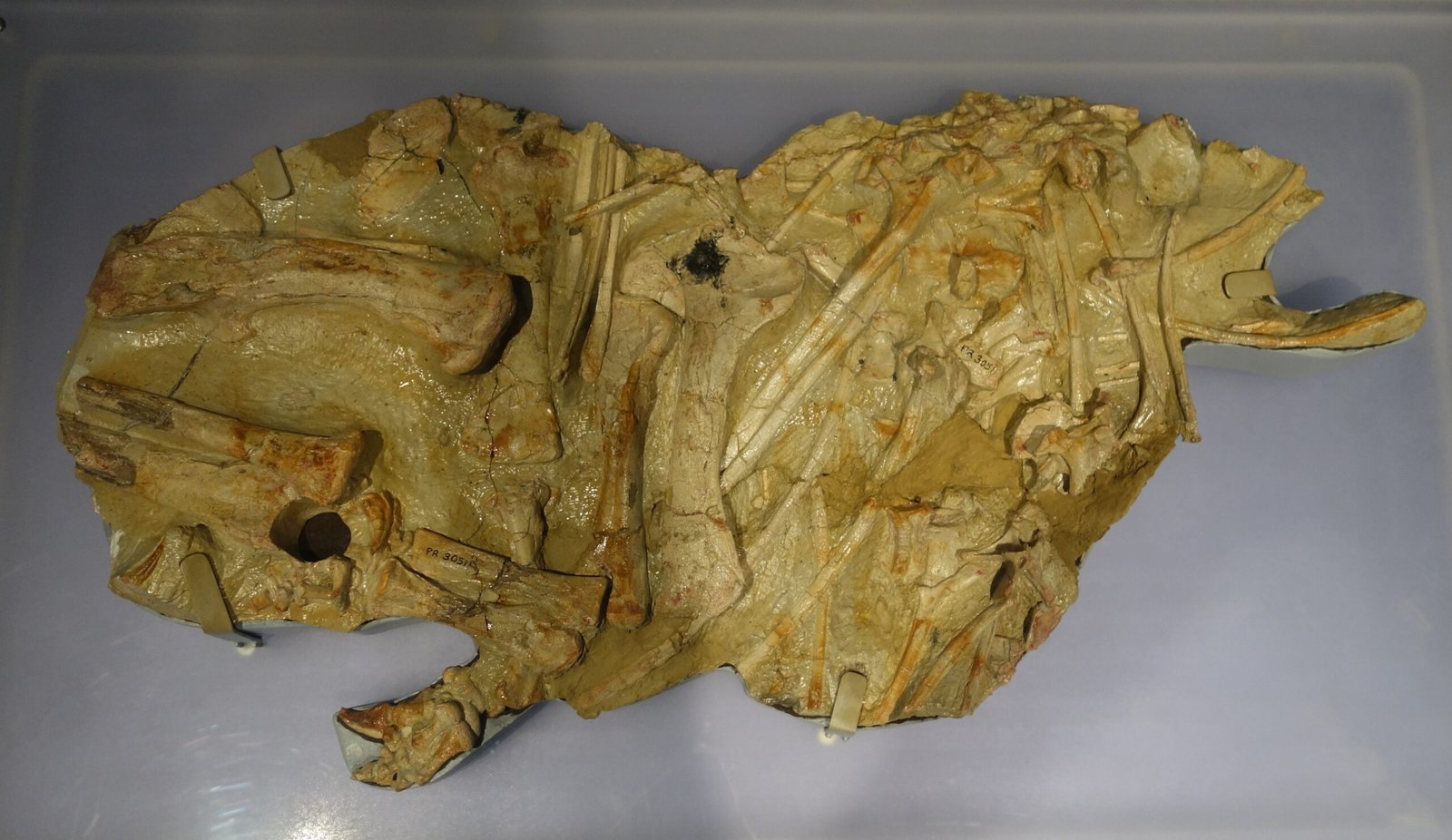
The discovery of fossils beneath the ice provides a tantalizing glimpse into Antarctica’s past. These remnants of ancient forests and prehistoric creatures tell a story of a once-temperate continent, lush with vegetation and teeming with life. The presence of dinosaur fossils suggests that Antarctica was once connected to other continents, supporting diverse ecosystems. These findings challenge our understanding of continental drift and climate change, offering insights into the Earth’s geological history.
The Challenges of Antarctic Research
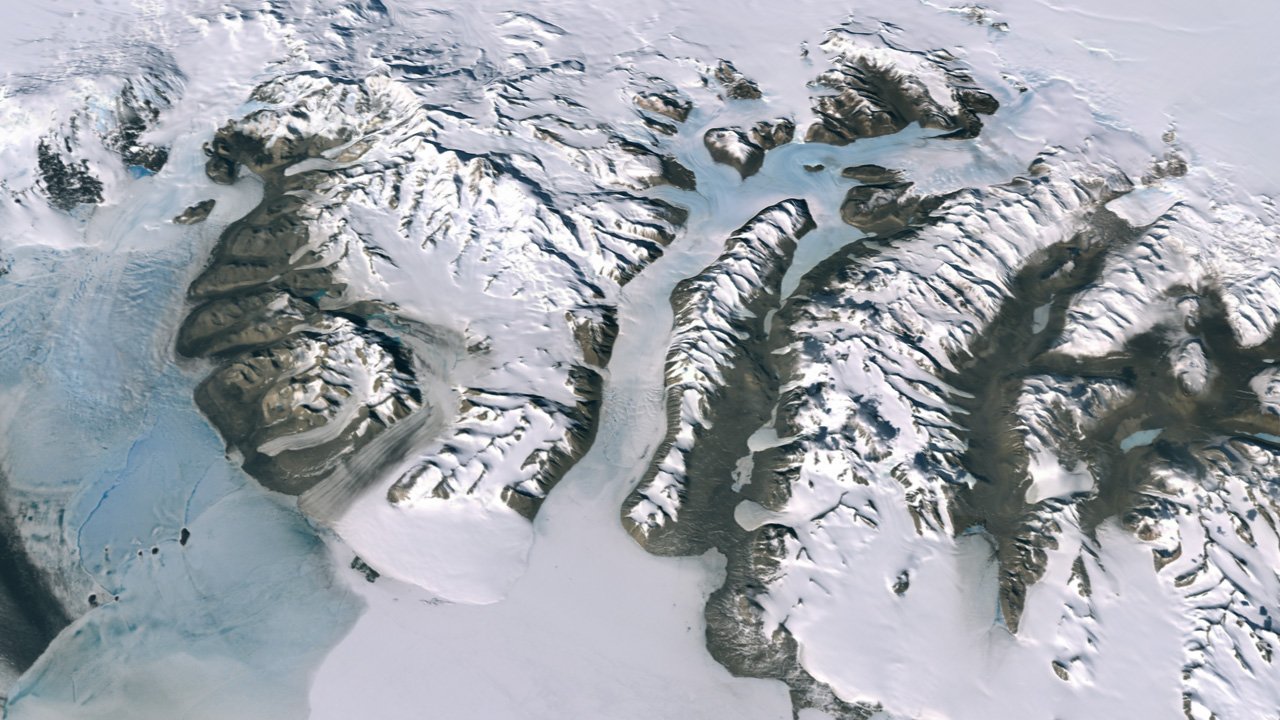
Conducting research in Antarctica is no small feat. The continent’s harsh climate and remote location present significant logistical challenges. Scientists must contend with extreme cold, high winds, and isolation. Despite these obstacles, the pursuit of knowledge drives researchers to this icy frontier. Advances in technology, such as remote sensing and autonomous vehicles, are opening new avenues for exploration. The resilience and ingenuity of these scientists are a testament to humanity’s enduring curiosity and determination to unravel the mysteries of our world.
The Future of Antarctica

As we look to the future, the fate of Antarctica hangs in the balance. Climate change poses a significant threat to its delicate ecosystems, with potential consequences for the entire planet. Preserving this continent requires international cooperation and a commitment to sustainable practices. The secrets hidden beneath the ice are a reminder of the interconnectedness of all life on Earth. By safeguarding Antarctica, we protect not only its unique environment but also the future of our planet.