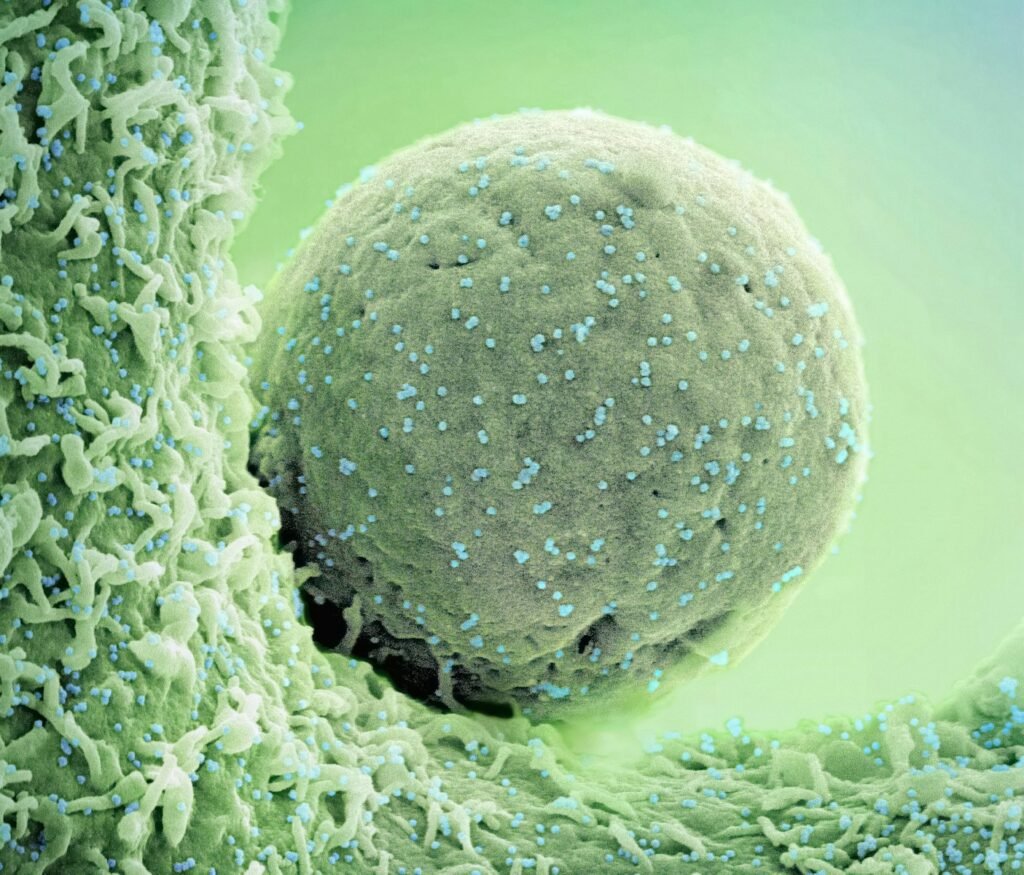
The concept of aging has fascinated humans for centuries. While people have long associated wrinkles and gray hair with the passage of time, there are certain creatures in the animal kingdom that seem to defy this natural process. These extraordinary beings appear to have stopped aging, a phenomenon that not only piques curiosity but also holds potential implications for human health and longevity. Dive into the fascinating world of these ageless wonders and uncover what their secrets might mean for us.
The Phenomenon of Biological Immortality
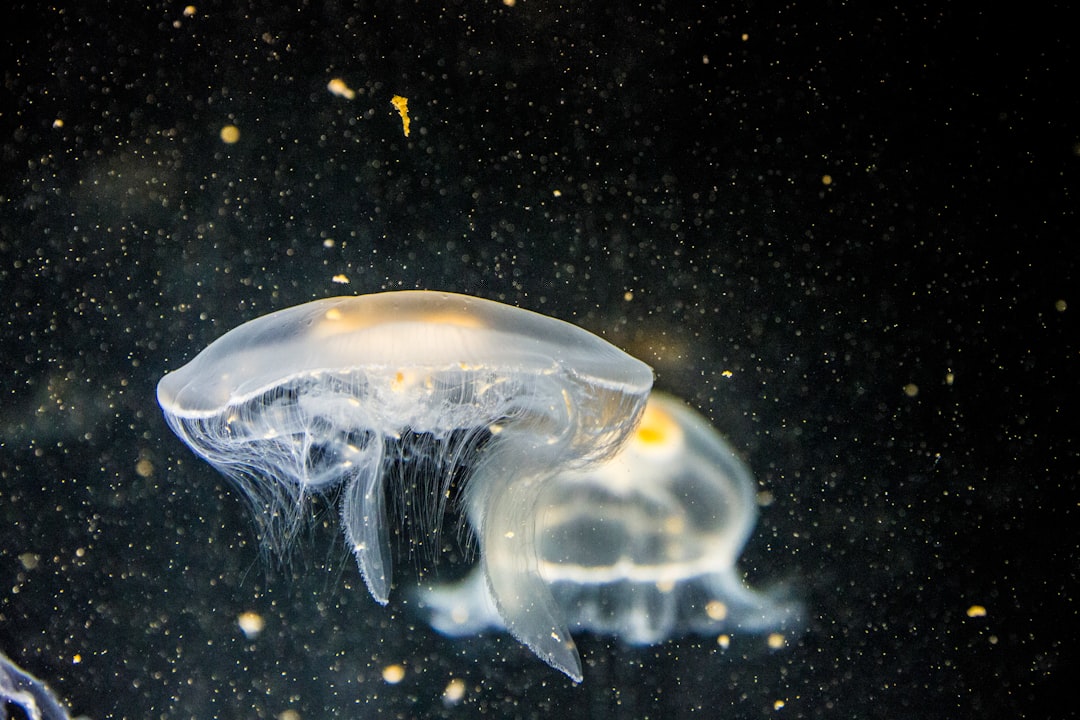
Biological immortality refers to the ability of an organism to avoid aging, essentially stopping the biological clock. This doesn’t mean these organisms can’t die; they remain susceptible to disease, predators, and environmental hazards. The concept is especially intriguing because it challenges our understanding of life processes. For example, the Turritopsis dohrnii, often referred to as the “immortal jellyfish,” can revert its cells to an earlier state, essentially starting its life cycle anew. This remarkable process allows it to bypass the conventional aging process altogether.
Organisms That Defy Time
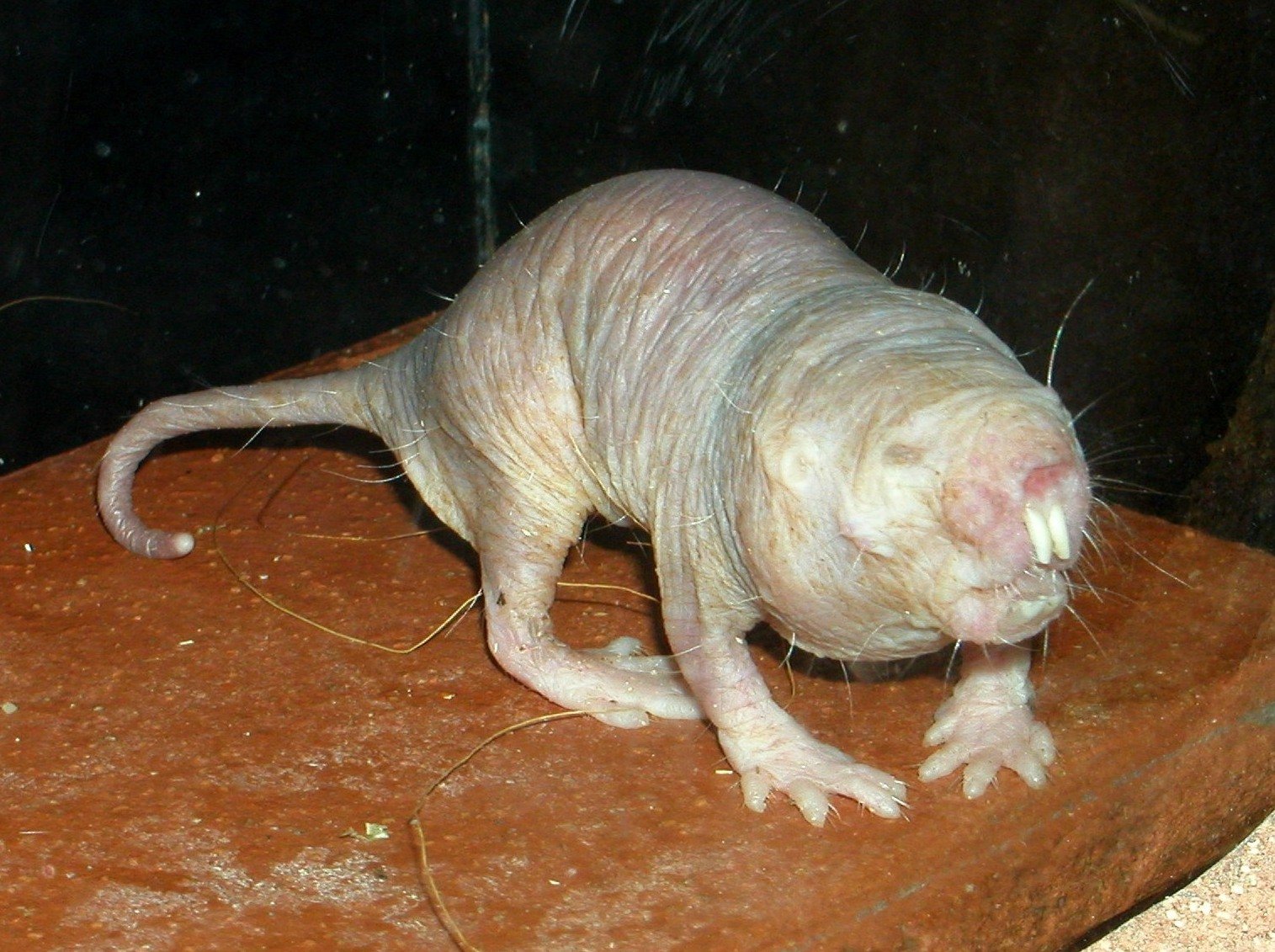
Several animals have captivated scientists with their ability to resist aging. Among them, the naked mole-rat stands out due to its exceptionally long lifespan and resistance to cancer. These subterranean rodents can live up to 30 years, a significant feat for a creature of their size. Another example is the bowhead whale, which can live for over 200 years. These animals provide invaluable insights into the mechanics of aging and have become subjects of intense scientific study. Their unique characteristics offer a window into understanding longevity in broader biological contexts.
Genetic Insights into Longevity
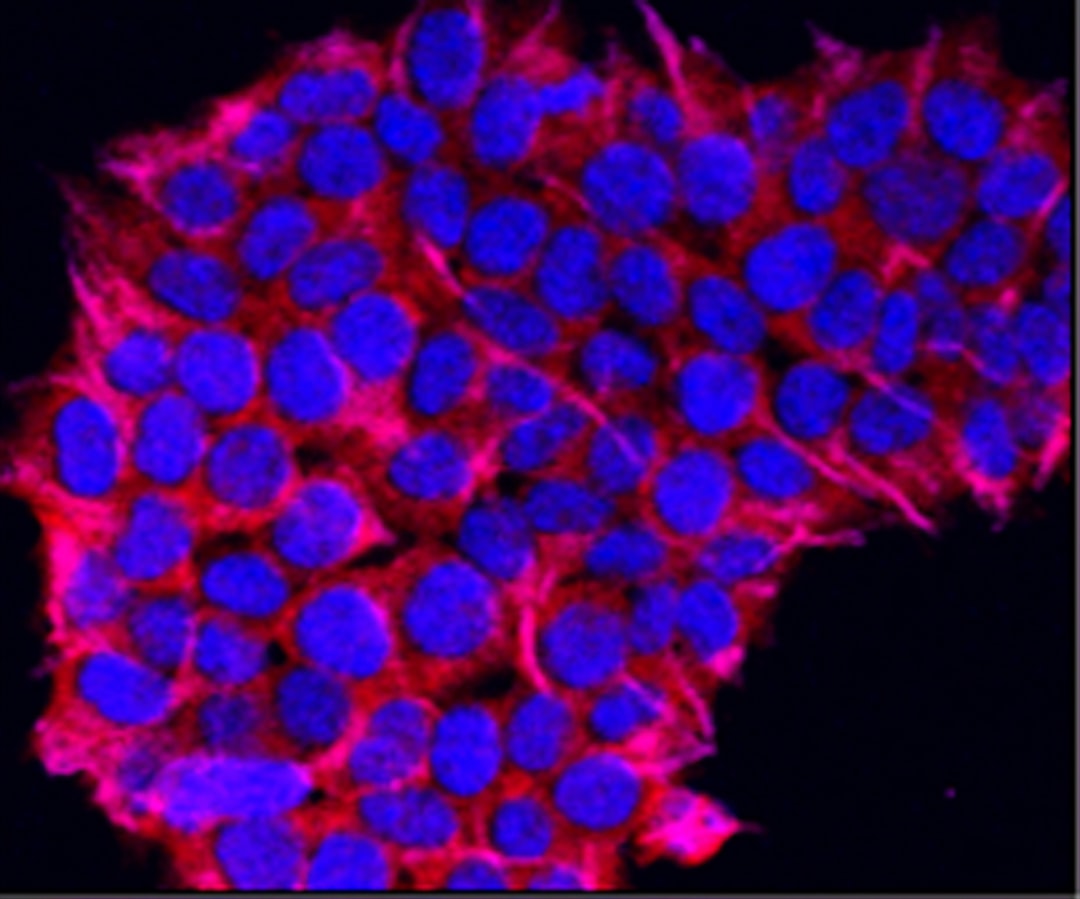
The study of animals that resist aging has revealed fascinating insights into the genetic mechanisms that govern longevity. Researchers have identified specific genes that play a role in cellular repair and regeneration. For instance, the FOXO gene, which is prevalent in long-lived species, is known to regulate the body’s response to stress and influence lifespan. Understanding these genetic pathways can potentially unlock new ways to extend human life. By examining how these genes are expressed in ageless animals, scientists hope to develop therapies that mimic their effects in humans.
Cellular Regeneration and Repair Mechanisms
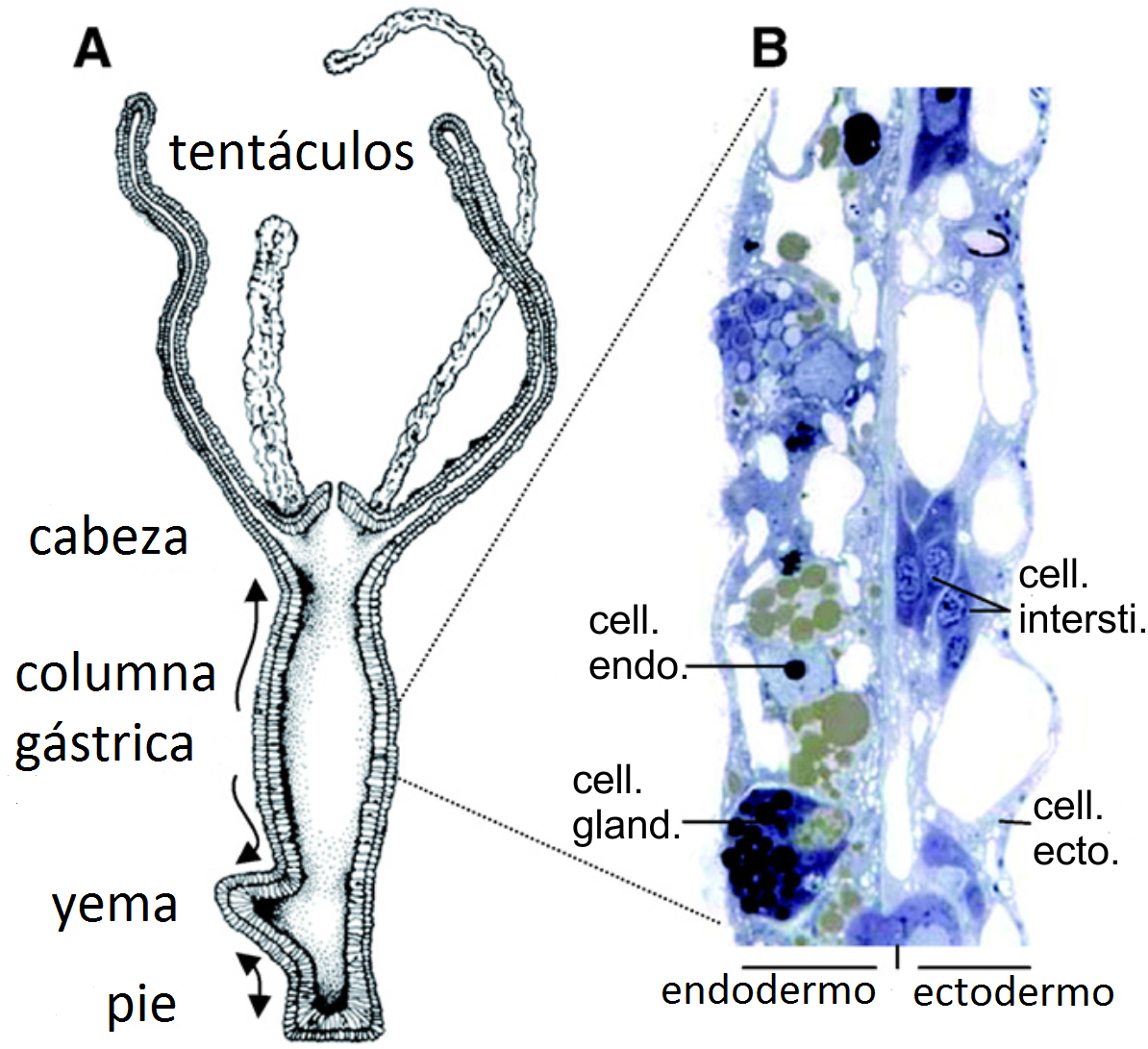
At the heart of these animals’ agelessness lies their remarkable ability to regenerate and repair cells. The Hydra, a tiny freshwater organism, is known for its continuous regeneration capabilities. Unlike most creatures, Hydra cells can divide indefinitely without deteriorating, essentially maintaining their youth. This ability is attributed to the presence of abundant stem cells, which can differentiate into any cell type required for repair. Such mechanisms could be key in developing regenerative medicine for humans, potentially leading to treatments for age-related diseases.
The Role of Telomeres in Aging
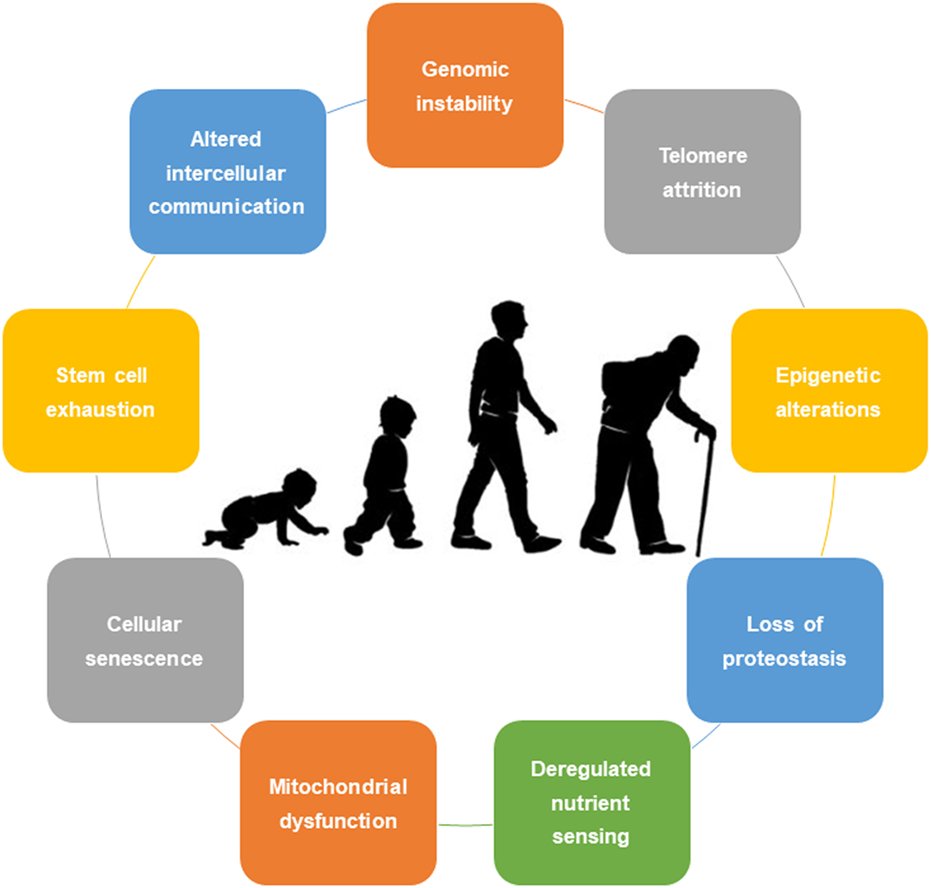
Telomeres, the protective caps at the ends of chromosomes, play a crucial role in the aging process. In most animals, telomeres shorten with each cell division, eventually leading to cellular senescence and aging. However, in some ageless animals, telomeres are either maintained or lengthened, allowing cells to continue dividing without aging. For example, lobsters exhibit continuous growth and repair throughout their lives due to their ability to maintain telomere length. Understanding telomere dynamics in these creatures could pave the way for interventions that slow human aging.
The Impact of Environment and Lifestyle

While genetics play a significant role, the environment and lifestyle of these ageless animals also contribute to their longevity. The deep-sea habitat of the Greenland shark, for instance, provides a stable environment with minimal predators and threats, allowing it to live for centuries. Similarly, the low metabolic rate of the naked mole-rat contributes to its long lifespan. These factors highlight the importance of lifestyle and environmental conditions in influencing aging, offering potential lessons for human longevity practices.
Lessons from Nature: Potential Human Applications
The study of ageless animals offers valuable lessons that could be applied to human health and longevity. By understanding the biological processes that allow these creatures to resist aging, researchers can develop strategies to enhance human lifespan. This could include developing drugs that mimic the effects of longevity genes or harnessing cellular regeneration techniques for medical therapies. The potential applications are vast, ranging from extending human healthspan to treating age-related diseases more effectively.
Ethical Considerations in Pursuing Longevity
As science progresses toward unlocking the secrets of ageless animals, ethical questions arise about the implications of extending human life. Enhancing longevity could lead to overpopulation, resource scarcity, and social inequality. Additionally, there are concerns about the moral implications of altering natural life processes. These considerations highlight the need for a balanced approach, ensuring that scientific advancements are pursued responsibly, with careful consideration of their broader impact on society.
The Future of Aging Research

The quest to understand and potentially control aging is one of the most exciting fields of scientific research today. As we continue to unravel the mysteries of ageless animals, the potential for groundbreaking discoveries grows. Advances in genetics, regenerative medicine, and biotechnology hold promise for transforming aging research. The future may see a world where age-related diseases are preventable, and longevity is no longer a distant dream but a tangible reality.
Embracing the Wonders of Nature

The study of animals that have stopped aging not only enriches our understanding of biology but also inspires appreciation for the wonders of nature. These creatures challenge our perceptions of life and mortality, encouraging us to explore the boundaries of scientific knowledge. As we venture into the unknown, we are reminded of the incredible diversity and resilience of life on Earth. The journey to unlock the secrets of aging is as much about embracing the marvels of nature as it is about advancing human health.
In conclusion, the fascinating world of ageless animals presents a remarkable opportunity to learn and grow. As we delve deeper into their secrets, we open doors to a future where human longevity is enhanced, and the mysteries of life are unraveled.