In the early dawn of space exploration, a remarkable journey took place that captured the hearts and imaginations of people worldwide. The tale of Laika, a humble stray dog from the streets of Moscow, became a symbol of human ambition and scientific endeavor. While the space race was a contest between superpowers, Laika’s story transcended political lines, reminding us of the shared dreams and sacrifices that define our quest for discovery. Her voyage into orbit was not just a technical milestone but a profound moment that bridged the gap between Earth and the cosmos.
From Streets to Stars: The Selection of Laika

Laika’s journey to the stars began in an unexpected place—the bustling streets of Moscow. As a stray, she was accustomed to the harshness of city life, making her an ideal candidate for the rigors of space travel. The Soviet space program sought a small, resilient dog that could endure extreme conditions, and Laika fit the bill perfectly. Her calm demeanor and ability to handle stress made her stand out among other potential candidates. It’s fascinating to think that a dog with such humble origins would soon become a pioneer in space exploration, highlighting the unpredictability of fate and the boundless potential within every living creature.
Preparing for the Unknown: The Rigorous Training
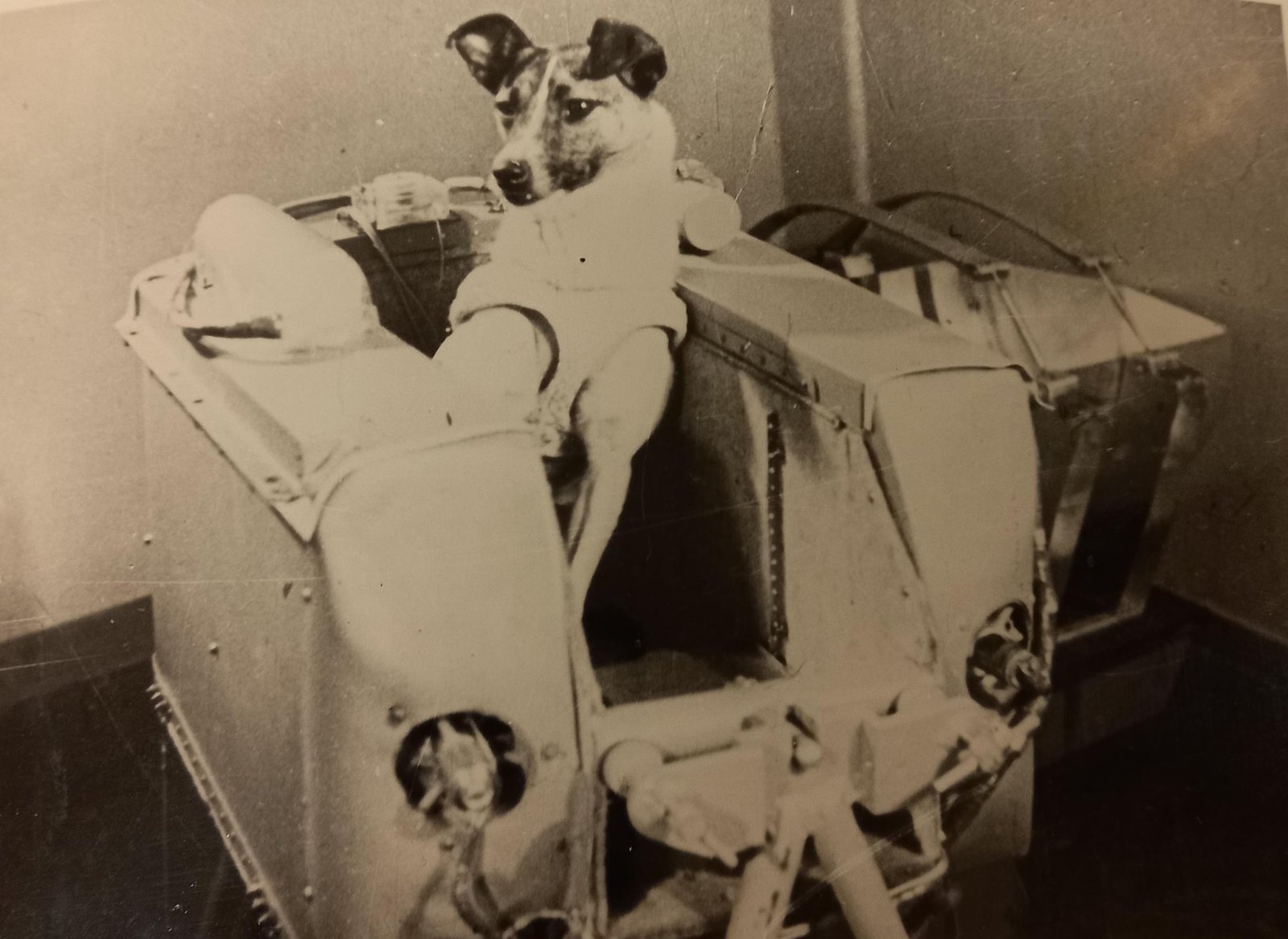
Before Laika was launched into the unknown, she underwent a series of rigorous training sessions designed to prepare her for the challenges of space travel. These sessions included confinement in small capsules to simulate the spacecraft environment, exposure to high G-forces, and training to consume a special gel-like food that would be her sustenance in orbit. The training was intense, yet Laika adapted remarkably well, showcasing her resilience and adaptability. This preparation was crucial, as it aimed to ensure her safety and comfort during the mission, though the true nature of her journey remained shrouded in uncertainty.
The Mission: Sputnik 2 and Laika’s Historic Launch
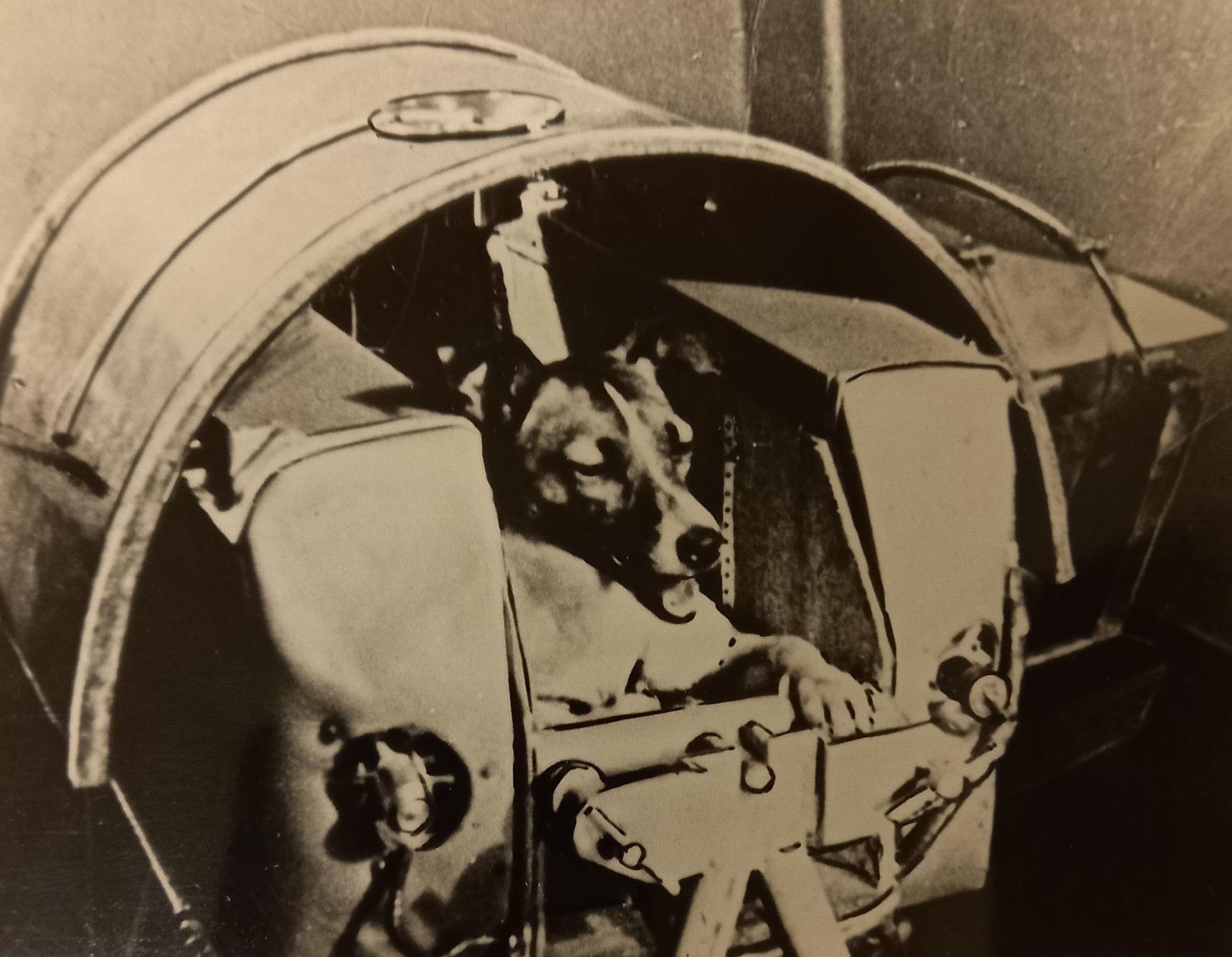
On November 3, 1957, Laika made history as the first living creature to orbit the Earth aboard Sputnik 2. The spacecraft, launched by the Soviet Union, was an uncrewed mission designed to study the effects of space travel on a living organism. As the world watched in awe, Laika’s journey captivated imaginations and sparked debates about the ethical implications of using animals in space research. The mission was a testament to human ingenuity and ambition, pushing the boundaries of what was possible and setting the stage for future manned spaceflights. Laika’s voyage was not just a scientific experiment but a profound statement about humanity’s relentless pursuit of knowledge and exploration.
The Challenges of Space: Laika’s Experience in Orbit
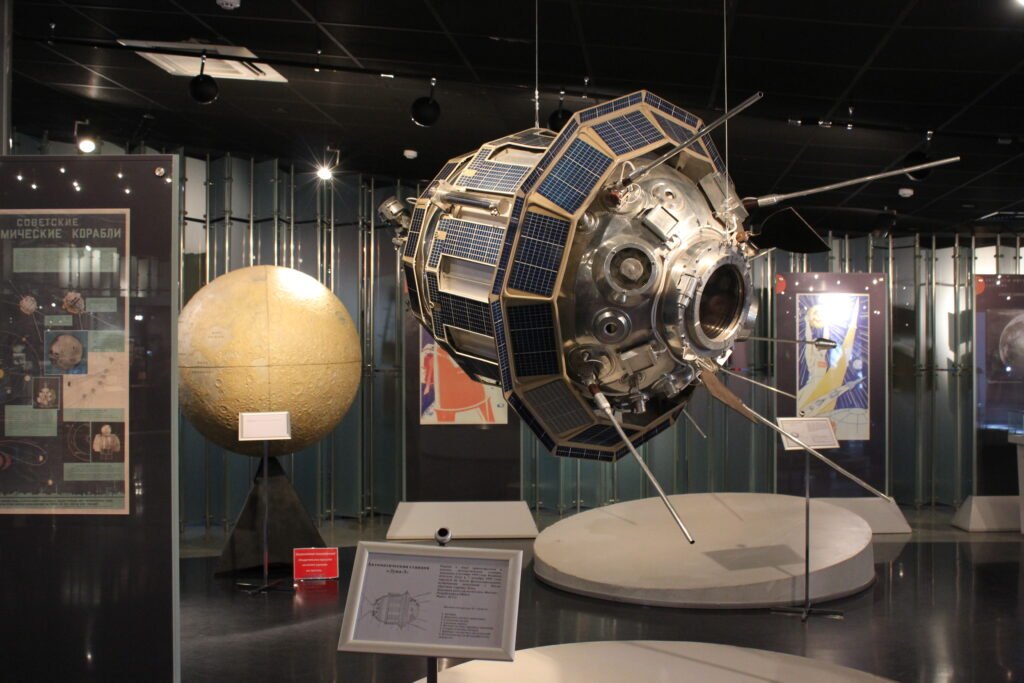
Once in orbit, Laika faced a series of challenges that tested her resilience and adaptability. The spacecraft environment was harsh, with fluctuating temperatures and limited space. Despite these conditions, Laika’s vital signs remained stable, providing valuable data for scientists back on Earth. Her experience highlighted the physiological and psychological challenges of space travel, paving the way for future missions involving humans. Laika’s journey was a testament to her endurance and the potential for life beyond our planet, inspiring generations of scientists and explorers.
The Scientific Impact: Insights Gained from Laika’s Mission
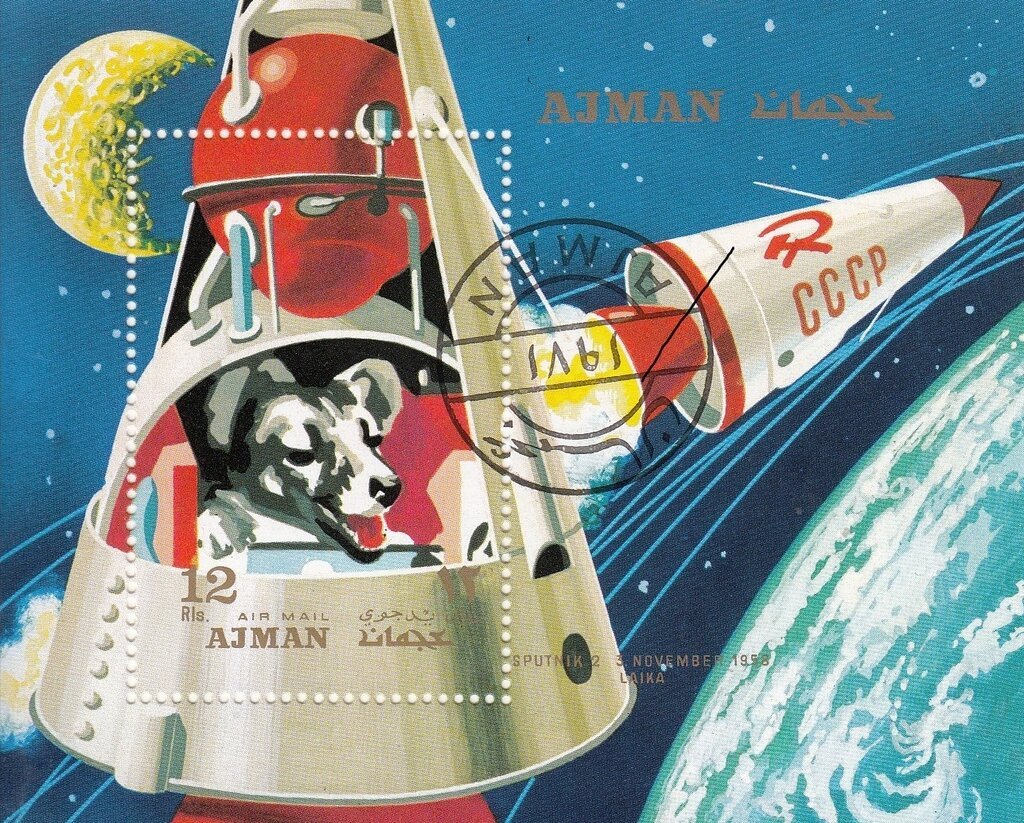
Laika’s mission provided invaluable insights into the effects of space travel on living organisms. Her journey helped scientists understand the physiological changes that occur in microgravity, such as alterations in heart rate, respiration, and body temperature. This data was crucial in designing future manned spaceflights, ensuring the safety and well-being of astronauts. Laika’s mission also underscored the importance of ethical considerations in scientific research, sparking discussions about the treatment of animals in experiments. Her legacy continues to influence the field of space exploration, reminding us of the delicate balance between scientific progress and ethical responsibility.
Global Reactions: The World Watches Laika’s Journey

Laika’s historic journey captured the attention of people worldwide, eliciting a range of reactions from admiration to concern. Her mission was a symbol of Soviet scientific prowess and a testament to human innovation. However, it also raised ethical questions about the use of animals in scientific research, prompting debates about the moral implications of such experiments. Despite the controversy, Laika’s story resonated with people across the globe, highlighting the shared dreams and aspirations that unite us all. Her journey served as a reminder of the power of exploration to inspire and challenge our understanding of the world.
The Ethical Dilemma: Controversy Surrounding Animal Testing
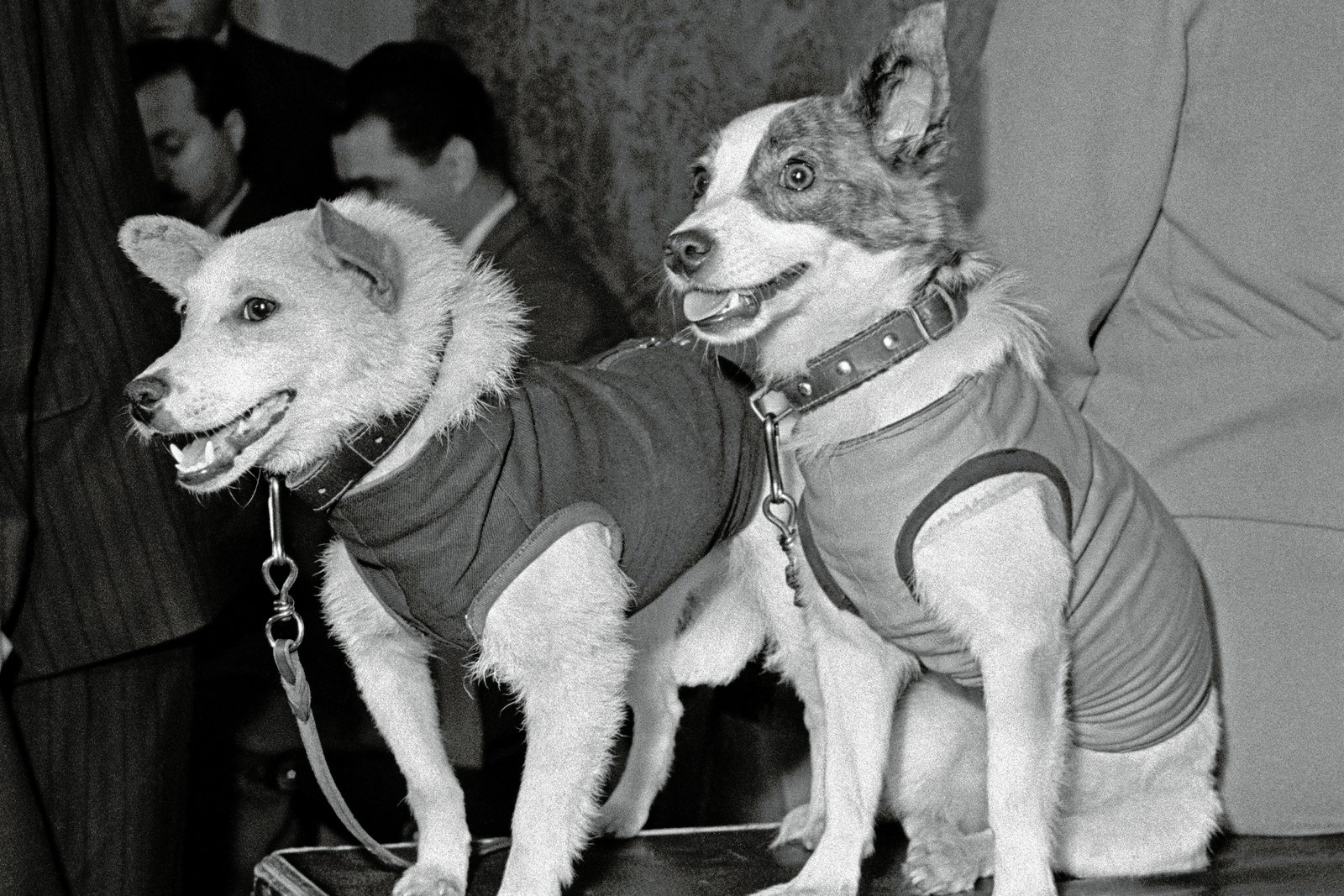
Laika’s mission sparked widespread debate about the ethics of using animals in scientific experiments. While her journey provided valuable data, it also raised questions about the moral implications of subjecting living creatures to such conditions. Critics argued that the mission lacked transparency and humane considerations, prompting calls for greater ethical standards in scientific research. This controversy highlighted the need for a balance between scientific progress and ethical responsibility, shaping future policies on animal testing in space exploration. Laika’s story serves as a poignant reminder of the ethical dilemmas inherent in our quest for knowledge and the responsibility we bear towards all living beings.
The Legacy of Laika: Inspiring Future Generations
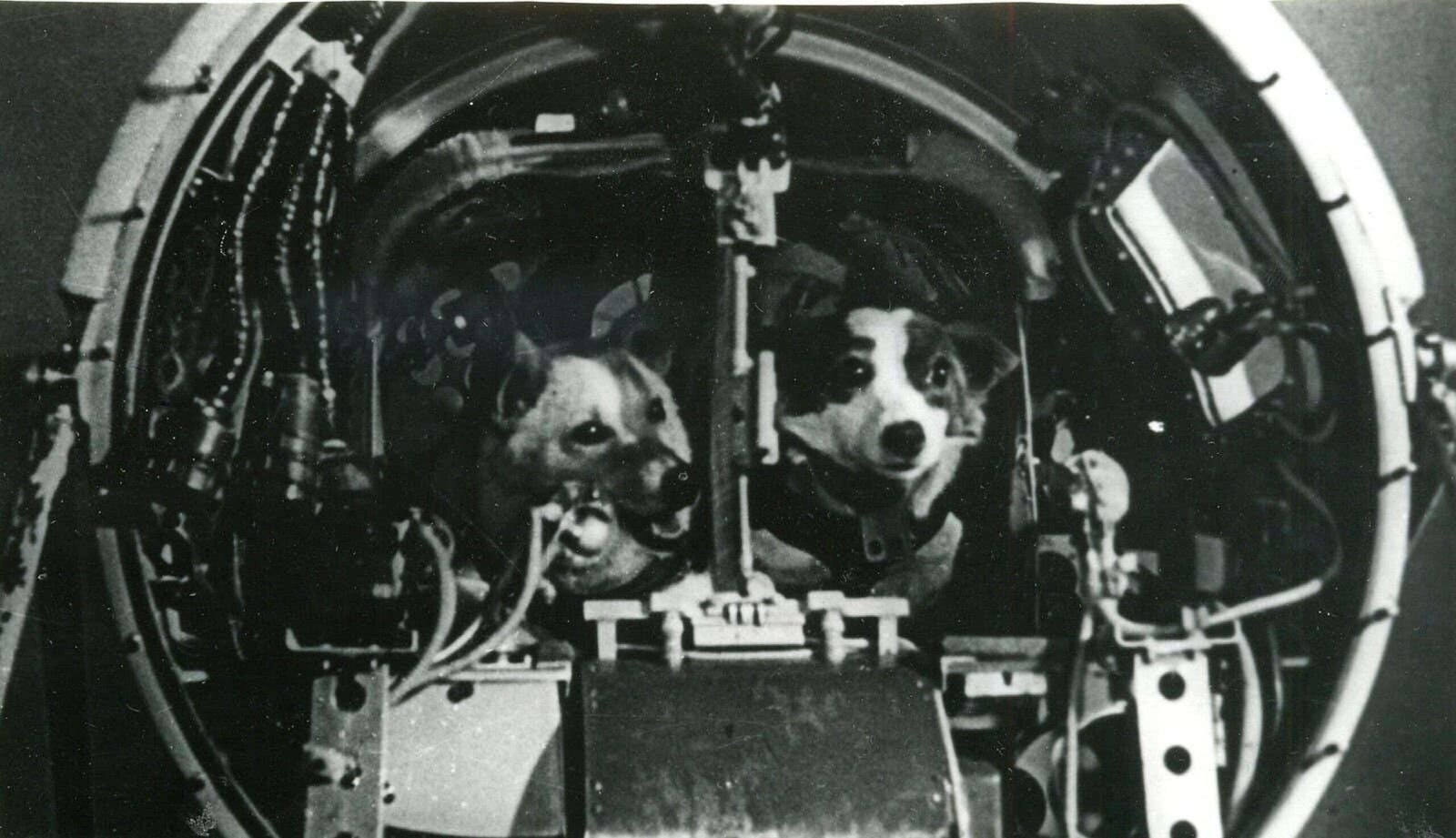
Laika’s journey into space left an indelible mark on the world, inspiring future generations of scientists, explorers, and dreamers. Her story is a testament to the power of curiosity and the human spirit’s relentless pursuit of discovery. Despite the challenges and controversies surrounding her mission, Laika’s legacy endures as a symbol of courage and resilience. Her journey paved the way for future space exploration, reminding us of the importance of pushing boundaries and embracing the unknown. Laika’s story continues to inspire and captivate, reminding us of the boundless potential within every living creature and the shared dreams that unite us all.
Reflections on Laika’s Journey: Lessons Learned
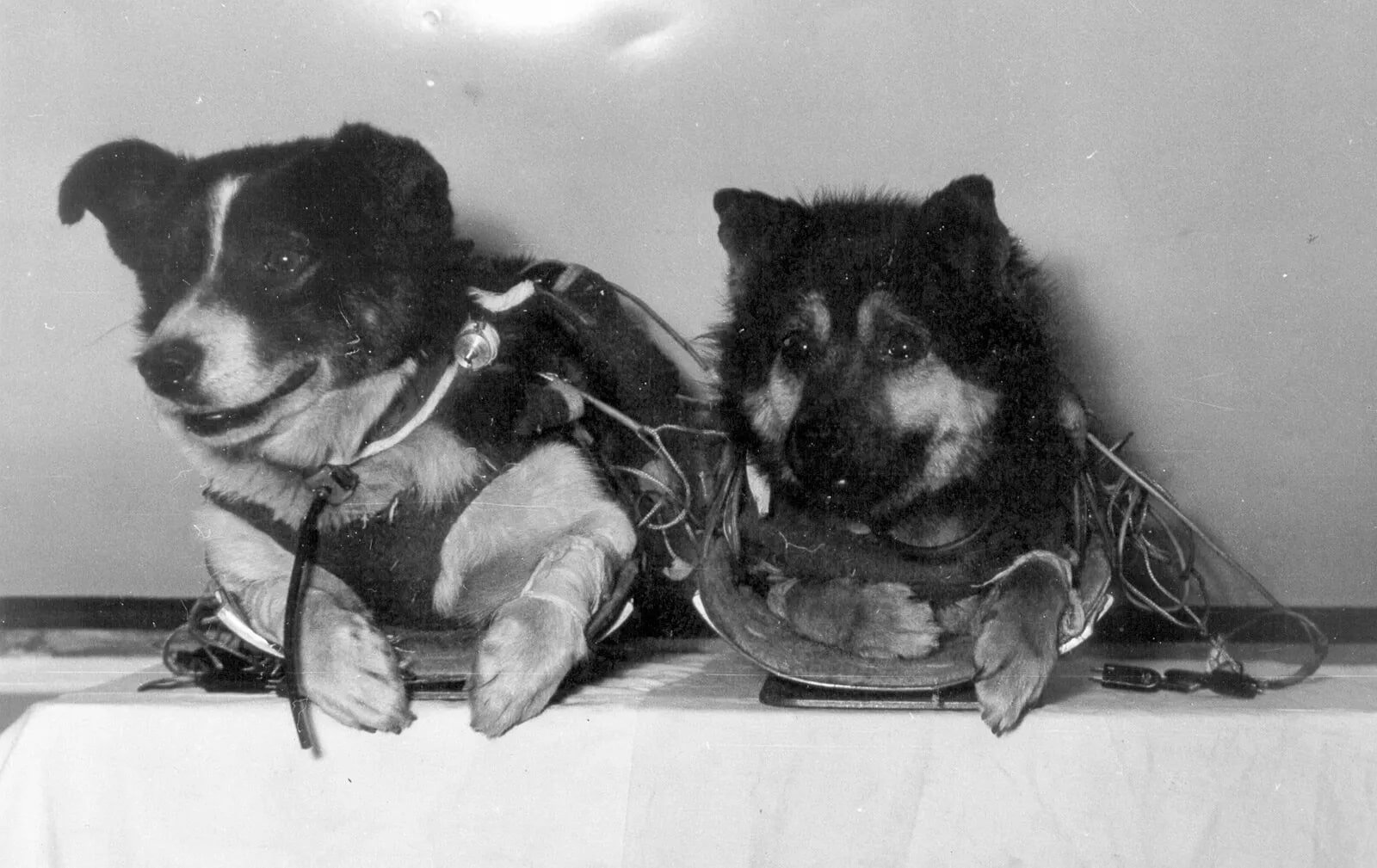
The story of Laika is more than just a tale of scientific achievement; it is a reflection on the human condition and our relationship with the natural world. Her journey highlights the complexities of exploration, the ethical dilemmas inherent in our quest for knowledge, and the profound impact of our actions on the world around us. Laika’s legacy serves as a reminder of the importance of compassion, responsibility, and ethical considerations in our pursuit of progress. Her story challenges us to reflect on the choices we make and the values we uphold, inspiring us to strive for a future that honors our shared humanity and our connection to all living beings.
Laika’s journey to the stars is a story of courage, curiosity, and the indomitable human spirit. Her legacy continues to inspire and challenge us, reminding us of the boundless potential within every living creature. As we look to the future of space exploration, let us honor Laika’s memory by embracing the unknown with compassion, responsibility, and a commitment to ethical progress.