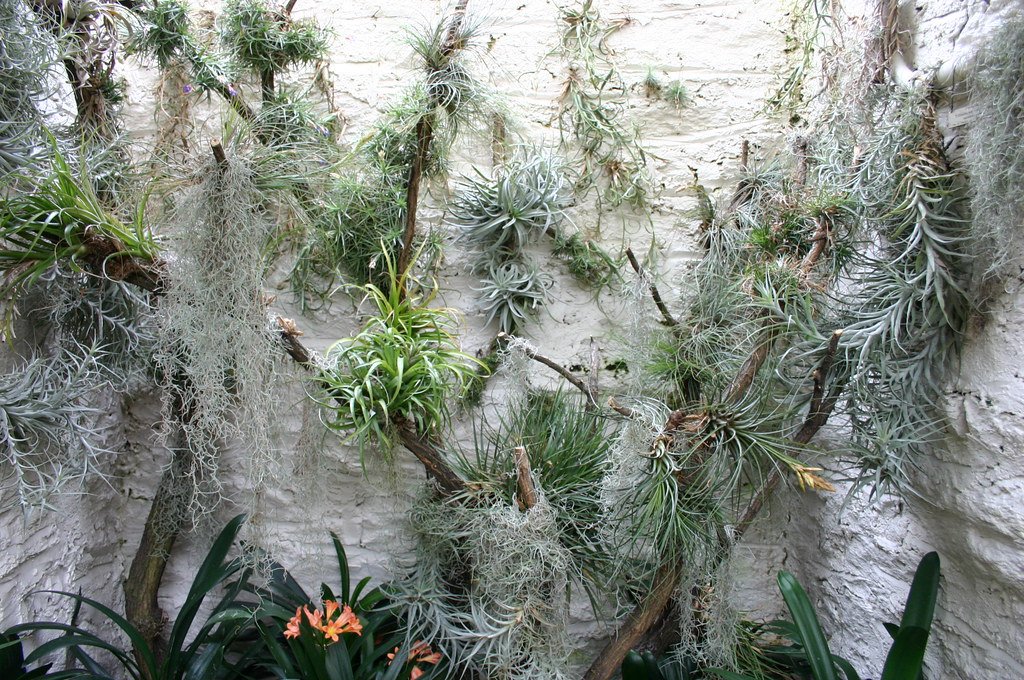

Imagine a plant that defies the rules of traditional gardening. No pots filled with soil, no daily watering rituals, yet they thrive and flourish in the most unexpected places. Welcome to the fascinating world of air plants, scientifically known as Tillandsia. These extraordinary plants have developed a unique way of life, adapting to survive without the need for soil. As you journey through this article, you’ll discover the secrets behind their survival, their ecological significance, and why they have captured the hearts of plant enthusiasts around the world.
The Unique Anatomy of Air Plants
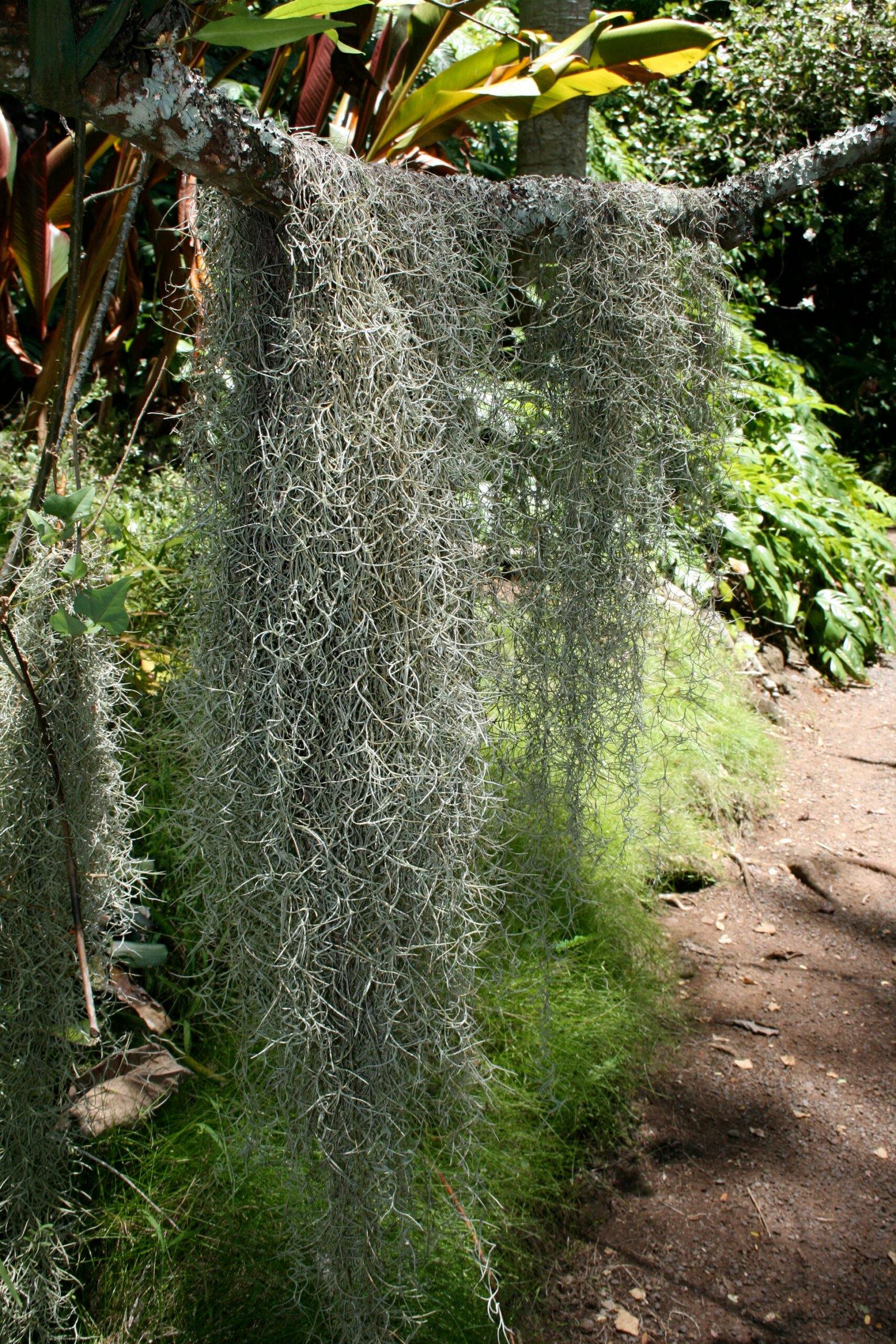
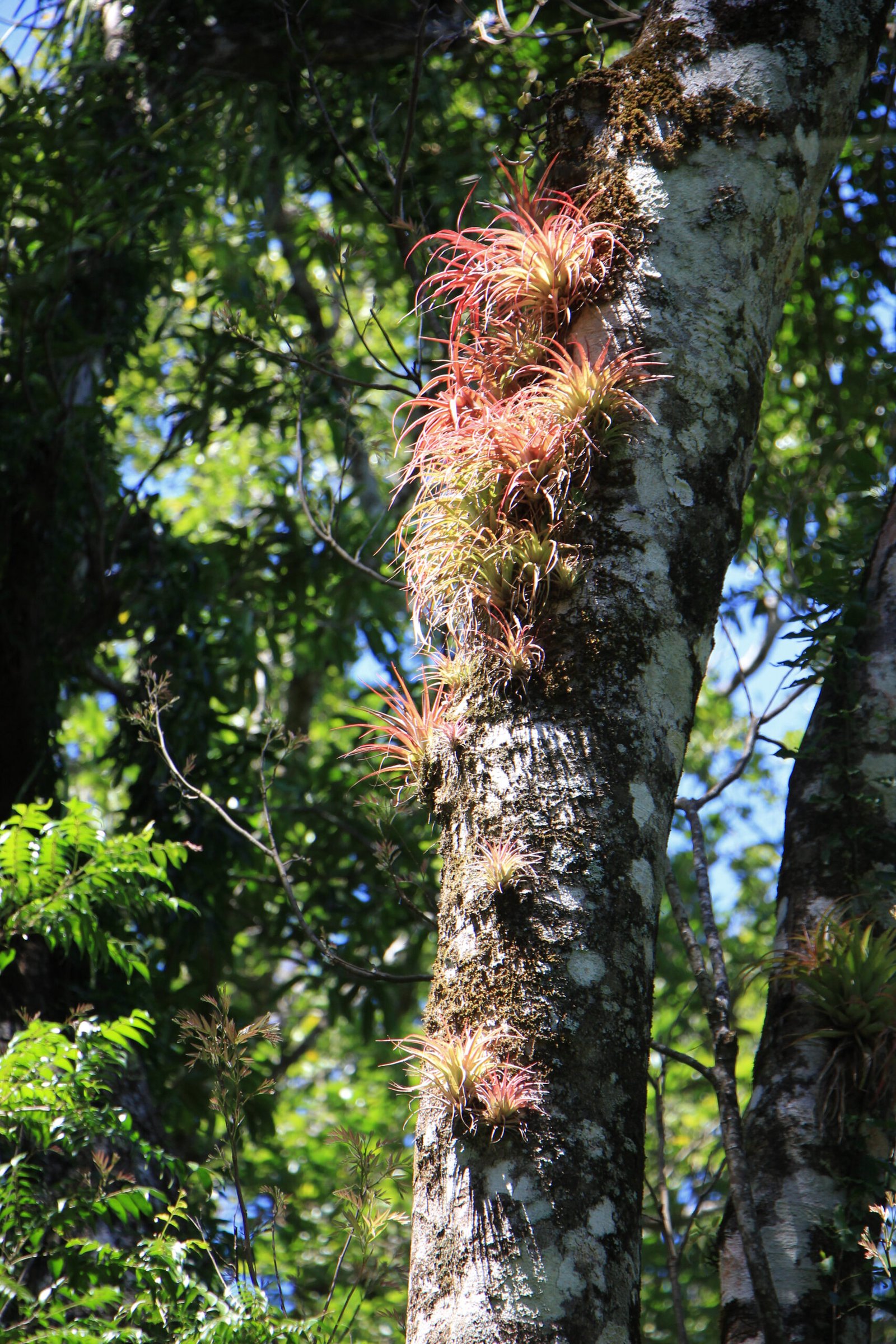
Air plants belong to the bromeliad family, boasting a unique anatomy that sets them apart from conventional plants. Unlike typical plants that rely on roots for nutrient absorption, air plants have specialized trichomes – tiny, hair-like structures on their leaves. These trichomes allow them to absorb moisture and nutrients directly from the air. It’s an incredible adaptation that enables them to thrive in environments where soil is scarce or absent, such as on tree branches or rocky outcrops. Their leaves are often covered with a silvery or fuzzy coating, which is not just for show. This coating helps them capture and retain moisture, making them resilient in dry conditions.
How Air Plants Capture Nutrients from the Air
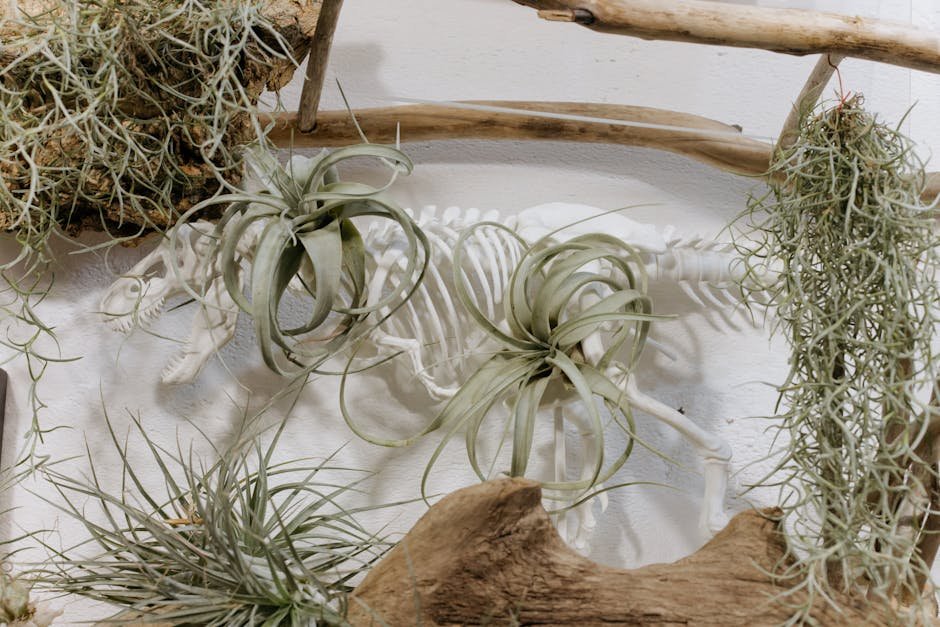
One might wonder how these plants manage to get the nutrients they need without soil. Air plants are masters of capturing airborne particles, dust, and even animal droppings, which provide essential nutrients. The trichomes on their leaves play a crucial role in this process. They trap and absorb these tiny particles, converting them into a form that the plant can use for growth and sustenance. This ability to gather nutrients from the air is not only fascinating but also highlights their resilience and adaptability in diverse environments.
Survival Strategies in Harsh Environments
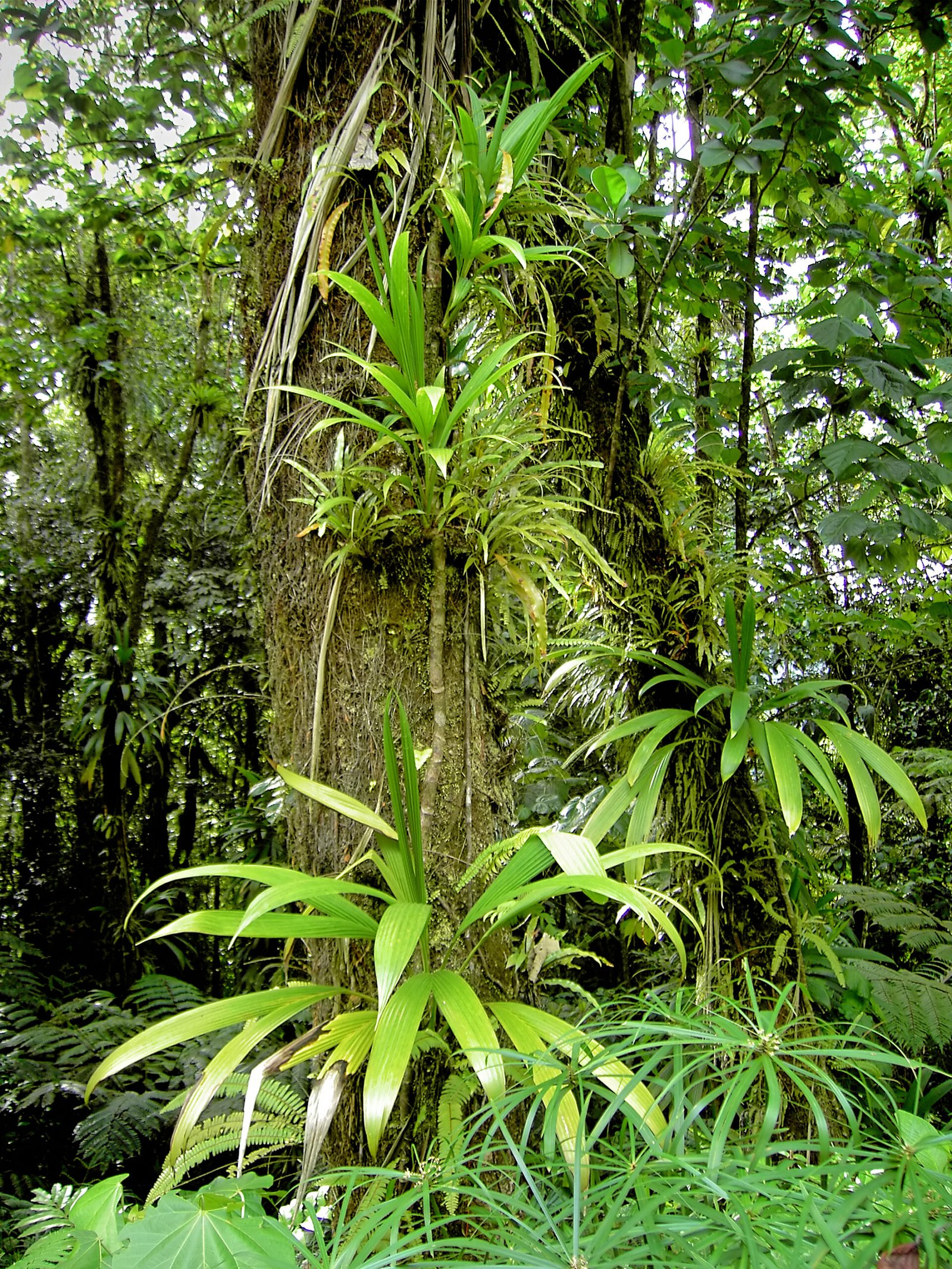
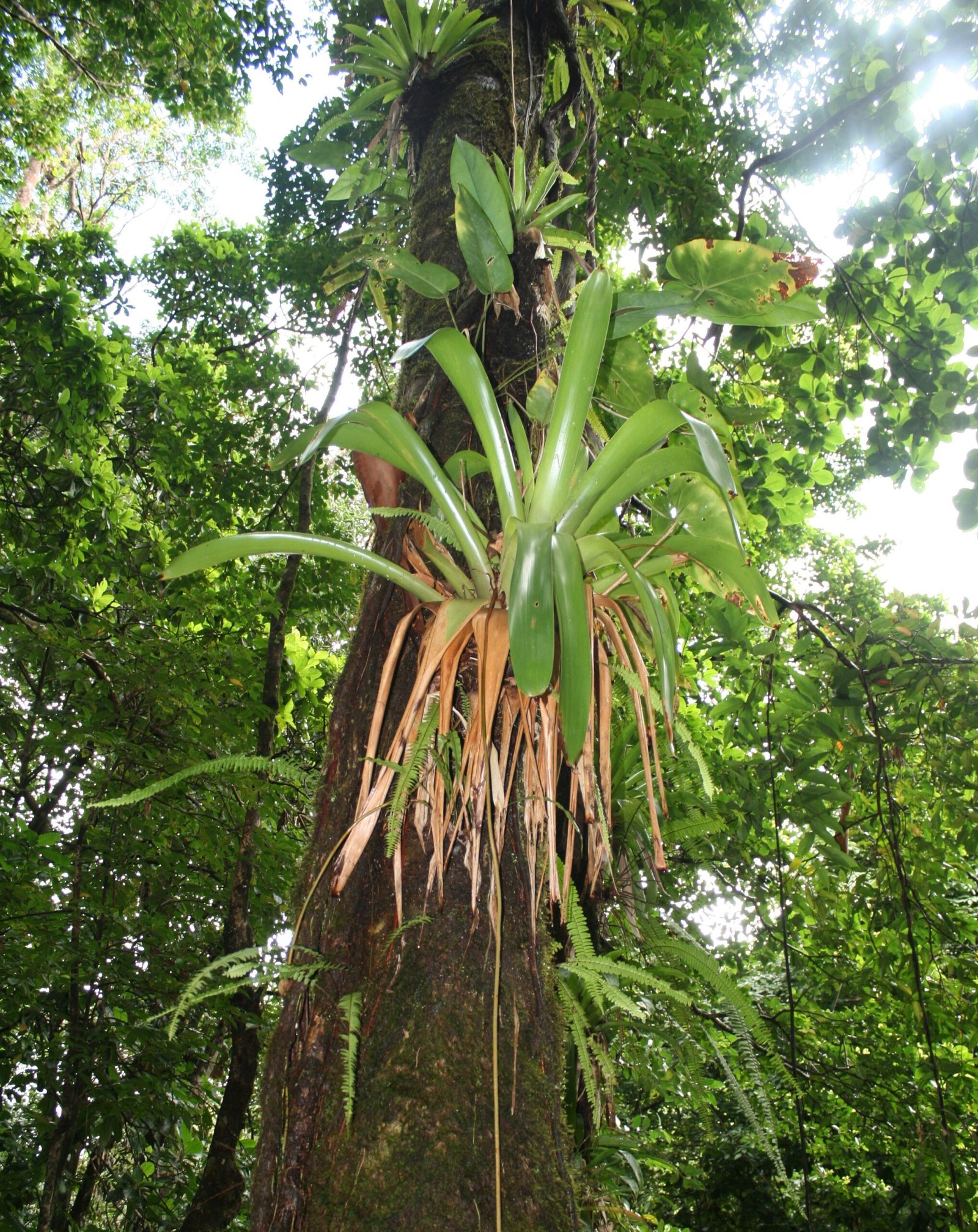
Air plants have evolved to survive in some of the harshest environments on Earth. From the humid rainforests of Central and South America to the arid deserts, they have adapted to a range of challenging conditions. In rainforests, they often grow on tree canopies, benefiting from the filtered light and moisture provided by the dense foliage. In contrast, desert-dwelling air plants have developed mechanisms to conserve water, such as closing their stomata during the hottest parts of the day to reduce water loss. These survival strategies are a testament to their incredible resilience and adaptability.
The Role of Air Plants in Their Ecosystems

Air plants are not just passive inhabitants of their environments; they play a significant role in their ecosystems. By growing on trees without harming them, they contribute to the biodiversity of the forest canopy. They provide habitats for various insects and small creatures, creating a micro-ecosystem that supports a range of life forms. Their presence can also influence the moisture levels in the air, benefiting other plants and animals in the vicinity. Thus, air plants are an integral part of their ecosystems, contributing to the overall health and balance of their habitats.
Air Plants in History and Culture
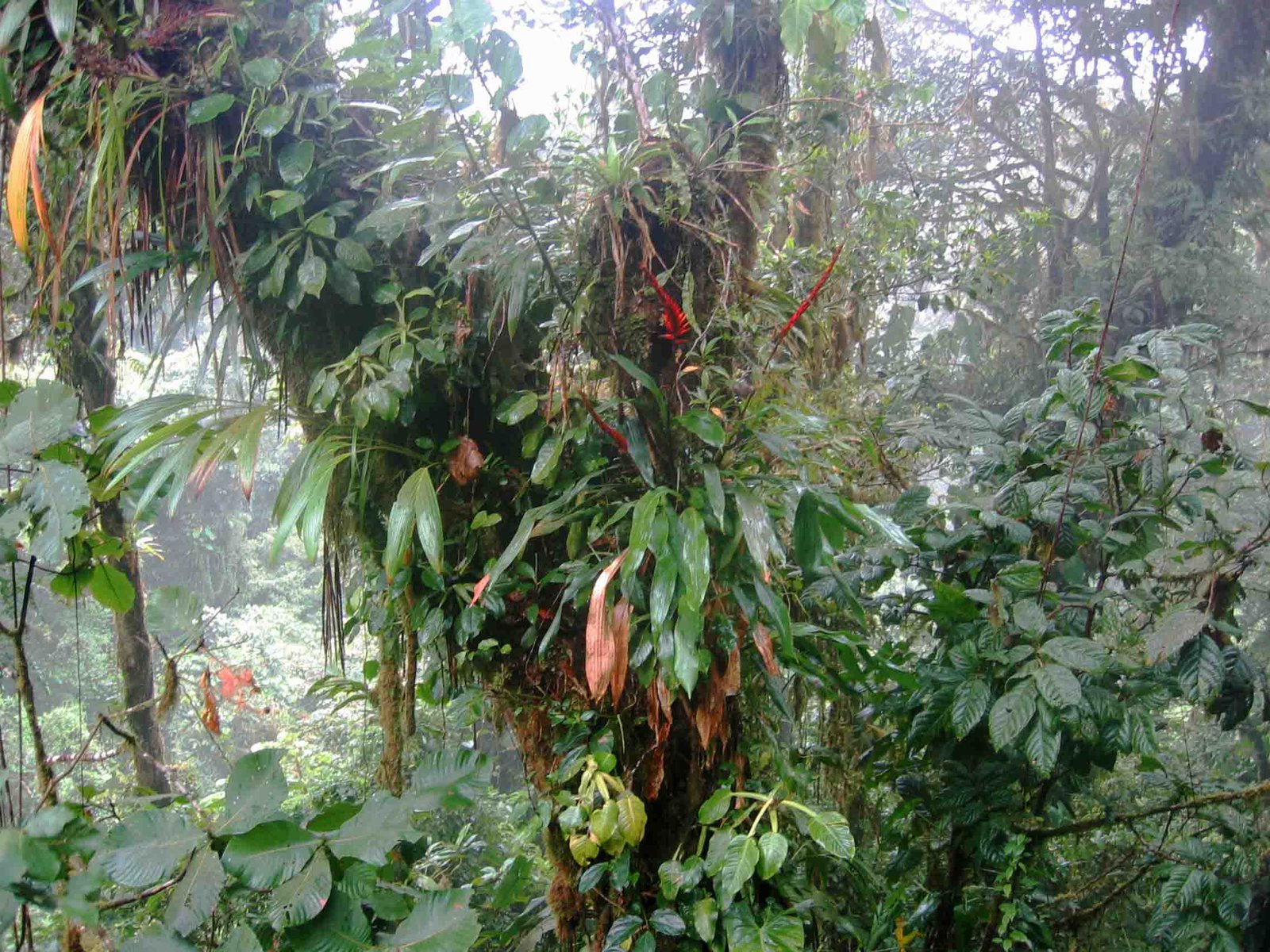
The allure of air plants is not a recent phenomenon. These remarkable plants have been admired and utilized by various cultures throughout history. Indigenous peoples in Central and South America have long recognized their beauty and utility, using them in traditional medicine and ceremonies. In modern times, air plants have found their way into homes and gardens around the world, cherished for their unique appearance and low maintenance requirements. Their cultural significance is a testament to their enduring appeal and the fascination they inspire across generations.
The Science Behind Air Plant Reproduction
Reproduction in air plants is as intriguing as their survival strategies. They reproduce both sexually, through seeds, and asexually, by producing “pups.” After blooming, an air plant can produce several pups, which are essentially clones of the parent plant. These pups grow slowly and eventually detach to become independent plants. This dual reproduction strategy ensures their survival and propagation, allowing them to spread and colonize new areas. Their ability to reproduce in diverse ways is a key factor in their widespread distribution and success as a species.
The Aesthetic Appeal of Air Plants
Beyond their scientific intrigue, air plants captivate with their aesthetic appeal. Their unique shapes, colors, and textures make them popular choices for home decor and artistic arrangements. With no need for soil, they can be displayed creatively in glass terrariums, mounted on driftwood, or suspended in the air. Their versatility in design and ease of care make them an excellent choice for those looking to bring a touch of nature indoors without extensive gardening commitments. Their beauty and charm continue to inspire artists and designers worldwide.
Caring for Air Plants at Home
Despite their exotic nature, caring for air plants is surprisingly simple. They require bright, indirect light and should be soaked in water once a week to stay hydrated. It’s important to shake off excess water to prevent rot, as they are prone to it if left too wet. In dry environments, occasional misting can help maintain the humidity they need. Their low maintenance needs make them perfect for busy individuals or those new to plant care. With a little attention, air plants can thrive indoors, adding a unique and natural element to any space.
The Environmental Benefits of Air Plants
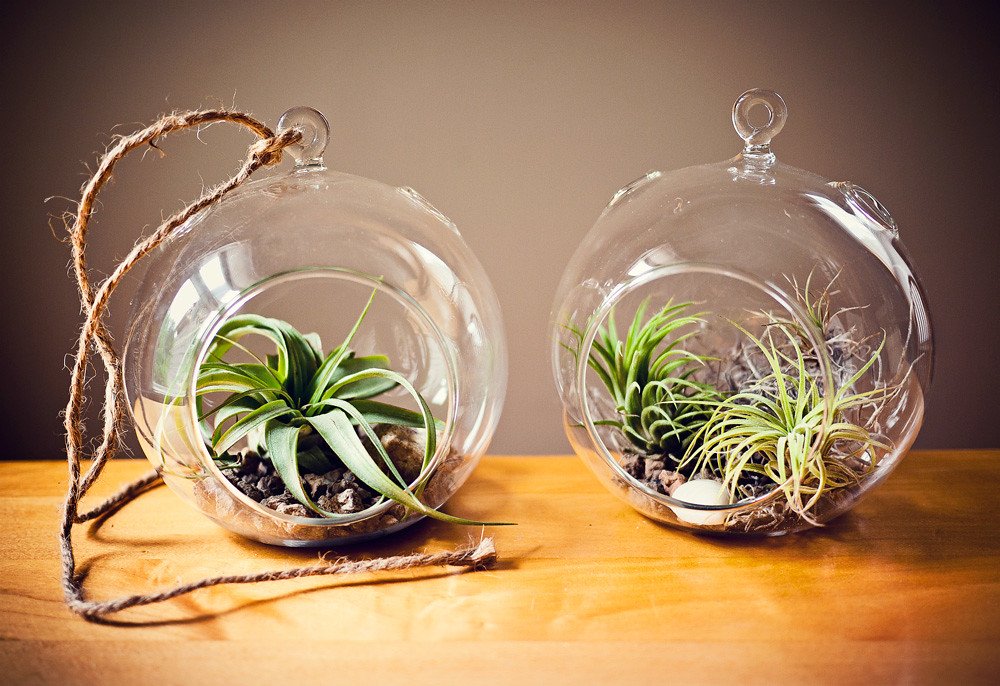
Air plants offer several environmental benefits, making them an eco-friendly choice for plant enthusiasts. They require minimal resources to grow, reducing the need for soil and water. By absorbing carbon dioxide and releasing oxygen, they contribute to cleaner air and a healthier indoor environment. Their ability to thrive in various conditions without extensive care means they have a smaller ecological footprint compared to many other houseplants. Embracing air plants is not only a choice for beauty and uniqueness but also a step towards sustainable living.
Conclusion: The Enduring Fascination with Air Plants
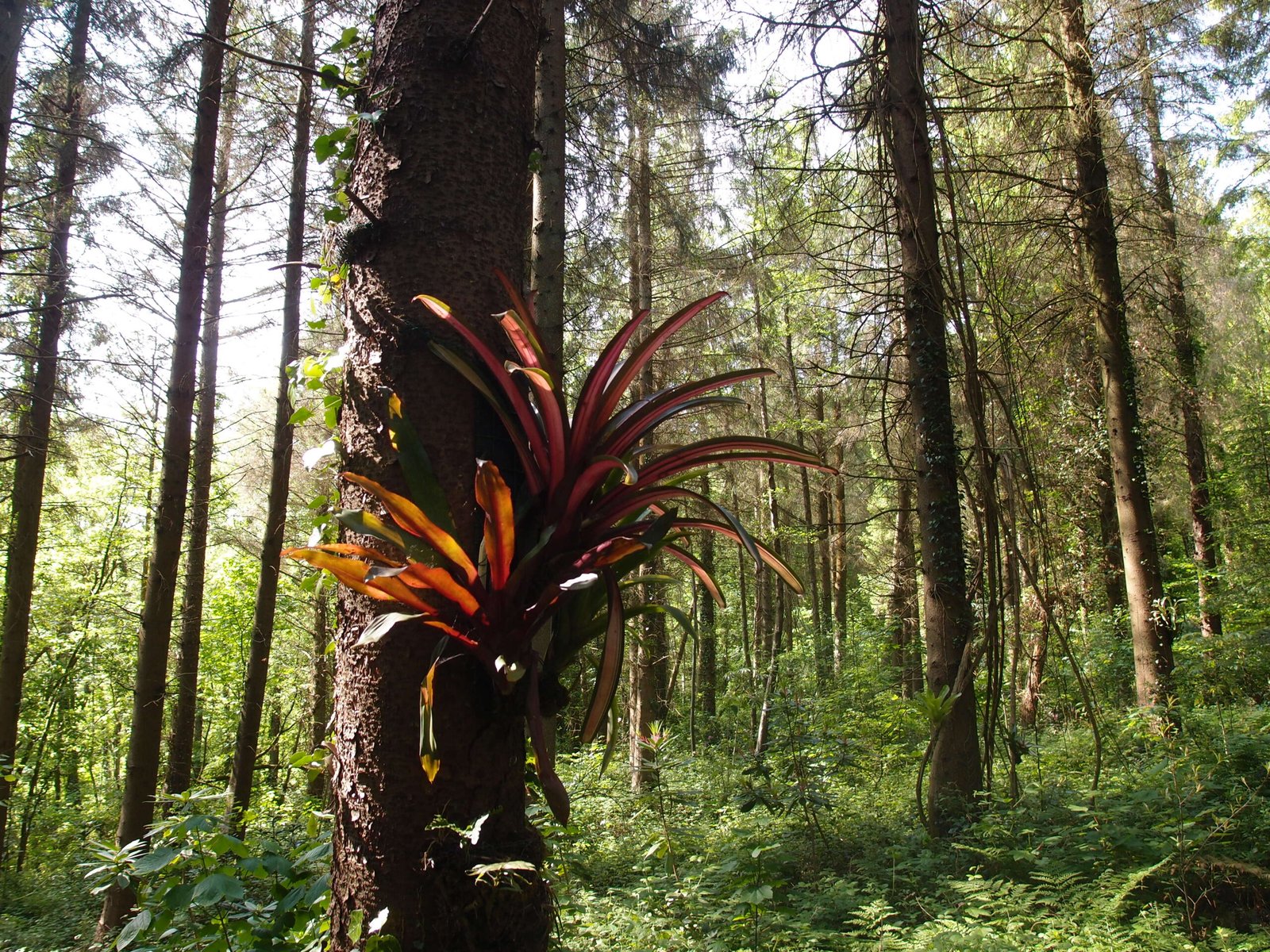
Air plants, with their remarkable adaptations and captivating beauty, continue to fascinate and inspire. Their ability to survive without soil challenges our understanding of plant life and showcases the wonders of nature’s ingenuity. As we learn more about these incredible plants, their role in ecosystems, and their cultural significance, our appreciation for them grows. Whether you’re a seasoned gardener or a curious novice, air plants offer a glimpse into the strange and wonderful world of plant life, inviting us to explore and connect with nature in new and exciting ways.