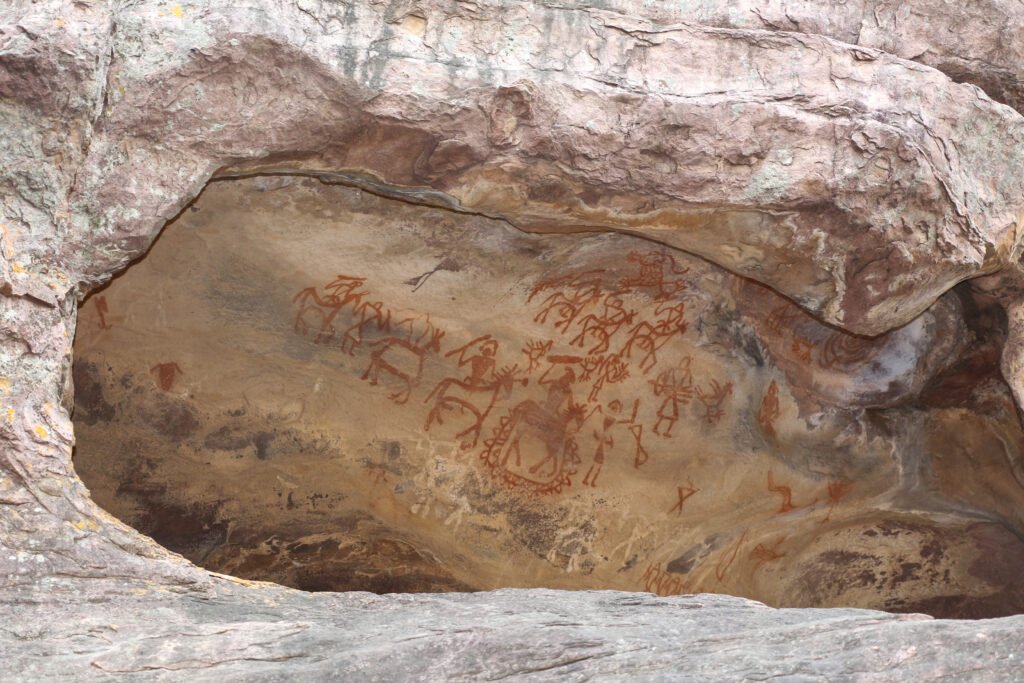

Nestled amidst the rocky hills of central India, the Bhimbetka rock shelters hold a treasure that dates back thousands of years. These ancient cave paintings offer a glimpse into the lives of early humans, bridging a connection between art and the evolution of humankind. The vivid drawings and engravings found within these caves serve not only as artistic expressions but also as historical records that shed light on the sociocultural and cognitive development of humans. As we delve into the story of Bhimbetka, we uncover the intricate tapestry of human creativity and survival.
The Discovery of Bhimbetka
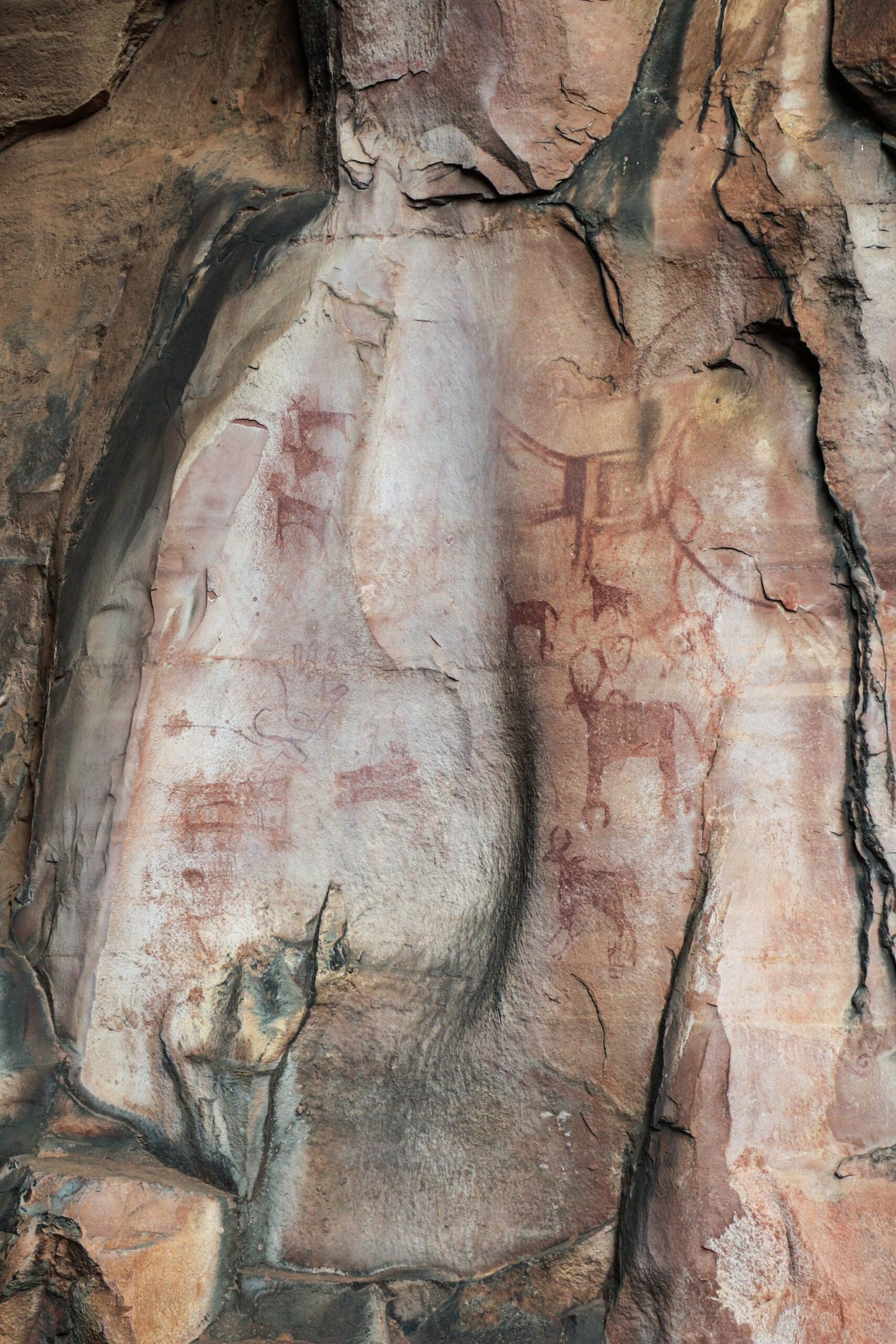
The Bhimbetka rock shelters were first brought to the world’s attention in the early 1950s by the renowned archaeologist Dr. Vishnu Wakankar. While on a train journey, he noticed the unusual rock formations and decided to explore them. What he found was nothing short of astounding—an array of prehistoric art that spanned several millennia. These shelters, nestled in the Vindhya range, are now recognized as a UNESCO World Heritage site. The discovery was a pivotal moment in Indian archaeology, as it highlighted the rich prehistoric heritage of the region and placed Bhimbetka on the global map of ancient human settlements.
Artistic Techniques and Styles
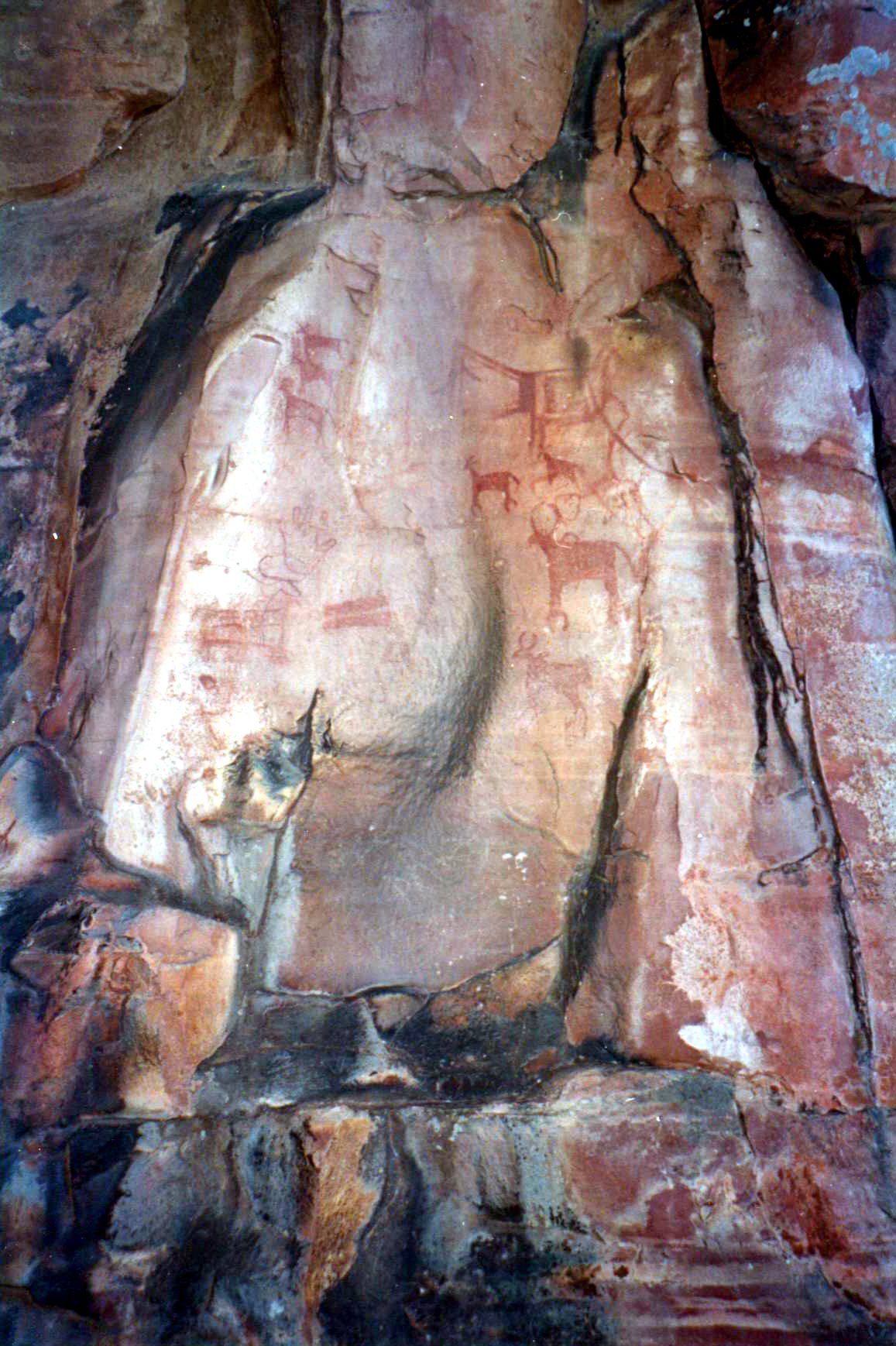
The art of Bhimbetka is as diverse as it is ancient. The paintings range from simple geometric designs to intricate depictions of human figures and animals. Early artists used natural pigments like red ochre, green, and white, which have remarkably stood the test of time. The styles evolved over the ages, reflecting the changing lifestyles and beliefs of the inhabitants. For instance, the early paintings primarily featured animals, indicative of a hunting-gathering society. Over time, human figures began to appear more frequently, showcasing scenes of communal dancing, religious rituals, and daily activities. This transition in artistic themes provides valuable insights into the cultural evolution of early humans.
The Role of Religion and Mythology
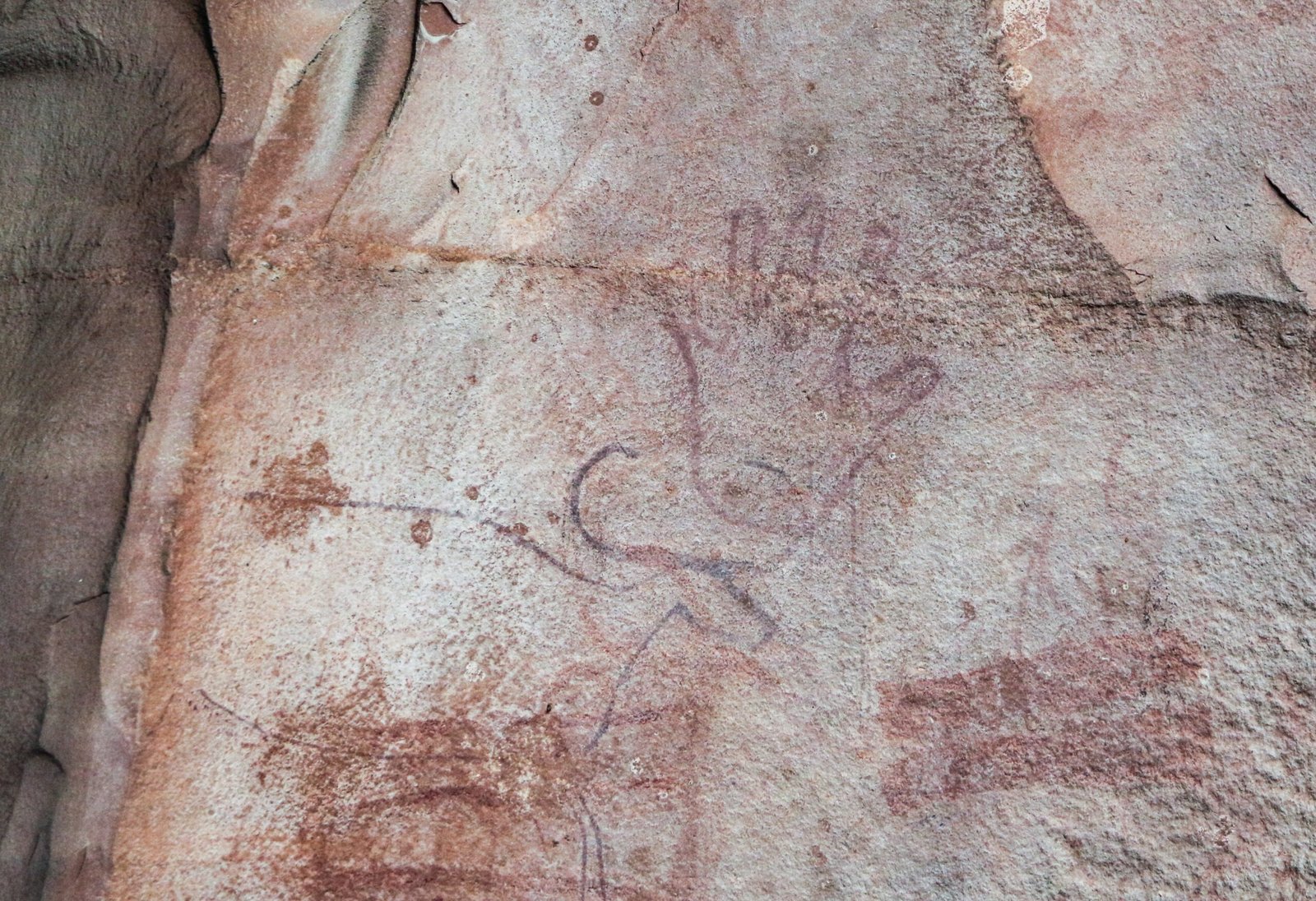
The Bhimbetka paintings are not just artistic expressions; they are windows into the spiritual lives of their creators. Many of the artworks are believed to have religious or mythological significance. For example, images of mythical creatures and ritualistic dance scenes suggest a deep-rooted belief system. These depictions indicate that early humans might have used the caves not only as dwellings but also as ceremonial spaces. This intertwining of art and spirituality underscores the cognitive advancements of prehistoric societies, hinting at the beginnings of organized religion and myth-making.
Interpreting the Animal Motifs
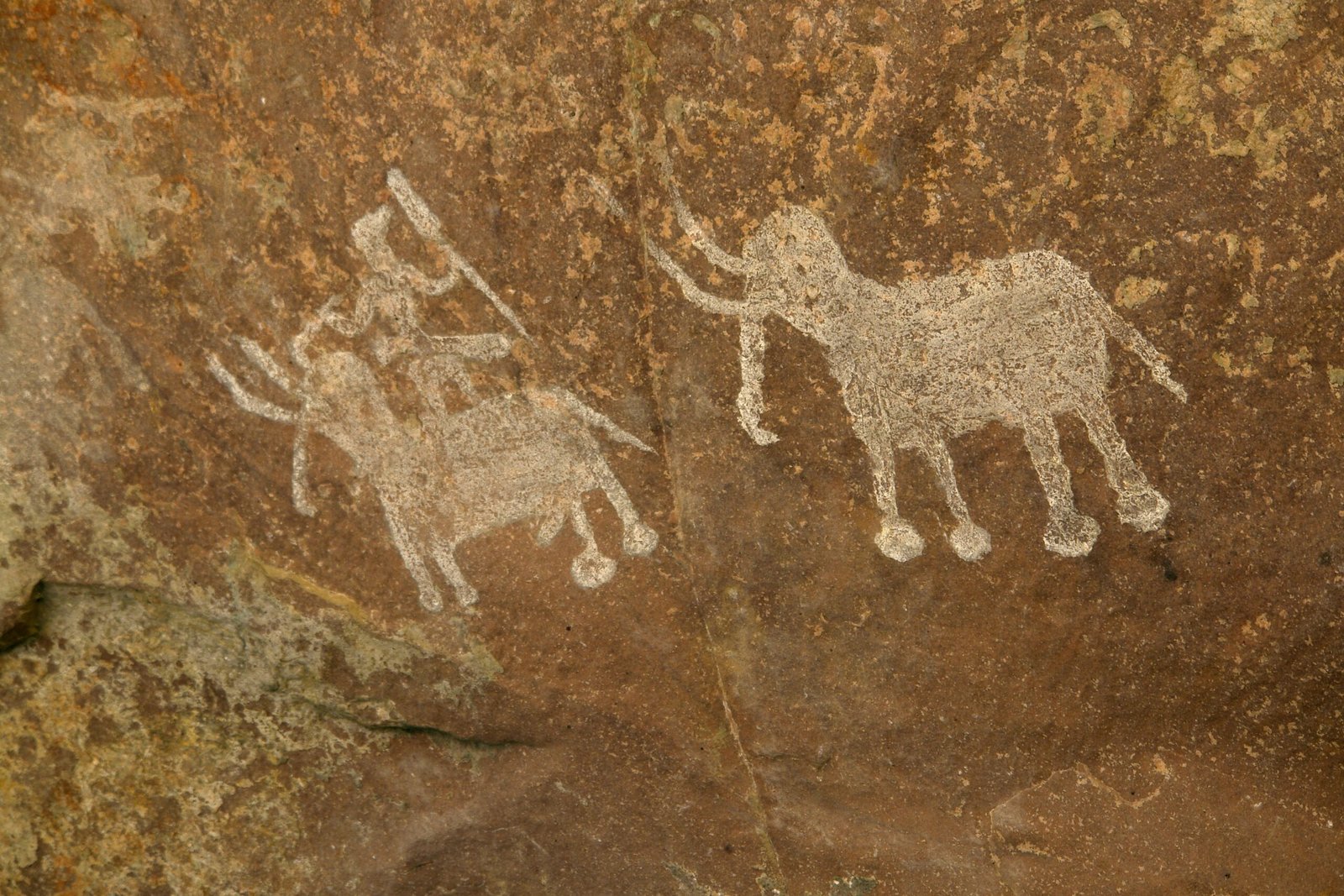
Animals are a prominent theme in Bhimbetka’s art, with depictions of bison, tigers, elephants, and deer adorning the cave walls. These motifs are not mere illustrations; they reflect the symbiotic relationship between humans and their environment. The frequent portrayal of hunting scenes suggests the importance of these animals in the everyday lives of the inhabitants. Moreover, the accuracy and detail in these depictions reveal a profound understanding of animal behavior and anatomy. This artistic attention to detail is indicative of early humans’ keen observational skills, which were crucial for survival.
Social Structures and Community Life
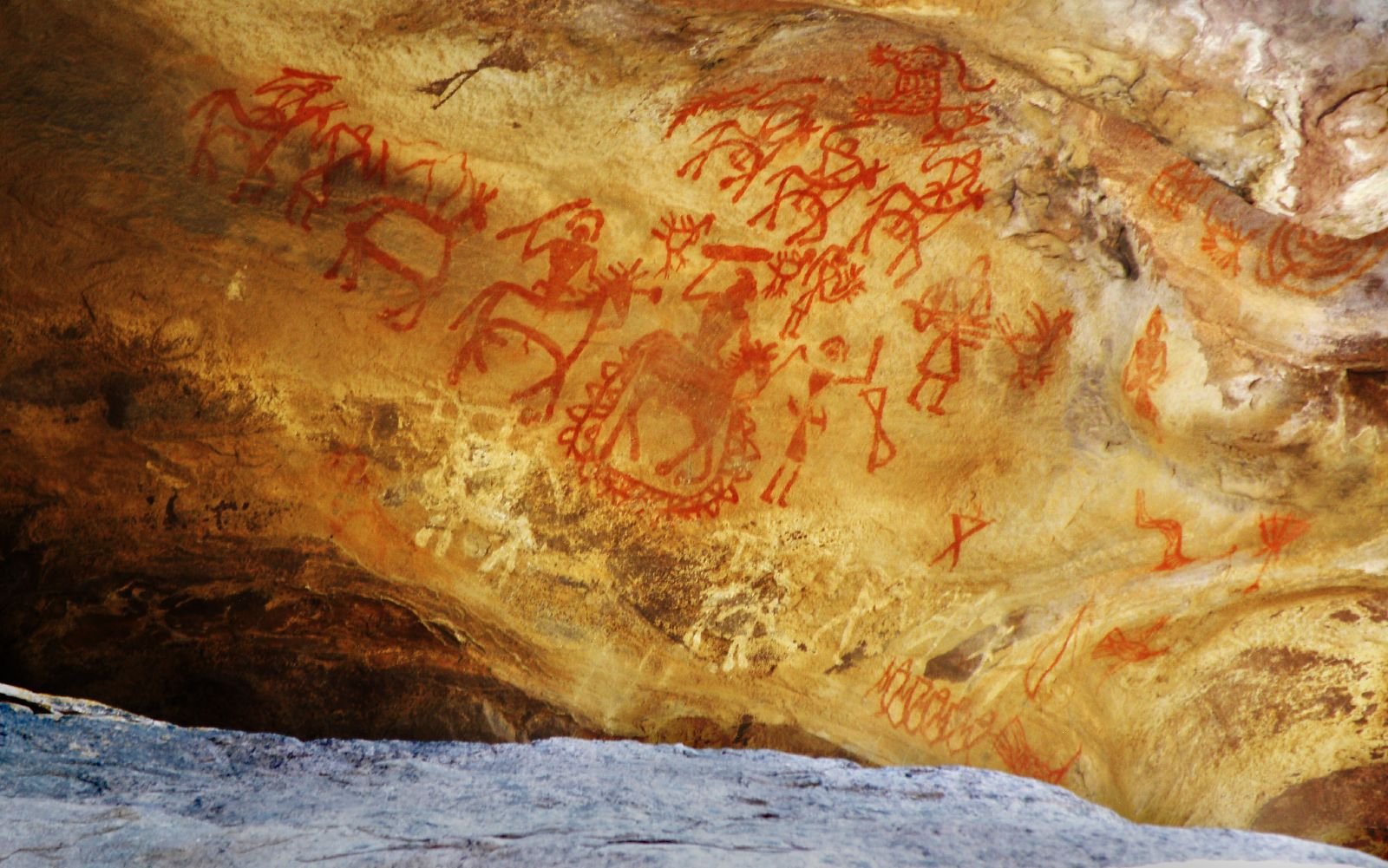
The art at Bhimbetka provides a fascinating insight into the social structures of prehistoric communities. Scenes depicting group activities, such as hunting and dancing, suggest a strong sense of community and cooperation. These communal activities likely played a vital role in the survival and cohesion of early human groups. The presence of diverse age groups in the paintings indicates a society that valued all its members, from the young to the elderly. This social complexity is a testament to the cognitive and cultural sophistication of the inhabitants of Bhimbetka.
Technological Advancements Reflected in Art
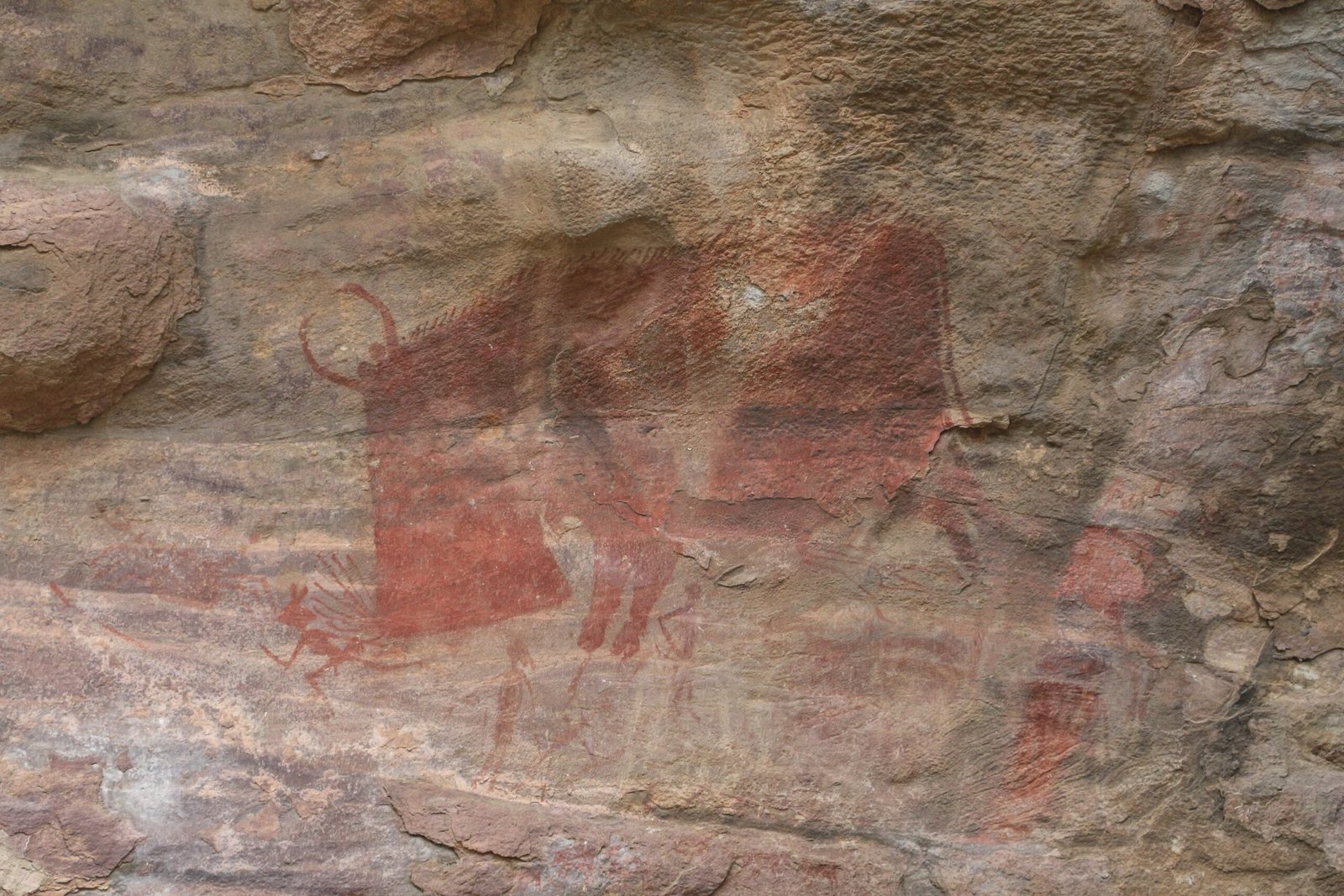
Beyond their artistic merit, the Bhimbetka paintings also reflect the technological advancements of early humans. The use of natural pigments and the development of various painting techniques demonstrate an understanding of material properties and artistic methods. This knowledge likely extended to other aspects of daily life, such as tool-making and construction. The evolution of artistic techniques over time mirrors the broader technological progress of human societies, highlighting the interconnectedness of art and innovation in human evolution.
The Influence on Modern Art and Culture
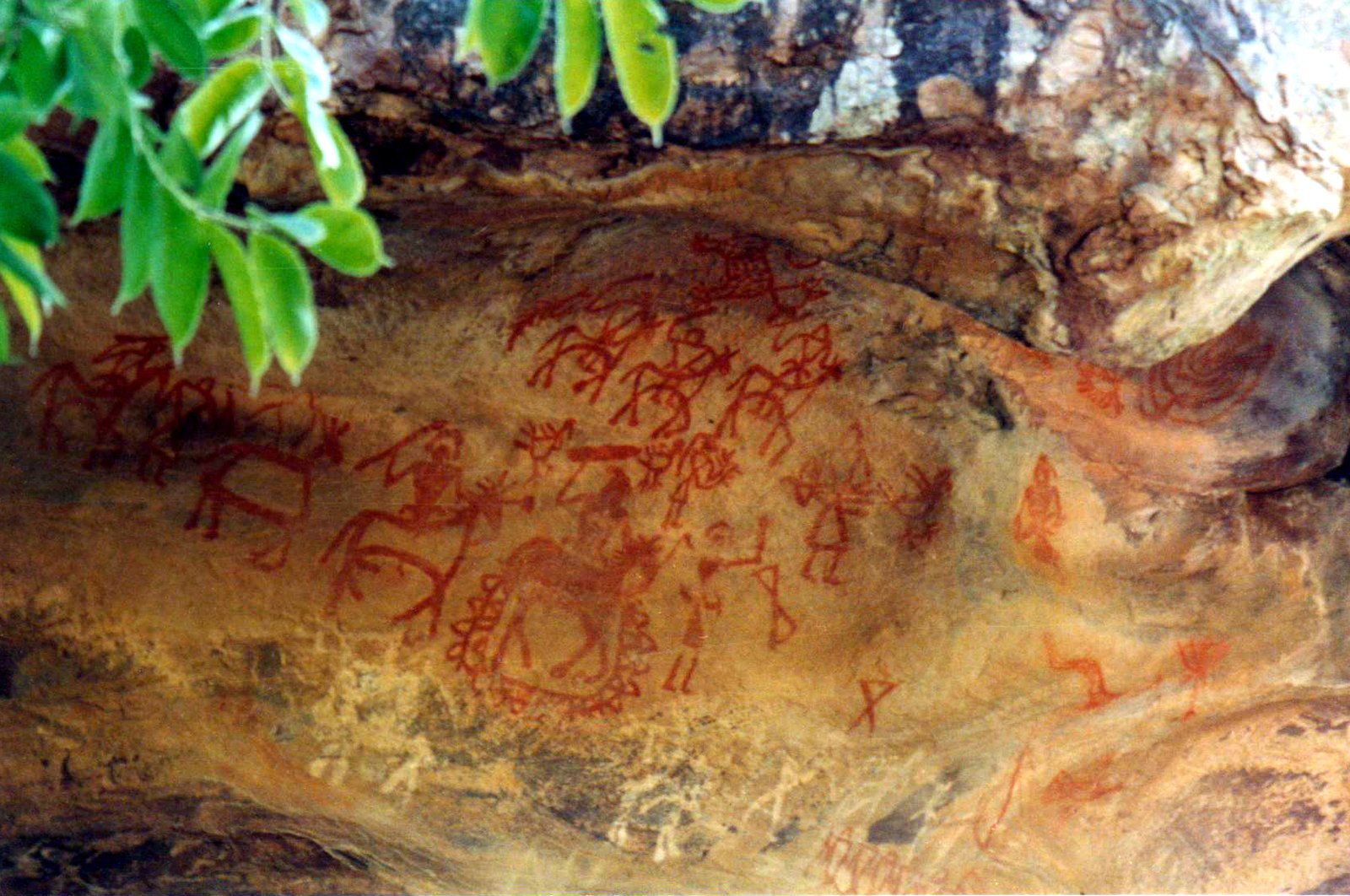
The legacy of Bhimbetka extends beyond its historical significance; it continues to influence modern art and culture. Contemporary artists often draw inspiration from the simplicity and raw emotion of these ancient artworks. The themes of nature, community, and spirituality resonate with modern audiences, bridging the gap between past and present. Moreover, the preservation and study of Bhimbetka’s art have sparked a renewed interest in ancient Indian heritage, fostering a deeper appreciation for the country’s rich cultural history.
Conservation Efforts and Challenges
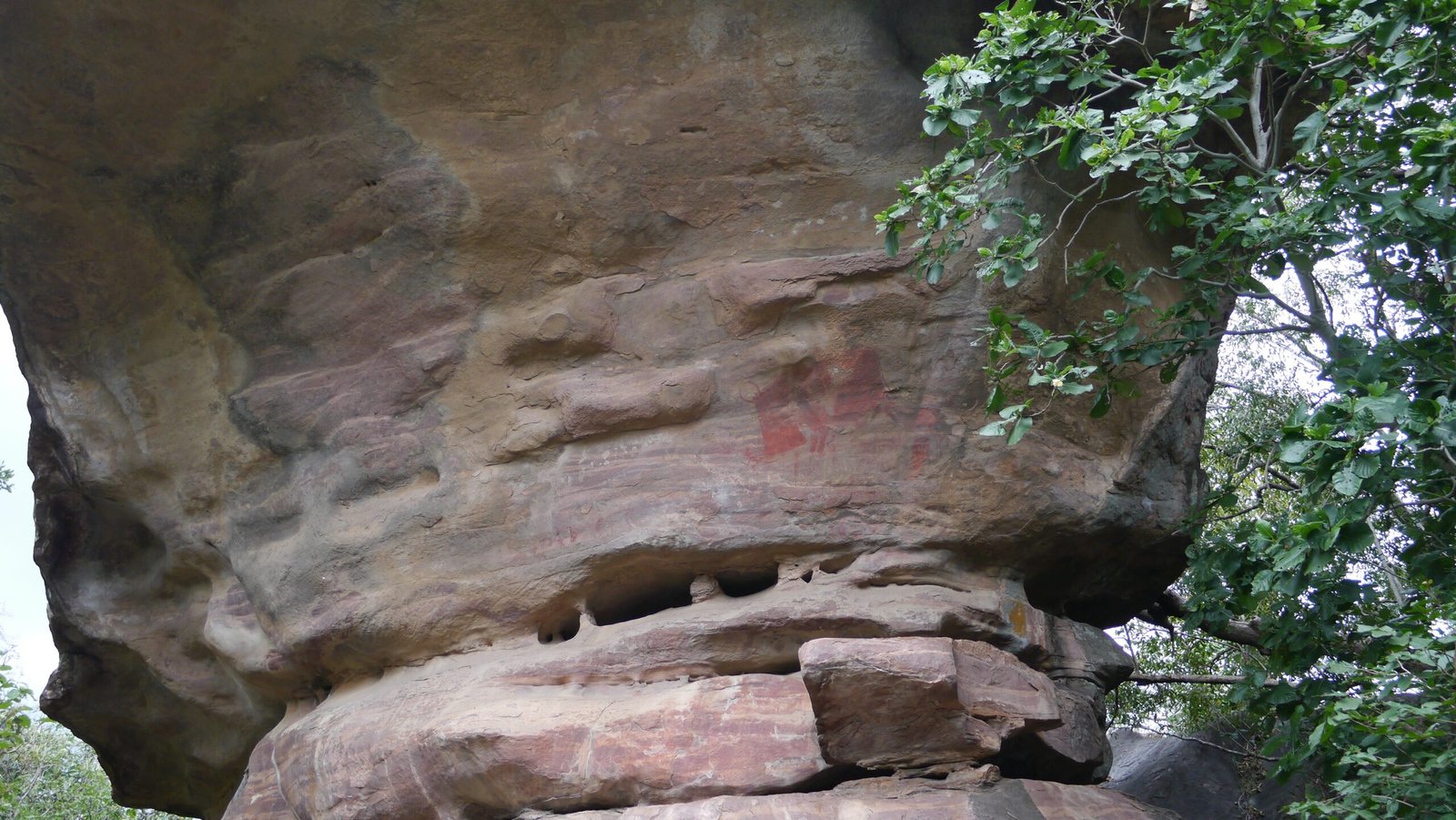
Preserving the Bhimbetka rock shelters poses significant challenges. Natural weathering, human interference, and environmental changes threaten the integrity of these ancient artworks. Conservationists face the daunting task of protecting the paintings while ensuring they remain accessible to the public. Efforts have been made to safeguard these treasures through measures such as controlled access, regular monitoring, and educational programs. However, the delicate balance between preservation and accessibility continues to be a pressing concern for archaeologists and conservationists alike.
Bhimbetka in the Global Context
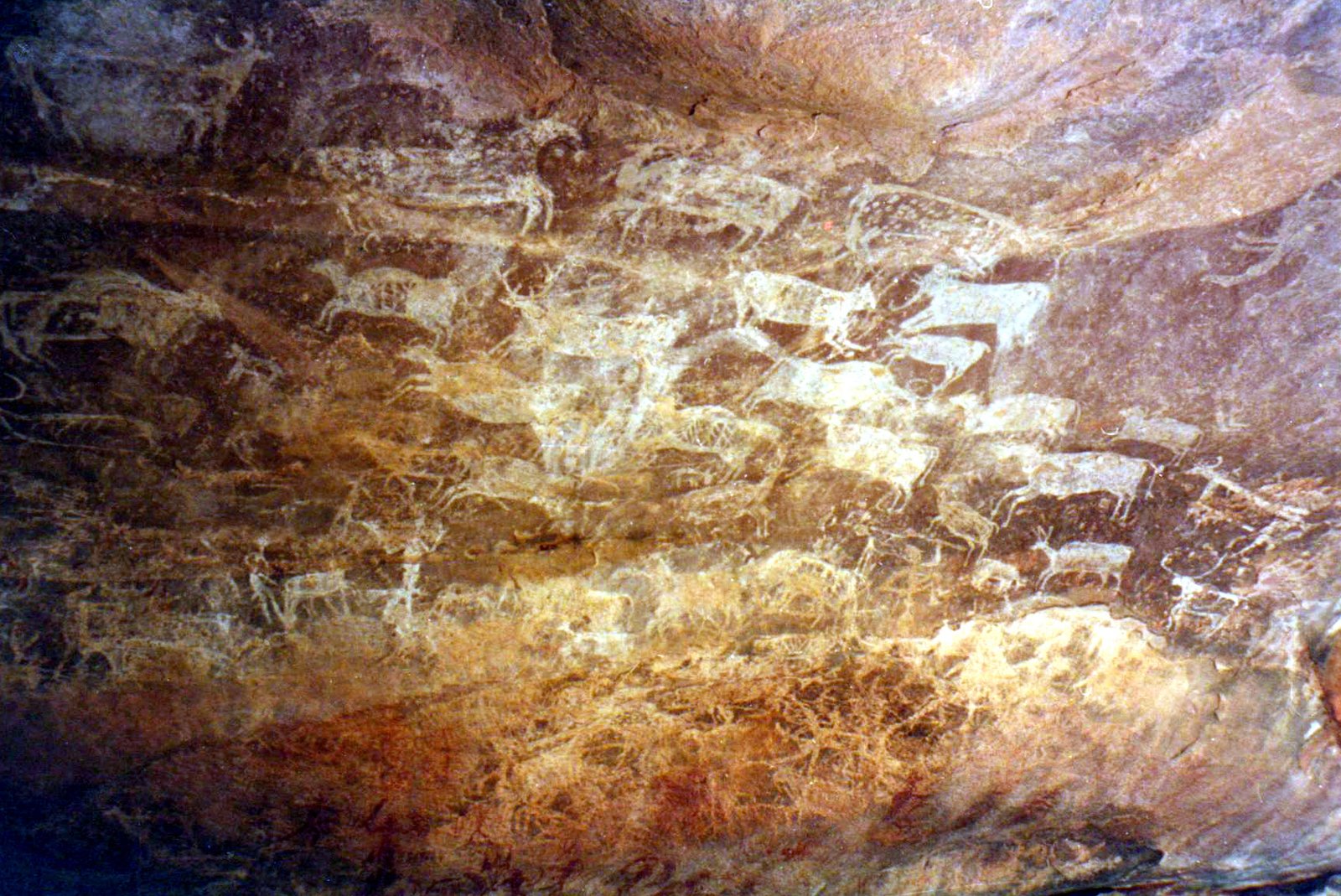
While Bhimbetka is a cornerstone of India’s prehistoric heritage, its significance extends globally. The art and archaeological findings here contribute to a broader understanding of human evolution and migration. Comparisons with other prehistoric sites around the world reveal commonalities and differences in early human societies. Bhimbetka’s art provides a unique perspective on the cultural and cognitive development of humans, enriching the global narrative of our shared ancestry and evolution.
The Legacy of Bhimbetka
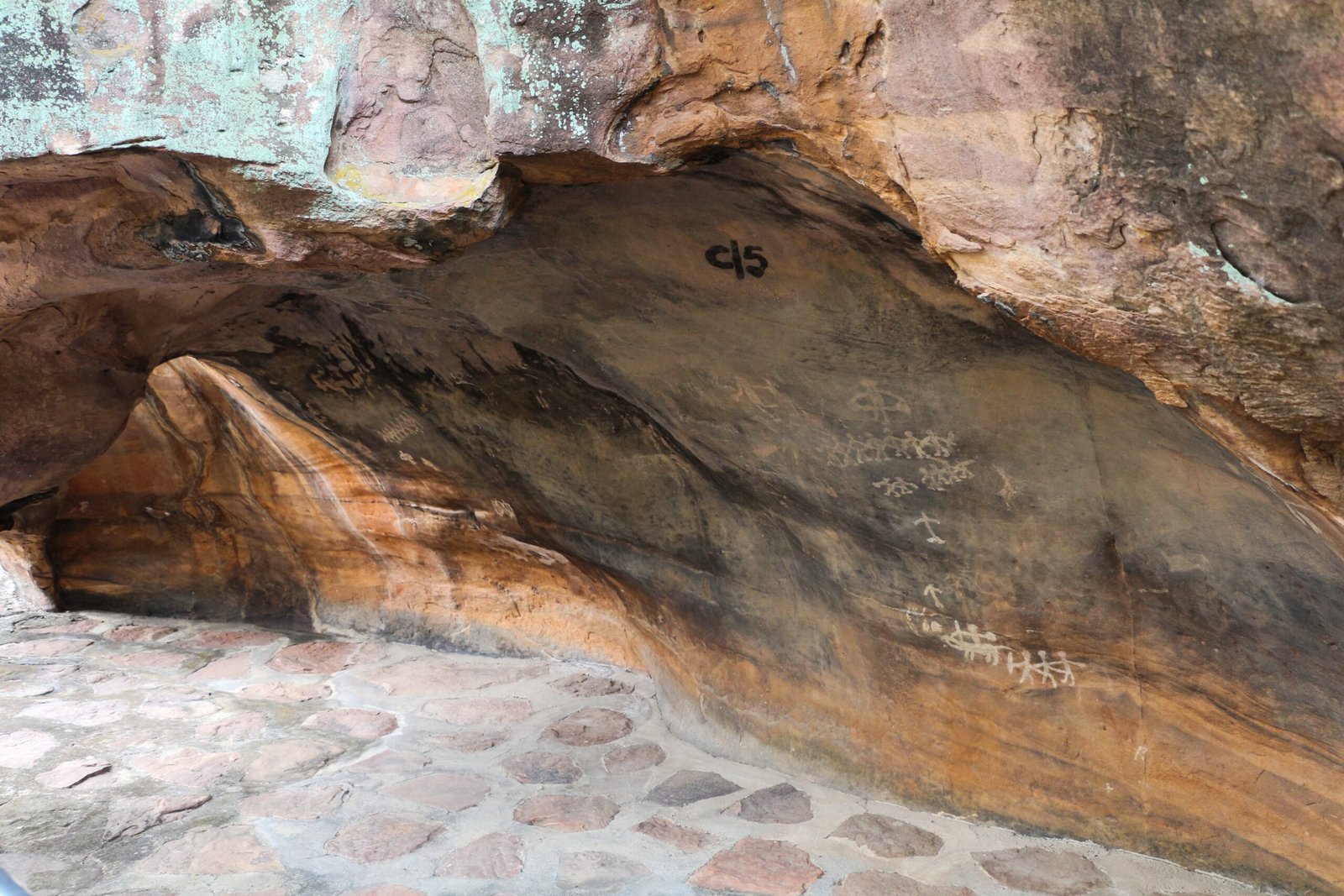
The ancient cave paintings of Bhimbetka are more than just remnants of the past; they are a testament to the enduring spirit of human creativity and resilience. These artworks connect us to our ancestors, reminding us of the shared journey of human evolution. As we continue to study and preserve Bhimbetka, we honor the legacy of those who came before us and gain a deeper understanding of our place in the tapestry of life. The story of Bhimbetka is a story of art, culture, and evolution—a story that continues to inspire and captivate us today.