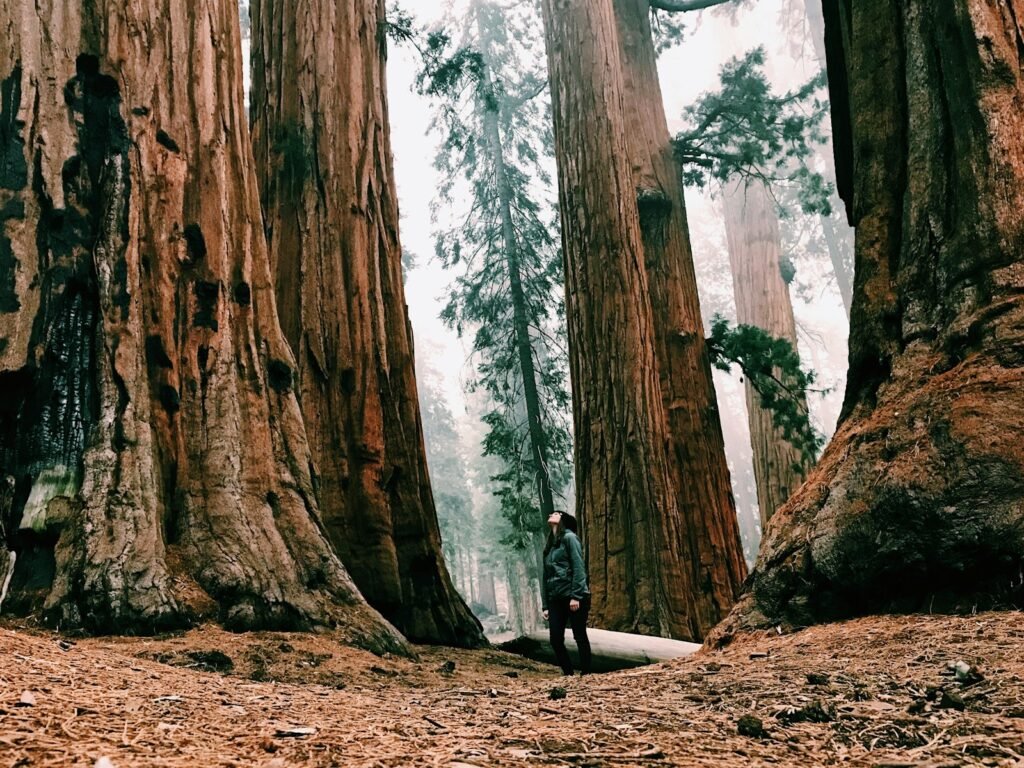
In the heart of lush forests, where sunlight dances through a canopy of green, lies a mysterious and intricate network often referred to as the “Wood Wide Web.” This natural marvel suggests that trees, indeed, have a way of communicating with one another, a concept that stirs the imagination and captivates the curious mind. While it may sound like a tale from a fantastical story, scientists are uncovering evidence that trees might share more than just roots, but also a hidden language that connects them in a web of life and survival.
The Underground Network: Mycorrhizal Fungi

Beneath the forest floor exists an extensive network of fungal threads known as mycorrhizal fungi. These tiny threads form a symbiotic relationship with tree roots, acting as conduits for communication and nutrient exchange. Imagine these fungi as the internet cables of the natural world, linking trees together in a vast underground web. Through this network, trees can send distress signals, share resources, and even warn each other of impending danger. The mycorrhizal network is a testament to the interconnectedness of life, where cooperation and collaboration reign supreme.
Resource Sharing: A Community Affair

Trees are not solitary creatures; they thrive in communities where mutual support is key. The Wood Wide Web facilitates the sharing of essential nutrients like carbon, nitrogen, and water among trees. For instance, a mother tree, which is often the largest and oldest in the area, can send nutrients to younger saplings, ensuring their growth and survival. This nurturing process is reminiscent of a parent providing for their children, reinforcing the idea that trees are deeply interwoven in a collective existence. The sharing of resources highlights the altruistic nature of trees, fostering a sense of community within the forest.
Communication through Chemical Signals

Trees have developed a sophisticated method of communication using chemical signals. When a tree is attacked by pests or experiences an environmental threat, it can release specific chemicals into the air or soil. These chemical signals act as warning beacons, alerting neighboring trees to mount their defenses. It’s akin to a neighborhood watch system, where trees look out for one another, ensuring the survival of the entire community. This form of communication is a testament to the intelligence and adaptability embedded within the natural world.
The Role of Mother Trees
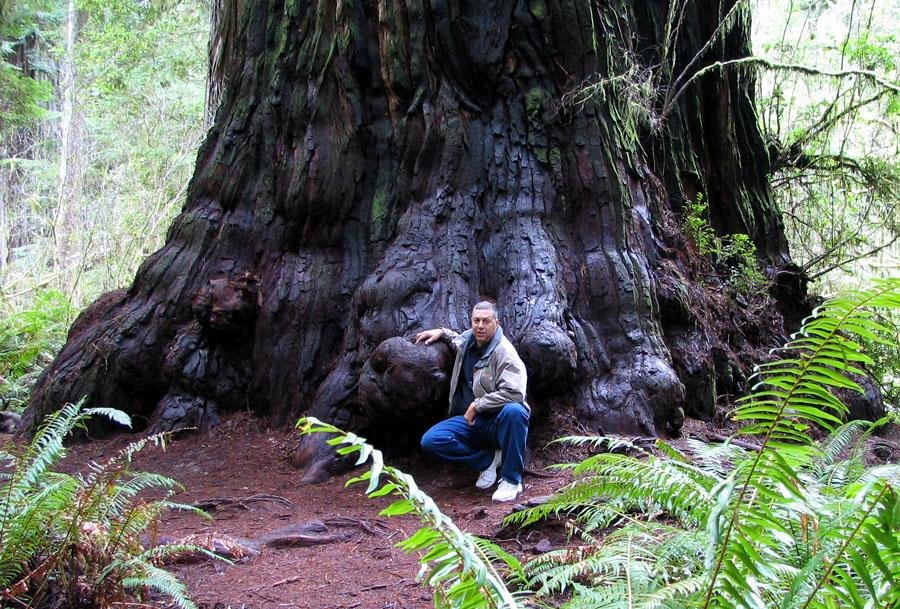
Mother trees, the towering giants of the forest, play a crucial role in maintaining the health and balance of the ecosystem. These wise elders act as central hubs in the Wood Wide Web, connecting with multiple younger trees and dispersing nutrients and information. Just as a matriarch in a human family provides guidance and support, mother trees ensure the continuation of life in the forest. They are essential for the regeneration of forests, passing down knowledge and resources to future generations, fostering resilience and diversity.
Defense Mechanisms: Trees on Guard
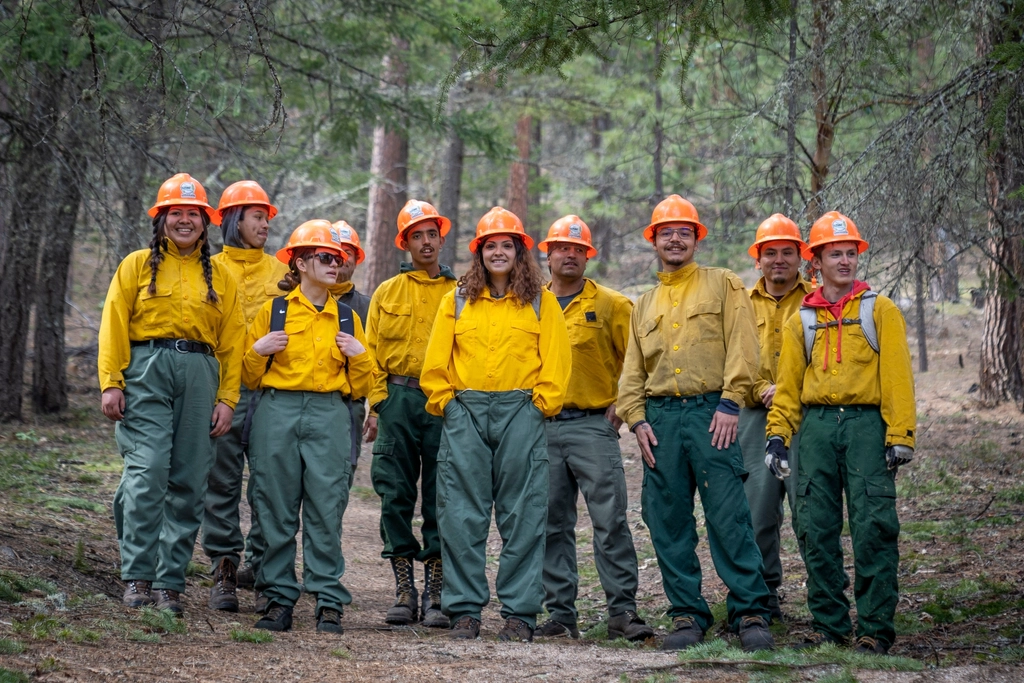
The Wood Wide Web enables trees to mount collective defenses against threats. When a tree is under attack by insects or diseases, it can signal others to produce defensive chemicals, bolstering their resistance. This cooperative defense mechanism is akin to an army preparing for battle, where every member plays a role in safeguarding the community. Trees demonstrate an incredible capacity for teamwork, showcasing the power of unity in the face of adversity.
Learning and Memory in Trees
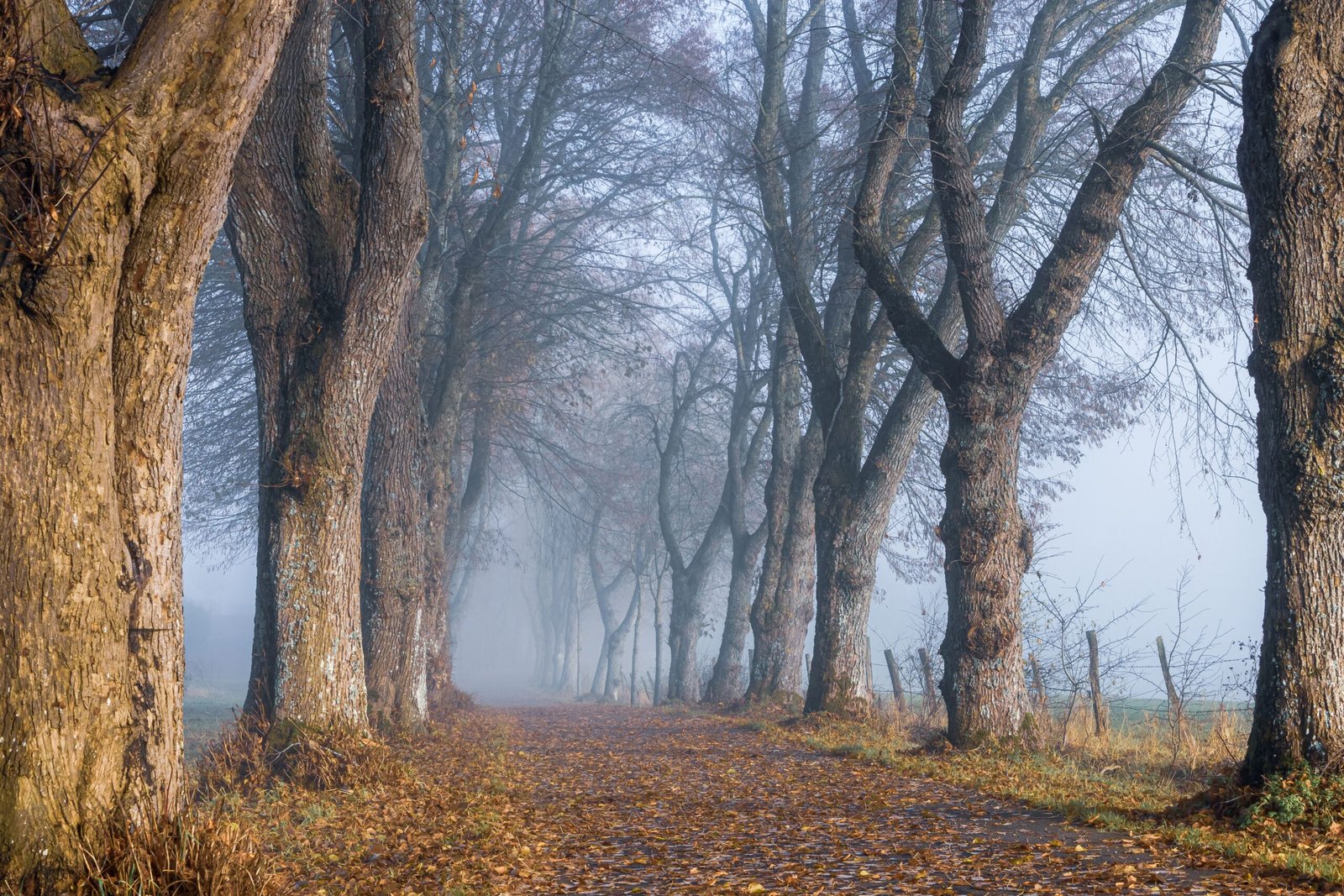
Recent studies suggest that trees may possess a form of learning and memory. Trees can remember past environmental conditions and adapt their growth patterns accordingly. This ability to learn from experience is a hallmark of intelligence and adaptability. While it may not be the same as human memory, it challenges our understanding of consciousness in the natural world. Trees exhibit a remarkable capacity to adjust to changing circumstances, ensuring their survival in a dynamic environment.
Impact on Biodiversity
The Wood Wide Web is a critical component in maintaining biodiversity within forests. By facilitating nutrient exchange and communication, it supports a diverse array of plant and animal life. Just as a healthy ecosystem depends on a variety of species, the interconnectedness of trees fosters a rich tapestry of life. This diversity is essential for the resilience of forests, allowing them to withstand environmental changes and disturbances. The Wood Wide Web is a testament to the intricate balance of nature, where every species plays a vital role in the ecosystem.
Human Implications: Lessons from the Forest
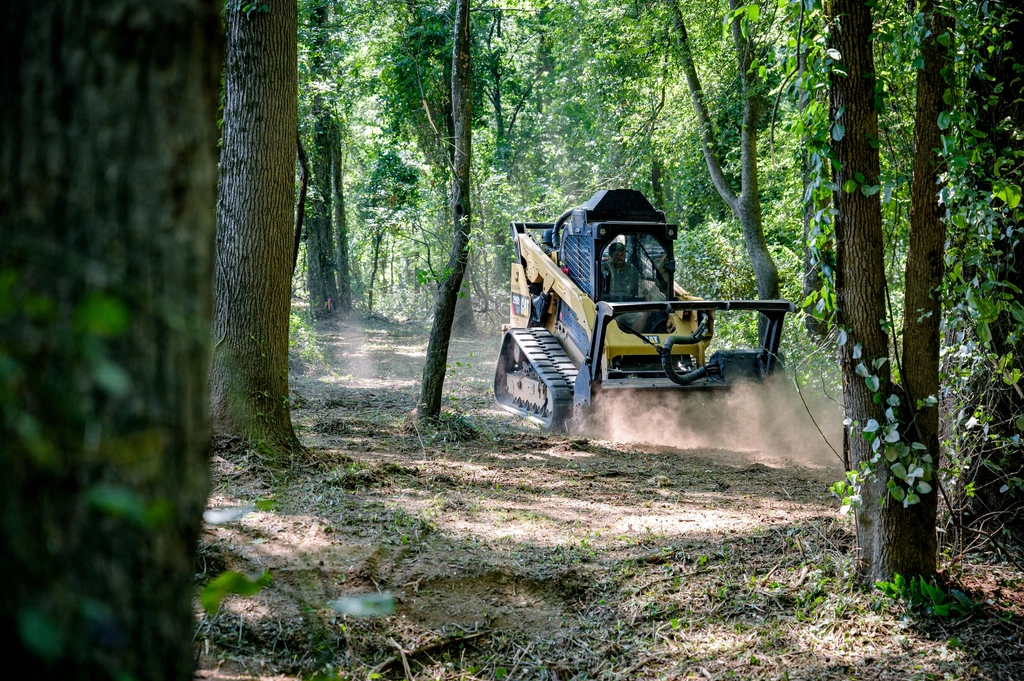
The hidden language of trees offers valuable lessons for humanity. The cooperative nature of the Wood Wide Web emphasizes the importance of collaboration and interdependence. Just as trees rely on one another for survival, humans too can benefit from embracing a sense of community and shared responsibility. The forest serves as a metaphor for our own societies, reminding us that we are all connected in a global web of life. The lessons from the forest can inspire us to work together towards a sustainable and harmonious future.
Challenges and Threats to the Wood Wide Web

Despite its resilience, the Wood Wide Web faces numerous challenges and threats. Deforestation, climate change, and habitat destruction disrupt the delicate balance of ecosystems, threatening the survival of trees and the network they rely on. These challenges highlight the urgent need for conservation efforts and sustainable practices to protect our forests. Just as trees watch over one another, we too must become stewards of the natural world, safeguarding the intricate web of life for future generations.
The Future of Forest Communication

As scientific understanding continues to evolve, the future of forest communication holds great promise. Researchers are uncovering new insights into the intricate relationships between trees, fungi, and other organisms. This growing body of knowledge has the potential to revolutionize our approach to conservation and ecosystem management. By embracing the wisdom of the Wood Wide Web, we can forge a deeper connection with nature, fostering a sense of wonder and responsibility for the world around us.
In conclusion, the Wood Wide Web reveals a hidden world of communication and cooperation among trees. This intricate network challenges our understanding of intelligence and interconnectedness in the natural world. As we delve deeper into the mysteries of the forest, we are reminded of the profound beauty and complexity of life on Earth.