Dinosaurs have long fascinated us with their majestic appearances and mysterious past. However, some dinosaur fossils stand out not just for their age, but for their sheer oddity and the secrets they reveal about prehistoric life. These bizarre discoveries shed light on the diverse adaptations and evolutionary paths these ancient creatures embarked upon. From astonishingly tiny specimens to peculiar anatomical features, the world of dinosaur fossils is filled with surprises that continue to intrigue scientists and enthusiasts alike. Let’s delve into some of the most peculiar finds that have puzzled and enlightened the scientific community.
The Tiny but Terrifying Microraptor
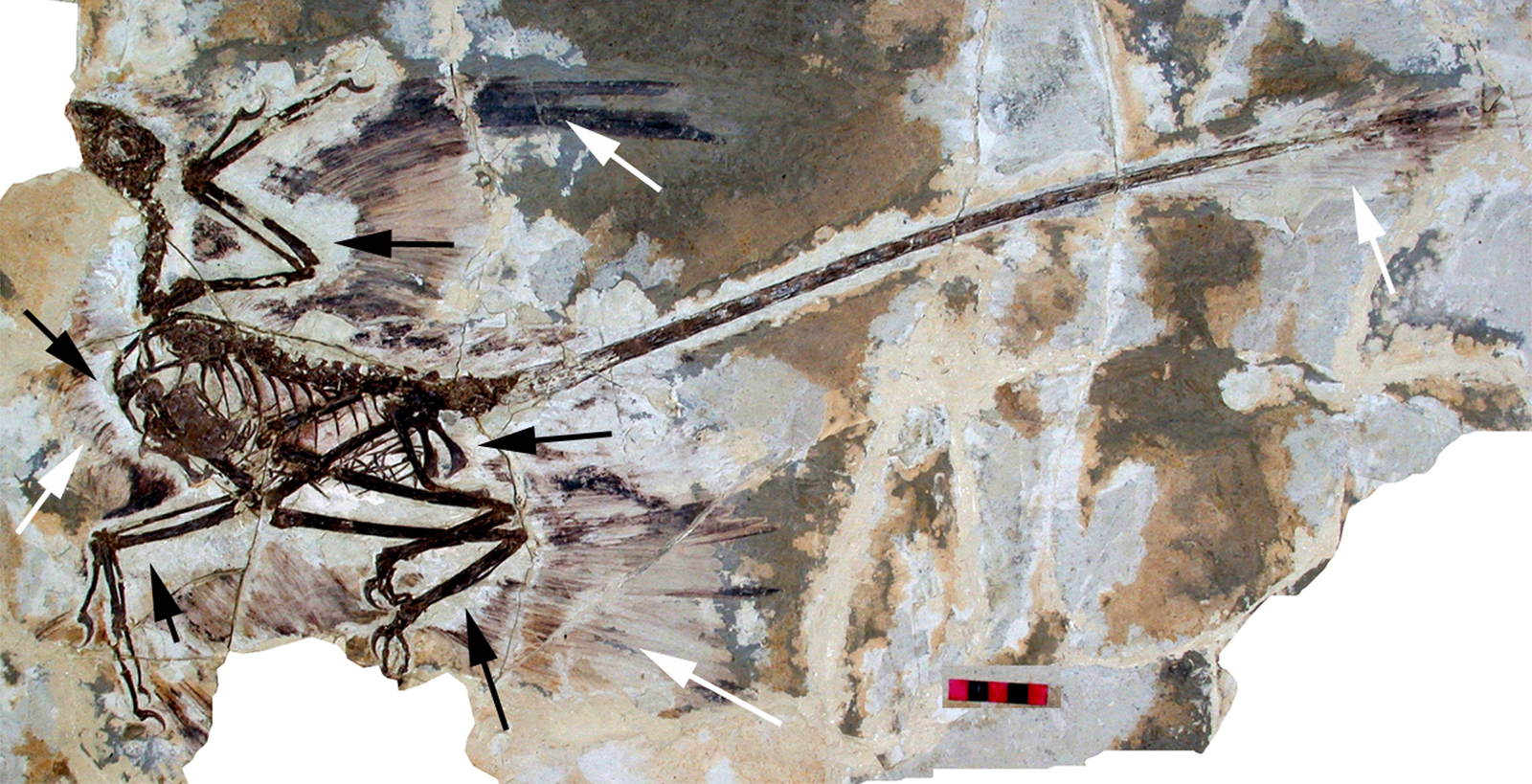
Imagine a creature small enough to fit in your backpack yet equipped with four wings like an aerial acrobat. The Microraptor, discovered in the Liaoning Province of China, is one such dinosaur. Roughly the size of a modern crow, it possessed long feathers on both its arms and legs, suggesting it might have glided rather than flown in the traditional sense. This peculiar feature has led scientists to hypothesize about the evolutionary transition from dinosaurs to birds. The Microraptor’s dual-wing design is a testament to nature’s experimentation during the age of dinosaurs, offering insights into the diverse flight strategies that may have existed.
The Long-Necked Enigma: Amargasaurus
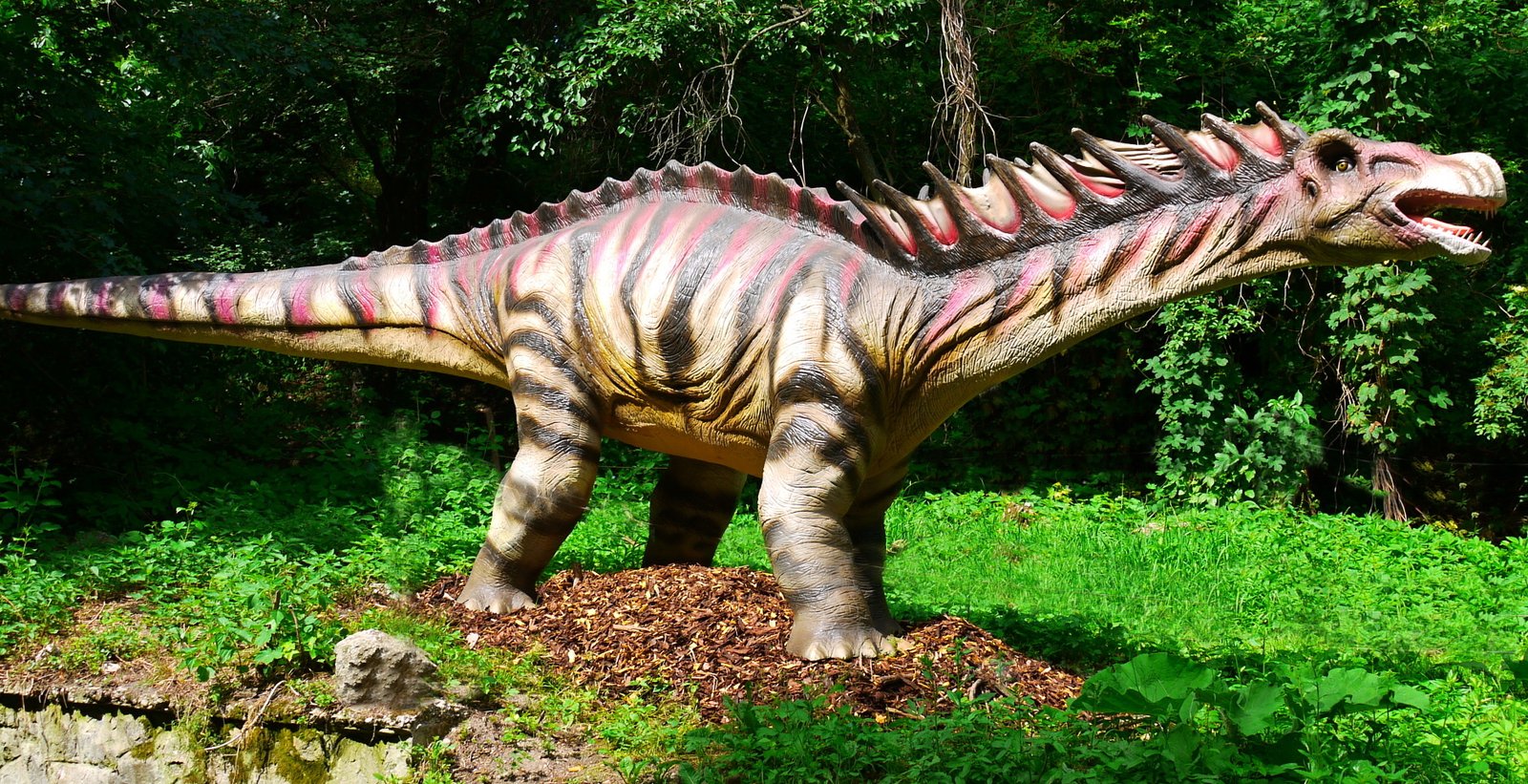
The Amargasaurus is a dinosaur that stands out due to the peculiar spines protruding from its neck. These long, bony structures might have supported a sail-like structure or served as a defense mechanism against predators. Found in Argentina, this dinosaur’s unusual anatomy has sparked debates among paleontologists regarding its purpose. Some theories suggest that the spines might have been used for display, perhaps to attract mates or intimidate rivals. This discovery not only highlights the diversity of dinosaur anatomy but also challenges our understanding of their behavior and ecology.
The Horned Mystery of Kosmoceratops
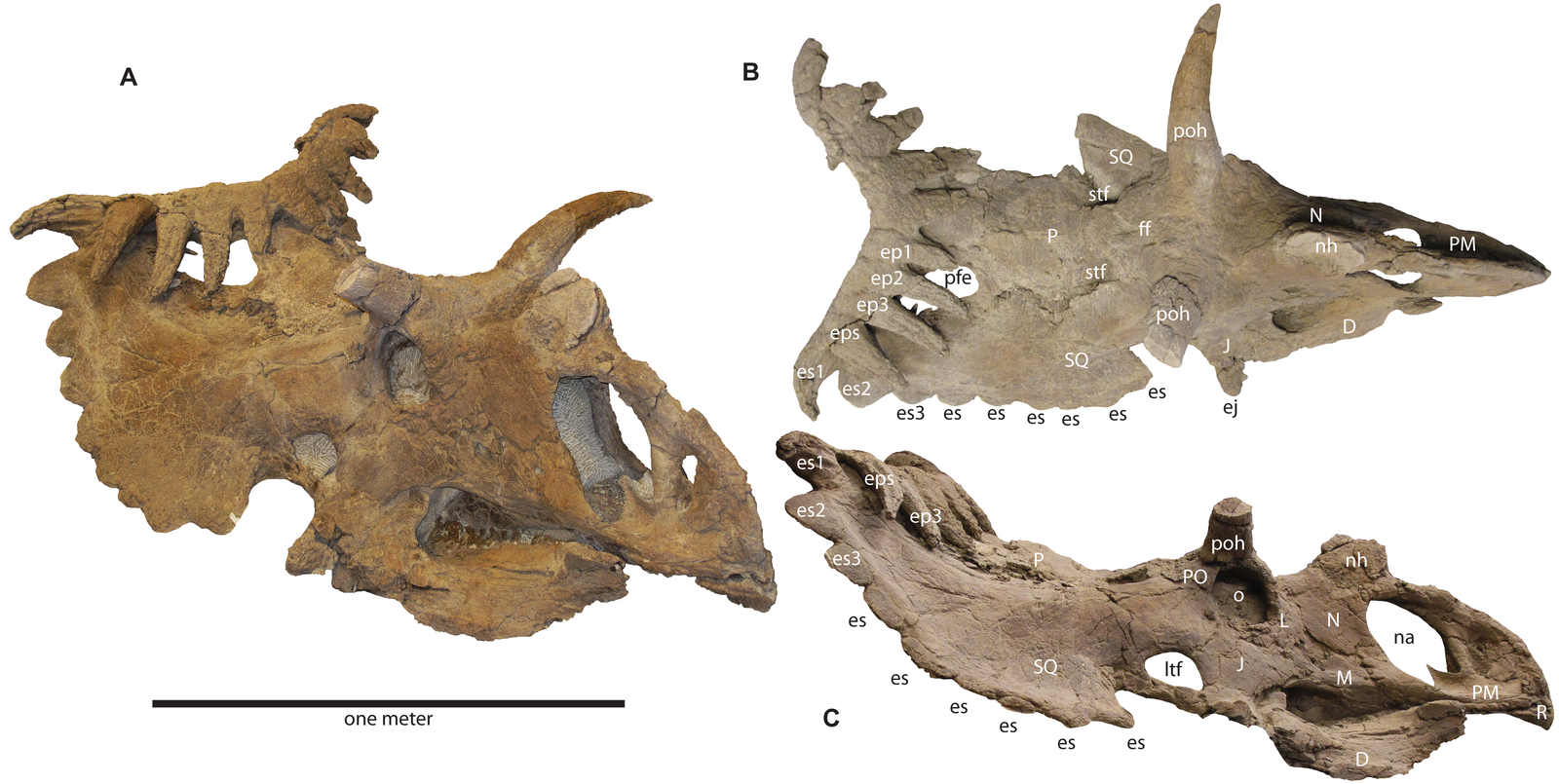
When it comes to horns, the Kosmoceratops takes the crown with its elaborate and ornate array. Discovered in Utah, this dinosaur boasts 15 distinct horns on its skull, making it one of the most decorated ceratopsians known to date. These horns, resembling a crown, have puzzled scientists who speculate about their function. Were they used for defense, courtship displays, or simply a result of evolutionary experimentation? The Kosmoceratops exemplifies nature’s flair for the dramatic, showcasing how evolutionary pressures can lead to extraordinary adaptations.
The Double-Clawed Therizinosaurus
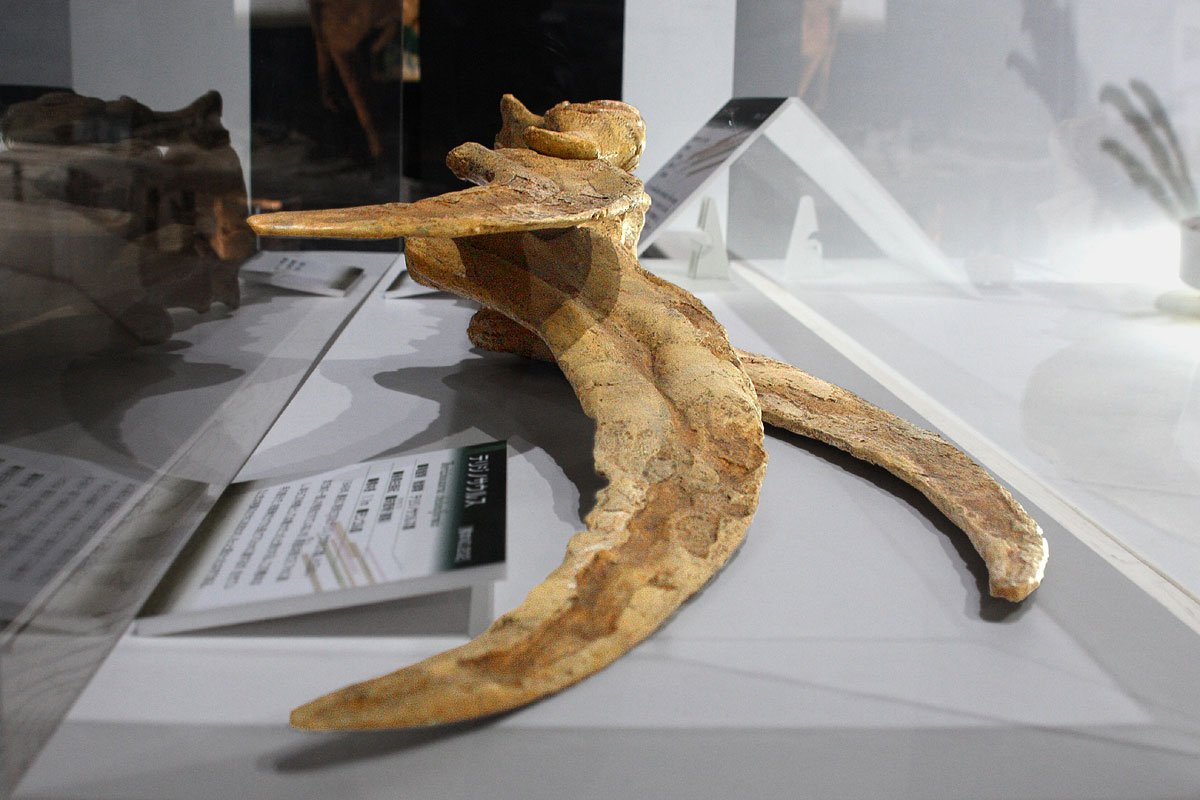
Therizinosaurus is a dinosaur that defies expectations with its massive claws—each measuring over three feet long. Initially mistaken for a giant turtle, this dinosaur’s discovery in Mongolia has since revealed its true nature. Unlike other predatory dinosaurs, Therizinosaurus was likely a herbivore, using its claws to strip leaves from trees or dig for roots. This unexpected twist in its dietary habits underscores the complexity of dinosaur ecosystems and the myriad ways these creatures adapted to their environments. The Therizinosaurus challenges our preconceived notions of what dinosaurs could be, reminding us of nature’s unpredictability.
The Tiny Titan: Compsognathus
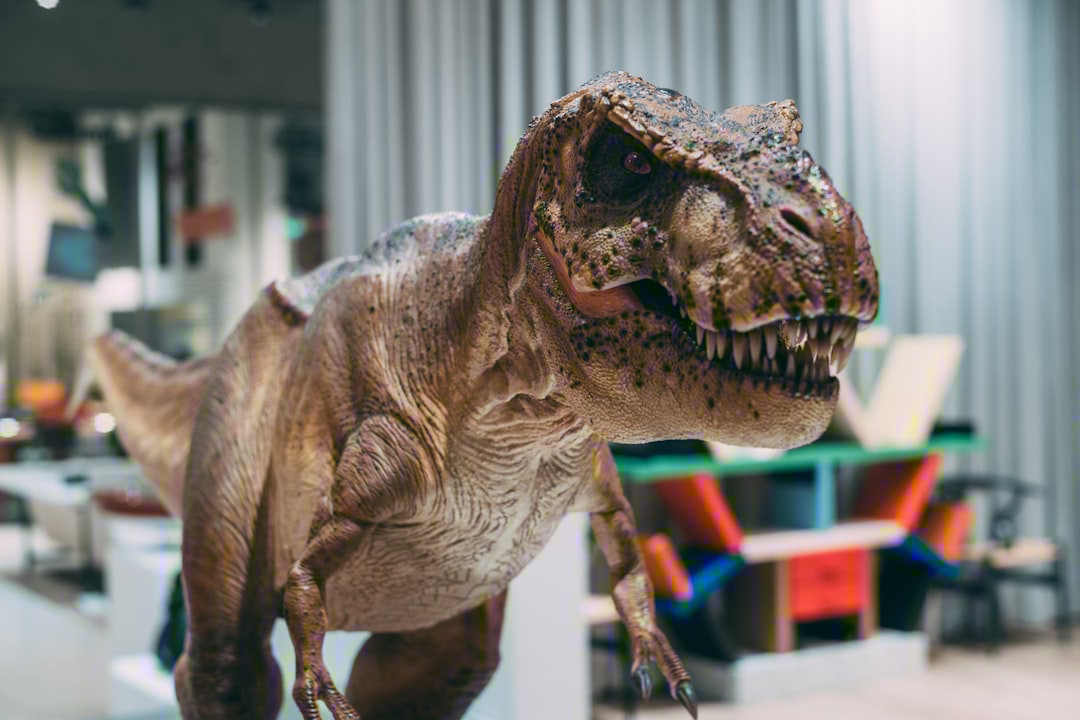
Compsognathus might not be the largest dinosaur, but its discovery was monumental in understanding the diversity of dinosaur sizes. Measuring just about the size of a chicken, this dinosaur was found in Germany and France. Its small size and agile build suggest it was a swift predator, likely preying on insects and small vertebrates. The Compsognathus highlights the range of ecological niches dinosaurs occupied, demonstrating that not all dinosaurs were giants. This discovery emphasizes the adaptability of dinosaurs, revealing that they came in a variety of shapes and sizes to suit their environments.
The Armored Oddity: Ankylosaurus
Ankylosaurus is often compared to a living tank due to its heavy armor and clubbed tail. Discovered in the western United States and Canada, this dinosaur’s body was covered in thick bony plates, providing protection against predators. Its tail, resembling a medieval mace, could deliver powerful blows, deterring even the fiercest of attackers. This unique defense system showcases the evolutionary arms race between predators and prey during the dinosaur era. The Ankylosaurus stands as a testament to the lengths nature goes to ensure survival, illustrating the dynamic interplay between form and function.
The Sail-Backed Spinosaurus
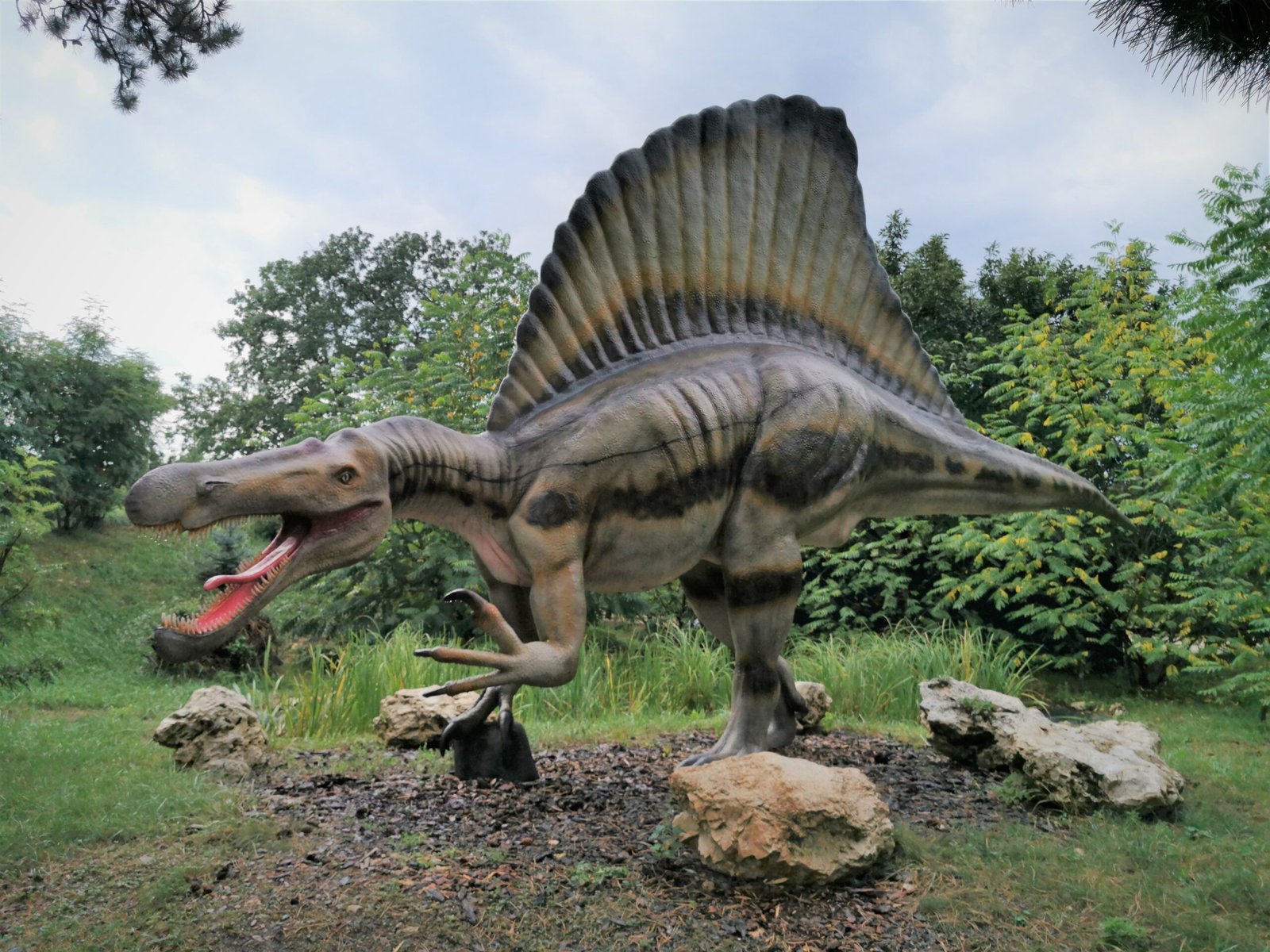
Perhaps one of the most visually striking dinosaurs, Spinosaurus is known for the sail-like structure on its back. Found in North Africa, this massive predator might have used its sail for thermoregulation, display, or even aiding in swimming. Recent studies suggest that Spinosaurus was semi-aquatic, hunting for fish in rivers and lakes. This revelation has reshaped our understanding of dinosaur habitats, indicating that some species were adapted to life both on land and in water. The Spinosaurus serves as a reminder of the diverse lifestyles dinosaurs led, adapting to various ecological niches.
The Parrot-Beaked Psittacosaurus
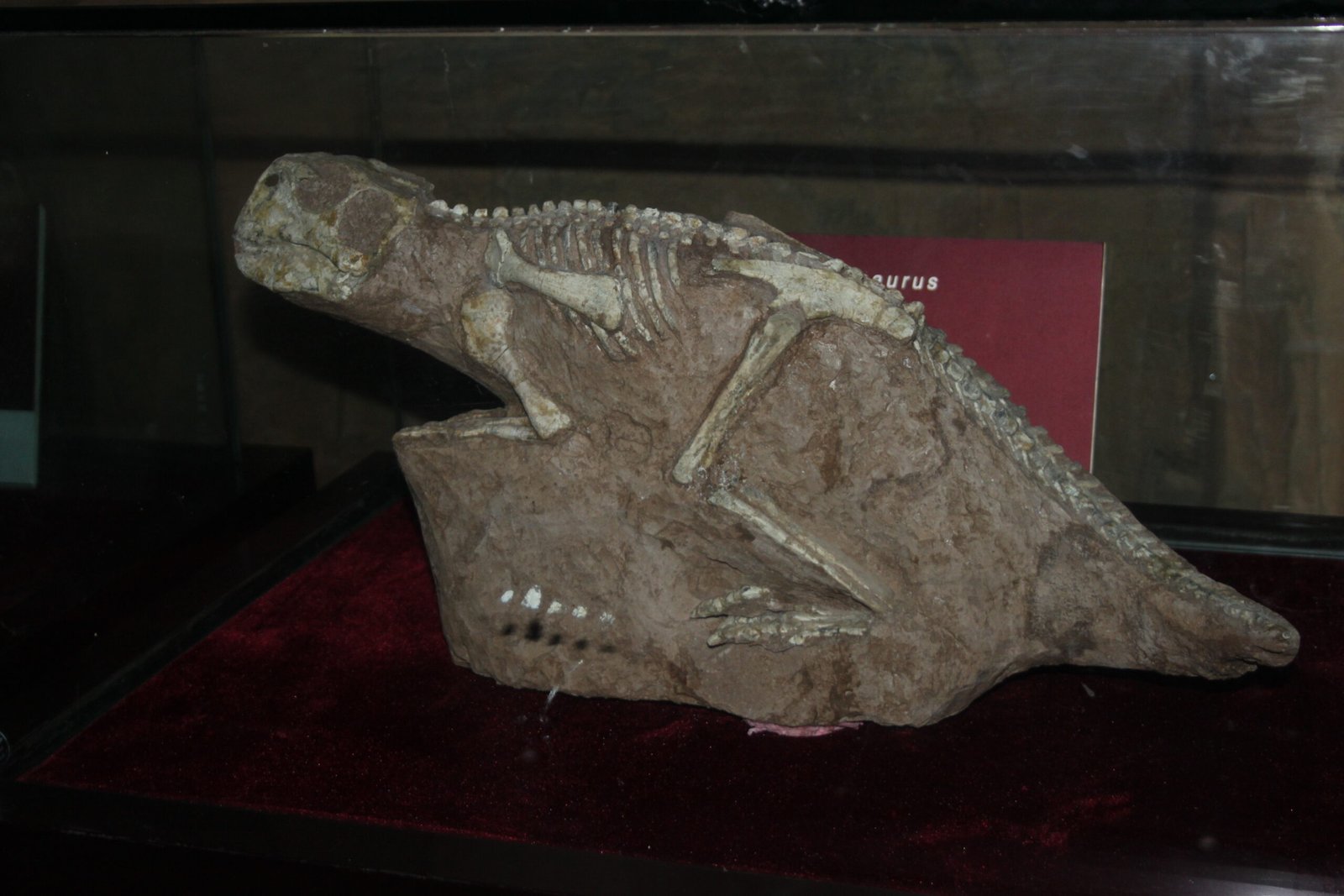
Psittacosaurus, with its beak resembling that of a parrot, offers a glimpse into the dietary habits of herbivorous dinosaurs. Discovered in Asia, this dinosaur likely used its beak to shear through vegetation, much like modern birds. Its unique dental arrangement suggests a specialized diet, showcasing the diversity of feeding strategies among herbivorous dinosaurs. The Psittacosaurus highlights the evolutionary innovations that enabled dinosaurs to exploit a wide range of food sources, ensuring their survival in diverse environments. This discovery underscores the importance of adaptation in the evolutionary success of dinosaurs.
The Horned Giant: Triceratops

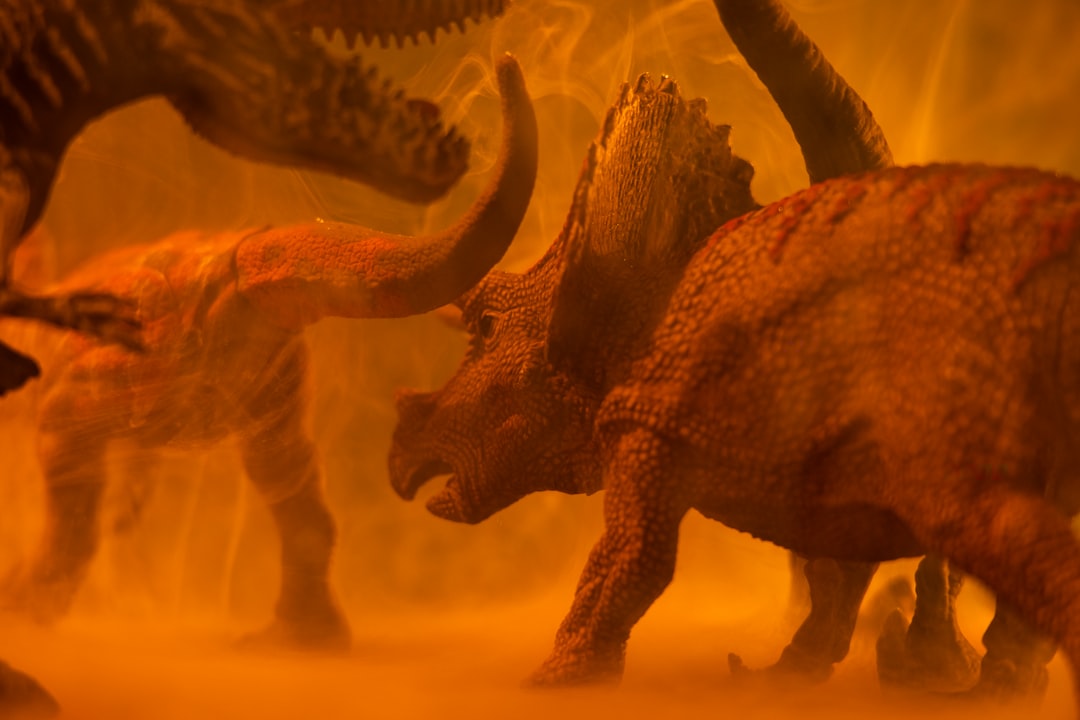
Triceratops is perhaps one of the most iconic dinosaurs, known for its three horns and large frill. Found in North America, this dinosaur’s horns and frill have sparked debates about their function. Were they used in combat, courtship displays, or as a defense mechanism? Recent studies suggest that the frill might have played a role in thermoregulation, helping the dinosaur maintain its body temperature. The Triceratops exemplifies the complexity of dinosaur anatomy, revealing the multifaceted roles that physical features can play in survival and adaptation.
The Feathered Tyrant: Yutyrannus
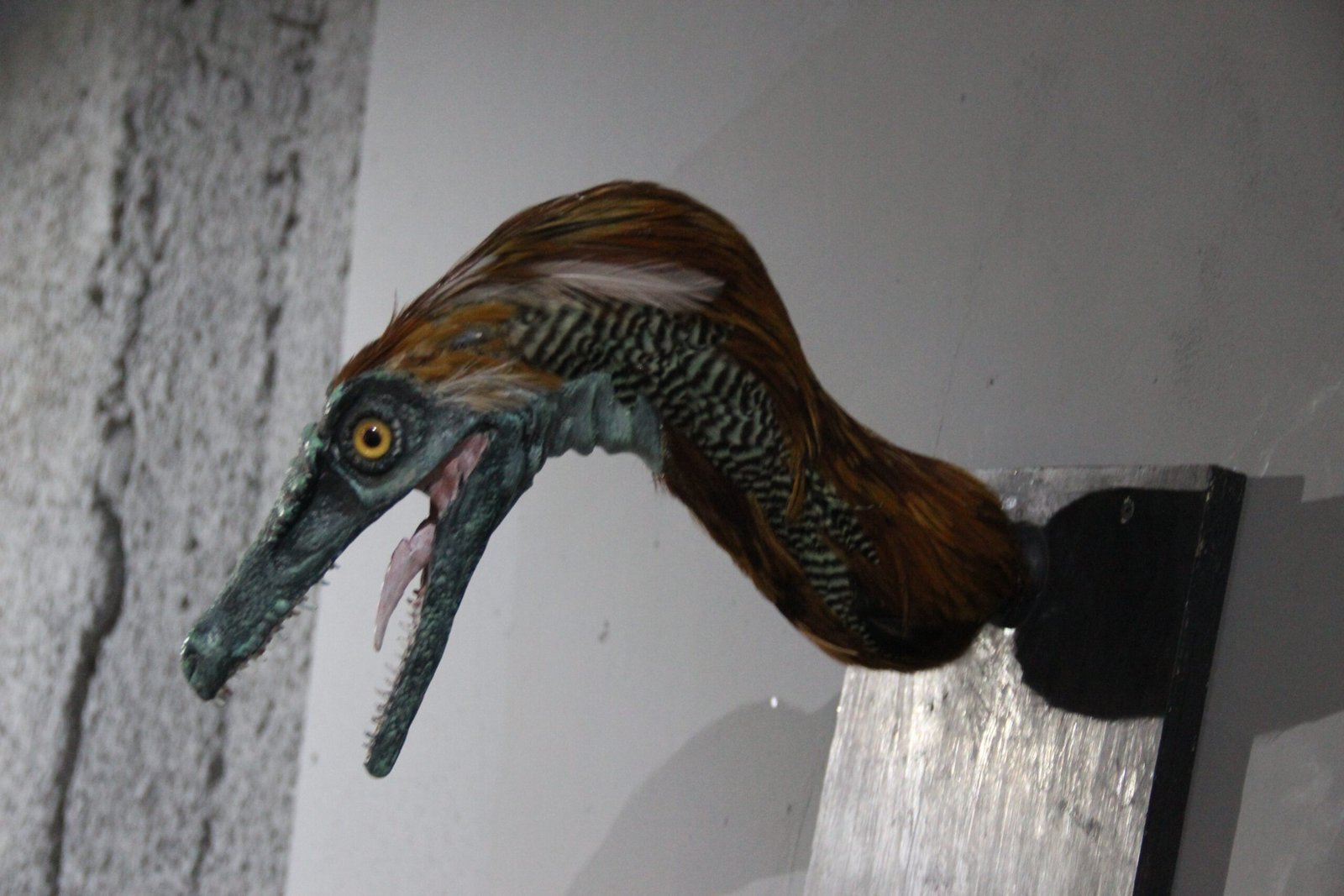
Yutyrannus, a relative of the infamous Tyrannosaurus rex, is notable for its covering of feathers. Discovered in China, this dinosaur challenges the traditional image of scaly, reptilian dinosaurs. The presence of feathers suggests that Yutyrannus might have used them for insulation, display, or even aiding in stealth while hunting. This discovery has significant implications for our understanding of dinosaur evolution, indicating that feathers might have been more widespread among theropods than previously thought. The Yutyrannus serves as a bridge between dinosaurs and modern birds, highlighting the evolutionary connections that link these ancient creatures to the avian species we see today.