Crows are more than just the black-feathered inhabitants of our neighborhoods. These birds, often seen as mere scavengers, possess a level of intelligence that rivals some of the smartest animals on the planet. From using tools to recognizing human faces, crows have fascinated scientists and bird enthusiasts alike. Let’s delve into the intriguing world of these avian geniuses and uncover the secrets of their cognitive prowess.
The Astonishing Cognitive Abilities of Crows
Crows belong to the corvid family, which is renowned for its members’ impressive cognitive abilities. These birds have demonstrated behaviors that require significant brainpower, such as problem-solving and planning for the future. Their intelligence is comparable to that of a seven-year-old human child, a fact that continues to astound researchers. The crow’s brain-to-body ratio is on par with that of great apes, suggesting a high level of neural processing capability.
Tool Use: A Skill Beyond the Ordinary
One of the most fascinating aspects of crow intelligence is their ability to use tools. Unlike most birds, crows can manipulate objects to obtain food. In the wild, they have been observed bending twigs into hooks to extract insects from tree bark. This behavior is not just instinctual; it’s a learned skill that showcases their problem-solving abilities. Crows can even modify tools to make them more effective, a trait that is quite rare in the animal kingdom.
Facial Recognition: The Memory of a Crow
Crows possess an extraordinary ability to recognize human faces. This skill is not only a testament to their intelligence but also a crucial survival mechanism. Studies have shown that crows can remember the faces of individuals who have threatened them, and they can hold a grudge for years. This capability is akin to a built-in security system, allowing them to avoid potential dangers. Their ability to differentiate between friend and foe highlights their sophisticated memory and social awareness.
Social Dynamics and Communication
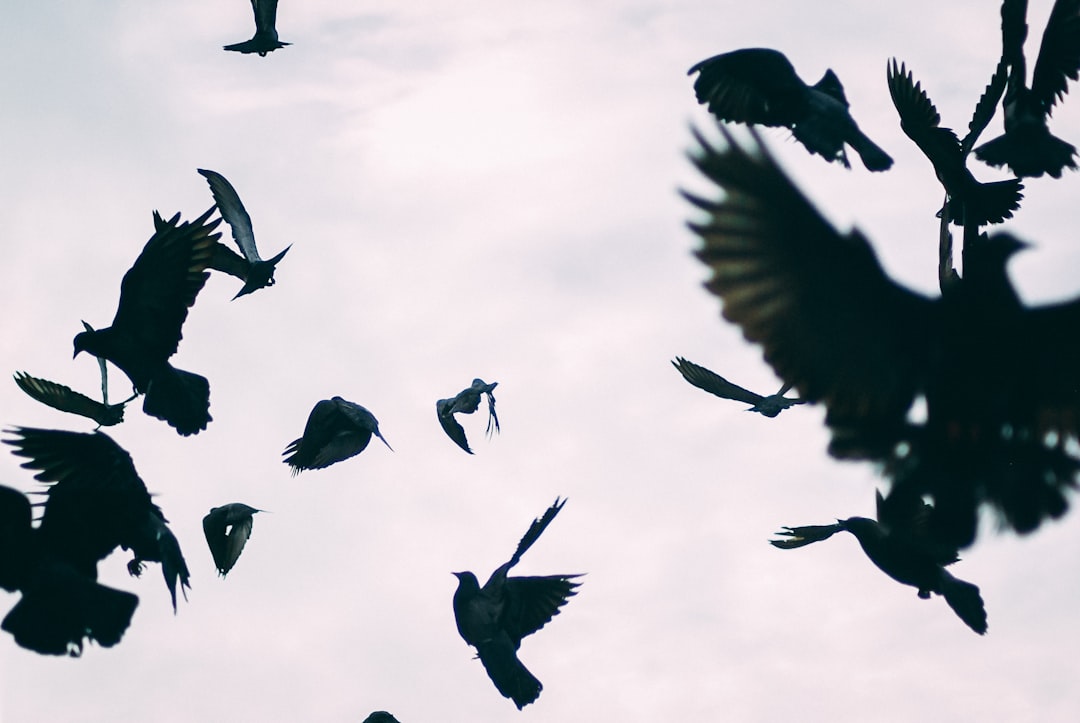
Crows are highly social creatures and communicate with each other using a complex system of vocalizations. They have distinct calls for different situations, such as alerting others to danger or calling members of their group to a food source. This communication is not limited to vocal sounds; crows also use body language to convey messages. Their social structure is intricate, with established hierarchies and family units that work together to ensure survival.
Problem-Solving Skills: The Puzzle Masters

The problem-solving skills of crows are nothing short of remarkable. In controlled experiments, crows have been able to solve multi-step puzzles to access food rewards. These puzzles often involve a series of tasks that require understanding cause-and-effect relationships, showcasing their ability to think ahead and strategize. This level of problem-solving is rare in the animal world and highlights the crow’s capability to adapt and thrive in various environments.
Memory and Learning: Beyond Instinct
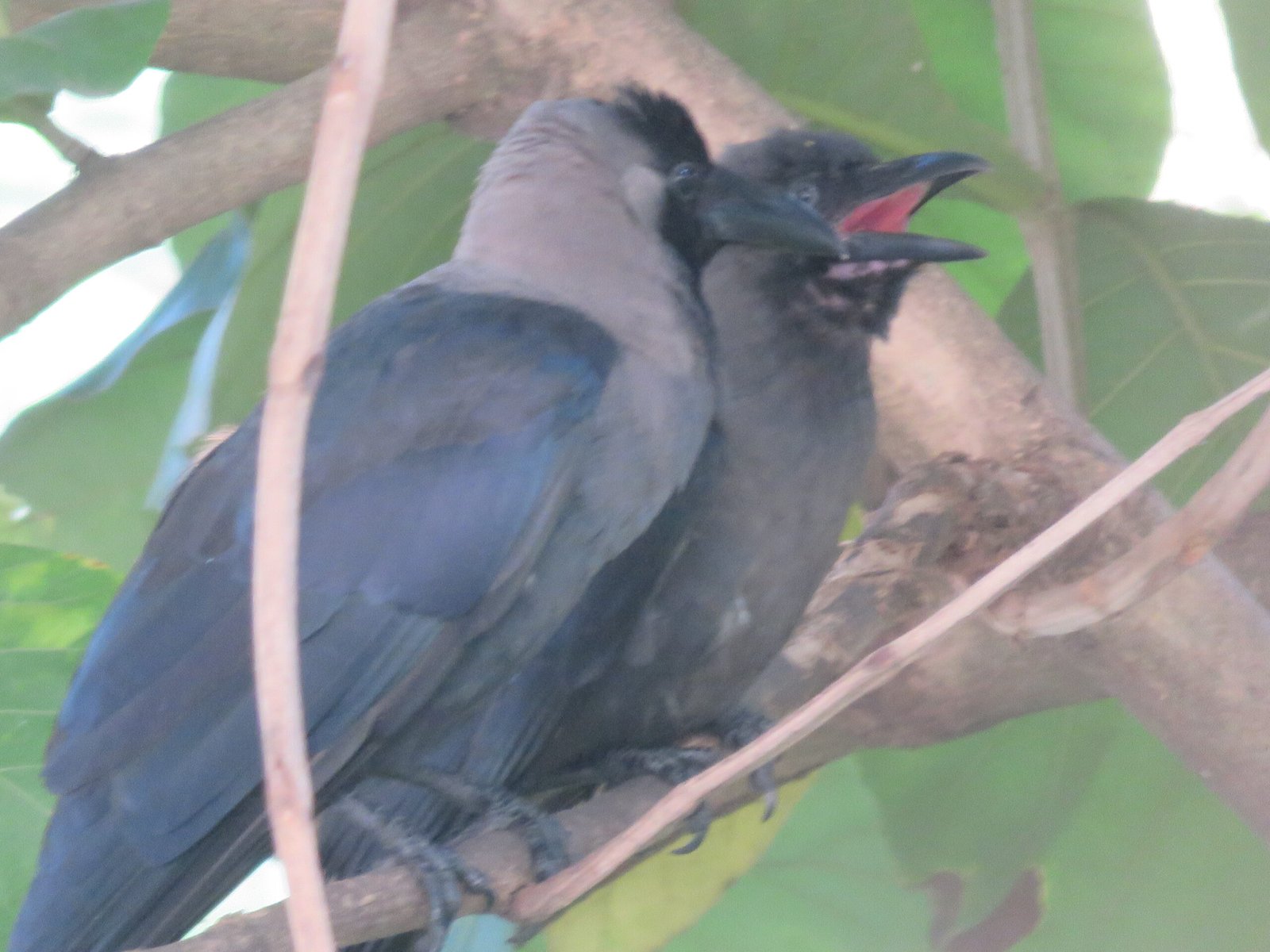
Crows have an impressive memory that allows them to store and retrieve information over long periods. This memory is vital for tasks like caching food, where they need to remember the locations of hidden supplies. Their learning ability is equally impressive; crows can learn from their experiences and even from observing others. This capacity to learn and remember is a cornerstone of their intelligence, enabling them to navigate complex challenges in their environment.
Innovative Behaviors in Urban Environments

In urban environments, crows have demonstrated remarkable adaptability. They have been known to use traffic to their advantage, dropping nuts on roads for cars to crack open. This innovative behavior is a testament to their ability to exploit new opportunities in changing landscapes. Crows’ adaptability in urban settings is a clear indication of their intelligence and resourcefulness, allowing them to thrive alongside humans.
The Role of Play in Cognitive Development
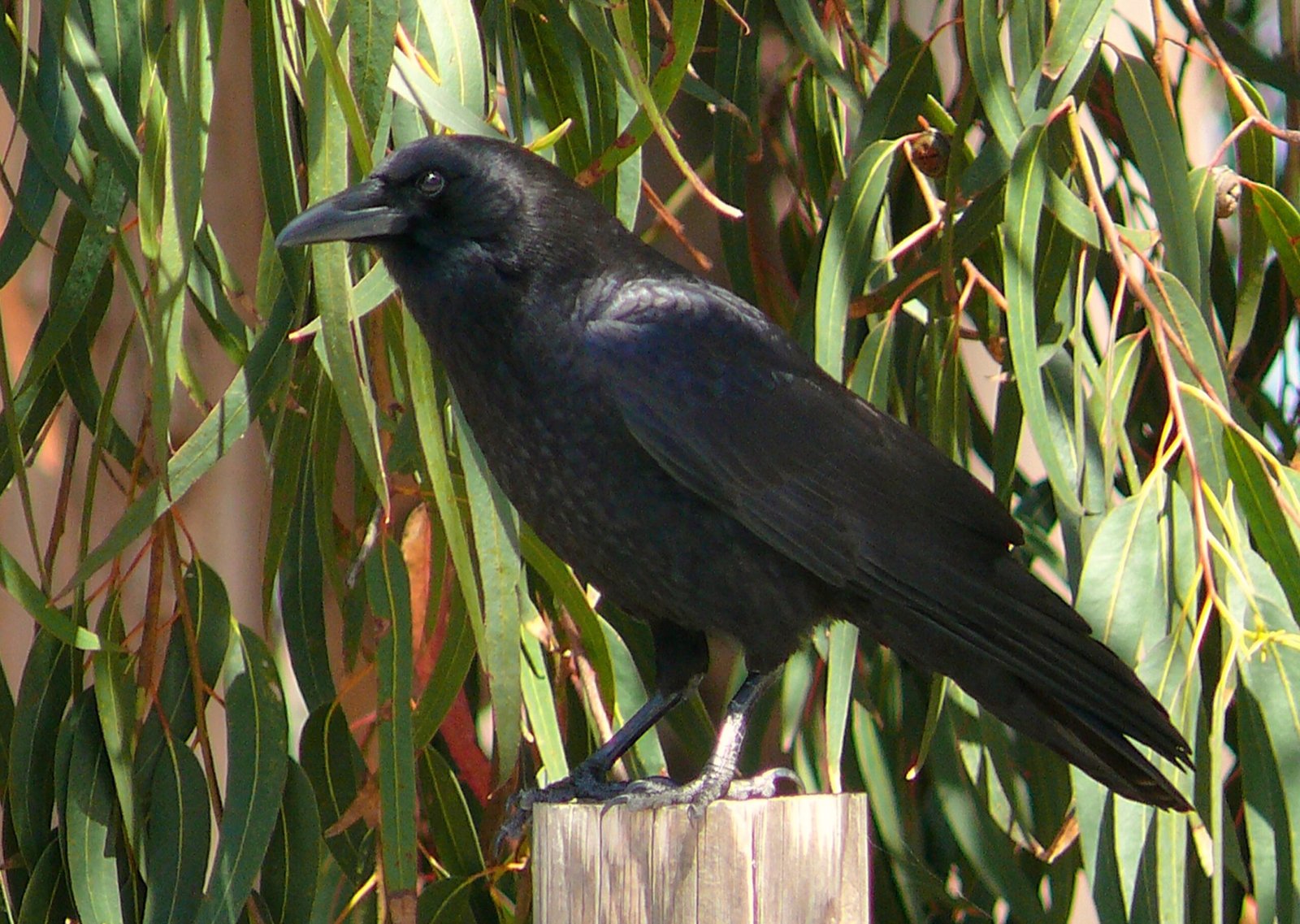
Play is an essential component of cognitive development, and crows are no strangers to playful behavior. Juvenile crows engage in activities that seem to serve no immediate purpose other than enjoyment. However, play has significant benefits, such as honing their problem-solving skills and social interactions. Through play, crows can practice and refine the abilities that are crucial for their survival, showcasing the depth of their intelligence.
Cultural Transmission: Passing on Knowledge

Crows are capable of cultural transmission, where knowledge and skills are passed down from one generation to the next. This transmission allows them to build on the experiences of their predecessors, leading to the development of sophisticated behaviors. For instance, the ability to use tools is not innate but learned, often taught by parent crows to their offspring. This cultural learning is a defining characteristic of intelligent species and reflects the complex social dynamics within crow communities.
Crows and Human Interaction: A Unique Relationship

The relationship between crows and humans is unique and multifaceted. While they are often viewed as nuisances, crows can also form positive associations with people who feed or interact with them. Some crows have been known to bring small gifts to humans who have been kind to them, a gesture that reflects their ability to form connections and express gratitude. This relationship underscores the crow’s capacity for understanding and responding to their environment and the creatures within it.