As the sun casts its golden light over sprawling landscapes, the story of our planet’s transformation unfolds. From the rustling leaves of mangroves to the uniform rows of monocultures, the evolution of land use tells a tale of progress, conflict, and adaptation. This evolution has not only shaped the terrain but also the creatures that call it home. The intricate tapestry of life, woven over millennia, faces unprecedented challenges as humanity alters the very fabric of the environment. The whispers of the past echo through our actions today, urging us to pause and reflect on the path we tread.
The Diverse World of Mangroves
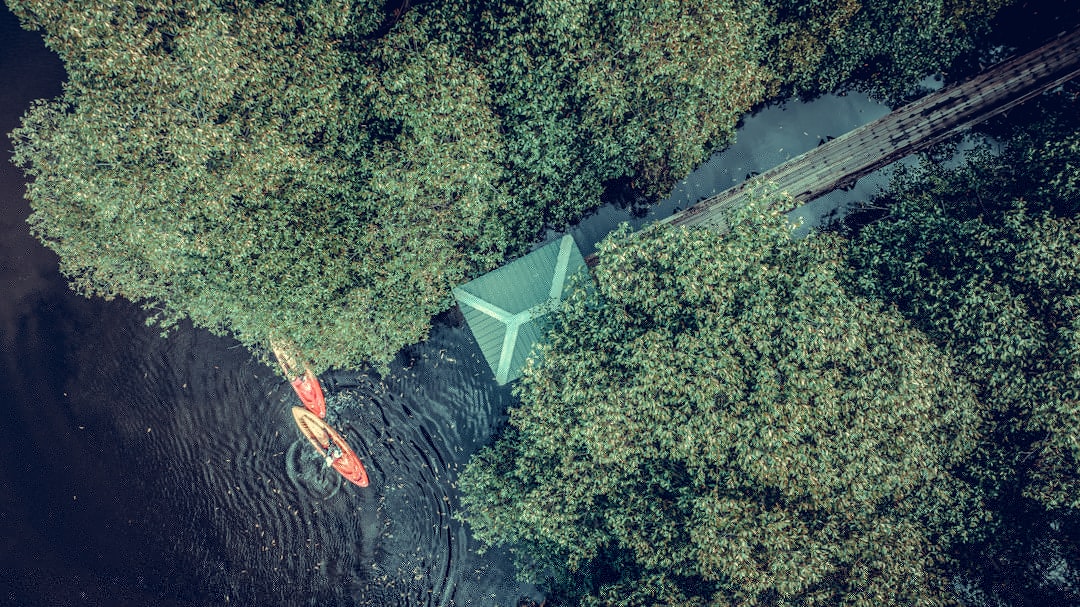
Mangroves are often overlooked, but they are crucial ecosystems that thrive where land and sea meet. These unique forests, with their tangled roots, serve as nurseries for a multitude of marine species. They protect coastlines from erosion and act as buffers against storms. The biodiversity here is rich and complex, with everything from crabs and fish to birds finding shelter among the mangroves. Unfortunately, these critical habitats are being destroyed at an alarming rate due to urban development and aquaculture. The loss of mangroves is not just a loss of trees but a loss of a vital ecosystem that supports numerous species.
The Rise of Monocultures
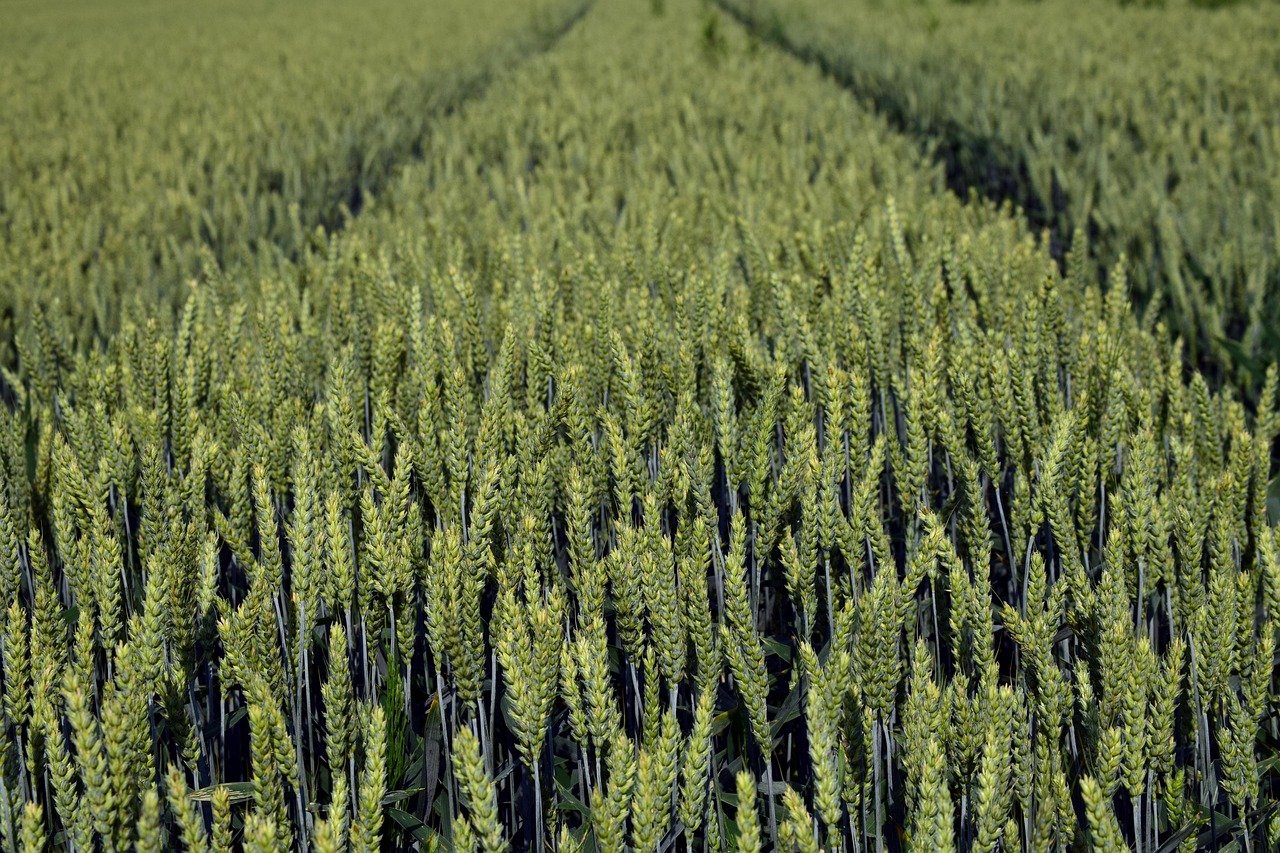
Monocultures have become a defining feature of modern agriculture. The practice of growing a single crop over vast areas has its benefits, such as increased efficiency and yield. However, this method has significant drawbacks for wildlife. It reduces biodiversity, making the land inhospitable for many species that once thrived there. Pests and diseases can spread rapidly, leading to an increased reliance on chemical pesticides. This, in turn, affects the soil quality and the health of nearby ecosystems. The uniformity of monocultures stands in stark contrast to the diversity of natural landscapes, highlighting the need for more sustainable practices.
The Impact on Pollinators
Pollinators, such as bees and butterflies, play a pivotal role in the ecosystem. They ensure the reproduction of many plants, including those crucial for human food supplies. Land use changes, particularly the shift to monocultures, have drastically reduced their habitats. With fewer flowers and diverse plants, pollinators struggle to find the resources they need. The decline in pollinator populations is a warning sign of broader ecological issues. Without them, the balance of nature is disrupted, threatening food security and biodiversity. The importance of pollinators cannot be overstated, and their decline signals a need for urgent action.
Fragmentation of Habitats
As cities expand and roads cut through wilderness, habitats become fragmented. This division isolates animal populations, making it difficult for them to find mates, food, and shelter. Fragmented habitats can lead to genetic bottlenecks, reducing the resilience of species to environmental changes. For example, the construction of highways can prevent animals from accessing critical resources, leading to population declines. The challenge is to find ways to connect these fragmented landscapes, allowing wildlife to move freely and maintain healthy populations. Land bridges and wildlife corridors are some solutions being explored to address this issue.
Deforestation and Its Consequences
Forests are often cleared to make way for agriculture, urban development, or logging. This deforestation has profound effects on wildlife. Forests are home to countless species, many of which are not found anywhere else. When these trees are removed, the animals that depend on them for survival are left homeless. Deforestation also contributes to climate change by releasing stored carbon into the atmosphere. The loss of forests disrupts the delicate balance of ecosystems, leading to a cascade of environmental problems. Protecting and restoring forests is essential for preserving biodiversity and combating climate change.
Wetlands: Nature’s Sponges
Wetlands are among the most productive ecosystems in the world. They act like sponges, absorbing floodwaters and filtering pollutants. Despite their importance, wetlands are often drained for agriculture or development. This loss has significant implications for wildlife, as wetlands provide critical habitats for many species. Birds, amphibians, and fish thrive in these environments, relying on the water and vegetation for survival. The destruction of wetlands not only impacts biodiversity but also increases the risk of flooding and water pollution. Preserving these ecosystems is vital for maintaining ecological health and resilience.
Urbanization and Wildlife
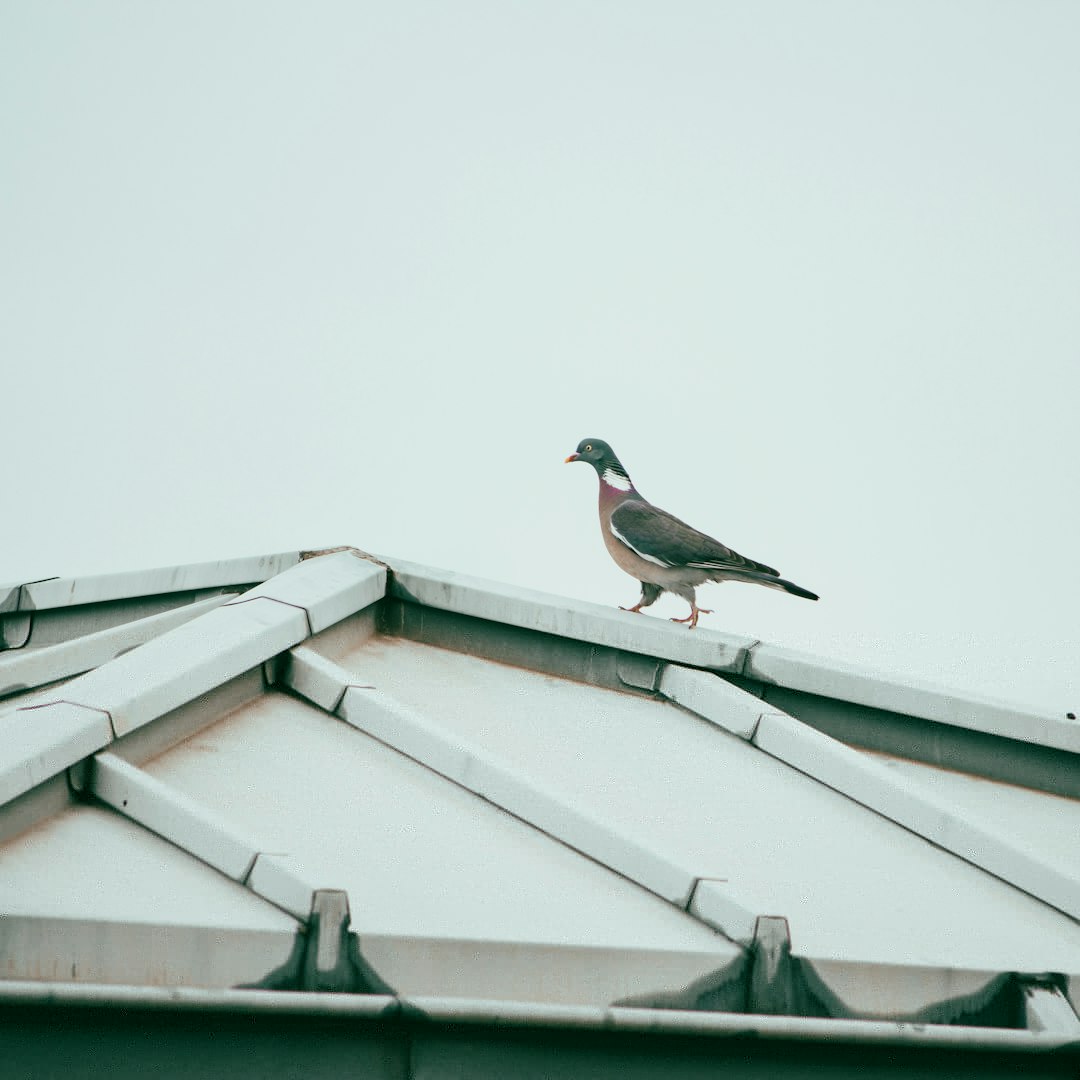
The spread of urban areas has a profound impact on wildlife. As cities grow, natural habitats are replaced with concrete and asphalt. This transformation forces animals to adapt to new environments or face extinction. Urbanization can lead to increased human-wildlife conflicts, as animals venture into cities in search of food and shelter. Some species, like raccoons and pigeons, thrive in urban settings, while others struggle to survive. Finding ways to coexist with wildlife in urban areas is crucial for maintaining biodiversity. Green spaces, such as parks and gardens, can provide refuges for urban wildlife.
The Role of Conservation Efforts
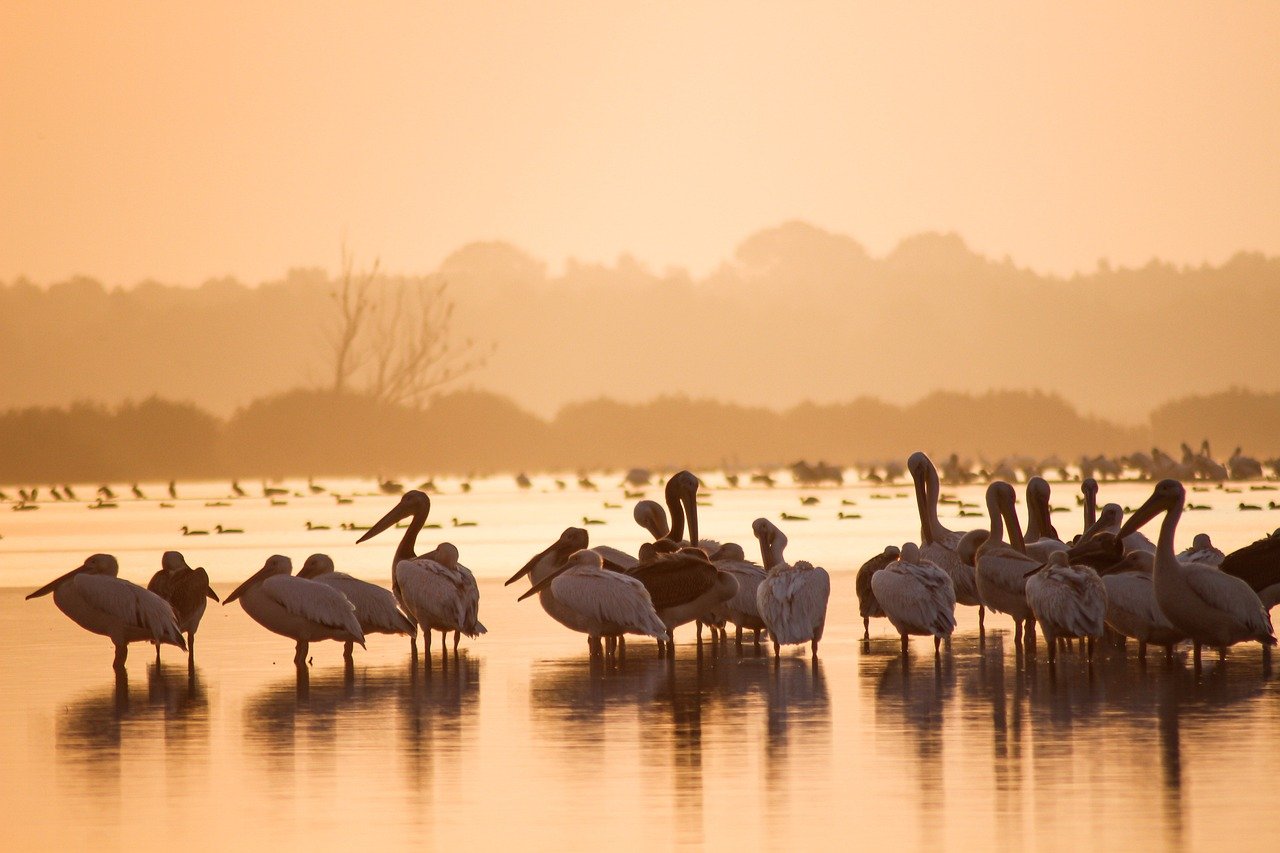
Conservation efforts play a vital role in mitigating the effects of land use changes on wildlife. Protected areas, such as national parks and wildlife reserves, offer safe havens for species at risk. Conservation programs focus on habitat restoration, species reintroduction, and community engagement. These initiatives aim to balance human needs with environmental preservation. By supporting conservation efforts, we can help ensure the survival of wildlife and the ecosystems they inhabit. Education and awareness are key components of successful conservation, fostering a deeper connection between people and nature.
Climate Change and Land Use
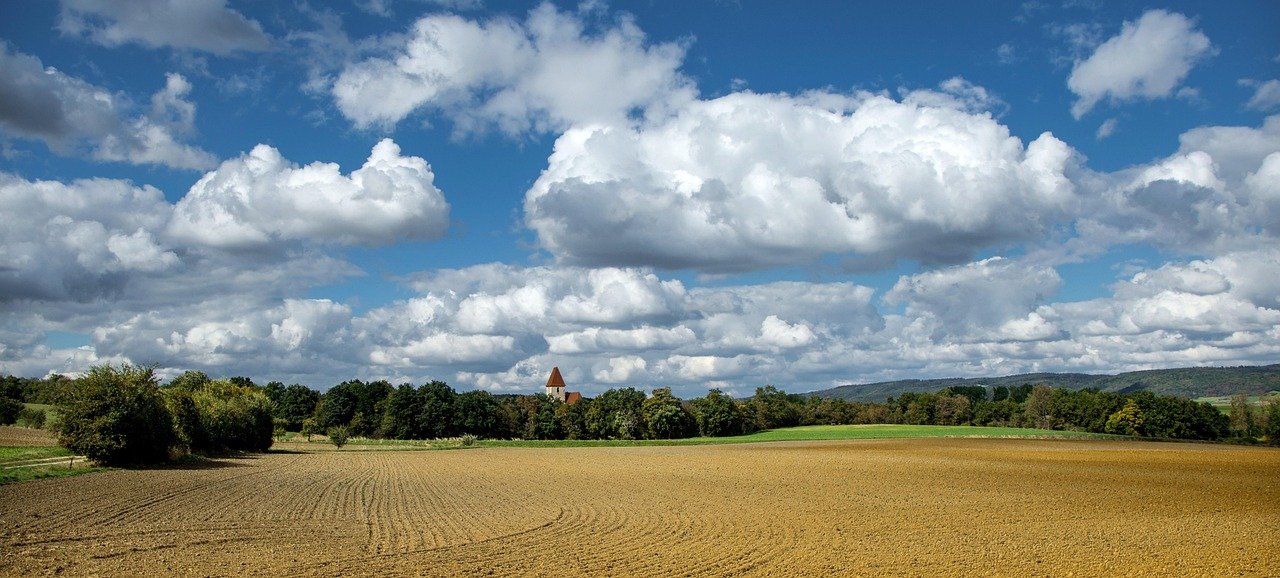
Climate change and land use are interconnected issues that exacerbate each other. Changes in land use, such as deforestation and agriculture, contribute to greenhouse gas emissions. These emissions drive climate change, which in turn affects wildlife habitats. Rising temperatures and altered precipitation patterns can make environments uninhabitable for some species. As climate change progresses, the need for sustainable land use practices becomes more urgent. By reducing our carbon footprint and promoting sustainable development, we can help mitigate the impacts of climate change on wildlife.
The Future of Land Use and Wildlife
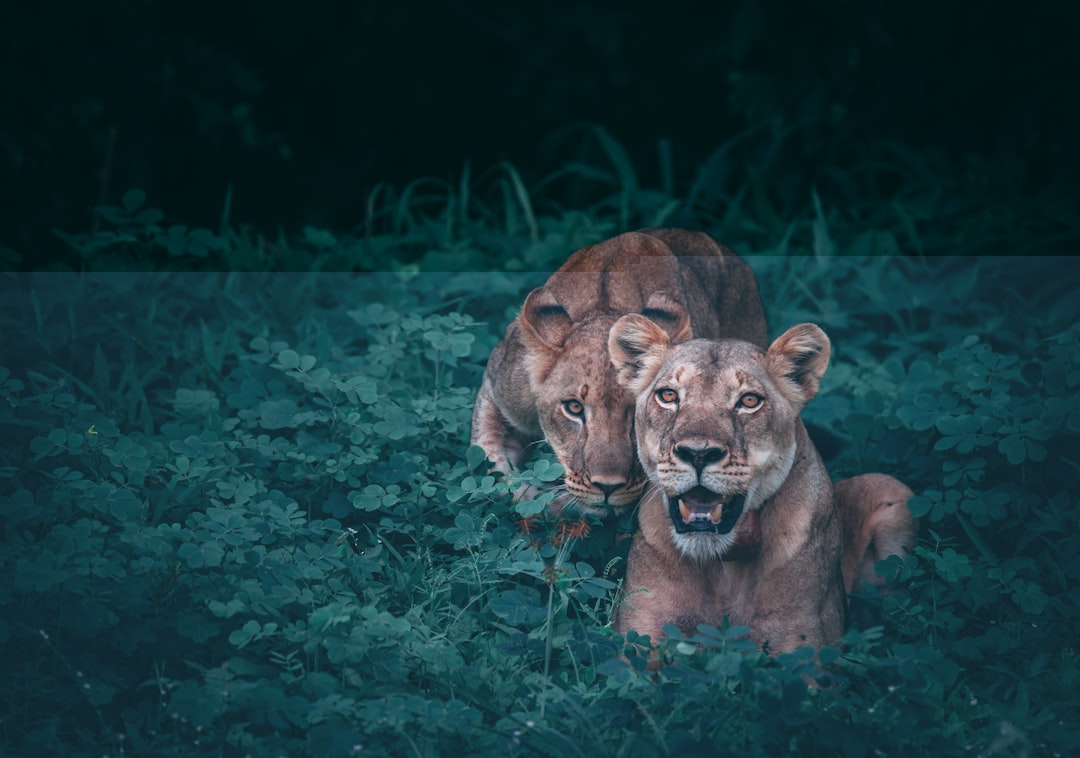
The future of land use and wildlife depends on the choices we make today. Sustainable practices, such as agroforestry and permaculture, offer alternatives to traditional agriculture. These methods promote biodiversity and soil health, benefiting both wildlife and humans. Urban planning can incorporate green infrastructure, creating cities that coexist with nature. By valuing and protecting our natural resources, we can create a future where wildlife thrives alongside human development. It is a shared responsibility to ensure that our actions today do not compromise the health of our planet for future generations.