
The Caribbean Monk Seal, once a vibrant inhabitant of the warm waters of the Caribbean, now exists only in the annals of history. This remarkable marine mammal, known for its gentle demeanor and large, expressive eyes, was a significant part of the region’s marine ecosystem. Often referred to as the “sea wolf” by early explorers, the monk seal was a common sight along the coastlines and islands of the Caribbean. Its disappearance is a stark reminder of the fragility of our natural world and the impact of human activities on wildlife. The story of the Caribbean Monk Seal is a poignant tale of loss and serves as a cautionary narrative for conservation efforts worldwide.
Understanding the Caribbean Monk Seal
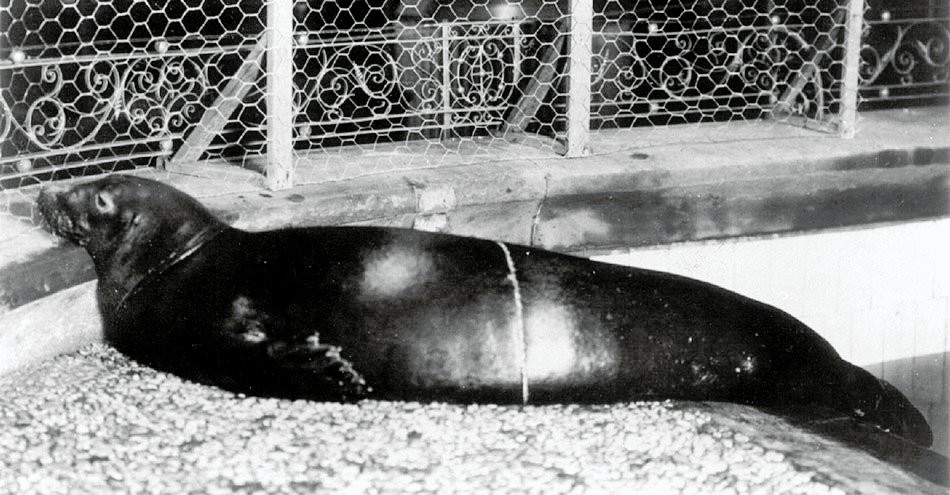
The Caribbean Monk Seal, scientifically known as *Neomonachus tropicalis*, was the only seal species native to the Caribbean Sea and the Gulf of Mexico. It was distinguished by its sleek, grayish-brown body and a distinctive, rounded head. Weighing up to 600 pounds, these seals were once abundant, thriving in the warm, shallow waters of the region. They were social creatures, often found basking on sandy beaches or rocky outcrops, enjoying the sun. Unfortunately, their trusting and gentle nature made them easy targets for hunters, contributing significantly to their decline. Understanding the characteristics and habits of these seals is crucial in recognizing the importance of preserving such unique species.
The Role of Monk Seals in the Ecosystem
Monk seals played a vital role in their ecosystem, maintaining the balance of marine life in the Caribbean. As apex predators, they helped regulate the populations of fish and invertebrates, ensuring a healthy and diverse marine environment. Their presence supported the growth of coral reefs by controlling the populations of species that could potentially damage these delicate structures. The loss of the monk seal disrupted this balance, causing cascading effects throughout the ecosystem. This highlights the interconnectedness of marine life and the profound impact the extinction of a single species can have on the environment.
Historical Encounters and Cultural Significance
Throughout history, the Caribbean Monk Seal held significant cultural importance to the indigenous peoples of the Caribbean. They were often featured in folklore and art, symbolizing abundance and the mysteries of the sea. Early European explorers documented their encounters with these seals, describing them as curious and unafraid of humans. Unfortunately, these traits also made them vulnerable to exploitation. The seals were hunted not only for their oil and meat but also for their fur, which was highly prized. This relentless hunting pressure, combined with habitat destruction, led to their eventual extinction.
The Decline and Extinction of the Monk Seal
By the early 20th century, the Caribbean Monk Seal population was in rapid decline. Overhunting was the primary factor, as they were hunted extensively for their blubber, which was used to produce oil. Additionally, the destruction of their natural habitat due to coastal development further exacerbated their plight. Despite efforts to locate surviving populations, the last confirmed sighting of the Caribbean Monk Seal was in the early 1950s. In 2008, the species was officially declared extinct. The extinction of the Caribbean Monk Seal is a somber reminder of the consequences of human exploitation and environmental neglect.
Scientific Efforts to Study and Protect
In the years leading up to their extinction, scientists made concerted efforts to study and protect the remaining populations of Caribbean Monk Seals. Researchers conducted extensive surveys to locate and monitor these elusive creatures, hoping to implement conservation measures. However, the lack of comprehensive data and the seals’ already diminished numbers posed significant challenges. Despite these obstacles, the research conducted provided valuable insights into the biology and behavior of monk seals, contributing to the broader understanding of marine mammals and their conservation needs.
Lessons Learned from the Monk Seal’s Extinction
The extinction of the Caribbean Monk Seal offers critical lessons for current and future conservation efforts. It underscores the importance of proactive measures to protect vulnerable species before their populations reach critical levels. The monk seal’s fate highlights the need for international collaboration in conservation, as marine species do not adhere to national boundaries. Furthermore, it emphasizes the necessity of balancing human development with environmental preservation. By learning from past mistakes, we can work towards preventing similar tragedies and preserving the diversity of life in our oceans.
The Ripple Effect on Marine Conservation
The loss of the Caribbean Monk Seal had a profound impact on marine conservation efforts in the region. It served as a wake-up call, prompting increased awareness and action to protect other endangered marine species. Conservation organizations and governments have since implemented stricter regulations on hunting and fishing practices, as well as initiatives to restore and preserve critical habitats. The extinction of the monk seal has become a symbol of the urgent need to address the threats facing marine biodiversity and to promote sustainable practices that ensure the survival of remaining species.
Hope for the Future: Conservation Success Stories
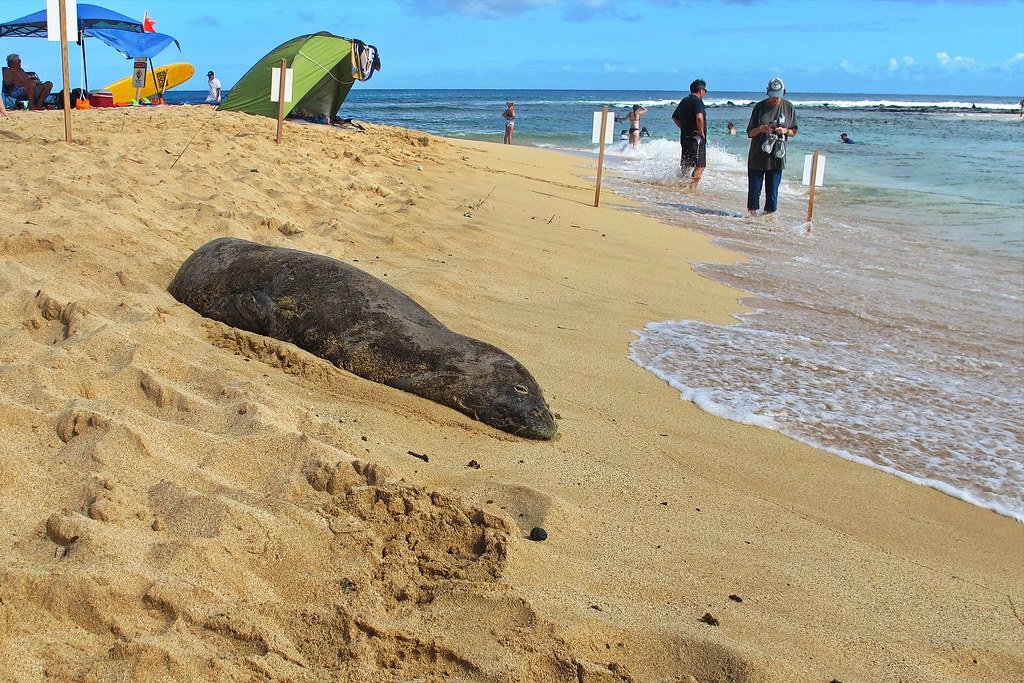
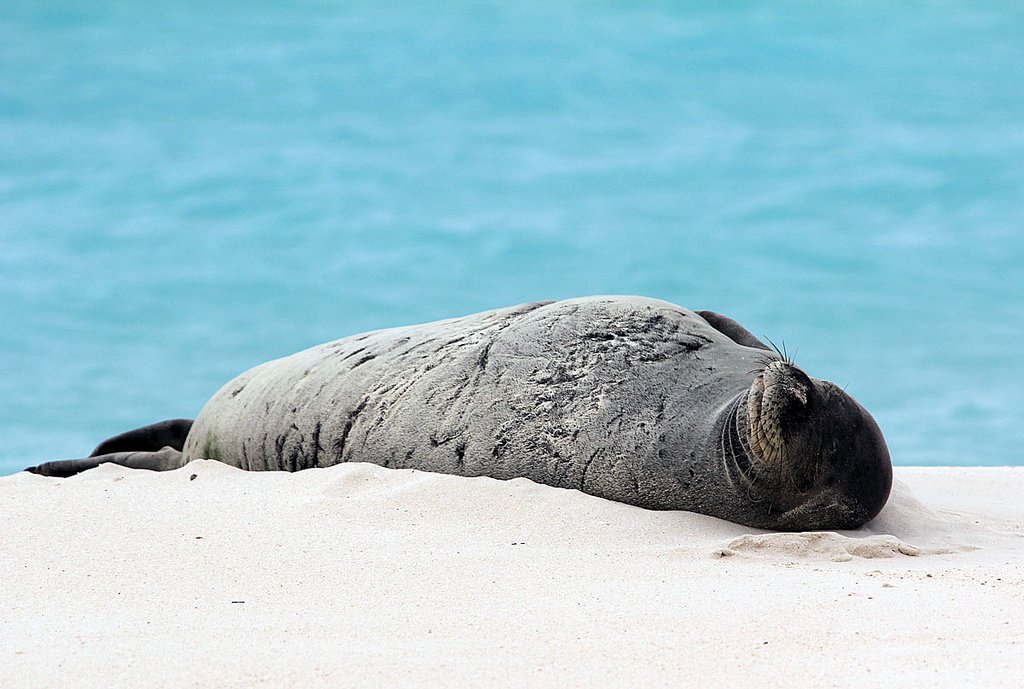
While the story of the Caribbean Monk Seal is one of loss, it also inspires hope for the future of marine conservation. There have been numerous success stories of species brought back from the brink of extinction through dedicated conservation efforts. For example, the Hawaiian Monk Seal, a close relative of the Caribbean Monk Seal, has seen population growth due to intensive protection measures. These successes demonstrate that with commitment and collaboration, it is possible to reverse the decline of endangered species and restore the health of marine ecosystems.
What We Can Do to Protect Marine Life
Protecting marine life requires collective action from individuals, communities, and governments. Simple actions such as reducing plastic use, supporting sustainable seafood, and advocating for marine protected areas can make a significant difference. Educating others about the importance of marine conservation and the lessons learned from the Caribbean Monk Seal’s extinction is also crucial. By fostering a deeper understanding of the connections between human activities and marine health, we can inspire positive change and ensure a thriving future for our oceans.
The Lasting Legacy of the Caribbean Monk Seal
The Caribbean Monk Seal may be gone, but its legacy endures as a powerful reminder of the impact humans have on the natural world. It challenges us to reflect on our relationship with the environment and to take responsibility for the preservation of the planet’s biodiversity. The story of the monk seal is a call to action, urging us to prioritize conservation and to cherish the rich diversity of life that our oceans hold. By honoring the memory of the Caribbean Monk Seal, we can work towards a future where such losses are a thing of the past.