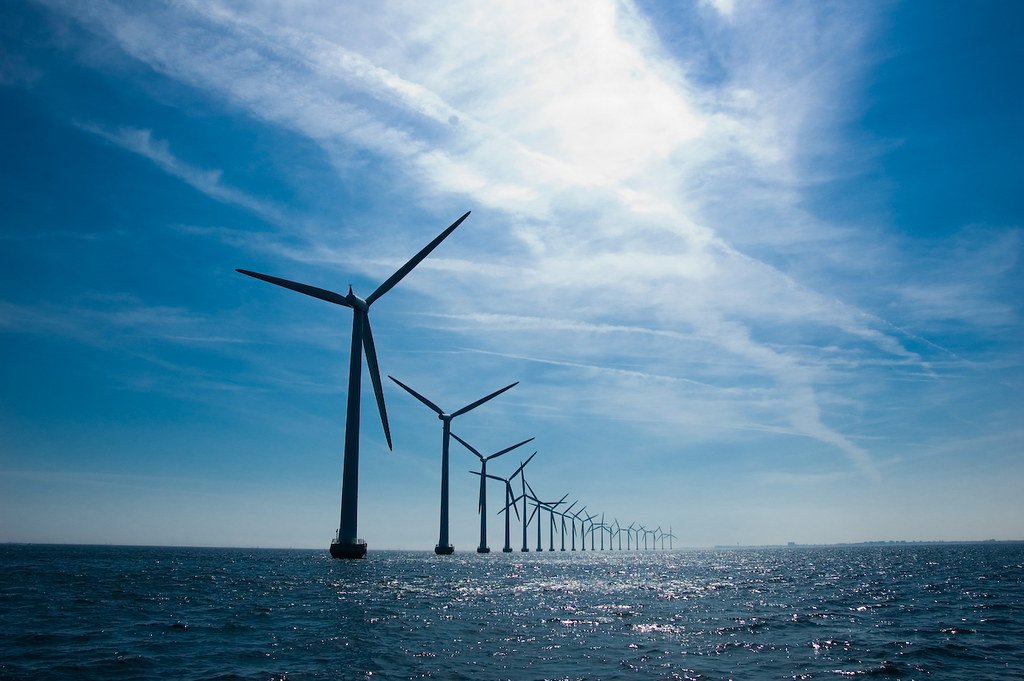
In a world rapidly facing the consequences of climate change, some countries are stepping up to lead the charge in combating this global crisis. These nations are not just setting examples; they are crafting blueprints for others to follow. Their stories are filled with innovation, inspiration, and a commitment to a sustainable future. By examining the actions of these pioneering countries, we can uncover valuable lessons that can be applied globally. Let’s delve into the nations at the forefront of this battle and explore what we can learn from their efforts.
Denmark’s Wind Power Revolution
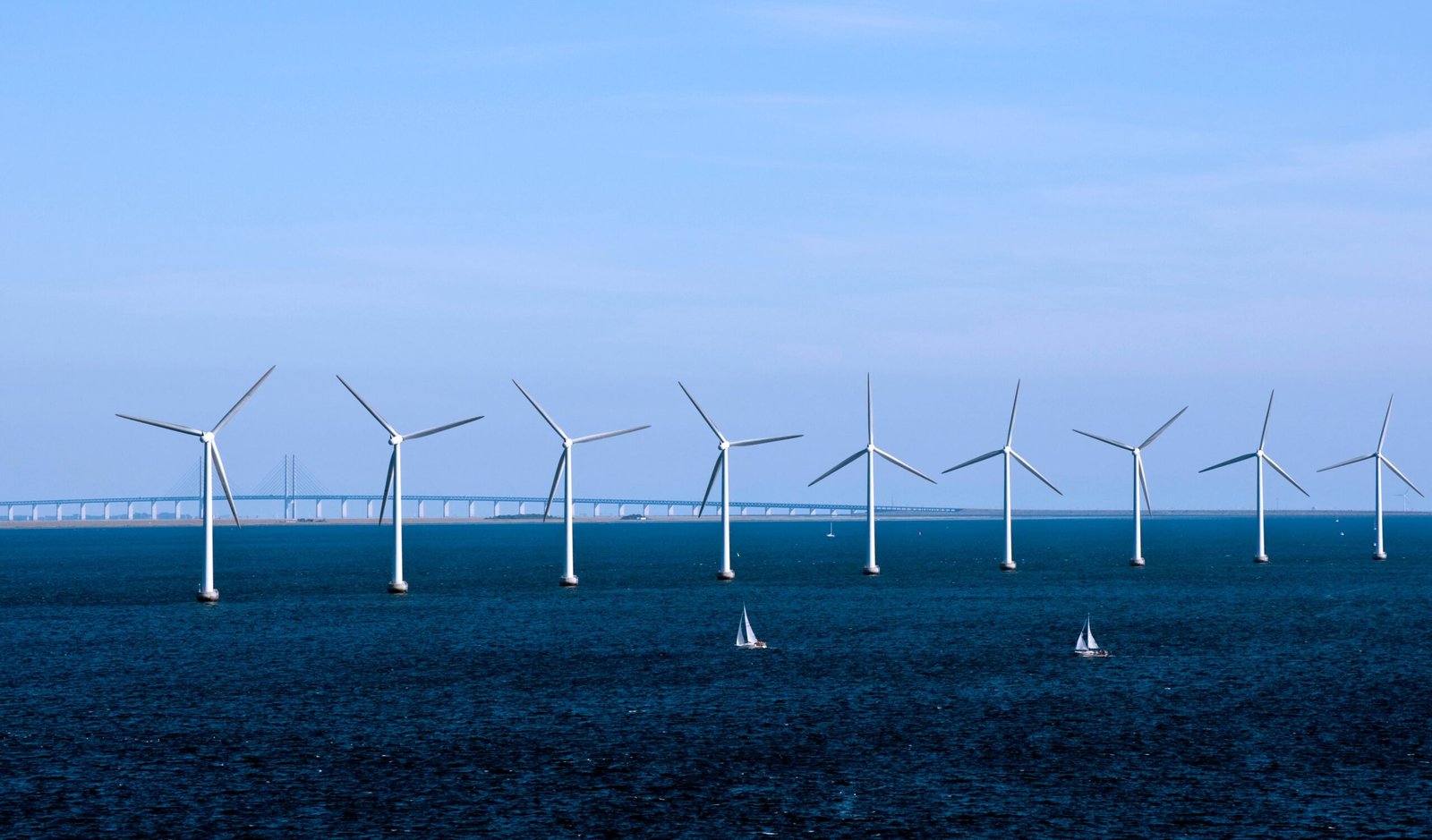
Denmark has been a pioneer in harnessing the power of the wind to generate clean energy. With more than 40% of its electricity coming from wind turbines, Denmark is a shining example of how renewable energy can transform a nation’s energy landscape. This Scandinavian country has invested heavily in wind technology since the 1970s, and its commitment is paying off. By focusing on wind energy, Denmark has reduced its carbon footprint and created thousands of jobs. The lesson here is clear: long-term commitment to renewable energy can lead to both environmental and economic benefits.
Germany’s Energiewende: A Model for Transition
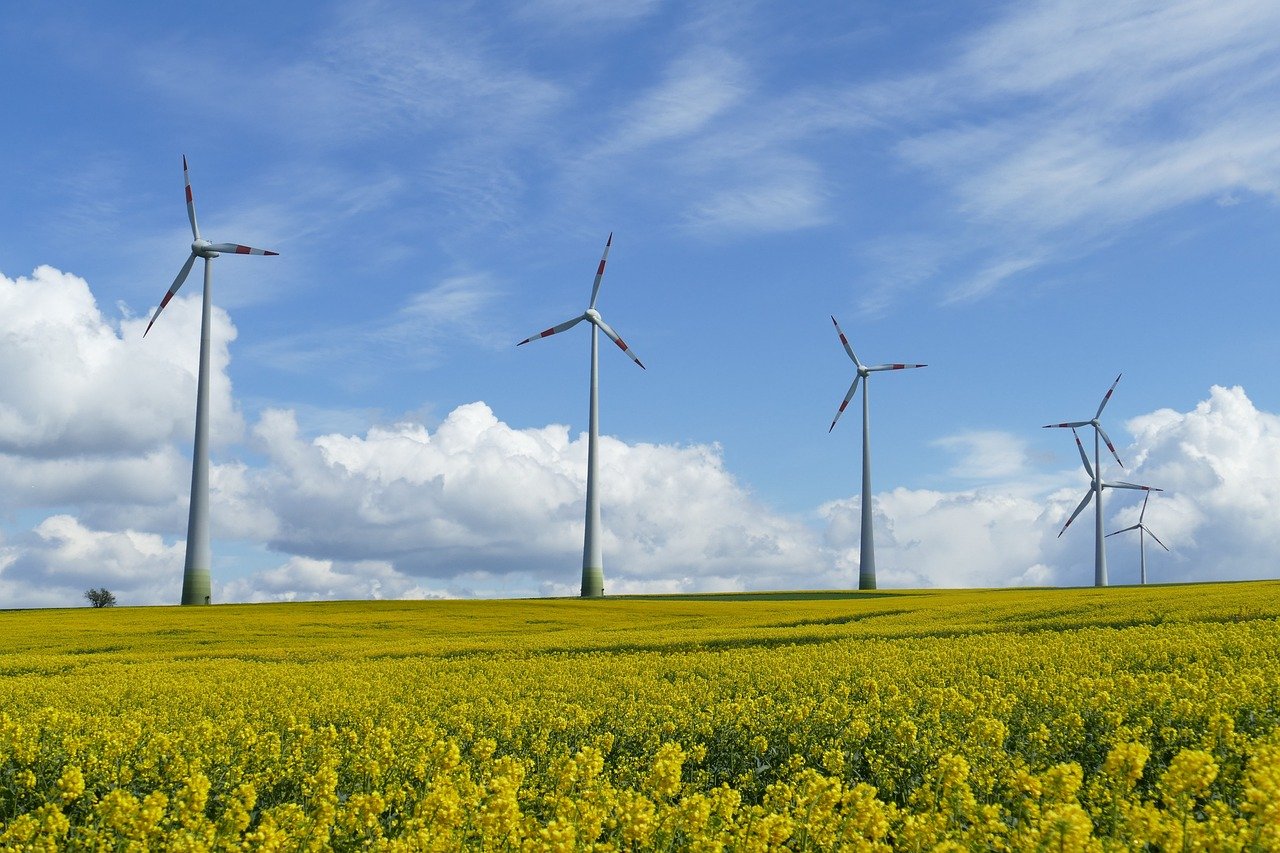
Germany’s Energiewende, or “energy transition,” is an ambitious plan aimed at moving the country away from fossil fuels and nuclear energy towards renewable sources like wind and solar. Initiated in the early 2000s, this policy has made Germany a leader in renewable energy production. Despite challenges such as high costs and technical hurdles, Germany’s experience shows that a comprehensive government policy can catalyze significant change. The German model teaches us the importance of setting clear goals and creating supportive policies to foster a sustainable energy transition.
Sweden’s Carbon Tax Success

Sweden introduced a carbon tax in 1991, and it has been a game-changer in reducing greenhouse gas emissions. By taxing carbon emissions, Sweden has successfully incentivized businesses and individuals to reduce their carbon footprint. The country’s emissions have dropped significantly, while its economy continues to grow. Sweden’s approach demonstrates the effectiveness of economic incentives in driving environmental change. It highlights the power of aligning financial policies with environmental goals to encourage sustainable practices.
Norway’s Electric Vehicle Leadership

Norway is leading the charge in electric vehicle (EV) adoption, with electric cars making up over half of new car sales in recent years. This success is largely due to government incentives such as tax breaks, free parking, and access to bus lanes for EV drivers. Norway’s commitment to reducing emissions from the transportation sector has set a global standard for clean transportation. The Norwegian experience underscores the impact that supportive policies and incentives can have on consumer behavior, encouraging the shift towards more sustainable transportation options.
Costa Rica’s Commitment to Carbon Neutrality
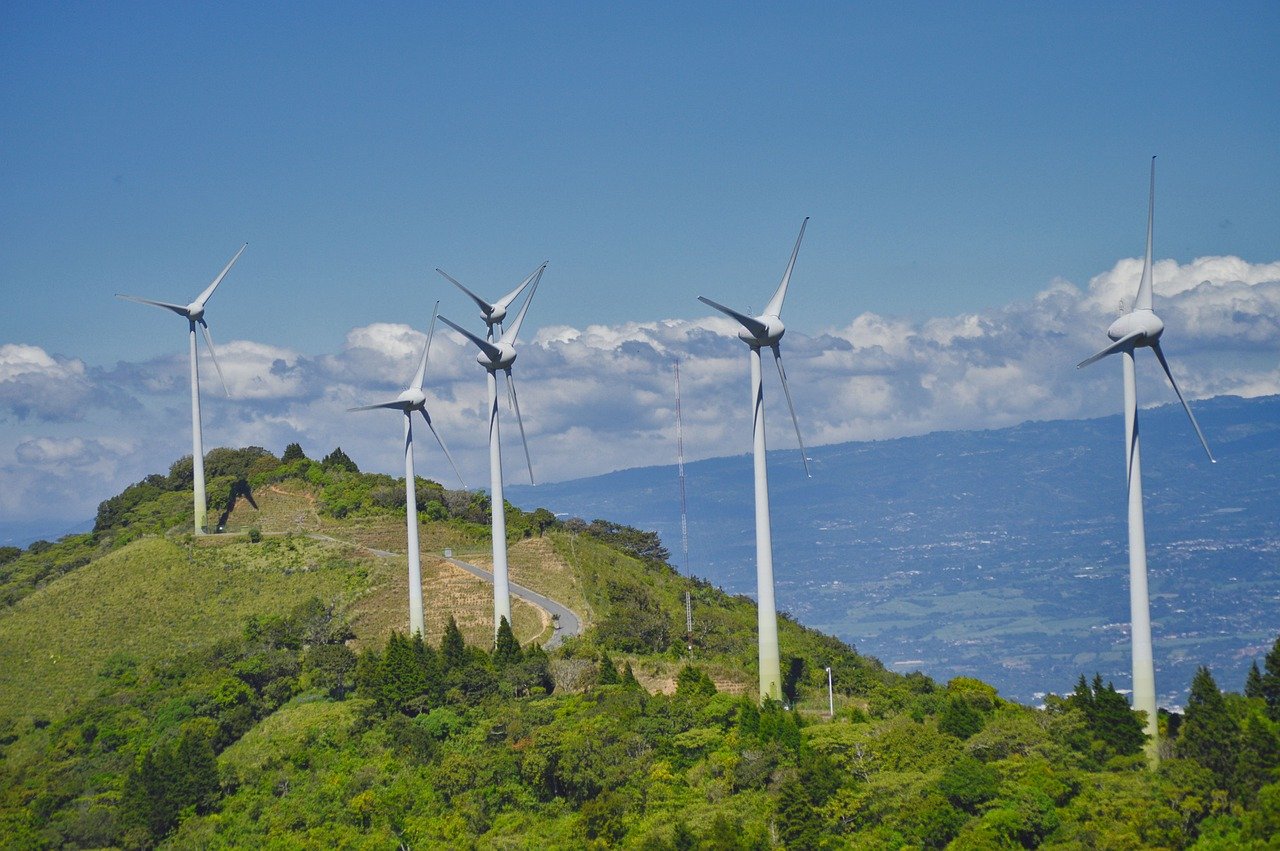
Costa Rica has set an ambitious goal to become carbon neutral by 2050, and it is well on its way. With 99% of its electricity coming from renewable sources such as hydro, wind, and solar, Costa Rica is a beacon of sustainability. The country’s dedication to preserving its rich biodiversity and natural resources is central to its environmental strategy. Costa Rica’s example shows that a commitment to renewable energy and conservation can lead to a sustainable and prosperous future. It emphasizes the importance of integrating environmental considerations into national development plans.
China’s Solar Power Surge
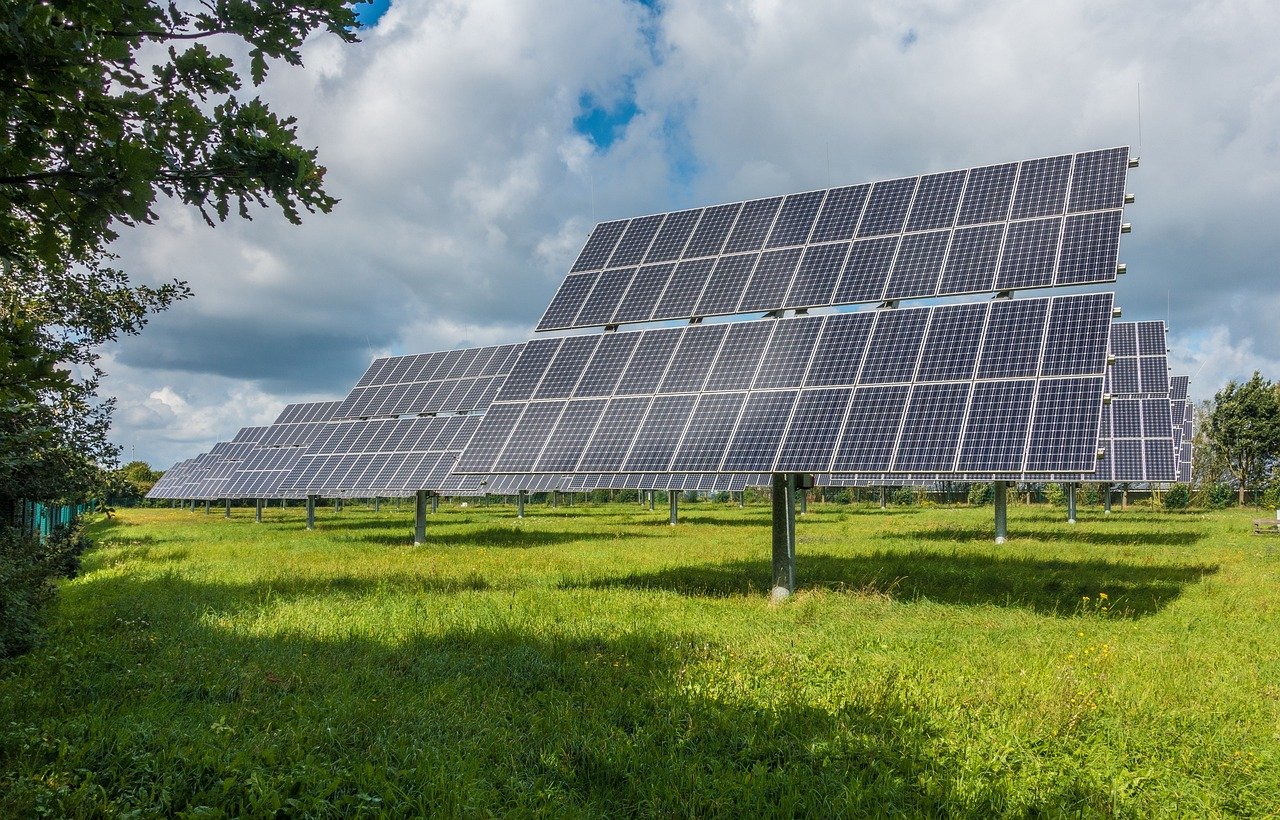
China, once known for its heavy reliance on coal, is now a world leader in solar power production. The country has invested massively in solar energy, installing more solar capacity than any other nation. This shift is driven by China’s recognition of the need to tackle air pollution and climate change. China’s solar boom illustrates the transformative potential of large-scale investment in renewable energy infrastructure. It highlights the importance of government support and industrial innovation in driving the clean energy transition.
France’s Nuclear Energy Strategy
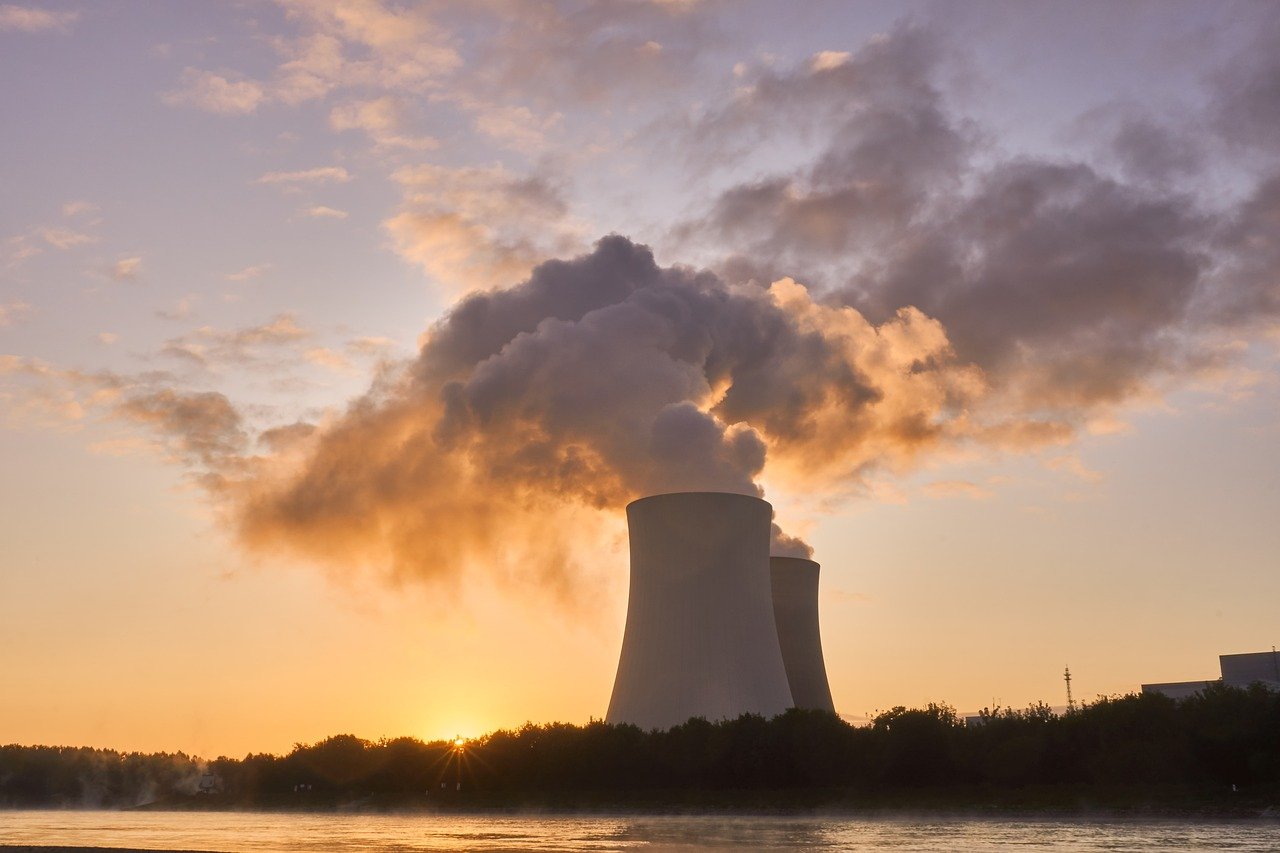
France generates over 70% of its electricity from nuclear power, making it one of the lowest carbon-emitting countries in Europe. This reliance on nuclear energy has allowed France to reduce its greenhouse gas emissions significantly. While nuclear energy is not without controversy, France’s example shows how it can be a part of the solution in reducing carbon emissions. The French model underscores the importance of diversifying energy sources to achieve sustainable energy goals.
Finland’s Circular Economy Approach

Finland is embracing the concept of a circular economy, where waste is minimized, and resources are reused and recycled. This approach has been integrated into national policy, encouraging businesses and consumers to think more sustainably. Finland’s commitment to a circular economy is reducing waste and driving innovation in sustainable practices. It teaches us the importance of rethinking consumption patterns and finding new ways to utilize resources efficiently.
New Zealand’s Forest Conservation Efforts

New Zealand is taking significant steps to protect its forests, recognizing the vital role they play in carbon sequestration. The government has implemented policies to reduce deforestation and promote reforestation, helping to offset carbon emissions. New Zealand’s efforts highlight the importance of preserving natural ecosystems as a strategy for combating climate change. It emphasizes the need for global cooperation in protecting our planet’s forests and biodiversity.
Switzerland’s Energy Efficiency Initiatives

Switzerland is renowned for its energy efficiency programs, which have significantly reduced the country’s energy consumption. By investing in research and development of energy-efficient technologies, Switzerland has been able to lower its carbon emissions while maintaining a high standard of living. Switzerland’s approach demonstrates the potential of energy efficiency in reducing overall energy demand and environmental impact. It underscores the need for innovation and technology in achieving sustainable energy goals.