The natural world is a mesmerizing tapestry of life, filled with colors, sounds, and creatures that captivate our imaginations. Among these creatures, some possess a secret weapon that is as fascinating as it is deadly: venom. Venomous animals have evolved this potent chemical cocktail to survive, defend, and hunt. But what exactly makes these animals so dangerous to humans, and what does their venom do to us? Let’s embark on a journey to explore the ten most venomous animals on the planet and uncover the mysteries behind their lethal abilities.
Box Jellyfish: The Ocean’s Invisible Assassin
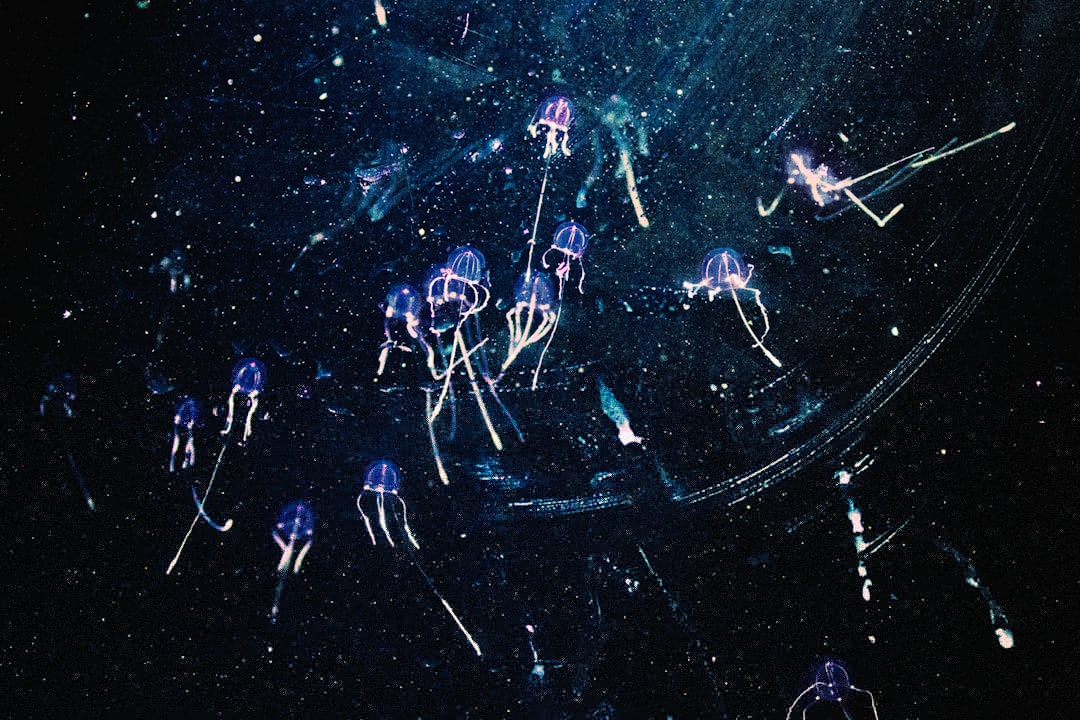
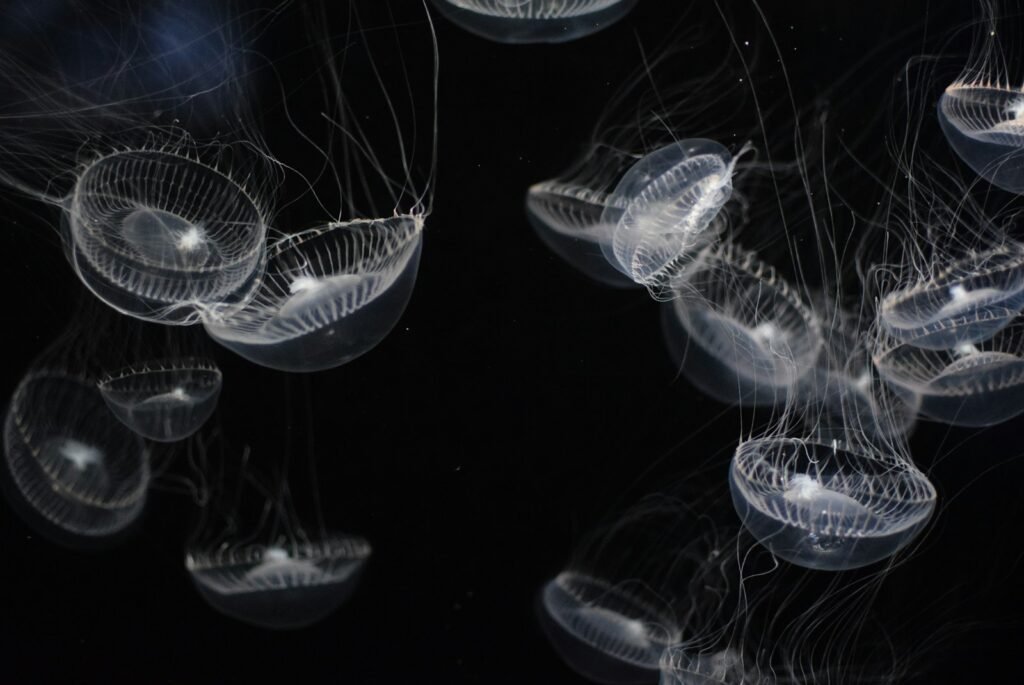
The box jellyfish, often referred to as the “sea wasp,” is a translucent marine predator lurking in the waters of the Indo-Pacific. Its venom is a complex brew of toxins that can cause heart failure, paralysis, and even death. Imagine swimming in the ocean and feeling an unexpected sting, only to realize you’re in the grasp of this nearly invisible creature. The venom attacks the heart and nervous system with astonishing speed, making it one of the deadliest venoms in the world. Despite its deadly nature, the box jellyfish is a reminder of the delicate balance of life in our oceans and the hidden dangers that lurk beneath the waves.
King Cobra: The Majestic Monarch of Venomous Snakes
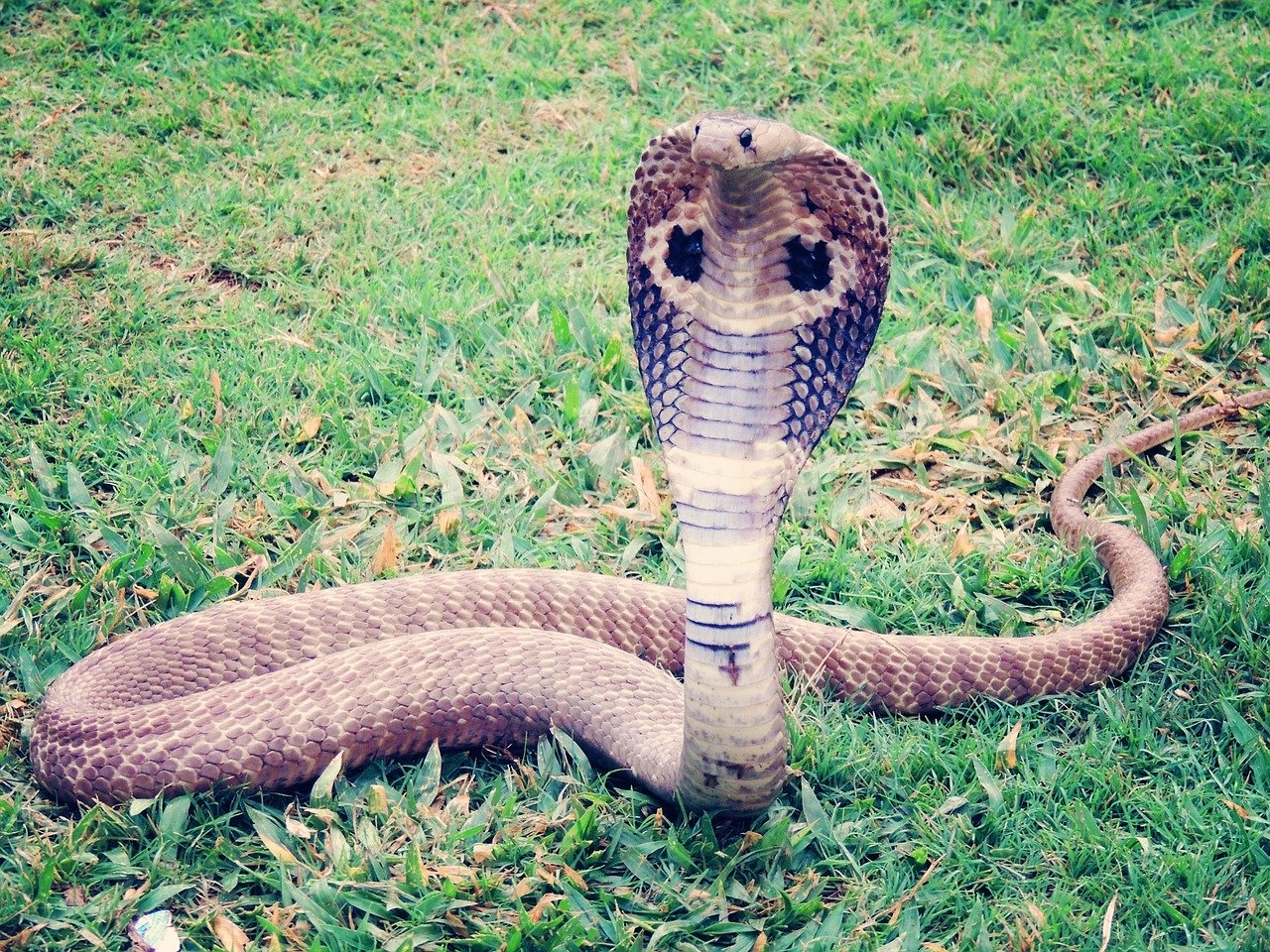
The king cobra, with its hooded spectacle and regal presence, is not just a snake; it’s a symbol of power and fear. Found in the forests of Southeast Asia, this snake can inject enough venom to kill an elephant with a single bite. Its venom is a potent neurotoxin that disrupts the transmission of nerve signals, leading to respiratory failure. The king cobra’s venom is designed to immobilize its prey quickly, and for humans, it’s a race against time to seek medical intervention. This majestic reptile is a testament to the raw power and beauty of nature’s design.
Inland Taipan: The Elusive Master of Lethality
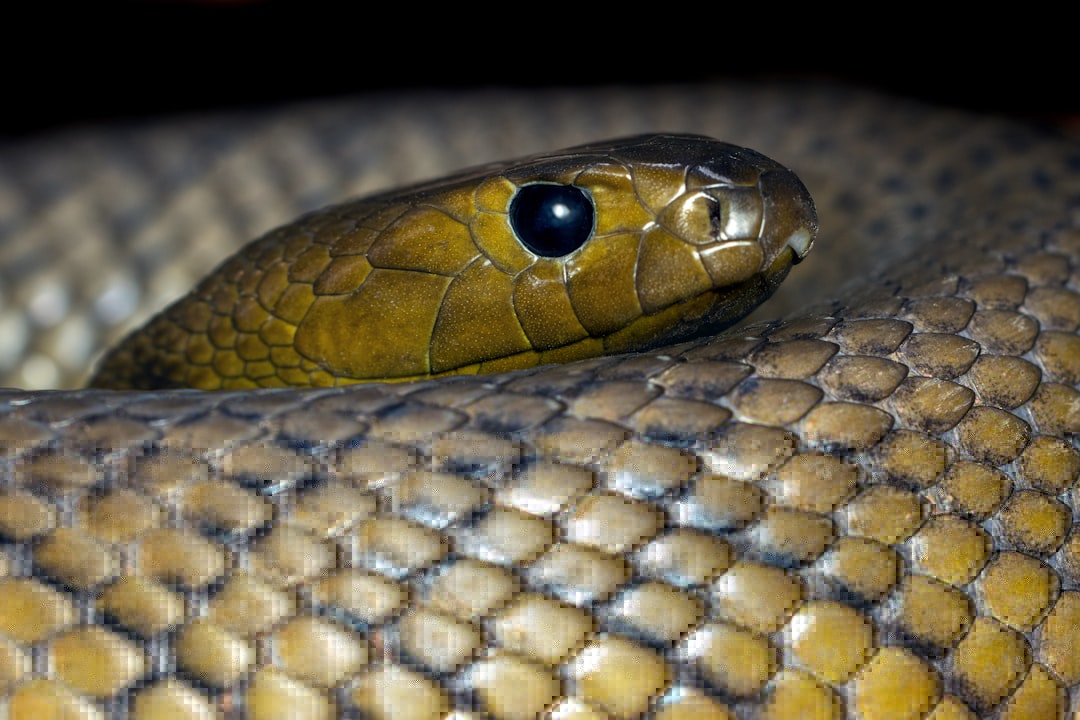
Known as the “fierce snake,” the inland taipan is a shy and reclusive serpent that holds the title of the world’s most venomous snake. Found in the arid regions of Australia, its venom is a complex mixture of neurotoxins, hemotoxins, and myotoxins. A single bite can deliver enough venom to kill dozens of humans, but fortunately, it rarely encounters people. The inland taipan’s venom works by preventing blood clotting and causing muscle paralysis, making it a master of lethality in the animal kingdom. Its elusive nature adds an air of mystery to its lethal reputation.
Stonefish: The Camouflaged Coastal Predator
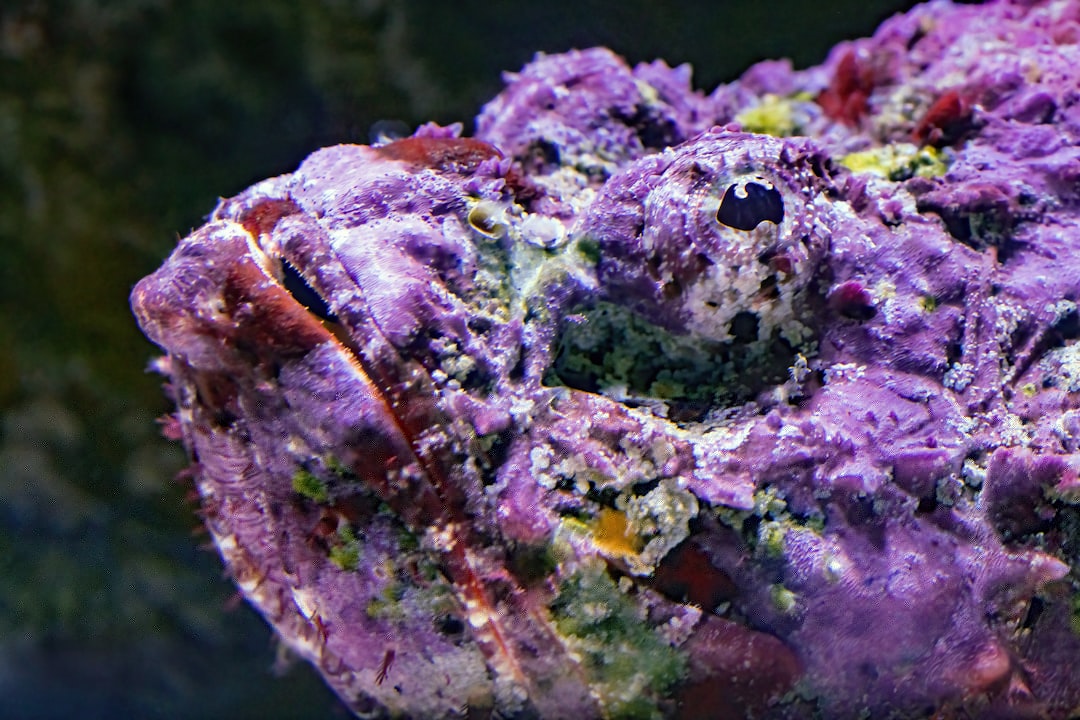
The stonefish is a master of disguise, blending seamlessly with the rocky seabeds of the Indo-Pacific. Its venomous spines are a defense mechanism against predators, delivering a potent toxin that can cause excruciating pain, tissue necrosis, and even cardiac arrest. Stepping on a stonefish is every beachgoer’s nightmare, as the venom can incapacitate a person within hours. The stonefish serves as a reminder of the hidden perils in our oceans and the importance of respecting marine habitats.
Blue-Ringed Octopus: The Tiny Terror of the Tides
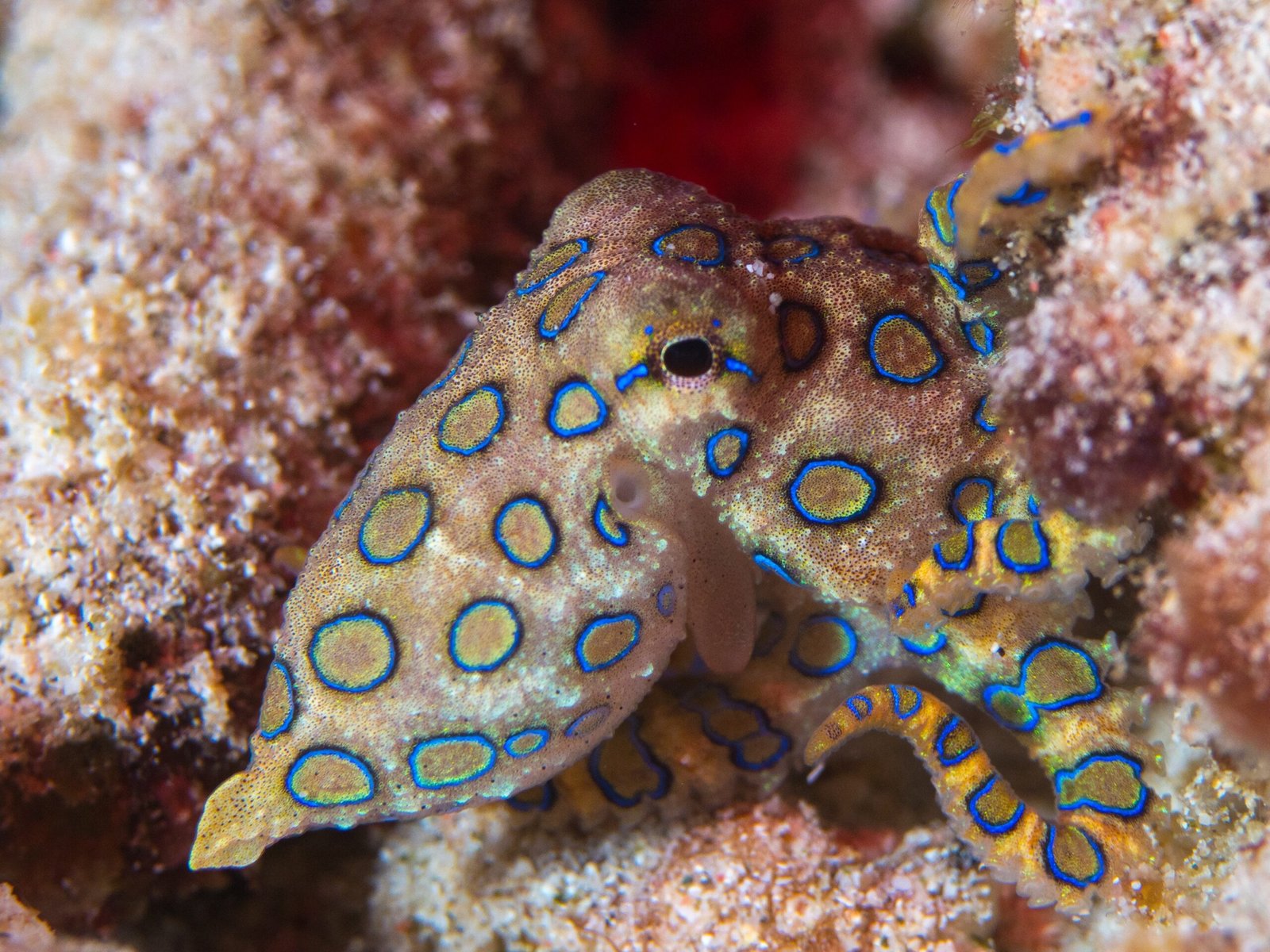
Despite its diminutive size, the blue-ringed octopus is a formidable predator with a venom that can kill a human in minutes. This colorful cephalopod sports iridescent blue rings as a warning sign, a testament to its deadly capabilities. Its venom contains tetrodotoxin, a powerful neurotoxin that causes muscle paralysis and respiratory failure. There is no known antidote, making encounters with this tiny terror particularly dangerous. The blue-ringed octopus is a vivid example of how nature often uses the smallest creatures to wield the greatest threats.
Brazilian Wandering Spider: The Aggressive Arachnid
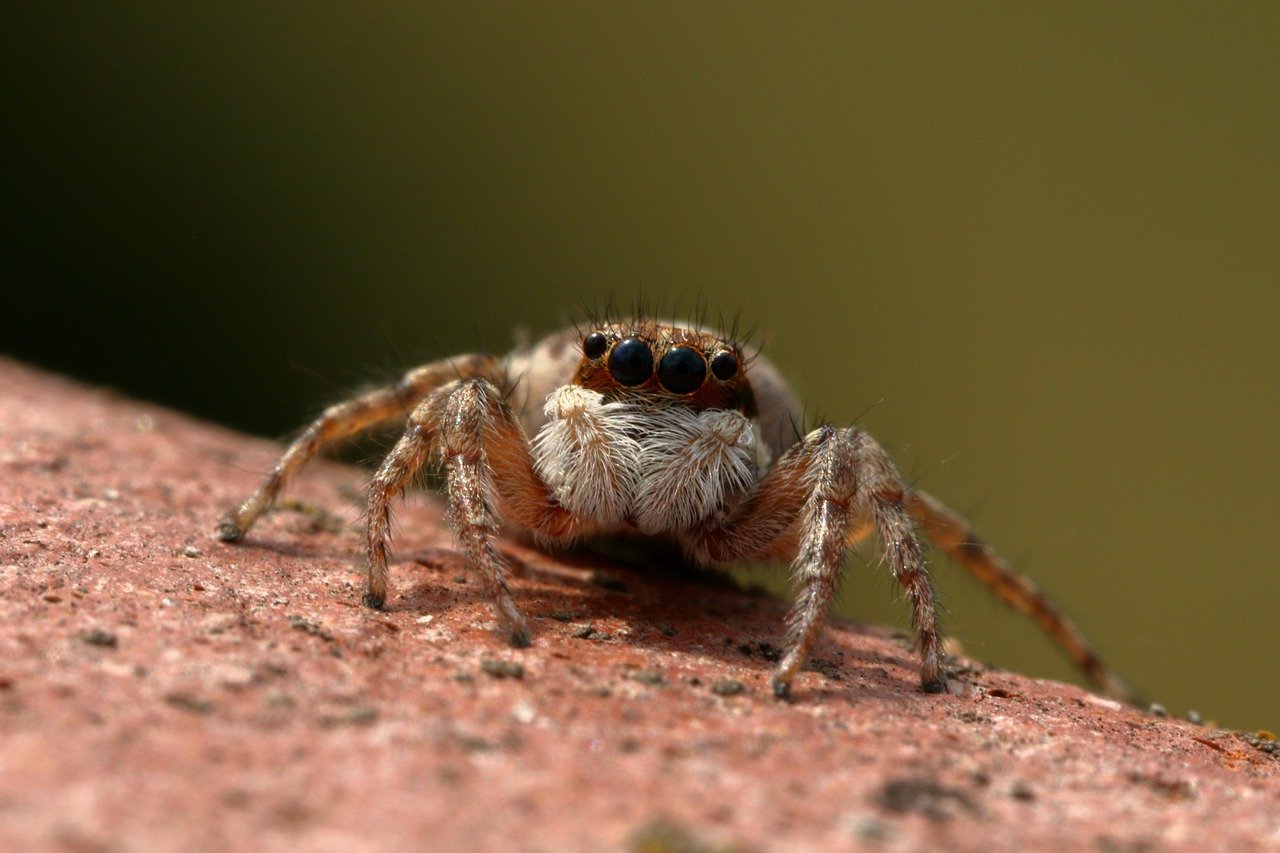
The Brazilian wandering spider, also known as the “banana spider,” is not one to shy away from confrontation. Found in the tropical jungles of South America, this spider is notorious for its aggressive behavior and potent venom. Its venom contains a cocktail of neurotoxins that can cause intense pain, muscle paralysis, and in severe cases, death. What sets this spider apart is its tendency to wander into human habitats, leading to unexpected and potentially dangerous encounters. The Brazilian wandering spider is a reminder of the wild, untamed nature of the world’s rainforests.
Deathstalker Scorpion: The Desert’s Deadly Stinger
The deathstalker scorpion, with its menacing name, inhabits the arid deserts of North Africa and the Middle East. Its venom is a potent mix of neurotoxins that can cause extreme pain, convulsions, and even death in young children or those with weakened immune systems. Despite its fearsome reputation, the deathstalker’s venom is being studied for potential medical applications, including cancer treatment. This dual nature of danger and potential healing highlights the complex role of venom in the natural world.
Marbled Cone Snail: The Ocean’s Venomous Jewel
The marbled cone snail is a beautiful yet deadly inhabitant of coral reefs, armed with a harpoon-like tooth that delivers venom with precision. Just one drop of its venom can kill 20 humans, making it one of the most dangerous marine animals. The venom contains conotoxins that can cause muscle paralysis, respiratory failure, and death. Despite its lethality, the marbled cone snail’s venom holds promise for medical research, offering potential breakthroughs in pain management. This duality of beauty and danger encapsulates the enigmatic nature of the sea.
Pufferfish: The Deceptively Cute Killer
The pufferfish is a curious and seemingly harmless creature, yet it harbors a deadly secret: tetrodotoxin. This potent neurotoxin is found in its organs and skin, posing a lethal threat to predators and humans alike. In Japan, pufferfish, or “fugu,” is considered a delicacy, but only highly trained chefs can prepare it safely. Just a small amount of its toxin can cause paralysis and death, making it a culinary risk for the adventurous. The pufferfish is a reminder that danger often lurks beneath the surface of seemingly innocent appearances.
Black Mamba: The Fast and Furious Serpent
The black mamba, a snake synonymous with speed and aggression, is one of Africa’s most feared predators. Its venom is a potent neurotoxin that can cause paralysis and respiratory failure within hours. Known for its rapid strikes and territorial nature, the black mamba is a formidable foe in the wild. Despite its fearsome reputation, it plays a crucial role in controlling rodent populations. The black mamba embodies the fine line between fear and respect that defines our relationship with the natural world.
Conclusion
In conclusion, the world of venomous animals is as fascinating as it is perilous. These creatures have evolved their deadly abilities to survive and thrive in a competitive world, and their venom can have profound effects on humans. Whether it’s the nearly invisible box jellyfish or the majestic king cobra, each venomous animal tells a story of adaptation, survival, and the intricate dance of life and death in nature.