The hustle and bustle of urban life often makes us overlook the small wonders that thrive around us. Among these wonders are urban plants that, unbeknownst to many, are not only edible but also packed with nutrients. These plants, often dismissed as mere weeds or ornamental foliage, hold secrets passed down through generations. By exploring these hidden treasures, we can reconnect with nature and rediscover the forgotten knowledge of our ancestors. Join me as we delve into the world of urban flora and unveil the edible gems hiding in plain sight.
Dandelion: The Ubiquitous Powerhouse
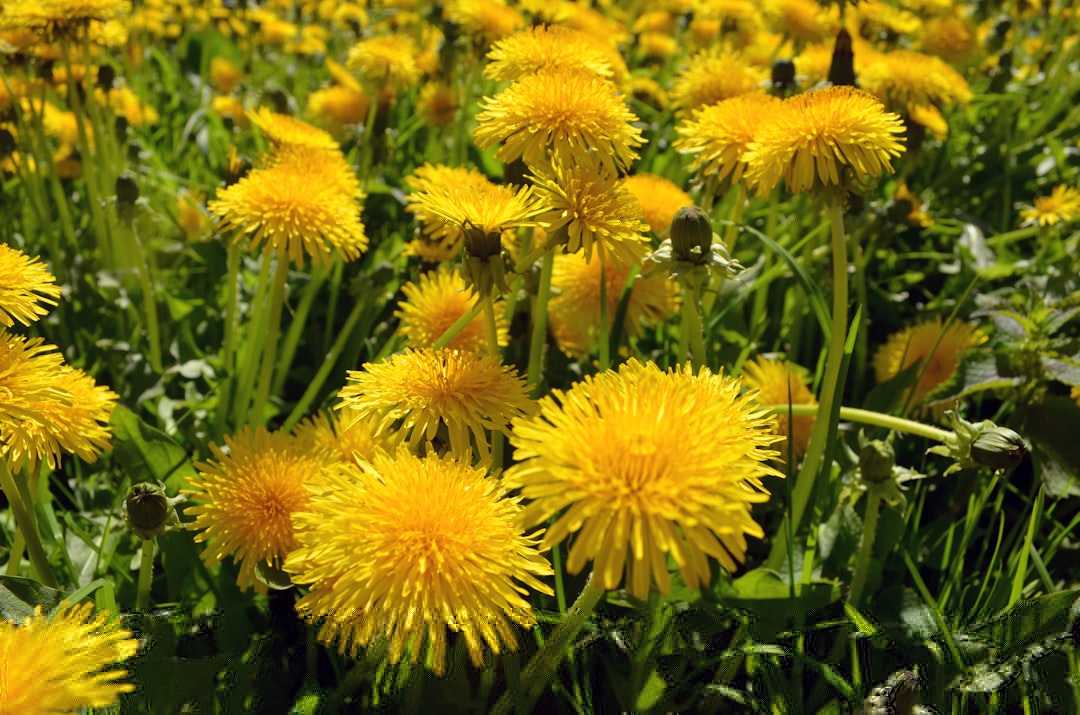
Dandelions are more than just pesky weeds that invade our gardens and sidewalks. These bright yellow flowers, with their fluffy seed heads, are edible from root to flower. Rich in vitamins A, C, and K, dandelions also contain significant amounts of calcium and iron. Their leaves can be used in salads, adding a slightly bitter but refreshing taste. The roots, when dried and roasted, can be brewed into a coffee substitute, offering a caffeine-free alternative. Dandelions have been used in traditional medicine for centuries, known for their detoxifying properties. This common urban plant is not only a nutritional powerhouse but also a testament to the resilience of nature.
Chickweed: The Delicate Green
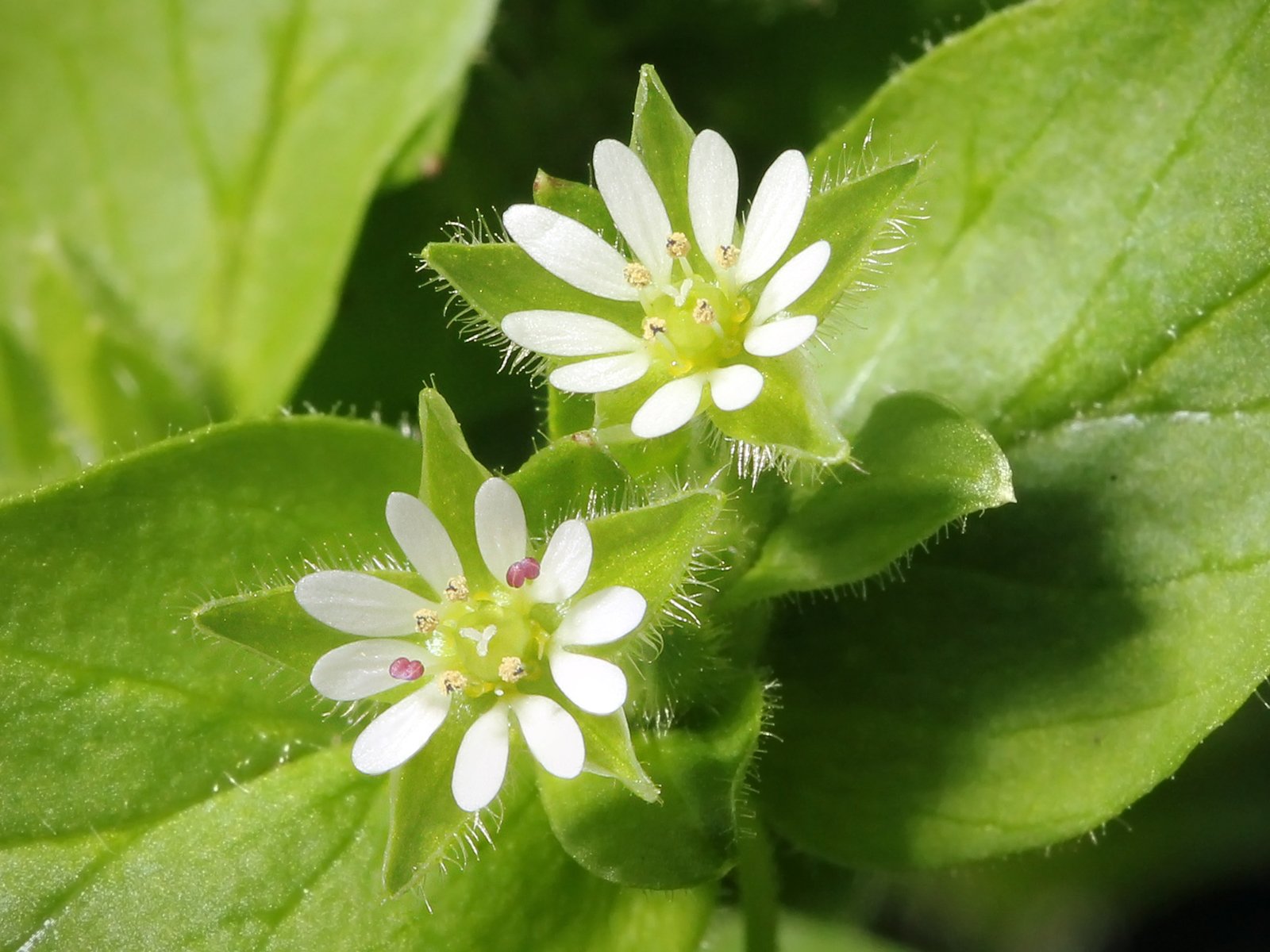
Often found in the cracks of sidewalks or flourishing in urban gardens, chickweed is a delicate plant with small white flowers. Its mild, slightly sweet flavor makes it a versatile addition to salads, sandwiches, and soups. Chickweed is packed with vitamins, including A, C, and various B vitamins, making it a nutritious choice for urban foragers. Additionally, its anti-inflammatory properties have been celebrated in herbal medicine for treating skin irritations. With its soft, tender leaves, chickweed offers a gentle introduction to the world of edible urban plants.
Purslane: The Omega-Rich Groundcover
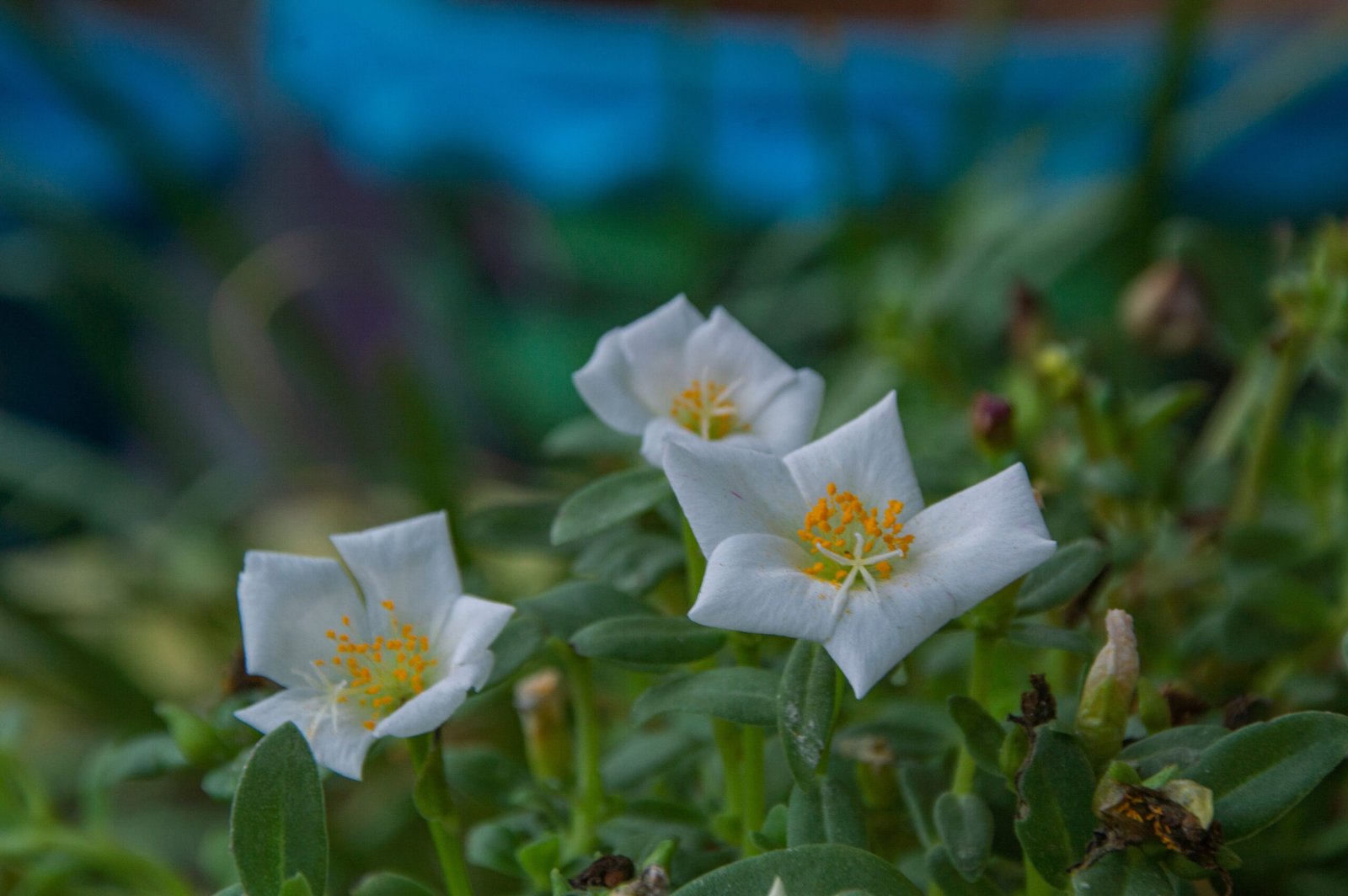
Purslane is a succulent plant often found creeping along sidewalks and garden beds. Its plump, juicy leaves are a surprising source of omega-3 fatty acids, making it a valuable plant for vegetarians and vegans. Purslane’s slightly tangy and lemony flavor pairs well with salads and stir-fries. Beyond its culinary uses, purslane is rich in antioxidants, helping to combat oxidative stress in the body. This resilient plant thrives in harsh conditions, symbolizing the adaptability of nature in urban environments.
Lamb’s Quarters: The Urban Spinach
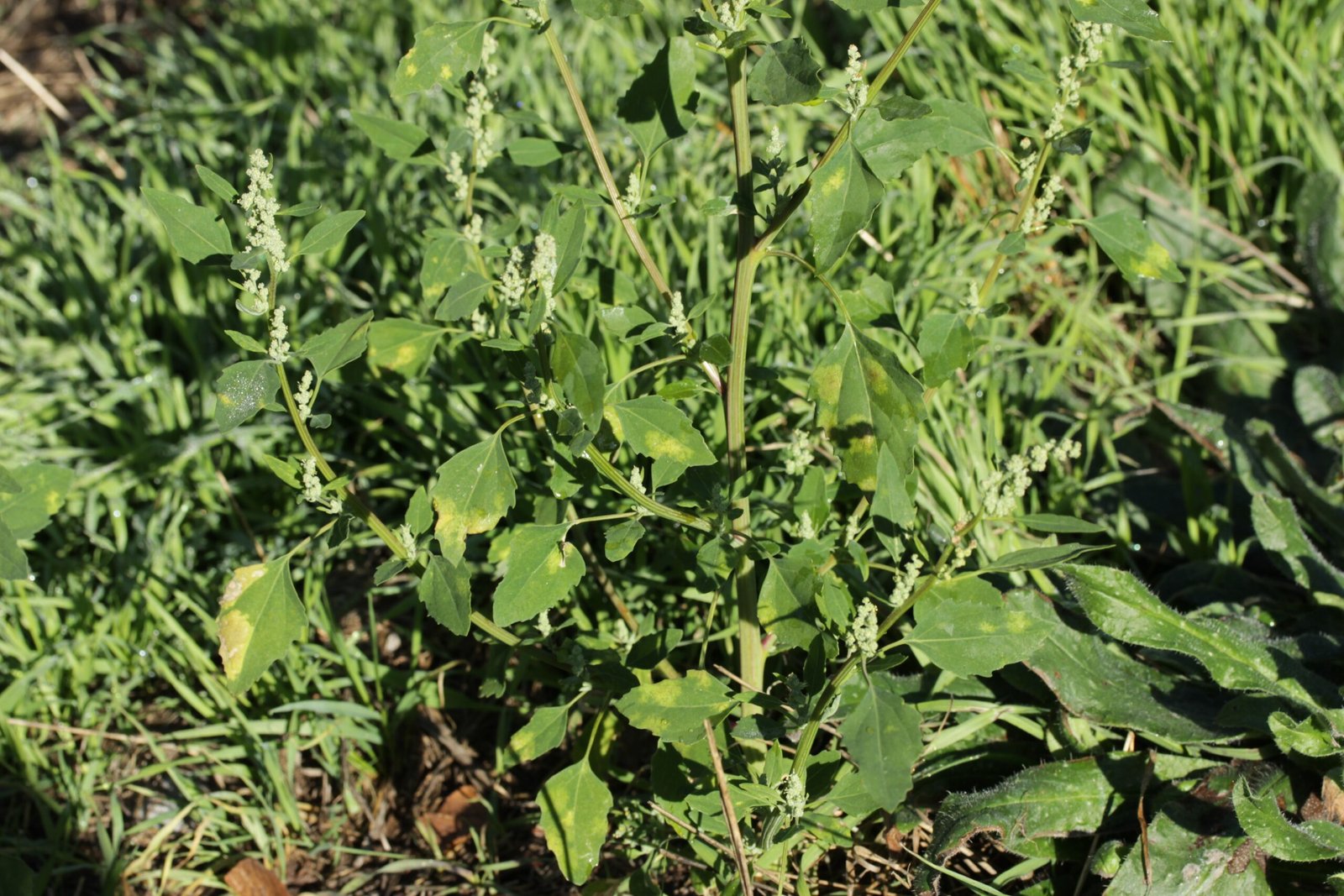
Lamb’s quarters, often mistaken for a weed, is a leafy green that rivals spinach in taste and nutrition. Its leaves are rich in vitamins A, C, and K, as well as minerals like calcium and magnesium. This plant’s earthy flavor makes it a versatile ingredient in soups, stews, and sautés. Historically, lamb’s quarters were a staple food for indigenous peoples and early settlers. By embracing this common urban plant, we can reconnect with culinary traditions that honor the land’s bounty.
Nettle: The Stingy Superfood
Though nettles are notorious for their sting, they are a nutritional powerhouse when prepared correctly. Packed with iron, calcium, and protein, nettles can be used in teas, soups, and even pesto. Cooking or drying nettles neutralizes their sting, making them safe to consume. Known for their anti-inflammatory properties, nettles have been used in traditional remedies for arthritis and allergies. This prickly plant challenges us to look beyond appearances and discover the hidden benefits it offers.
Clover: The Lucky Edible
Clover, with its iconic trifoliate leaves, is more than just a symbol of luck. Both the leaves and flowers of clover are edible, offering a mild, grassy flavor. Rich in vitamins A and C, clover can be added to salads or brewed into a refreshing tea. Its flowers, when dried, can be used to make a sweet clover syrup. Clover has been used in herbal medicine to support respiratory health and promote detoxification. This common urban plant reminds us that fortune can be found in unexpected places.
Plantain: The Versatile Healer
Not to be confused with the banana-like fruit, the plantain is a small, leafy plant often found in urban areas. Its broad leaves can be eaten raw or cooked, offering a slightly bitter taste. Plantain is rich in vitamins A and C, as well as calcium and potassium. Known for its soothing properties, plantain has been used to treat insect bites, cuts, and skin irritations. This humble plant serves as a reminder of the healing power of nature, waiting to be rediscovered in our cities.
Wood Sorrel: The Tangy Treat
Wood sorrel is a small plant with heart-shaped leaves and delicate yellow flowers. Its tangy, lemon-like flavor makes it a delightful addition to salads and sauces. Wood sorrel is high in vitamin C, making it a natural choice for boosting immunity. While it should be consumed in moderation due to its oxalic acid content, wood sorrel offers a refreshing burst of flavor that brightens any dish. This plant invites us to pause and appreciate the small, vibrant details of urban nature.
Shepherd’s Purse: The Heart-Shaped Surprise
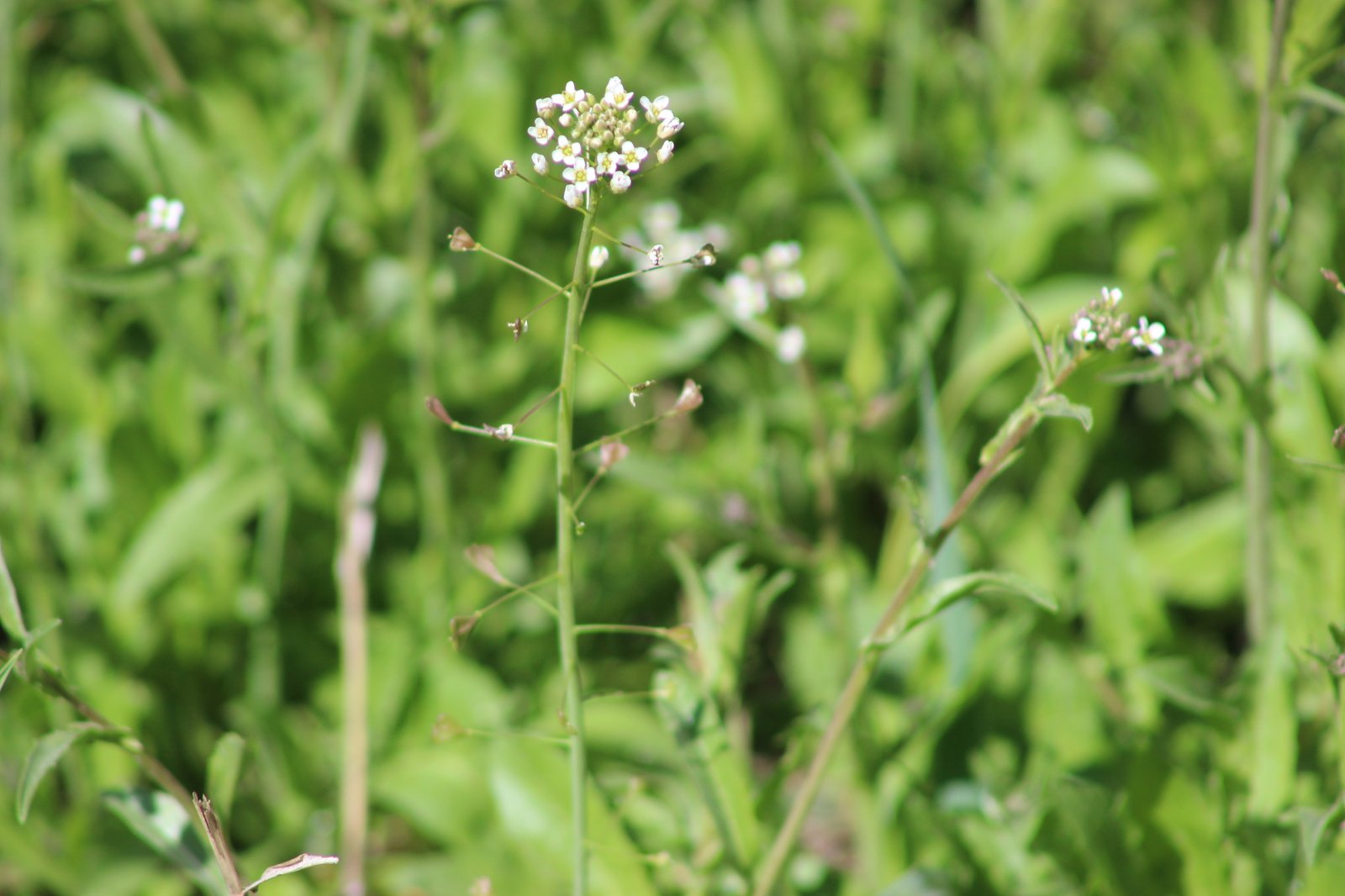
Named for its heart-shaped seed pods, shepherd’s purse is a common urban plant with a peppery flavor. Its leaves can be used in salads or cooked as a spinach substitute. Rich in vitamin K and iron, shepherd’s purse has been used in traditional medicine to promote blood clotting and support cardiovascular health. This resilient plant thrives in disturbed soils, symbolizing the persistence of life in challenging environments. By embracing shepherd’s purse, we acknowledge the hidden potential of urban landscapes.
Violet: The Colorful Edible
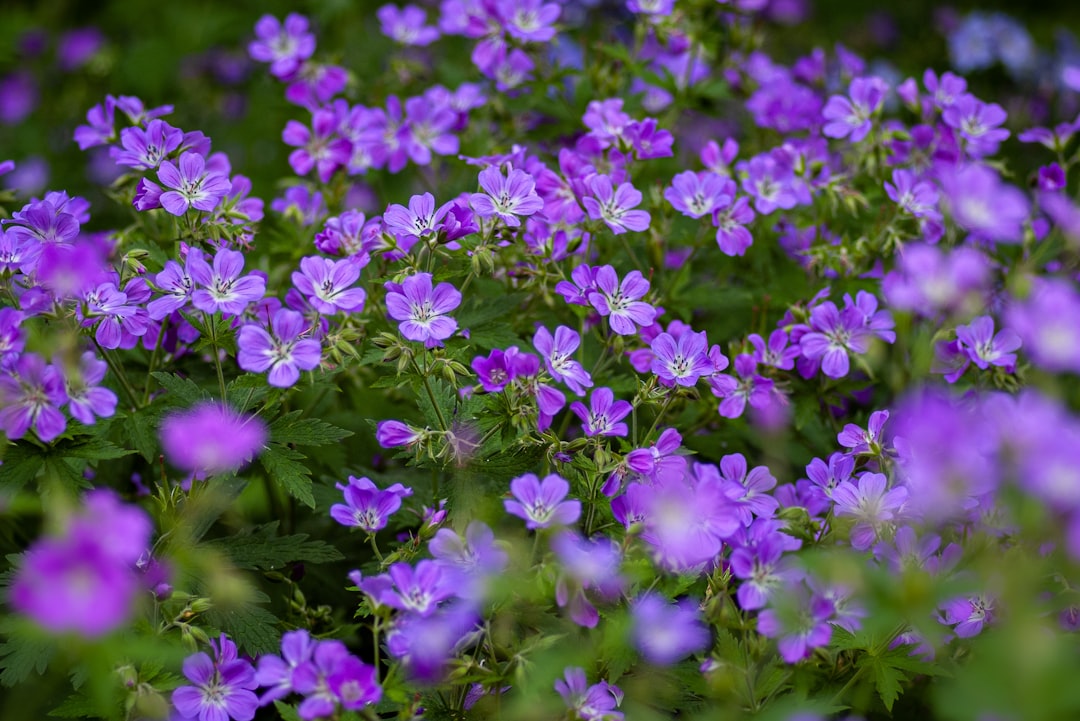
Violets, with their vibrant purple flowers, are not only visually striking but also edible. Both the leaves and flowers can be consumed, offering a mild, sweet flavor. Violets are rich in vitamins A and C, making them a nutritious addition to salads or desserts. The flowers can be candied or used as a garnish, adding a touch of elegance to culinary creations. Violets have been used in traditional remedies to soothe respiratory ailments and promote relaxation. This colorful plant encourages us to find beauty and nourishment in the world around us.
Conclusion: Embracing the Edible Treasures of Urban Nature
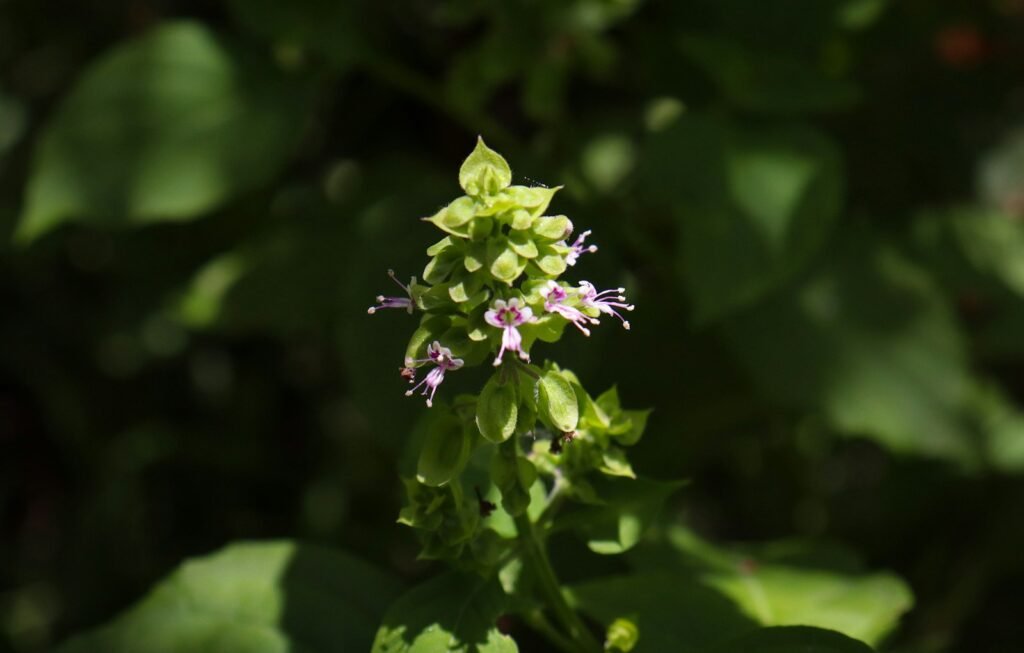
Urban landscapes are teeming with edible plants that often go unnoticed, dismissed as mere weeds or ornamental greenery. Yet, these resilient plants offer incredible nutritional value, medicinal benefits, and culinary potential. By learning to recognize and utilize them, we can reconnect with nature, embrace sustainable food sources, and revive traditional knowledge passed down through generations. Whether it’s the tangy bite of wood sorrel, the nutrient-rich leaves of lamb’s quarters, or the delicate sweetness of violets, urban plants remind us that food and medicine are all around us—waiting to be rediscovered. So, the next time you take a stroll through the city, take a closer look; you might just find a hidden feast growing at your feet.