The Indian Ocean islands, a spectacular tapestry of biodiversity, are home to a multitude of unique flora and fauna. However, this paradise is under threat. The transformation of land for agriculture, urban development, and other human activities has significantly impacted habitats. The delicate balance between nature and human needs is teetering on the edge, and understanding how these changes have led to habitat destruction is crucial. Let’s delve into the intricate ways land use changes have reshaped these islands.
Historical Overview of Land Use in the Indian Ocean Islands
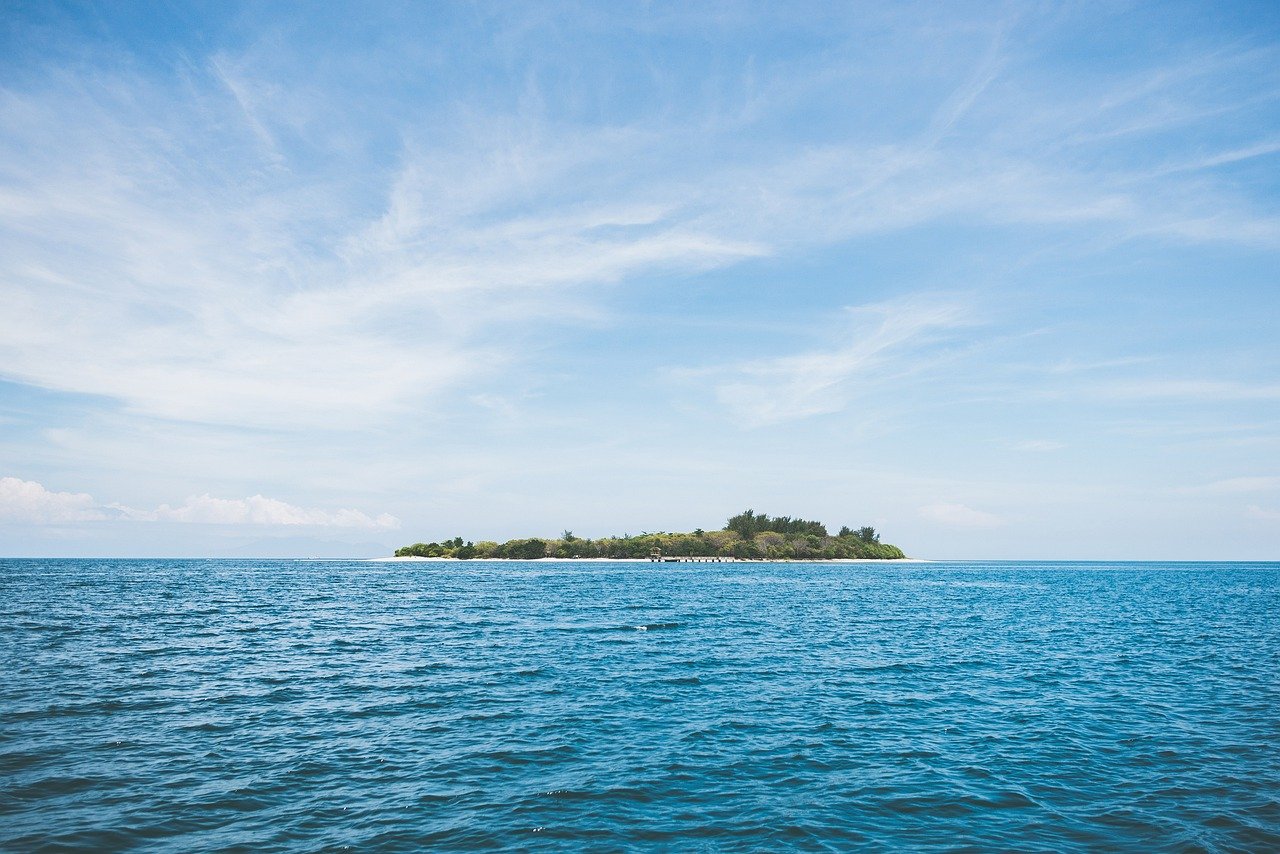
Historically, the Indian Ocean islands were lush with dense forests and vibrant ecosystems. Indigenous communities lived in harmony with nature, utilizing resources sustainably. However, with colonization and subsequent industrial developments, the narrative shifted. The demand for land increased, leading to widespread deforestation. The introduction of cash crops altered traditional agricultural practices, paving the way for monocultures that stripped the land of its natural diversity. Today, the echoes of these historical changes are evident in the fragmented landscapes.
The Impact of Agriculture on Native Habitats
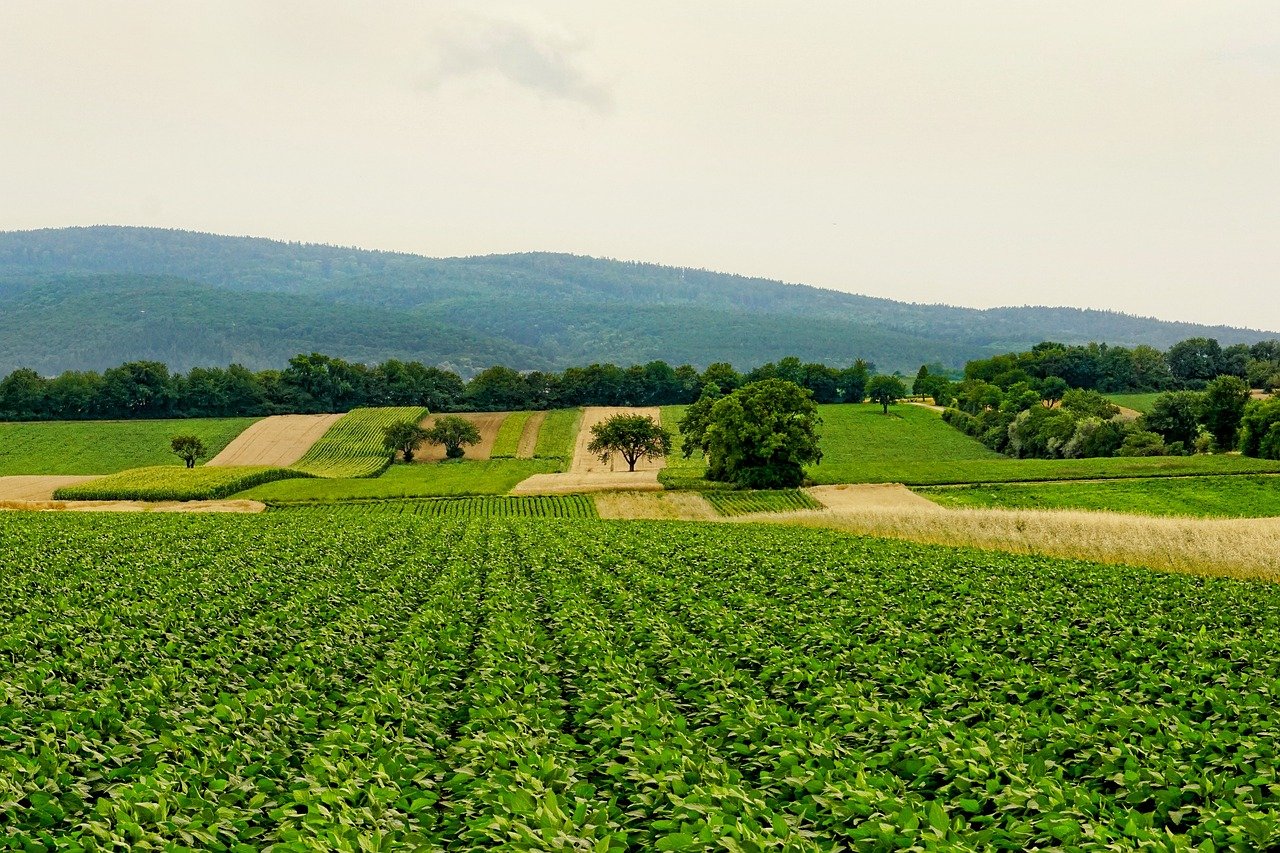
Agriculture has been both a boon and a bane for the Indian Ocean islands. While it supports local economies, it has also been a primary driver of habitat destruction. The conversion of forests into farmland has resulted in the loss of vital ecosystems. Monoculture farming practices have further exacerbated the issue, depleting soil nutrients and diminishing biodiversity. As native plants and animals lose their homes, the ecological balance is disrupted, leading to a cascade of environmental challenges.
Urbanization: A Double-Edged Sword

Urbanization is often seen as a symbol of progress, yet it comes at a steep environmental cost. As cities expand, they encroach upon natural habitats, displacing wildlife and altering landscapes. The construction of infrastructure, such as roads and buildings, fragments habitats, making it difficult for species to thrive. Additionally, urban sprawl increases pollution levels, further threatening the delicate ecosystems of the islands. The challenge lies in finding sustainable ways to accommodate growing populations without sacrificing natural habitats.
Tourism and Its Environmental Footprint
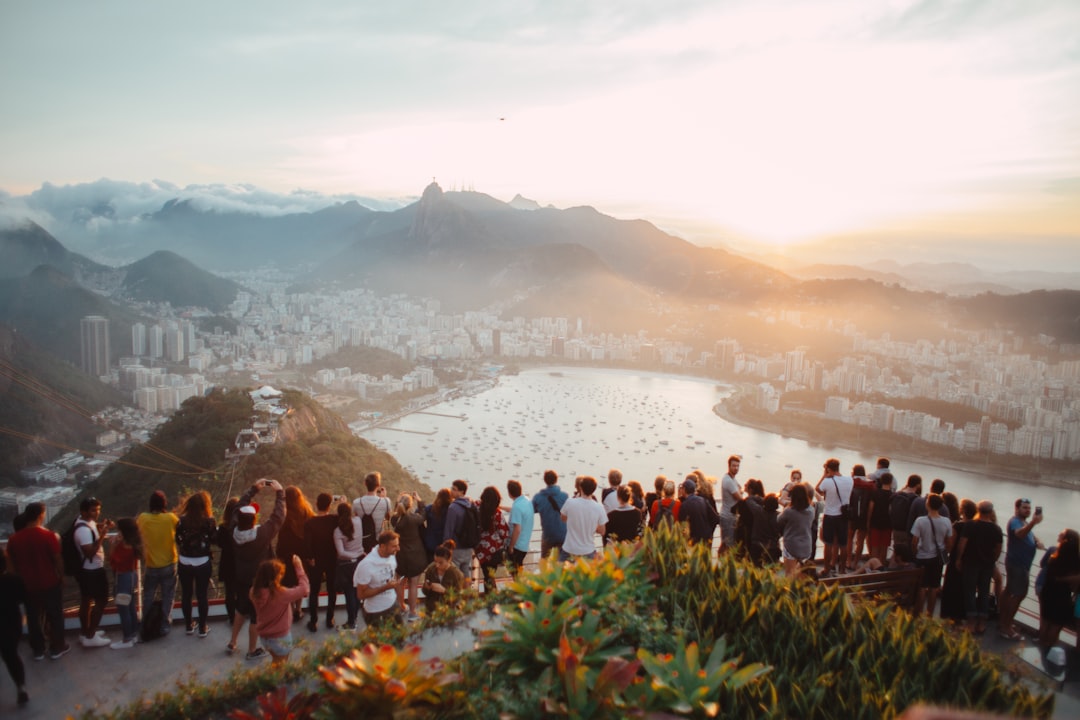
The allure of the Indian Ocean islands as tourist destinations has brought economic benefits, but also environmental concerns. The development of resorts and recreational facilities often leads to the destruction of coastal habitats. Coral reefs, mangroves, and beaches are particularly vulnerable to such changes. Furthermore, the influx of tourists increases waste and resource consumption, putting additional pressure on already strained ecosystems. Sustainable tourism practices are essential to preserving the natural beauty that draws visitors to these islands.
Deforestation: A Silent Catastrophe
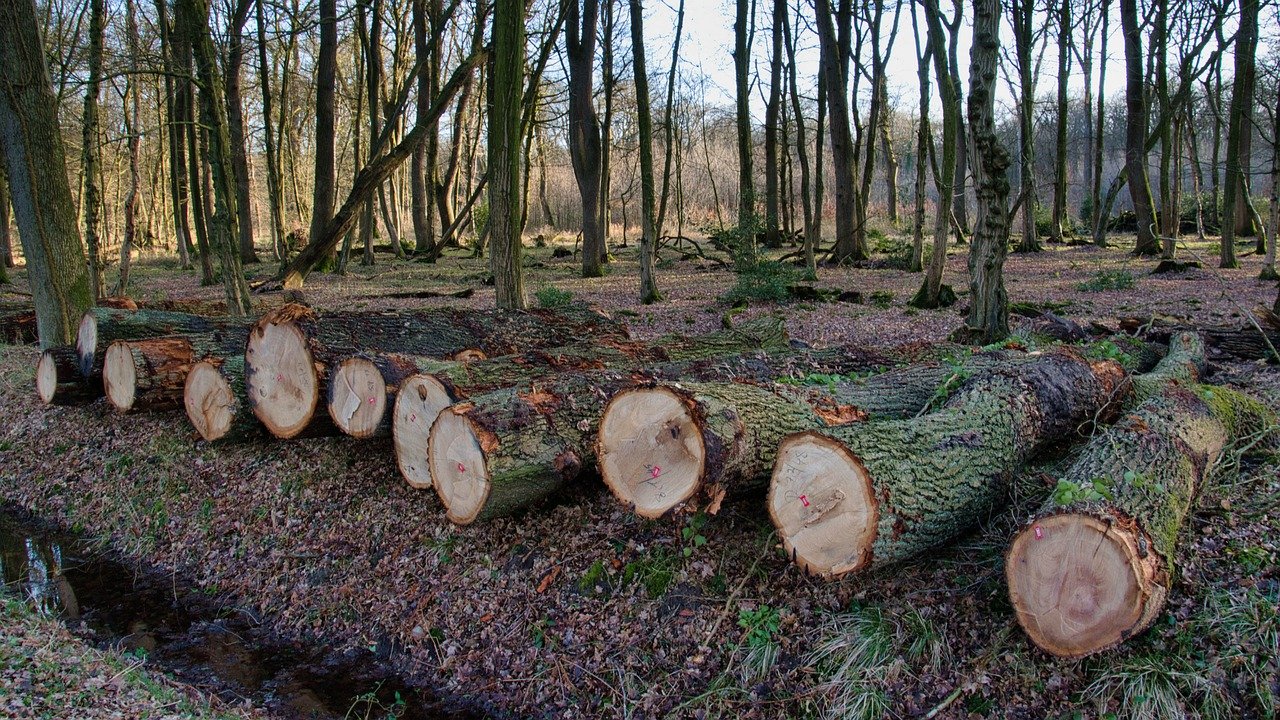
Deforestation in the Indian Ocean islands is a silent catastrophe that often goes unnoticed. The removal of trees for timber, agriculture, and development has far-reaching consequences. Forests act as carbon sinks, absorbing carbon dioxide and mitigating climate change. Their destruction not only releases stored carbon but also reduces the islands’ resilience to climate impacts. The loss of trees also leads to soil erosion, affecting water quality and availability. Addressing deforestation is critical to maintaining ecological stability.
Climate Change: An Exacerbating Factor
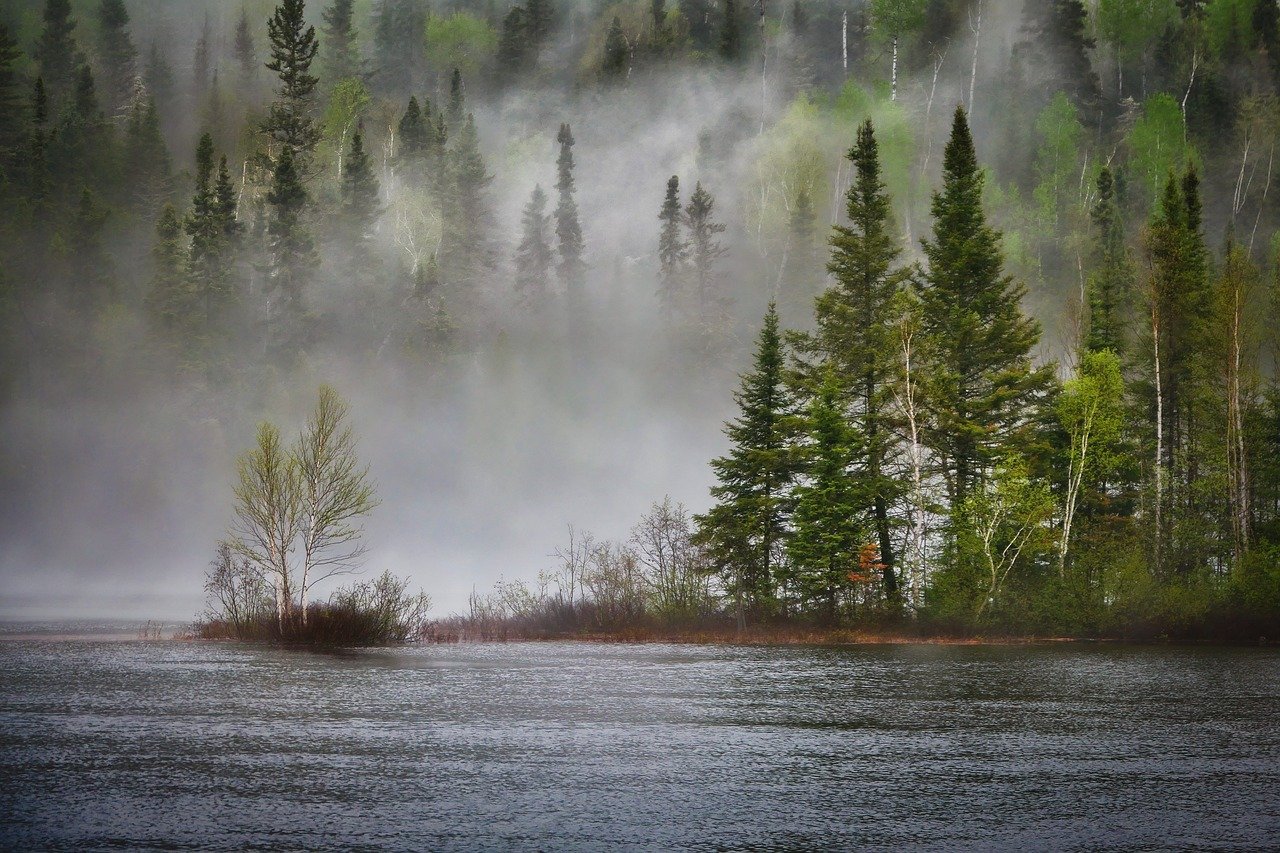
Climate change is an exacerbating factor that intensifies the effects of habitat destruction. Rising temperatures and changing rainfall patterns alter ecosystems, making them more vulnerable to human activities. Sea level rise threatens coastal habitats, while increased frequency of extreme weather events can devastate fragile ecosystems. The Indian Ocean islands are particularly susceptible to these changes, underscoring the need for urgent action to mitigate climate impacts and protect natural habitats.
Invasive Species: Unwelcome Guests
The introduction of invasive species is another consequence of land use changes. As natural habitats are disrupted, non-native species find opportunities to thrive, often at the expense of native flora and fauna. These invasive species can outcompete local species for resources, leading to declines in biodiversity. The delicate ecosystems of the Indian Ocean islands are especially vulnerable to such invasions, highlighting the importance of monitoring and managing invasive species to preserve native habitats.
Conservation Efforts and Their Challenges

Conservation efforts are underway to address habitat destruction, but they face significant challenges. Limited resources, political constraints, and competing interests often impede progress. Community involvement is crucial for successful conservation, yet aligning the needs of people with environmental goals is complex. Despite these hurdles, initiatives focusing on reforestation, habitat restoration, and sustainable practices offer hope. Collaborative efforts are essential to ensure the long-term preservation of the islands’ unique ecosystems.
The Role of Education and Awareness
Education and awareness play a pivotal role in addressing habitat destruction. Informing communities about the ecological value of their natural surroundings fosters a sense of stewardship. Environmental education programs can empower individuals to make sustainable choices and advocate for policies that protect habitats. By raising awareness, we can cultivate a culture of conservation that transcends generations, ensuring that the beauty and biodiversity of the Indian Ocean islands endure.
A Call to Action for Sustainable Land Use
The path forward requires a collective commitment to sustainable land use practices. Policymakers, communities, and individuals must work together to balance development with ecological preservation. Implementing strategies such as agroforestry, eco-friendly urban planning, and sustainable tourism can mitigate the impacts of habitat destruction. By prioritizing the health of ecosystems, we can secure a future where both people and nature thrive on the Indian Ocean islands.