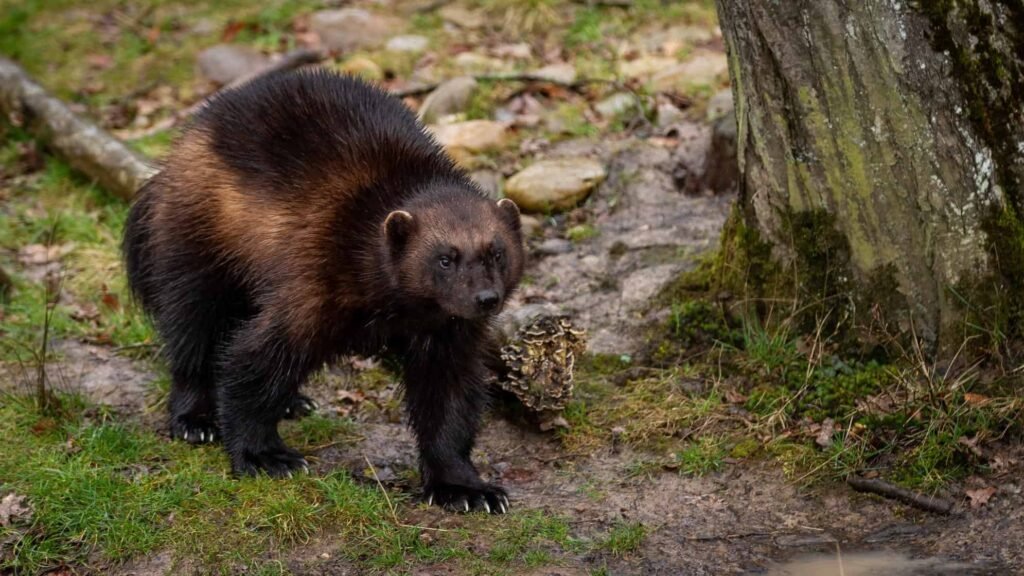
Wolverines, solitary by nature and mysterious in demeanor, haunt the rugged terrains of Montana, leaving behind only subtle whispers of their presence. These elusive predators, much like their cinematic namesakes, evoke an aura of resilience and wild vigor. However, beneath this stoic exterior, wolverines face unprecedented challenges as climate change threatens the snowclad habitats they so dependently call home. This article delves into the world of Montanan wolverines, exploring their unique characteristics, behaviors, and the pressing climate challenges they face.
Introducing Montana’s Elusive Predator
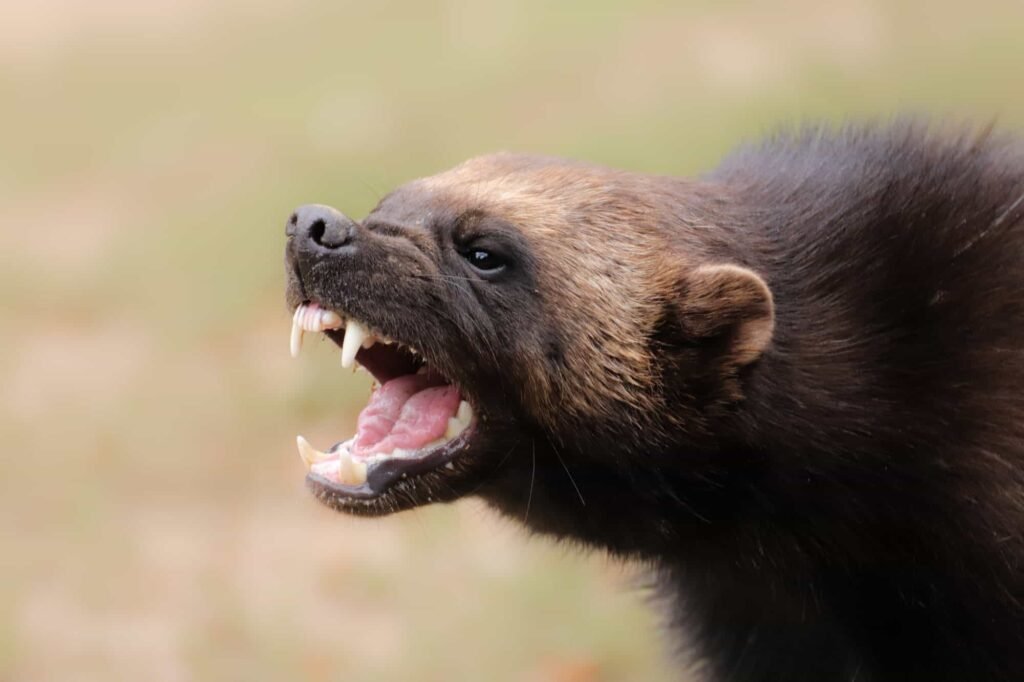
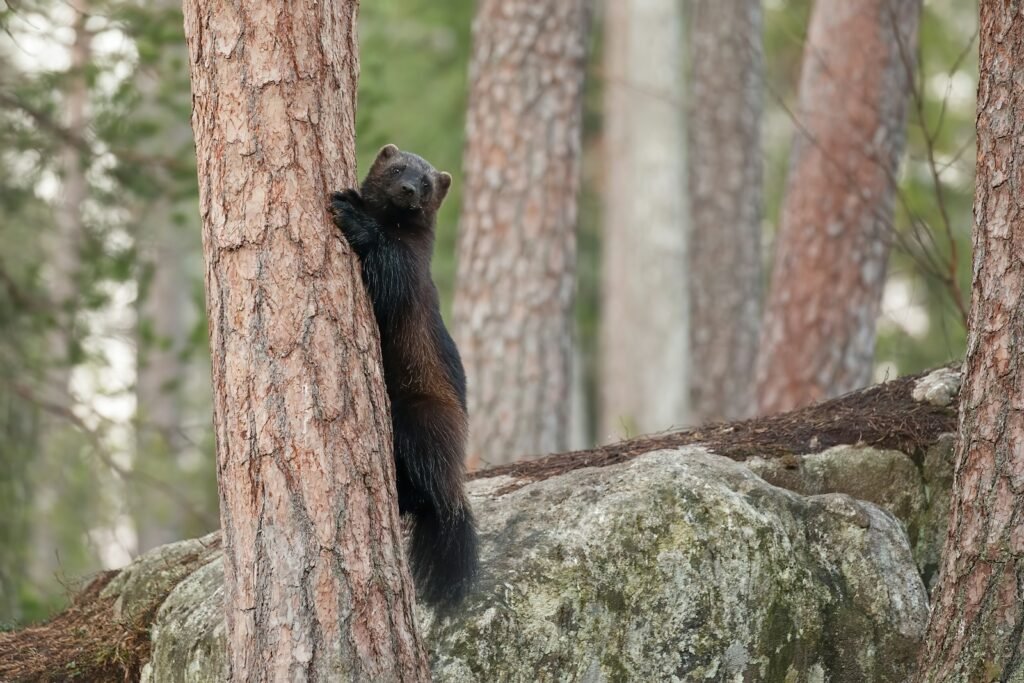
Montana’s vast wilderness, adorned with jagged peaks and alpine forests, serves as a crucial stronghold for the North American wolverine (Gulo gulo). With their dense fur, stocky builds, and remarkable tenacity, wolverines are spectacularly adapted to survive in some of the harshest environments. These fierce carnivores are small—reaching only about 40 pounds—but they are renowned for their impressive strength and fearless disposition.
Unique Characteristics of Wolverines
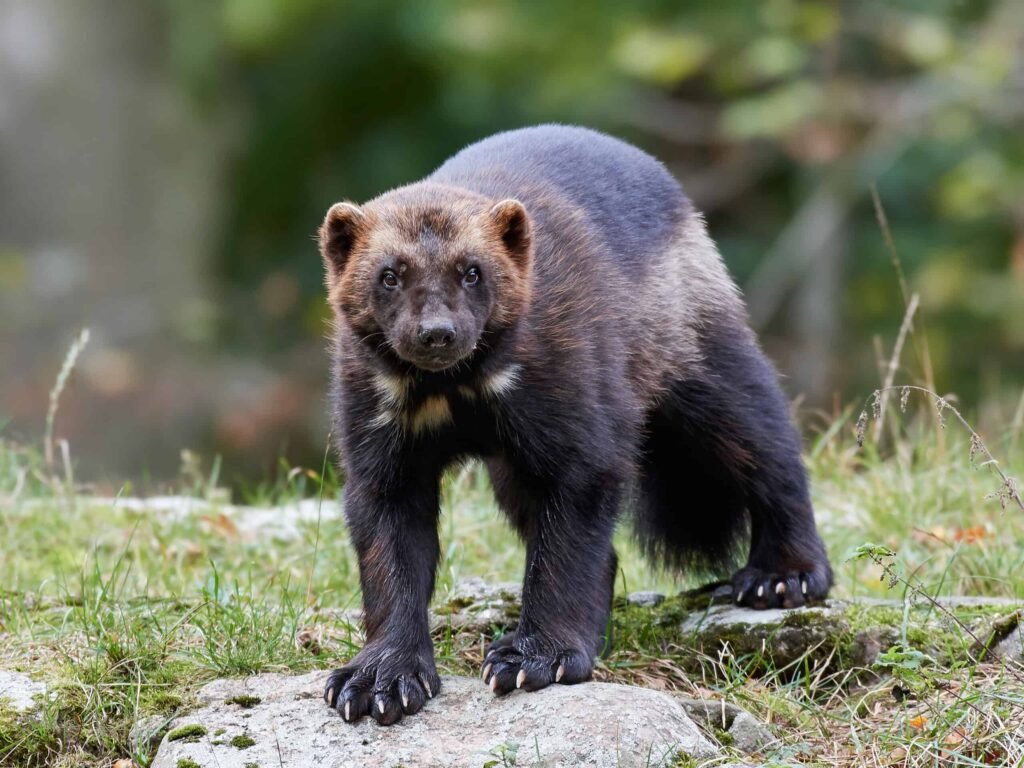
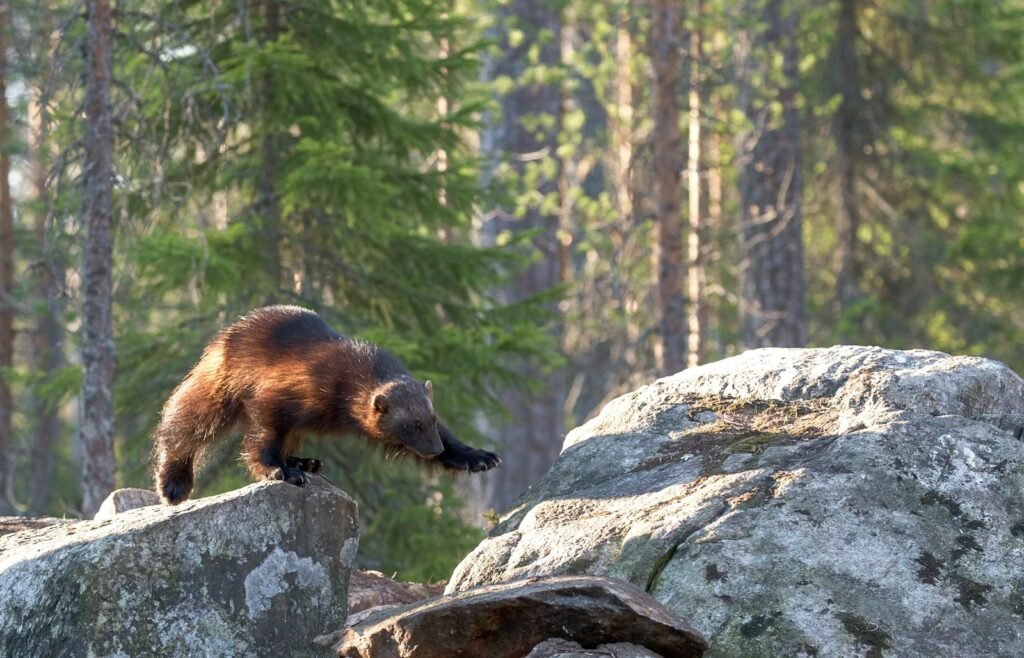
Wolverines possess unique adaptations that allow them to thrive in cold climates. Their feet are large and wide, functioning almost like snowshoes, which helps them navigate through dense snow. Their thick fur, oil-repellent and frost-resistant, provides exceptional insulation against freezing temperatures. These features not only underscore the wolverine’s adeptness as a cold-weather survivor but also highlight their vulnerability to warming climates.
Behavioral Traits and Habitat Preferences
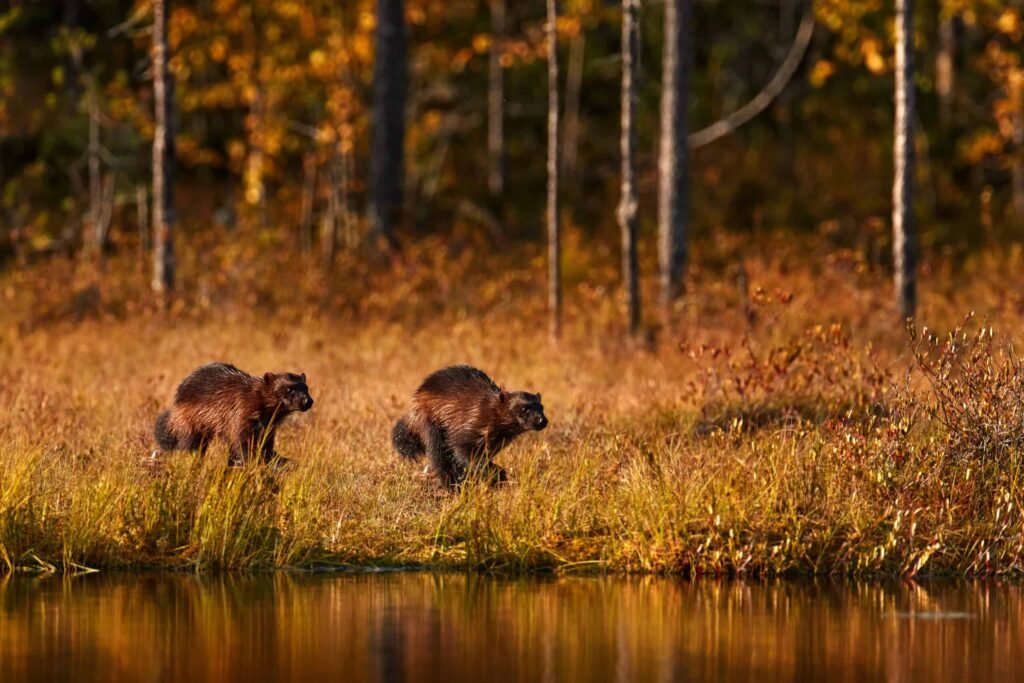
Despite their reputation as solitary creatures, wolverines have complex social behaviors, often overlapping territories with kin. They roam vast areas in search of food, primarily scavenging carrion but also hunting small mammals. Wolverines prefer alpine tundra and boreal forests, terrains where snow persists much of the year. This dependency on cold, snowy habitats makes them particularly sensitive to climate change.
The Impact of Climate Change
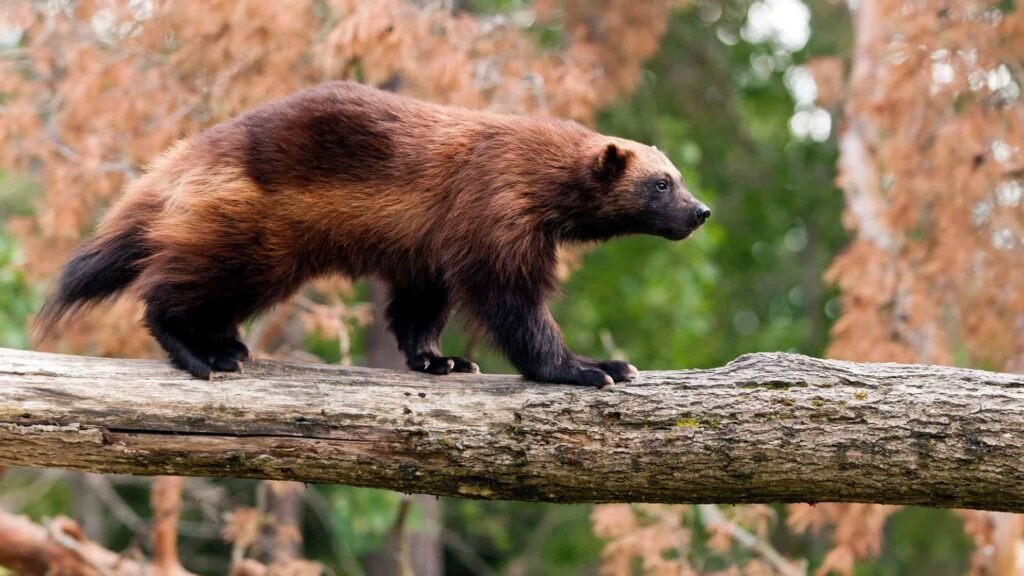
As global temperatures rise, the implications for wolverines in Montana are profound. Warmer winters decrease snowpack, crucial for denning, and can lead to altered ecosystem dynamics that impact prey availability. Climate change threatens not only the biological needs of wolverines but also the basic essence of their habitat. The shrinking of these frozen landscapes poses an existential threat to their survival.
Conservation Efforts and Challenges
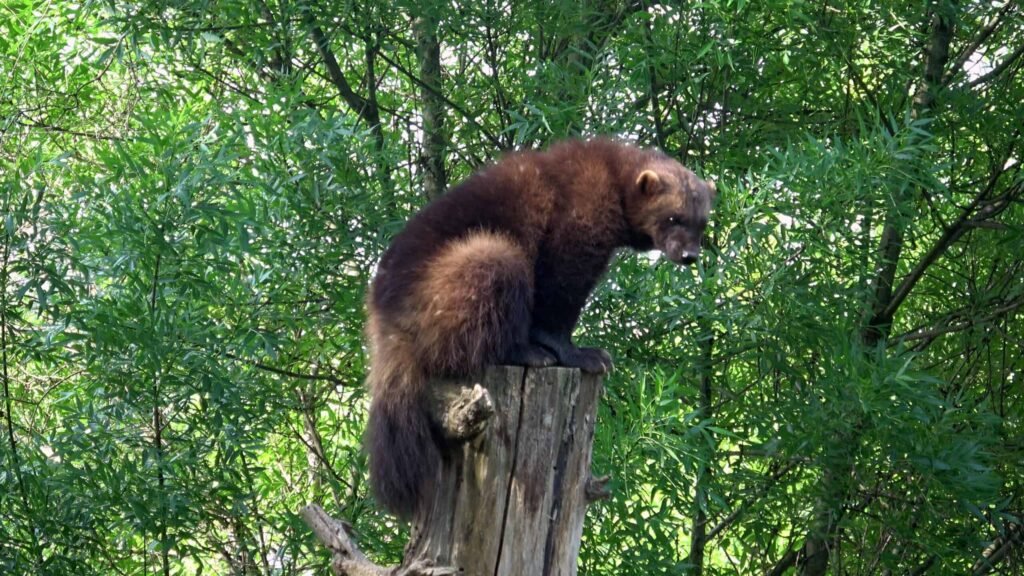
Conservationists have long been aware of the looming threats to wolverines. Efforts include monitoring populations through GPS tracking and non-invasive methods like hair sampling to collect genetic data. Limiting factors such as habitat fragmentation due to human activities compound the climate-induced challenges, making conservation efforts both urgent and complex.
The Role of Protected Areas
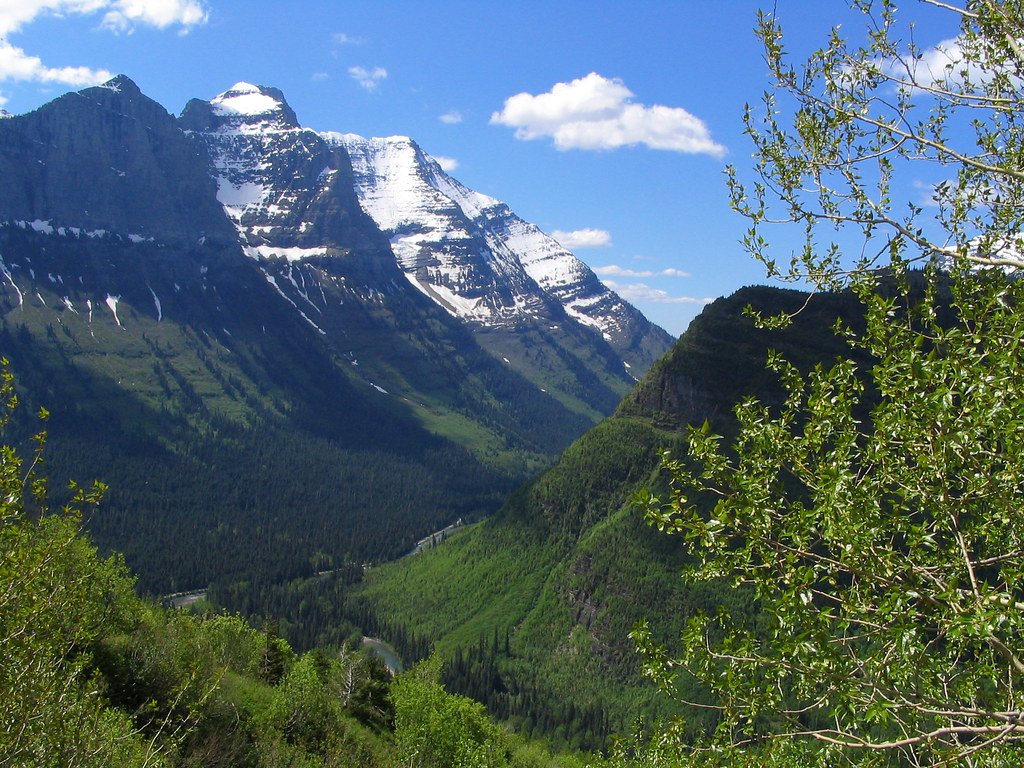
Protected areas like Glacier National Park and the Bob Marshall Wilderness Complex serve as critical refuges for Montana’s wolverines. These regions provide the essential snowy and undisturbed environments wolverines need. Effective management and expansion of such protected areas are pivotal in ensuring that these magnificent animals continue to find sanctuary amidst a changing world.
Collaboration with Indigenous Communities
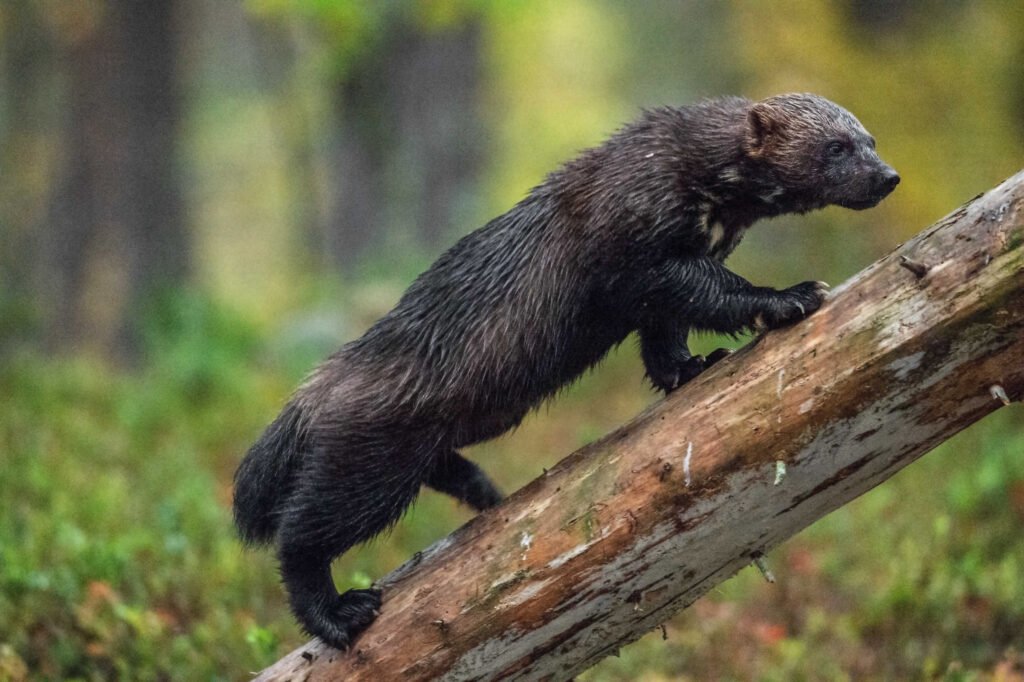
Collaboration with Indigenous communities, who have long-standing knowledge and cultural ties to the land, offers valuable insights and strategies for wolverine conservation. Their deep understanding of the local ecology can enhance conservation measures and foster inclusive approaches to wildlife management.
Future Outlook
The future of wolverines in Montana remains uncertain, tethered to the global community’s response to climate change. While the challenges are daunting, continued concerted efforts in research, policy, and public awareness can tilt the scales towards a more hopeful outcome. Ensuring that these enigmatic predators continue to roam the Montana wilds is both a local responsibility and a global imperative.
Conclusion: Preserving the Mystery and Majesty of Wolverines
The plight of the wolverine in Montana is emblematic of broader environmental challenges faced by wildlife in the age of climate change. These resilient creatures, emblematic of wilderness and raw nature, symbolize a delicate balance between survival and extinction. Protecting wolverines is not merely a quest to save a single species; it is a commitment to preserving the intricate web of life that sustains our planet. Through collective effort and unwavering resolve, we can secure a future where wolverines—and the wild places they call home—continue to enchant and inspire generations to come.