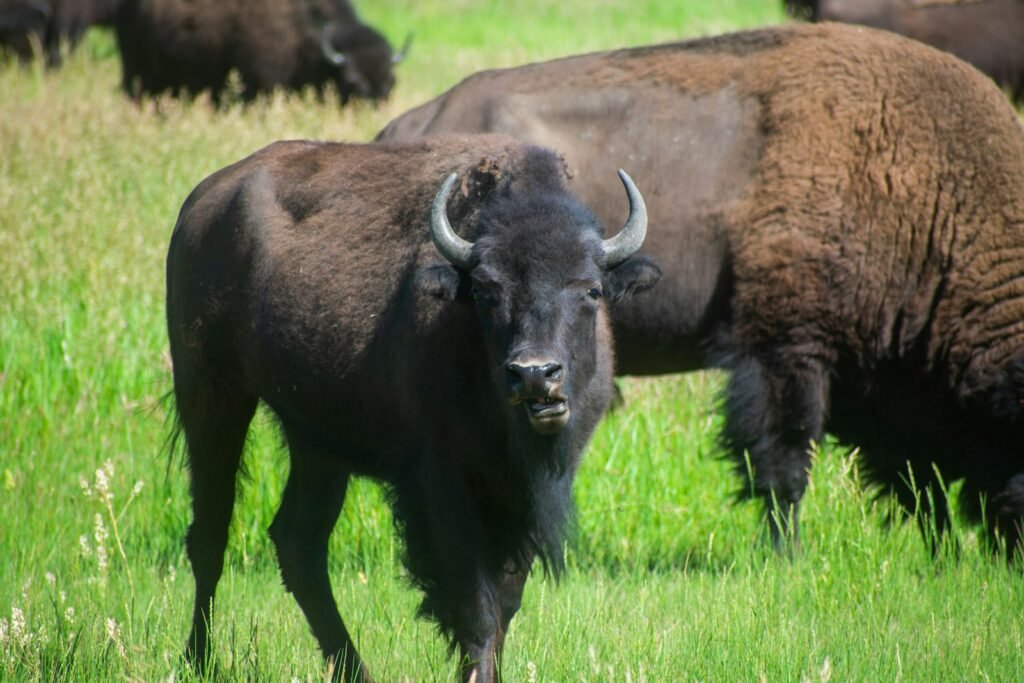

The American bison, an enduring symbol of the vast Great Plains, once roamed the heart of North America in colossal numbers. These majestic creatures, known for their rugged beauty and ecological importance, are now the center of a bold conservation initiative: rewilding Wyoming. This effort aims to restore the bison to its ancestral lands, revitalizing ecosystems and reconnecting cultural ties. This article delves into the various facets of this ambitious project, shedding light on the challenges and successes of bringing back the bison to the wild landscapes of Wyoming.
The Historical Legacy of Bison in the Great Plains
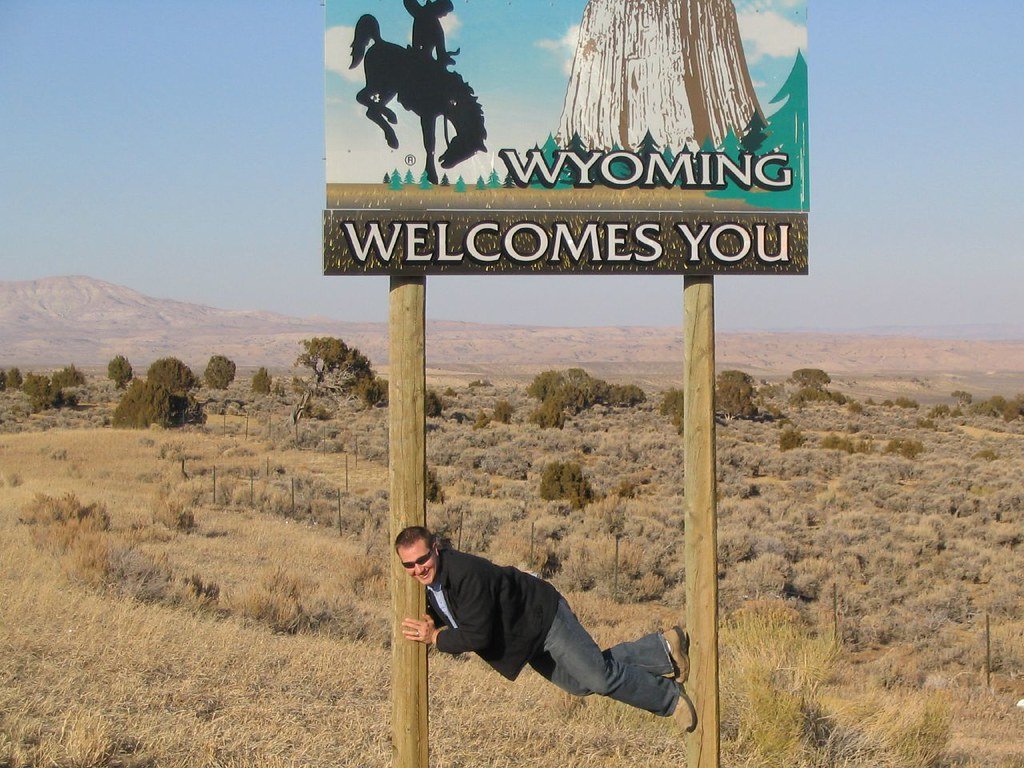
The Great Plains were once the home of vast herds of bison, with populations estimated in the tens of millions before European settlement. These animals were integral to the lives of many Indigenous peoples, providing not only a vital food source but also materials for clothing, shelter, and tools. The bison were more than just sustenance; they were woven into the spiritual and cultural fabric of the plains tribes.
The Decline of Bison Populations

By the late 1800s, overhunting and habitat loss had brought bison to the brink of extinction. The Westward Expansion and the U.S. government’s policies significantly contributed to their precipitous decline, with populations reduced to mere hundreds. This loss had profound environmental and cultural impacts, altering the ecological balance of the plains and disrupting Indigenous lifeways.
Rewilding: A Bold Conservation Strategy

Rewilding is the conservation effort aimed at restoring and protecting natural processes and wilderness areas, often involving the reintroduction of keystone species. In Wyoming, rewilding the bison is seen as a crucial step in reviving the state’s natural heritage. This approach not only considers ecological outcomes but also economic and cultural benefits.
Ecological Benefits of Bison Reintroduction

Bison play a critical role as ecosystem engineers. Their grazing patterns promote plant diversity, and their wallows create microhabitats that benefit a myriad of species. By aerating the soil and spreading seeds, bison help maintain the health of prairie ecosystems, contributing to the resilience of the Great Plains in the face of climate change.
Cultural Significance of Bison to Native Communities

To many Native American tribes, the bison is a sacred animal. Reintroducing these animals holds immense cultural significance, healing historical wounds and restoring a lost connection to the land. Tribal involvement in rewilding efforts has fostered a resurgence of cultural practices and a renewed sense of identity linked to traditional landscapes.
Challenges Faced in Rewilding Efforts

Bringing bison back to the Great Plains is not without its obstacles. Land use conflicts, disease management, and genetic diversity are significant concerns. Coordinating efforts between governmental bodies, private landowners, and tribal entities requires careful negotiation and collaboration.
Success Stories and Ongoing Projects
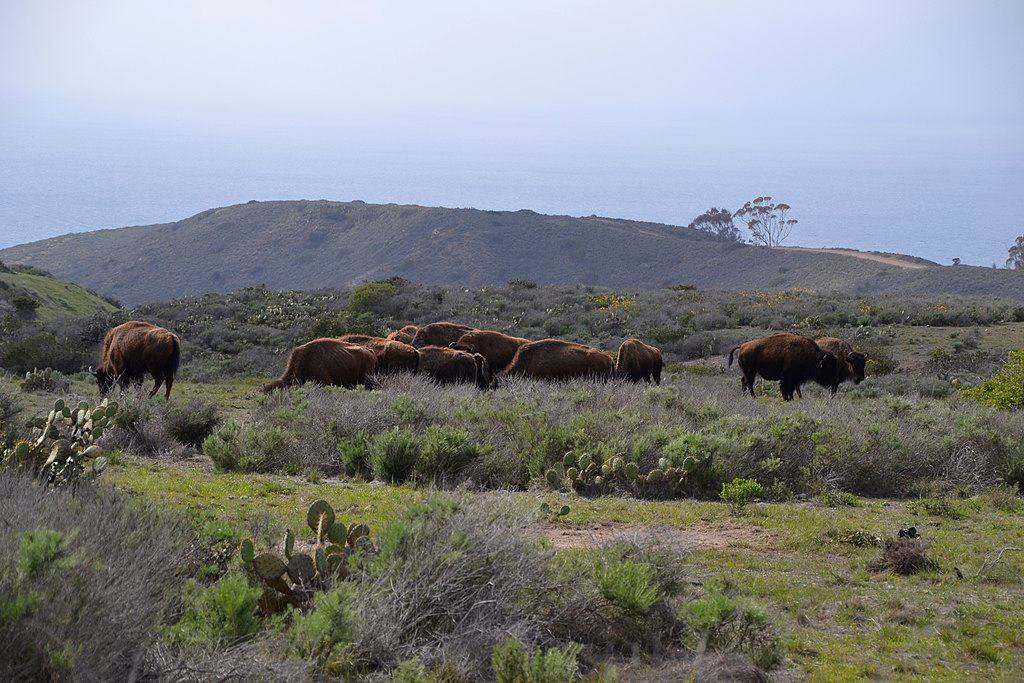
Several successful rewilding projects have taken root in Wyoming, such as the partnership between conservation groups and Indigenous tribes like the Eastern Shoshone and Northern Arapaho. These partnerships have led to the establishment of thriving bison herds on tribal lands, exemplifying collaborative conservation success.
The Role of National Parks and Reserves

National parks and reserves play a critical role in bison conservation, providing protected areas where these animals can roam freely. The Wind River Reservation and Yellowstone National Park are key sites for ongoing bison restoration, serving as models for balancing tourism, conservation, and cultural preservation.
The Economic Impact of Rewilding

Restoring bison to the plains has the potential to boost local economies through eco-tourism and sustainable land management practices. Bison-related tourism can increase revenue for communities while promoting awareness and appreciation of native wildlife and landscapes.
Future Prospects and Continued Efforts

The future of bison rewilding in Wyoming looks promising, thanks to continued dedication from conservation groups and Indigenous communities. Advancements in wildlife management and increased public awareness are pivotal in overcoming ongoing challenges and ensuring the long-term success of these projects.
Summary: The Significance of Rewilding Wyoming

Rewilding Wyoming by restoring native bison populations represents more than an ecological initiative; it is a movement toward healing historical rifts and nurturing a sustainable future for the Great Plains. By embracing a holistic approach that honors both the environmental and cultural dimensions of bison conservation, Wyoming is setting a precedent for rewilding efforts worldwide. Through collaboration and perseverance, the majestic bison may once again reign over the prairies, symbolizing a restored harmony between humans and nature.