In the heart of Wyoming’s rugged landscape, a breathtaking natural spectacle unfolds each year, captivating both locals and visitors alike. The Wyoming Firefall phenomenon is a unique display where water seemingly transforms into a cascade of fire. This mesmerizing event, shrouded in mystery and wonder, has piqued the curiosity of many. Below, we delve into the fascinating world of Wyoming’s Firefall, unraveling its secrets and illuminating the science behind this extraordinary occurrence.
What is the Wyoming Firefall Phenomenon?
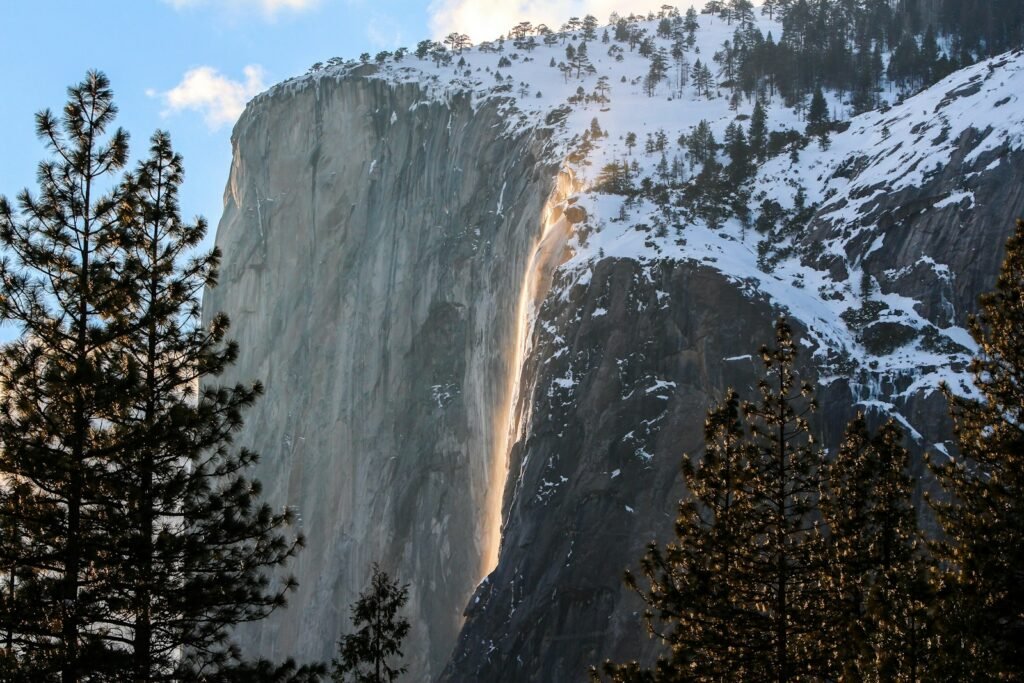
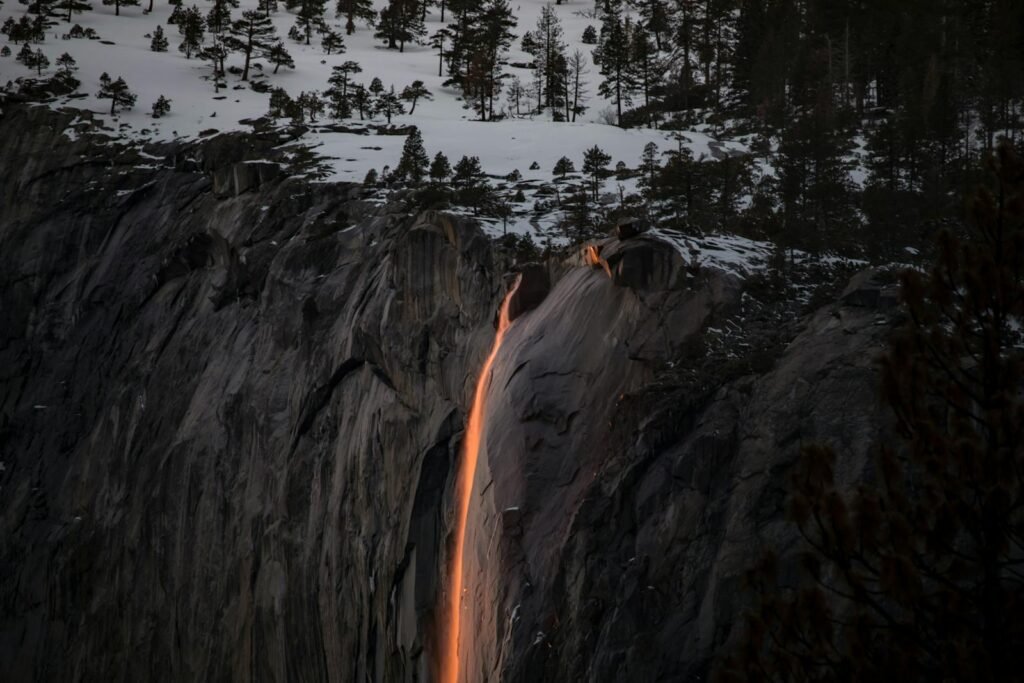
The Wyoming Firefall phenomenon is an awe-inspiring natural event where the light of the setting sun hits a waterfall at a particular angle, giving the illusion of cascading flames. This enchanting display creates the impression that the waterfall is ablaze, a ceaseless current of fire rather than water. Occurring naturally under specific conditions, it draws comparisons to California’s famous Yosemite Firefall.
The Origins of the Phenomenon
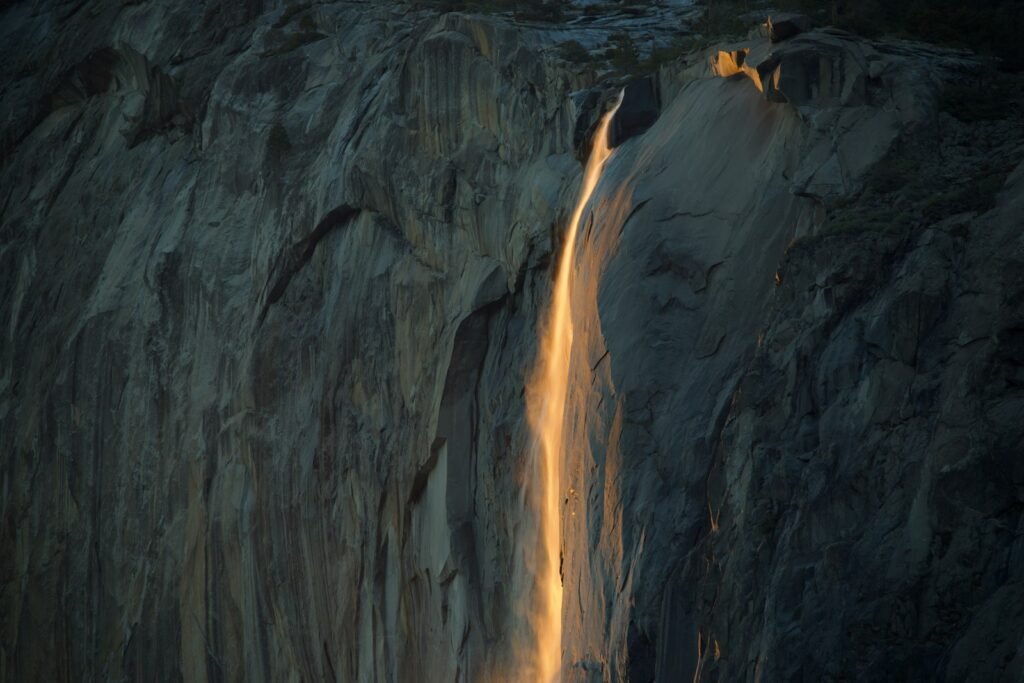
The origins of the Firefall in Wyoming can be traced to a confluence of natural elements. As the sun sets in winter, it aligns perfectly with the waterfall’s path, casting a striking orange and red hue. This effect is similar to the atmospheric phenomenon that paints the sky with colors during sunrise and sunset, known as Rayleigh scattering. The dazzling display usually occurs for a brief period, making it a rare and eagerly anticipated event.
Where to Witness the Firefall
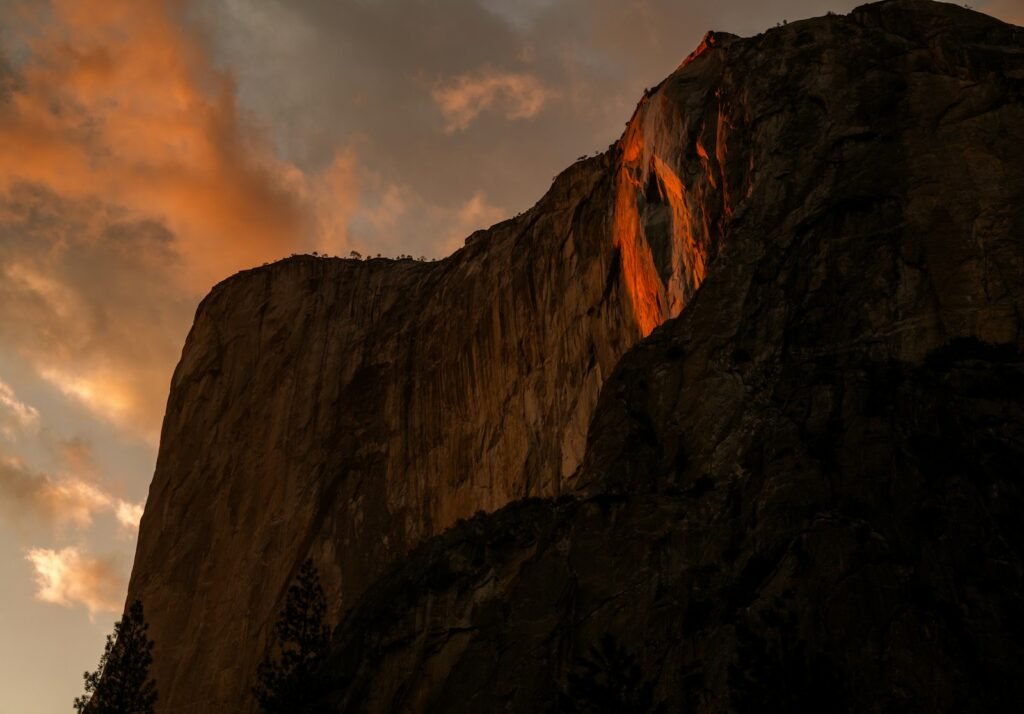
To experience the Wyoming Firefall, enthusiasts head to the state’s dramatic mountainous regions, where waterfalls are nestled among rugged terrains. While the exact location of the spectacle varies, keen observers often explore areas with optimal sun alignment during the late winter afternoons. These locations provide the perfect vantage point for photographers and nature lovers alike, eager to capture the fleeting beauty.
The Science Behind the Illusion
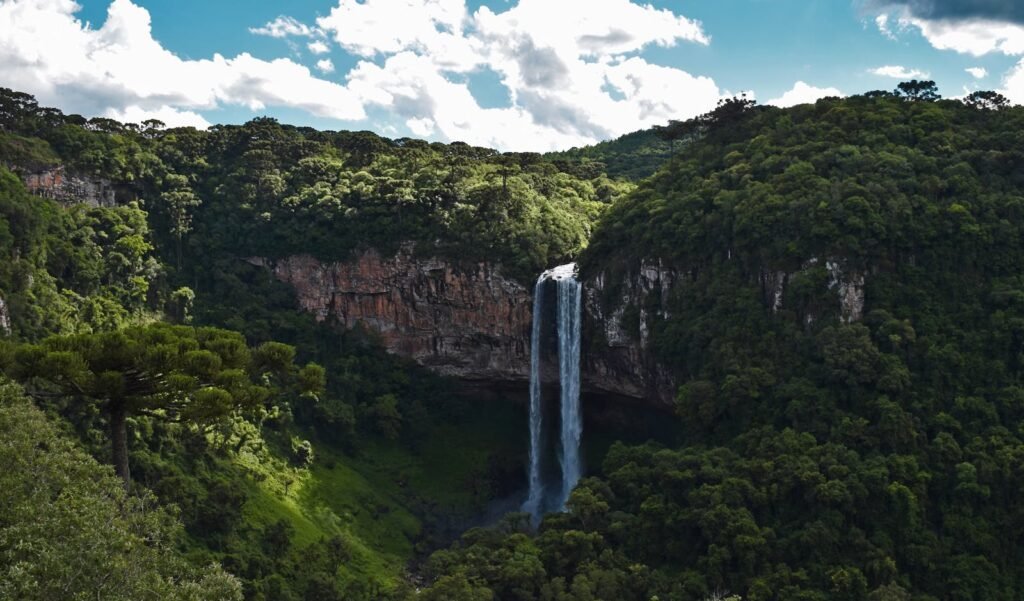
The fiery appearance of the waterfall is primarily due to the refraction and reflection of sunlight on the water. As daylight fades, the angle of the sun becomes crucial, illuminating the waterfall in vivid amber and crimson hues. The water droplets act as tiny prisms, refracting sunlight and amplifying the intensity of the colors, thus creating the illusion of fire. This intricate interplay between sunlight and water is a testament to nature’s brilliance.
The Best Time to Witness the Firefall
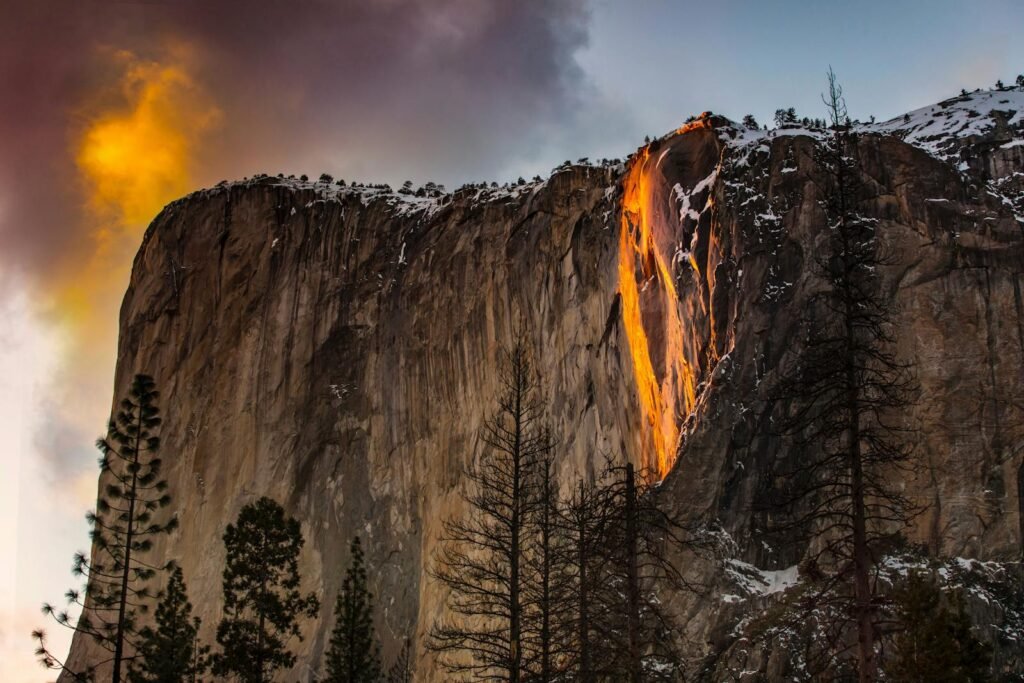
Timing is everything when it comes to witnessing the Firefall phenomenon. The event is most likely to occur during late February to early March when the sun’s angle and weather conditions align perfectly. The best viewing times are late afternoon, just before sunset, when the sun’s rays are most likely to cast their fiery magic on the waterfall. Clear weather and abundant snowmelt enhance the display, amplifying its intensity and allure.
Capturing the Firefall on Camera
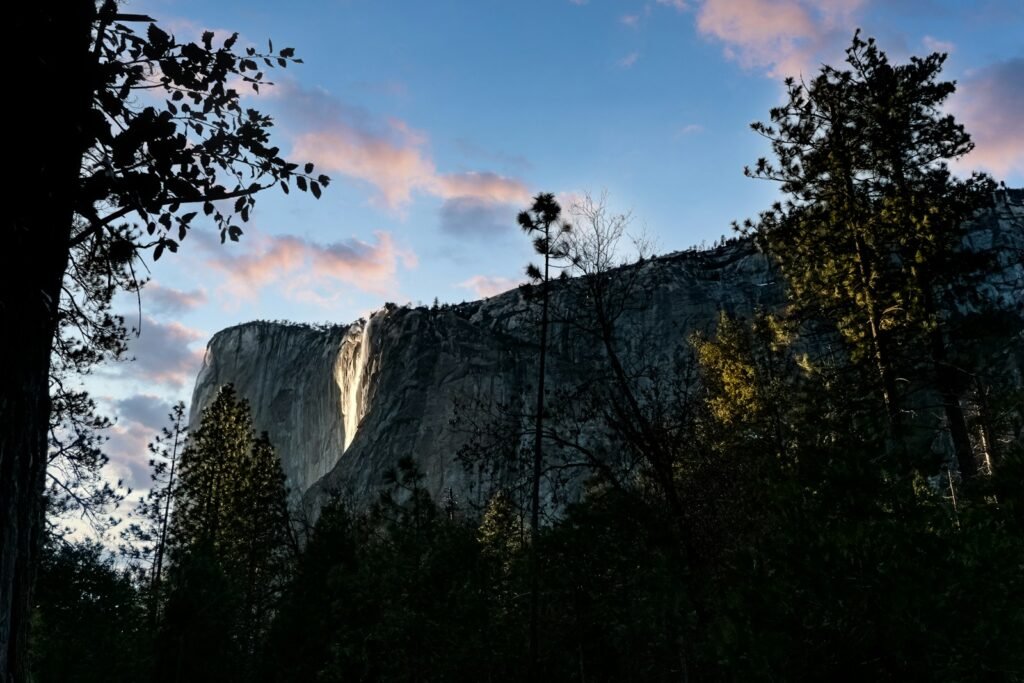
Photographers from around the world flock to Wyoming to capture the Firefall phenomenon. The key to an impressive photograph lies in preparation and timing. Photographers often scout locations in advance and set up their equipment well before sunset. Using long exposure techniques enhances the fiery effect, capturing the waterfall’s fluid motion against the glowing hues of the sky.
Environmental Significance of the Firefall
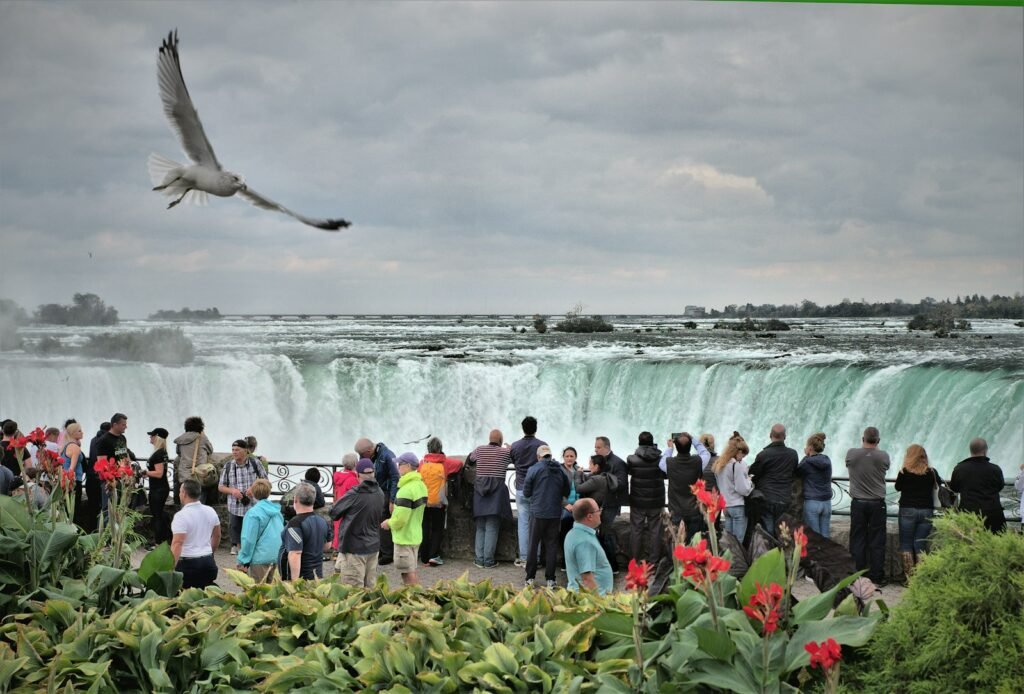
Beyond its visual splendor, the Firefall phenomenon highlights the importance of preserving natural environments. The pristine conditions required for this event underscore the need for conservation efforts. Protecting waterfalls and surrounding ecosystems ensures that such spectacles continue to inspire and awe future generations, emphasizing the essential balance between nature and human activity.
The Impact on Local Communities

The Firefall phenomenon has become a celebrated event for local communities, boosting seasonal tourism and providing economic benefits. Local businesses, including hotels, restaurants, and guiding services, experience an influx of visitors eager to witness the spectacle. This mutual relationship between the environment and the economy underscores the tourism sector’s growing importance.
Preserving the Firefall for Future Generations

As the Firefall gains popularity, its conservation becomes paramount. Responsible tourism practices, such as minimizing environmental impact and respecting local regulations, are vital to preserving the event’s natural integrity. Community-led efforts and awareness campaigns play a significant role in safeguarding this natural wonder.
Conclusion: A Natural Marvel Worth Experiencing
The Wyoming Firefall phenomenon is a remarkable testament to nature’s artistry. A fleeting event that blends light, water, and the earth’s contours to produce a vision of fire cascading down rocky faces, it continues to mesmerize and inspire those fortunate enough to witness it. By understanding the science, respecting the environment, and cherishing these natural moments, we ensure that such spectacular displays remain an integral part of our world’s natural heritage.