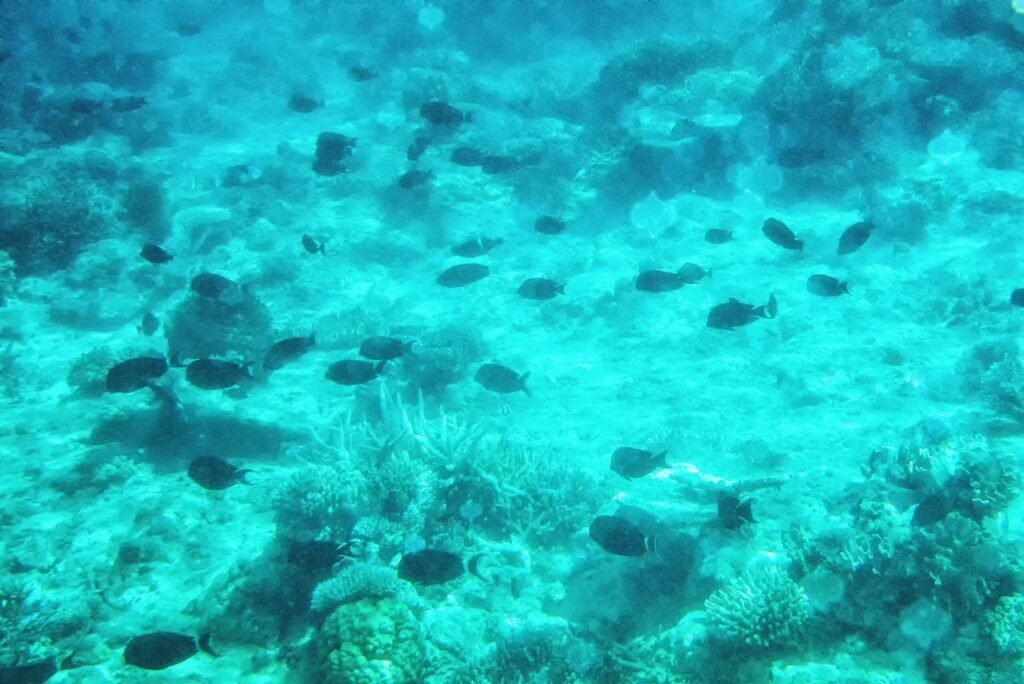

Fiji, an archipelago in the South Pacific Ocean, is renowned for its stunning underwater landscapes that have earned it the title of the “Soft Coral Capital of the World.” These vibrant coral ecosystems not only captivate divers from around the globe but also serve a crucial role in ocean conservation. This article delves into the unique aspects of Fiji’s soft corals, their importance to marine life, and the role they play in global efforts to preserve our oceans.
Understanding Soft Corals
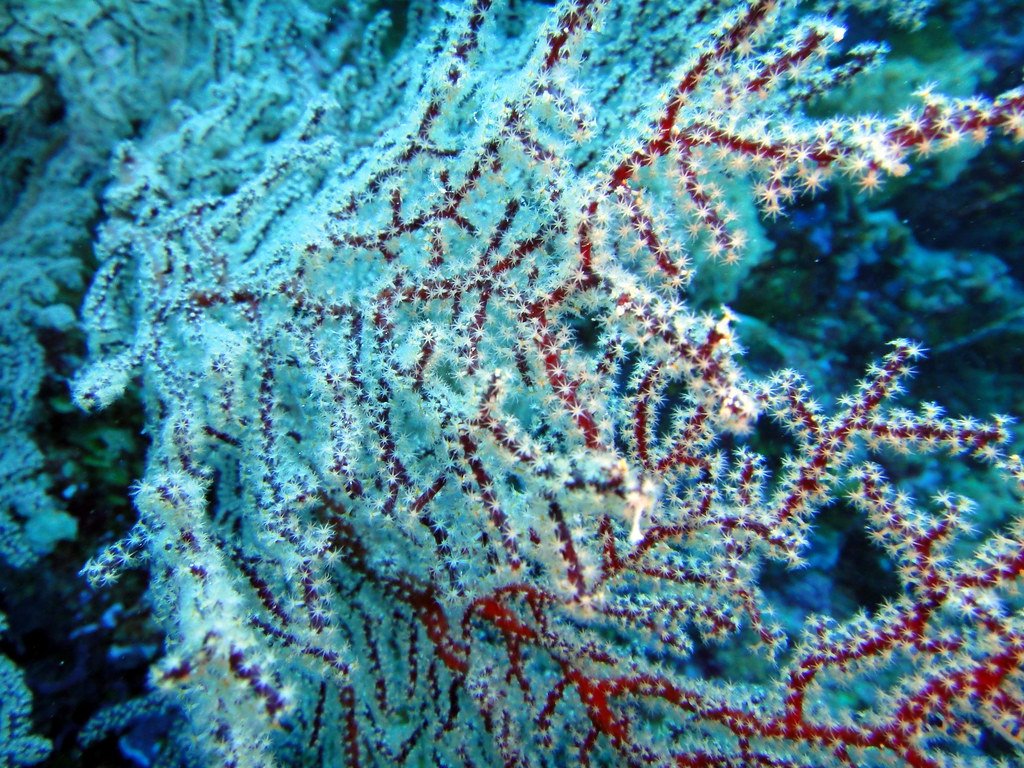
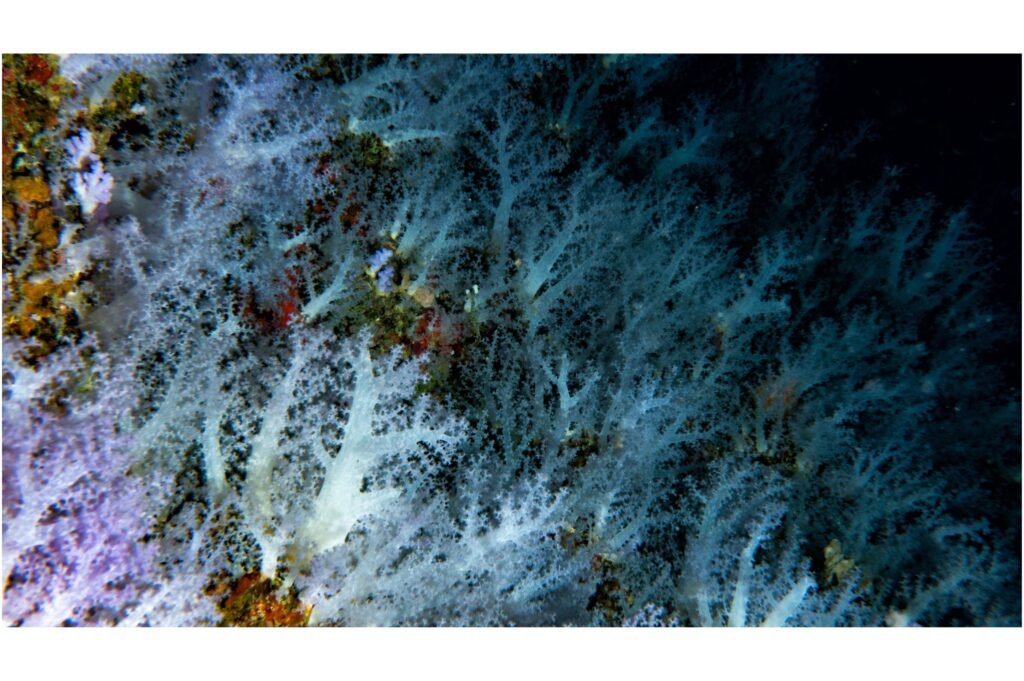
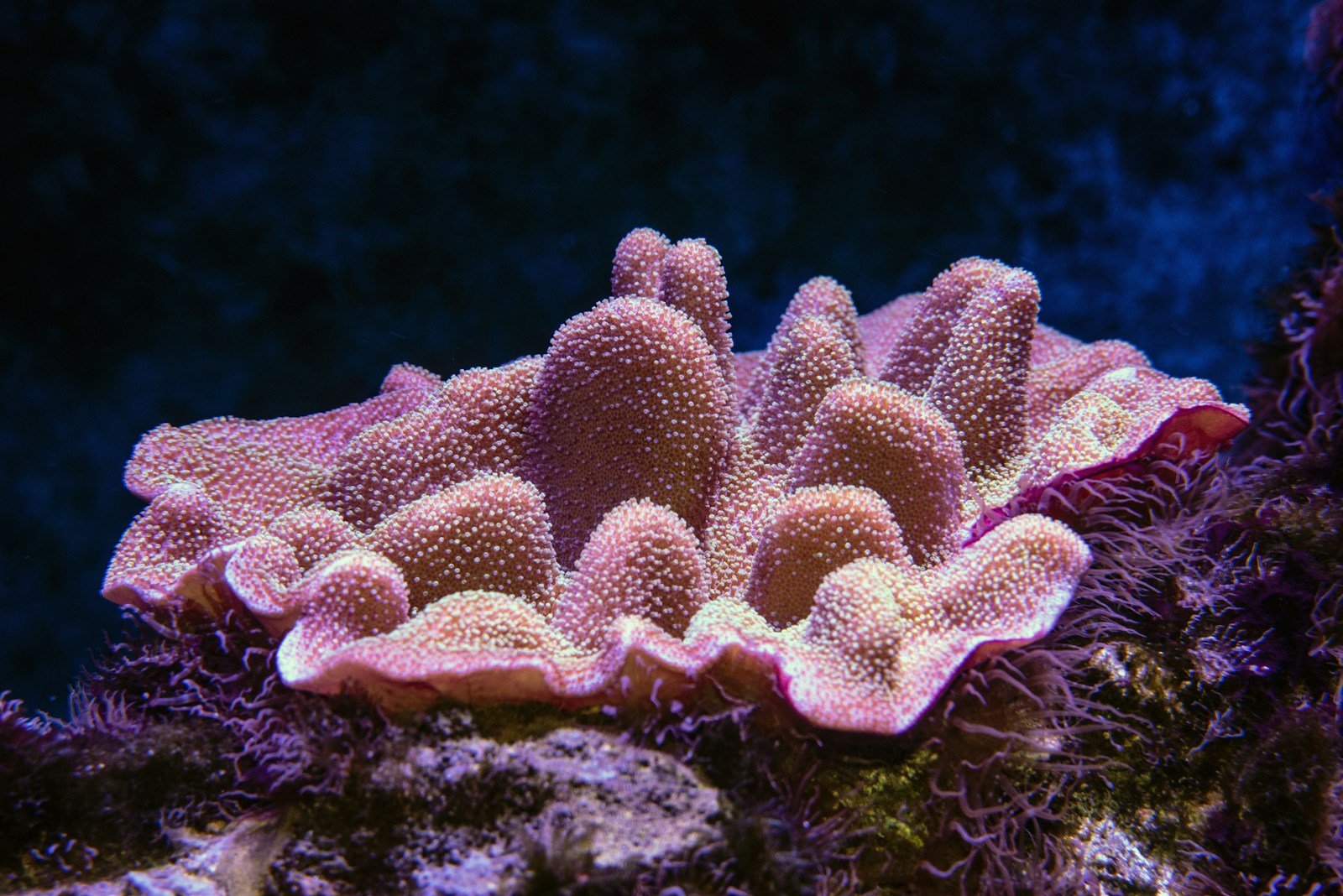
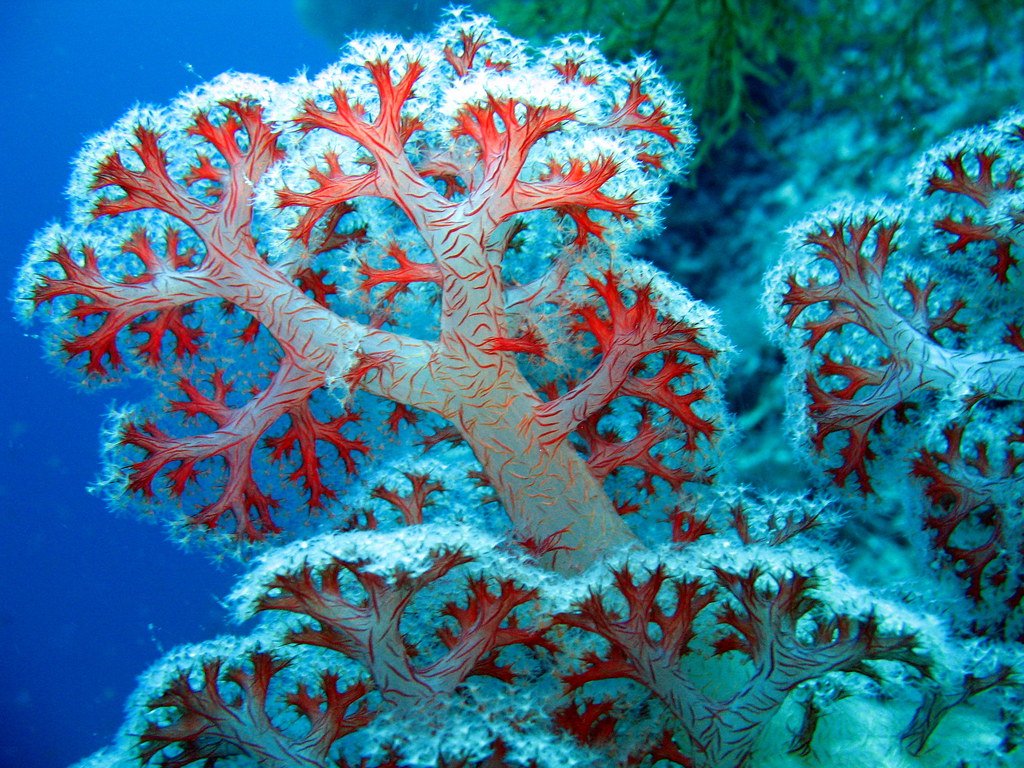
Soft corals are a type of coral that, unlike their hard coral counterparts, do not produce a rigid calcium carbonate skeleton. Instead, they have a flexible, fleshy structure supported by tiny, spiny needle-like elements known as sclerites. This gives them the ability to sway gracefully with the ocean currents, adding movement to the underwater scenery. Soft corals are recognized by their diverse colors and shapes, contributing significantly to the visual spectacle of coral reefs.
The Vivid Underwater World of Fiji
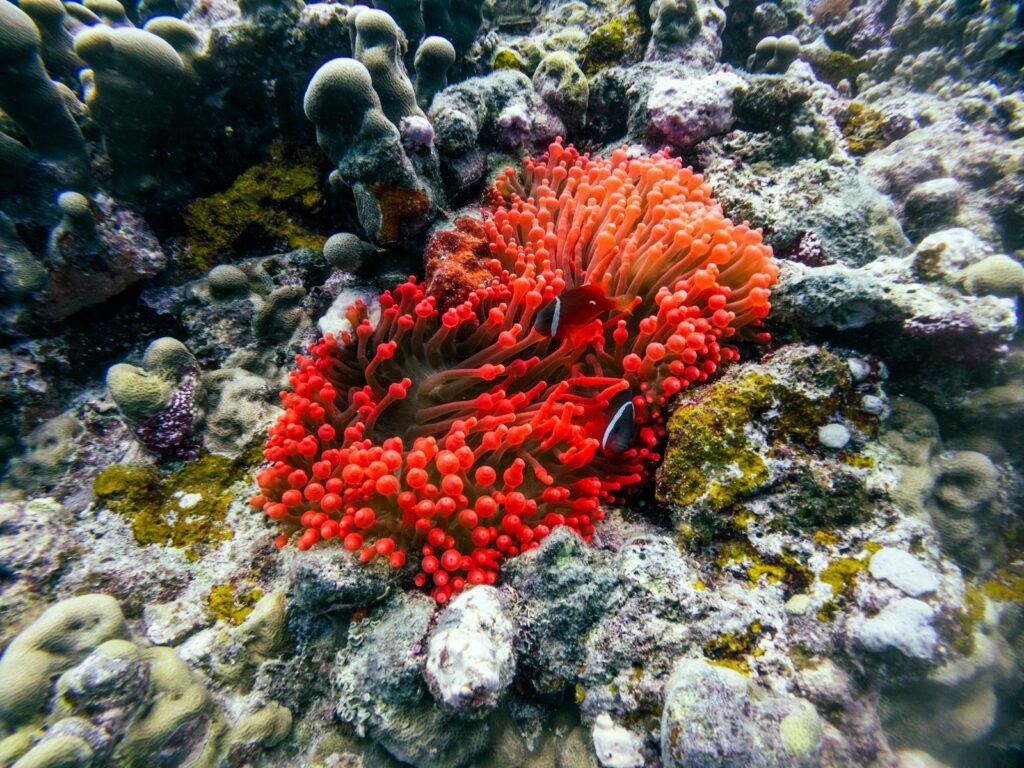
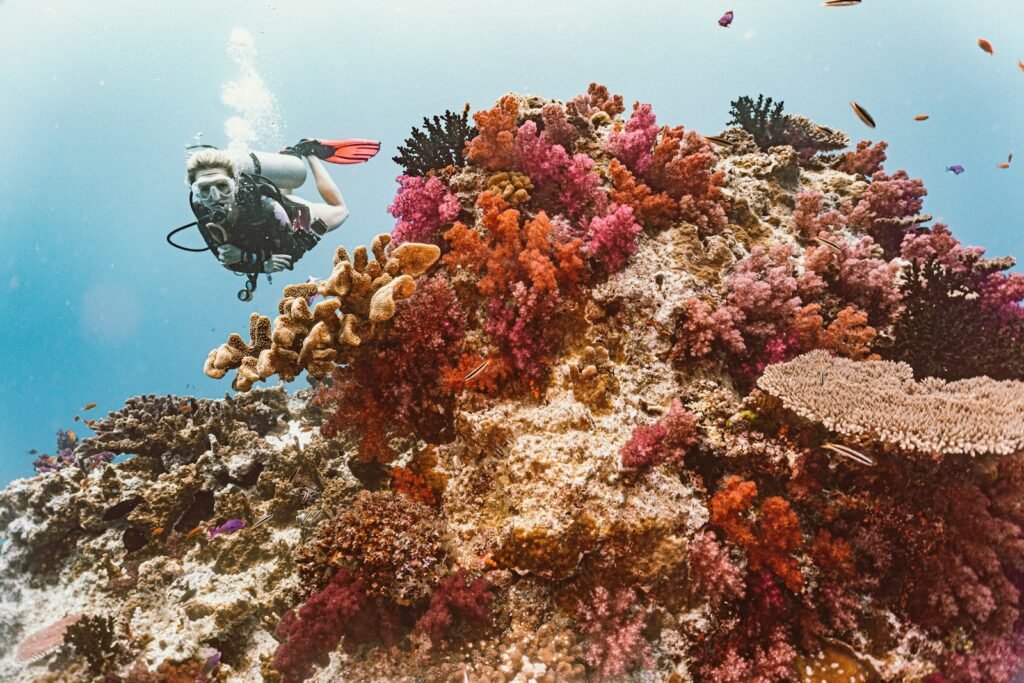
Fiji boasts an extraordinary diversity of coral species, including over 80% of the world’s known coral species. The waters surrounding this island nation house endless fields of soft corals, which blanket the reefs in a kaleidoscope of colors and forms. These breathtaking formations provide both a habitat and a haven for a multitude of marine species.
Ecological Importance of Soft Corals

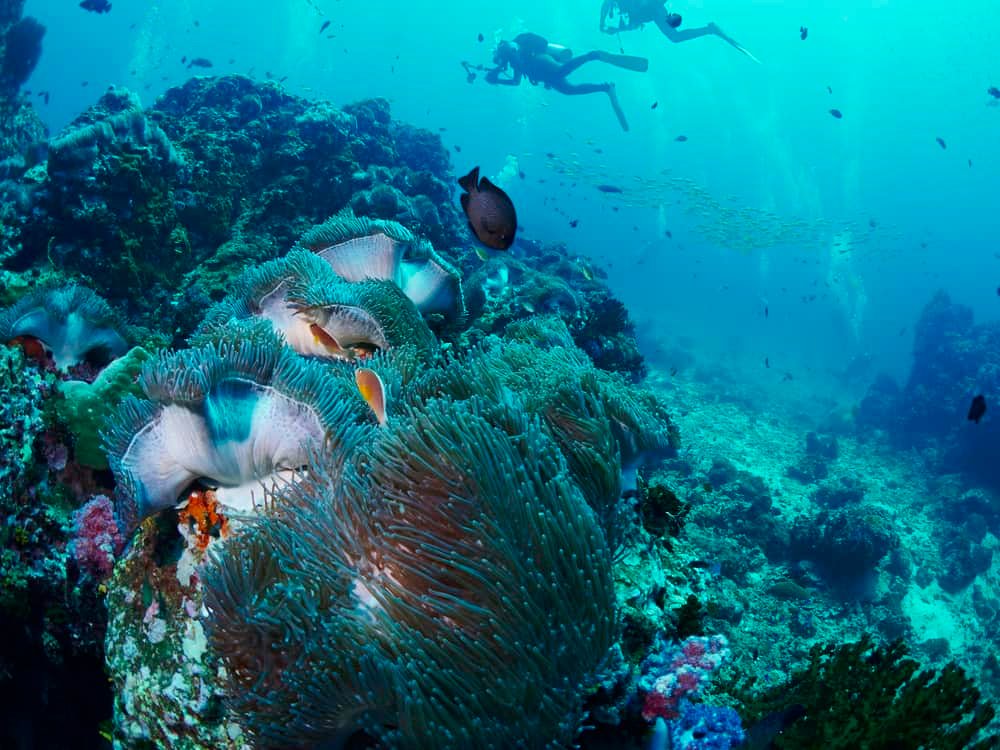
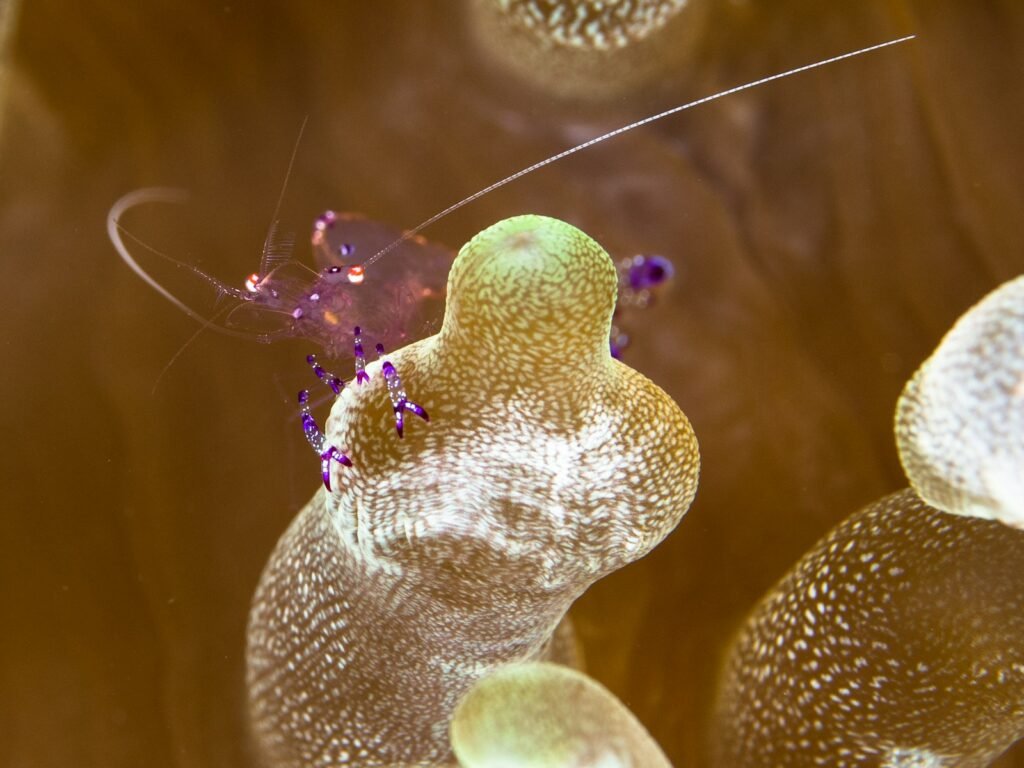
The soft corals of Fiji are not merely decorative; they are vital to the ecosystem’s health. They offer shelter and breeding grounds for countless marine organisms, including fish, crustaceans, and mollusks. By supporting a diverse range of life forms, soft corals play an essential role in maintaining the biological diversity and stability of reef ecosystems.
Soft Corals as Climate Regulators
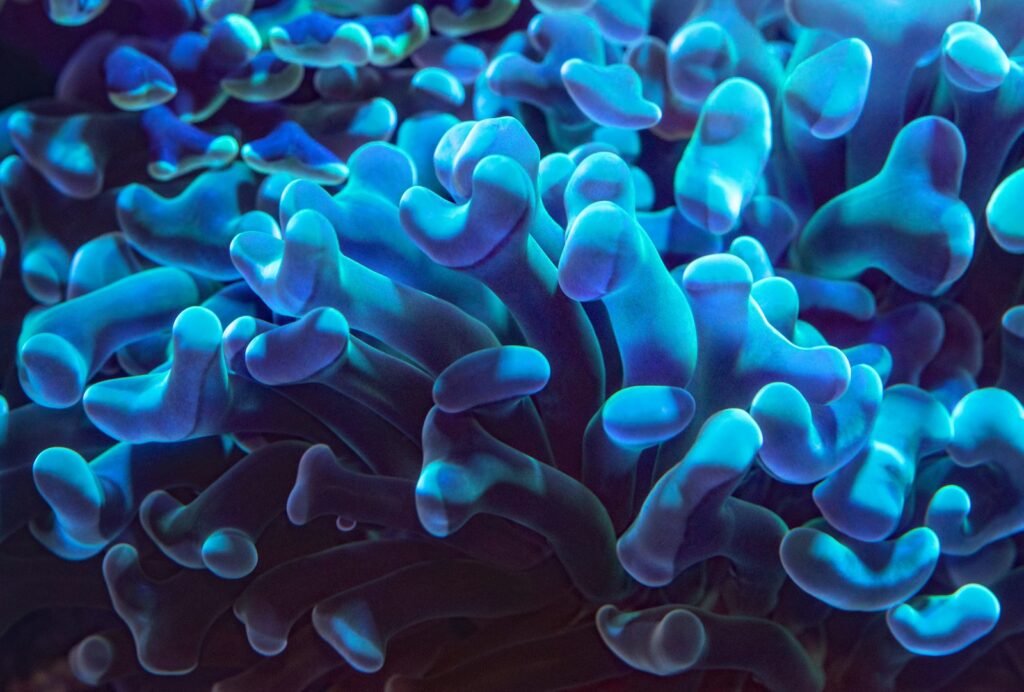
Coral reefs, including those dominated by soft corals, act as natural barriers that protect coastlines from the erosive forces of ocean waves. Moreover, they are crucial in carbon cycling, as they sequester carbon dioxide, helping to regulate Earth’s climate. In light of escalating climate change impacts, preserving these natural structures is more imperative than ever.
The Threats Facing Fiji’s Coral Reefs
Despite their resilience, Fiji’s soft corals are under significant threat from human activities. Pollution, overfishing, and destructive fishing practices like dynamite fishing or bottom trawling have damaged many reef areas. Additionally, climate change and ocean acidification are increasingly causing coral bleaching events, where corals lose their symbiotic algae, leading to their decline.
Conservation Efforts in Fiji

In response to these threats, Fiji is a leader in ocean conservation efforts. The Fijian government, along with various conservation organizations, has established marine protected areas (MPAs) to safeguard sensitive reef ecosystems. These MPAs limit human activities and allow coral reefs to recover and thrive.
Role of Local Communities in Conservation
Fijian local communities are integral to conservation success. Many villages have initiated “tabu” areas—traditional no-take zones—that restrict fishing to allow ecosystems to regenerate. This community-driven approach has become a model for sustainable marine resource management.
Scientific Research and Monitoring
Ongoing scientific research and monitoring efforts are critical to understanding and protecting Fiji’s soft coral ecosystems. Scientists conduct regular surveys to assess coral health and biodiversity, helping to inform conservation strategies. This research is vital for adapting to changing environmental conditions and ensuring the long-term survival of these ecosystems.
Fiji’s Soft Corals as a Beacon for Tourism
Fiji’s reputation as the “Soft Coral Capital of the World” attracts thousands of eco-tourists annually, providing a sustainable source of income for the nation. Responsible tourism initiatives encourage visitors to engage with the reef systems without causing harm, promoting awareness and conservation concurrently.
Educational Programs and Awareness
Education is key to fostering a culture of conservation around Fiji’s coral reefs. Numerous organizations offer programs that educate locals and tourists alike on the importance of soft corals, the ecosystems they support, and the broader environmental challenges they face. Raising awareness is instrumental in rallying global support for coral protection initiatives.
Conclusion
Fiji’s soft coral reefs are not only a cornerstone of marine biodiversity but also emblematic of the broader challenges and opportunities within global ocean conservation efforts. By safeguarding these vibrant underwater gardens, we protect a crucial component of our planet’s heritage and sustainability. Through continued collaboration between governments, scientists, and local communities, these unique ecosystems can be preserved for future generations to cherish and learn from.