In the heart of South America lies one of the driest places on Earth — the Atacama Desert. A place of extreme conditions, the Atacama challenges the very essence of survival. Yet, beneath its arid surface thrives a hidden world of resilient microbes. These alien-like microorganisms not only redefine our understanding of life on Earth but also pave the way for exciting possibilities in the search for life beyond our planet. This article delves into the fascinating ecosystem of the Atacama Desert and explores what its tiny inhabitants can teach us about extraterrestrial life.
Understanding the Atacama Desert
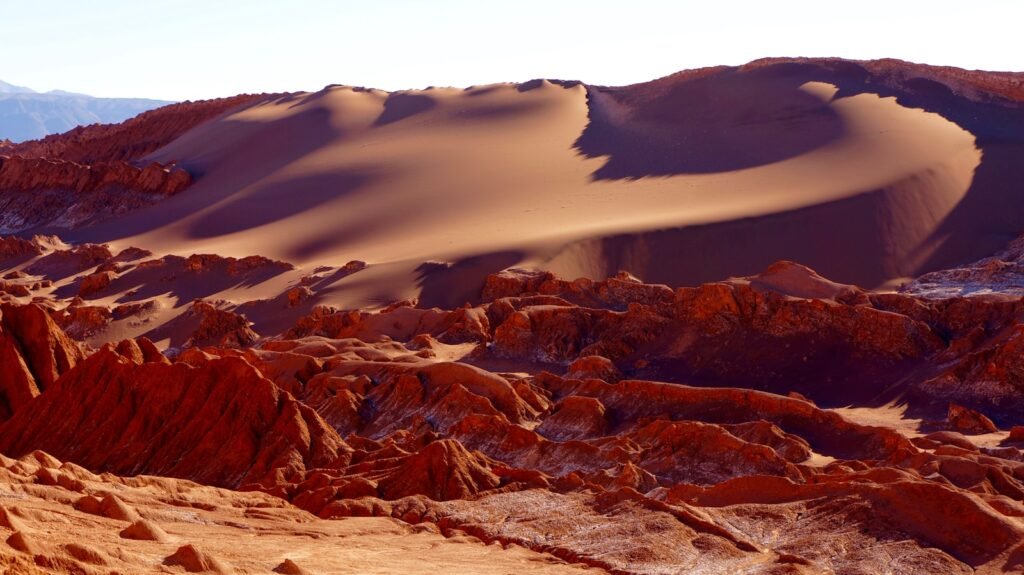
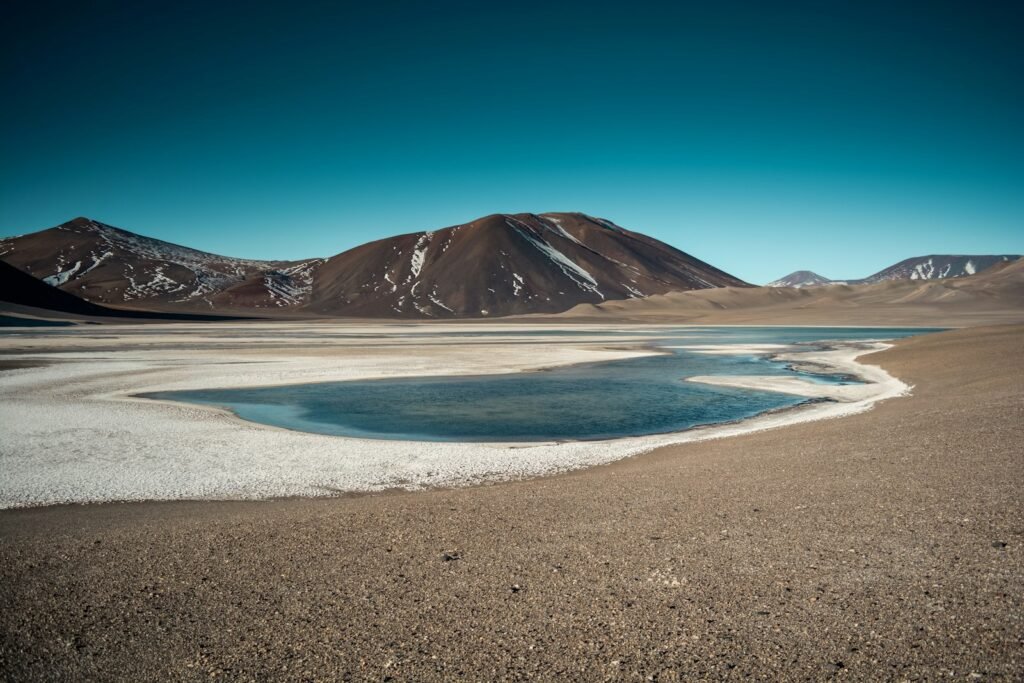
The Atacama Desert stretches across approximately 600 miles (1,000 kilometers) in northern Chile, perched between the Pacific Ocean and the Andes Mountains. Known for its staggering aridity, it receives less than an inch of rain annually in some areas. Its harsh environment mimics Martian landscapes — a fact that has caught the attention of astrobiologists worldwide.
Microbial Marvels of the Atacama

Despite the exceedingly dry conditions, the Atacama is teeming with life. Microbes here have adapted to survive with minimal water, high salinity, and intense ultraviolet radiation. These microorganisms thrive in peculiar niches, such as salt flats and subterranean rocks, harnessing energy through unique biochemical pathways.
Adaptation Strategies: Lessons from Extremophiles

The microbial inhabitants of the Atacama have developed several survival strategies worth studying. They can enter dormant states akin to hibernation during the most extreme conditions, springing back to activity when moisture levels increase even slightly. Their ability to adapt offers insights into potential life forms that might exist on planets with harsh climates, like Mars.
Implications for Astrobiology
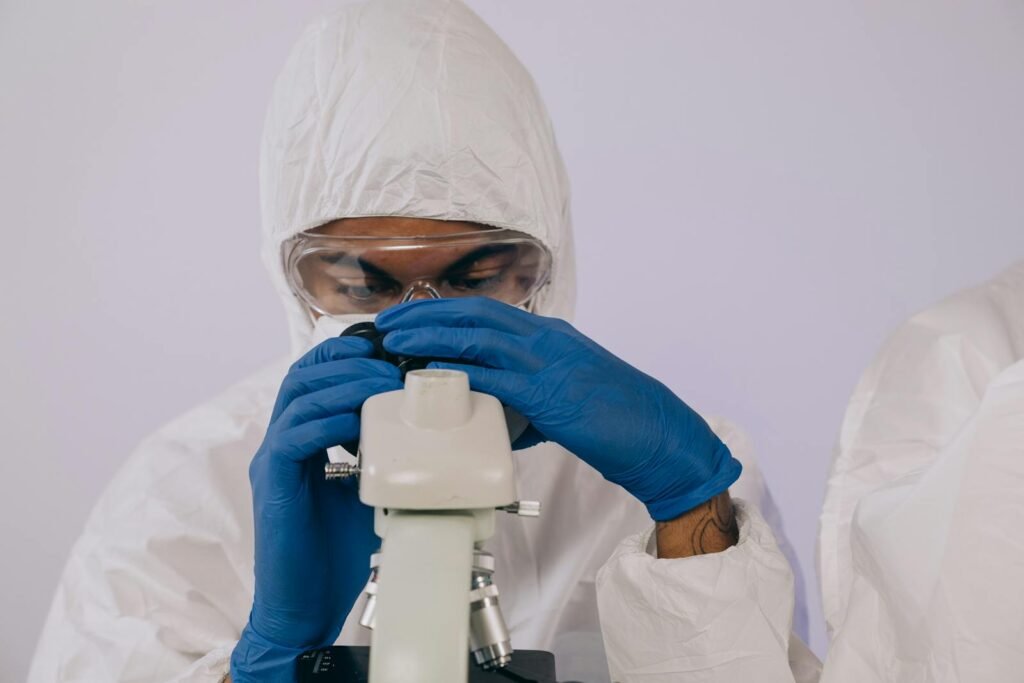
The Atacama serves as a natural laboratory for astrobiologists. The desert’s similarities to Martian environments allow researchers to develop and test instruments intended for missions to Mars and other celestial bodies. Understanding how Atacama’s microbes survive helps inform the search for biosignatures on other planets and moons.
Biochemical Pathways: A Window into Alien Metabolisms
Study of Atacama’s microbes reveals unconventional biochemical pathways that could sustain life in extreme extraterrestrial environments. These microbes utilize sulfur, iron, and other elements in ways previously not fully understood, suggesting a broader spectrum of possibilities for alien metabolisms beyond Earth.
Searching for Life in the Universe

The resilience of Atacama microbes reinforces the idea that life could take root in environments previously deemed inhospitable. This broadens the scope of exoplanet exploration, encouraging scientists to consider planets and moons with conditions once thought too extreme.
Inspiring Future Space Missions

Insights from Atacama’s microbial life have significant implications for current and future space missions. Technologies and methods refined in this desert environment are instrumental in the design of instruments for Mars rovers and other exploratory missions seeking signs of life.
Conclusion: A New Perspective on Life

The alien microbes of the Atacama Desert challenge our traditional perceptions of life’s boundaries. As we learn more about these remarkable organisms, we expand our understanding not just of survival in extreme conditions on Earth, but also of life’s potential in the cosmos. The study of these microorganisms provides a valuable framework for astrobiological research, anchoring humanity’s quest to discover life beyond our home planet. In a universe full of unknowns, the Atacama Desert offers a glimpse into the possible, reminding us that life, in its myriad forms, may be waiting out there, perhaps on the arid plains of Mars or the icy crusts of distant moons.