

In the face of climate change, rising sea levels pose a serious threat to countries around the world, particularly those with extensive coastlines. The Netherlands, a nation historically battling the sea, has once again turned to innovation to address this existential threat. The Dutch are pioneering a plan to build floating cities, showcasing what may be a sustainable solution for coastal regions worldwide.
Historical Context: Living with Water
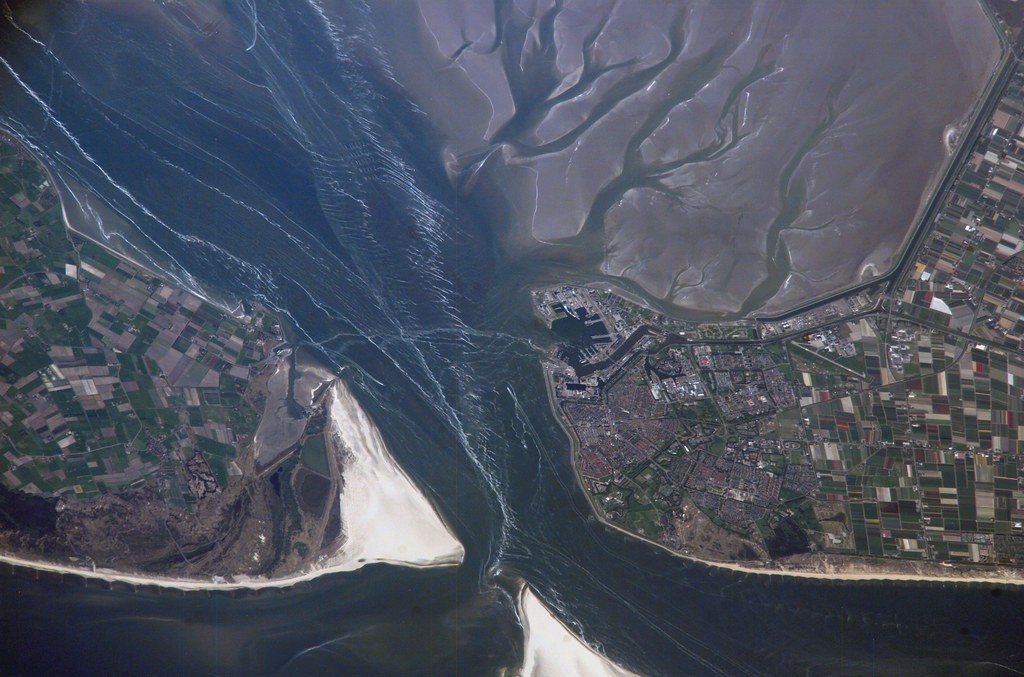
The battle against water is woven into the history of the Netherlands. With a significant portion of the country lying below sea level, the Dutch are no strangers to the perils posed by the sea. Their mastery in levee and dike construction is a testament to this history, evolving over centuries to protect land from flooding. Now, as climate change accelerates sea-level rise, the Dutch are looking beyond traditional solutions.
The Rising Threat

According to climate scientists, global sea levels are expected to rise by up to one meter by the end of this century, which could have devastating effects on low-lying areas. The Netherlands, with much of its Western region below sea level, faces increased risks of flooding, making it crucial to implement innovative adaptations quickly.
The Concept of Floating Cities
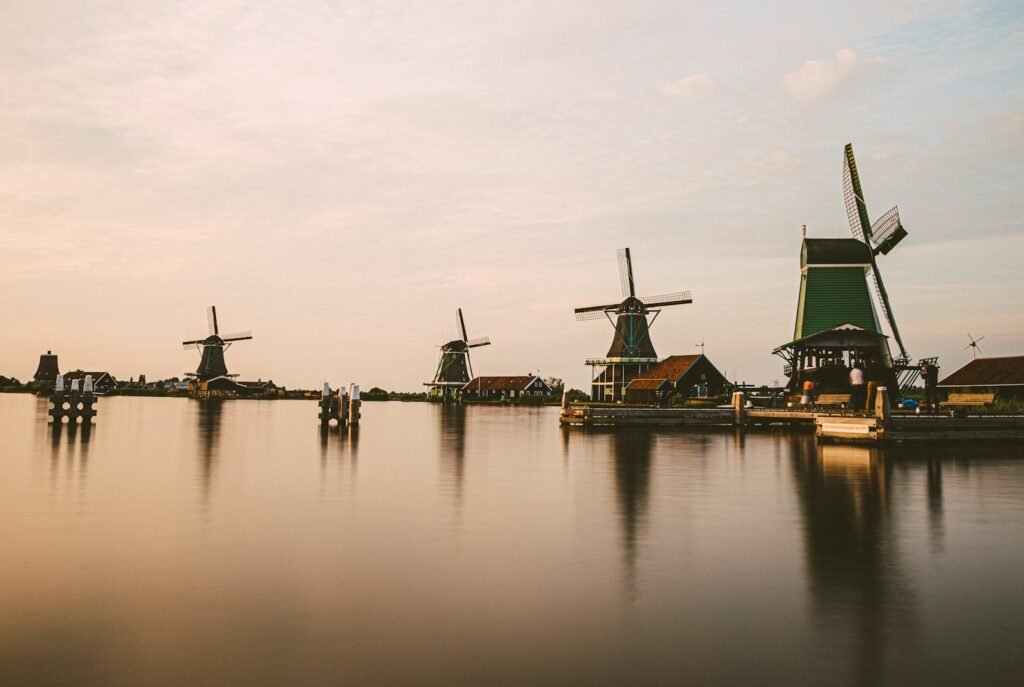
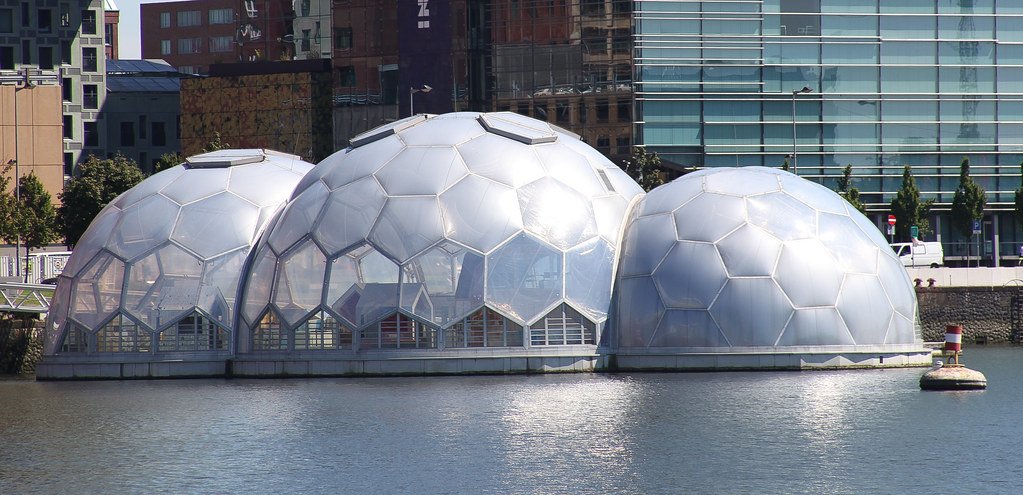
The vision for floating cities revolves around constructing self-sufficient urban areas that rise and fall with changing sea levels. These cities would be built on large floating platforms capable of hosting various infrastructures, from residential buildings to commercial spaces, all interconnected and designed to offer sustainable living conditions.
Engineering Challenges and Solutions
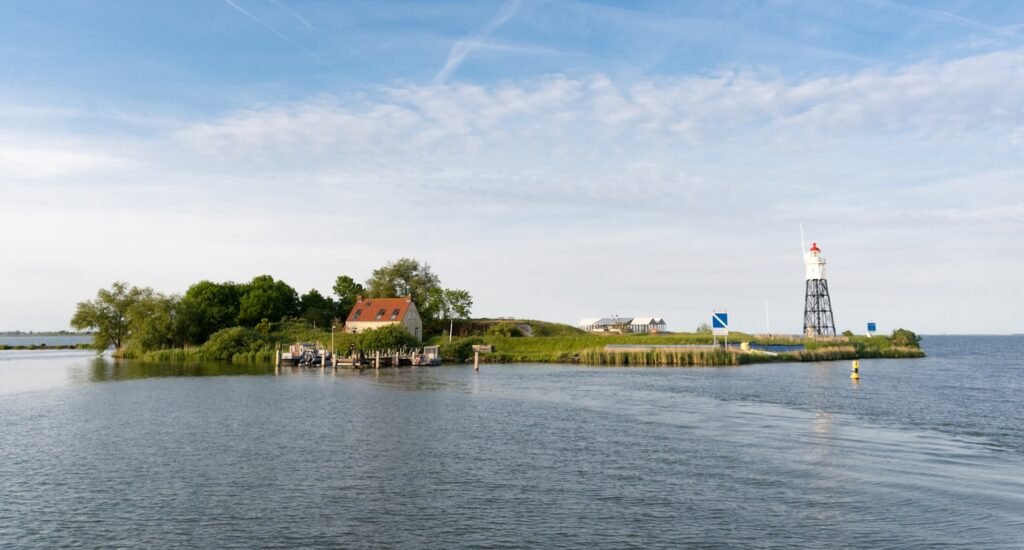
Creating floating cities involves significant engineering challenges, from ensuring stability against waves and wind to providing essential services like fresh water and electricity. Dutch architects and engineers are leveraging advanced materials and design innovations to create durable, flexible structures that can withstand harsh marine conditions.
Sustainability as a Core Principle
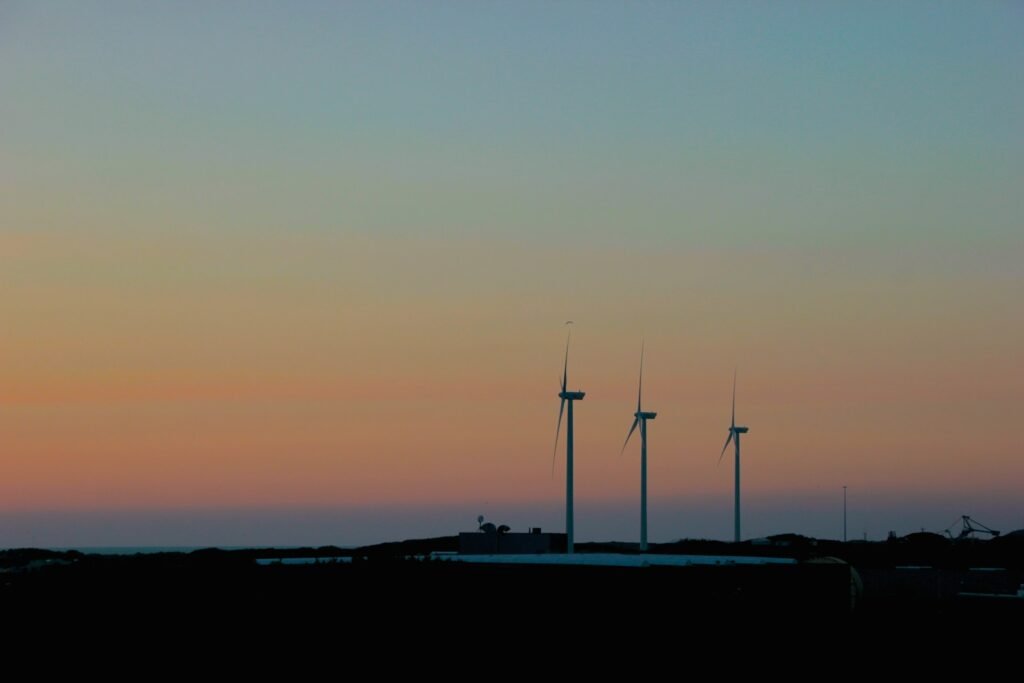
Floating cities represent not only a response to rising sea levels but also an opportunity to redefine urban living sustainably. The plans include integrating renewable energy sources, such as solar and wind power, and systems for water recycling and waste management. The goal is to reduce the environmental footprint while maintaining high living standards.
Case Studies: Floating Prototypes
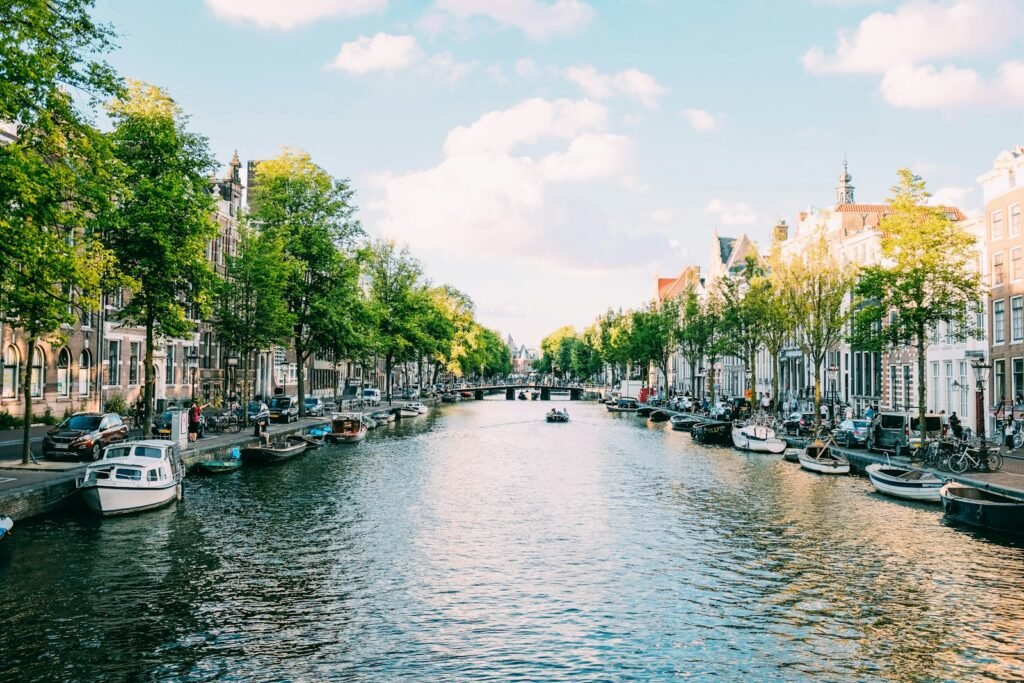
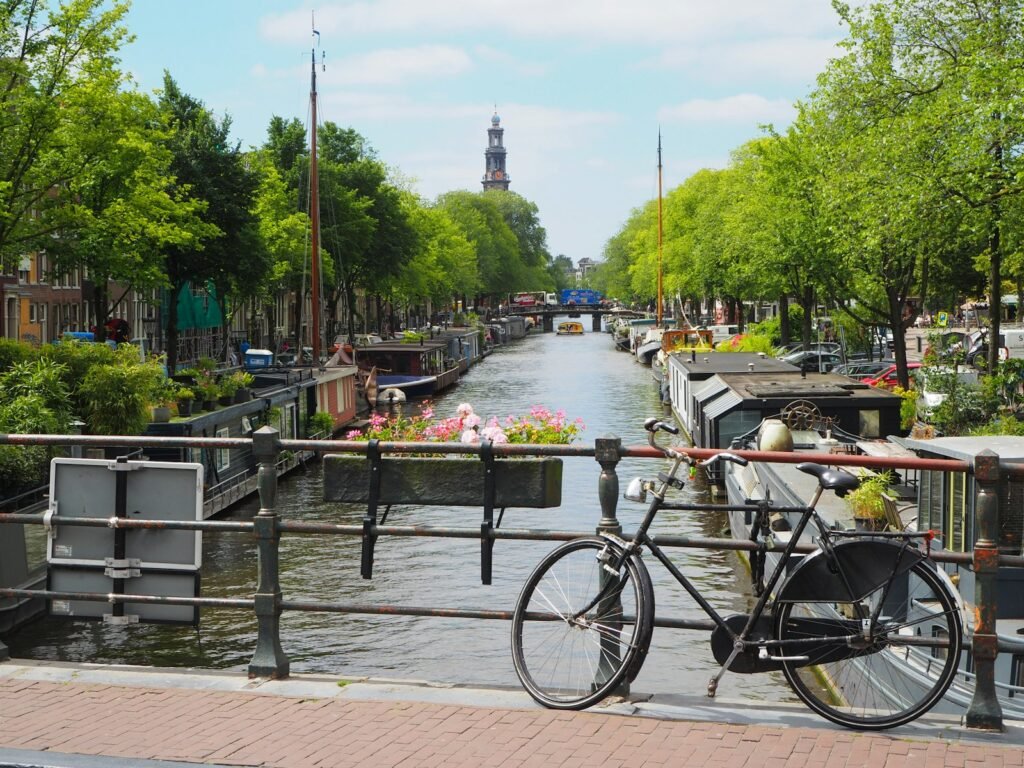
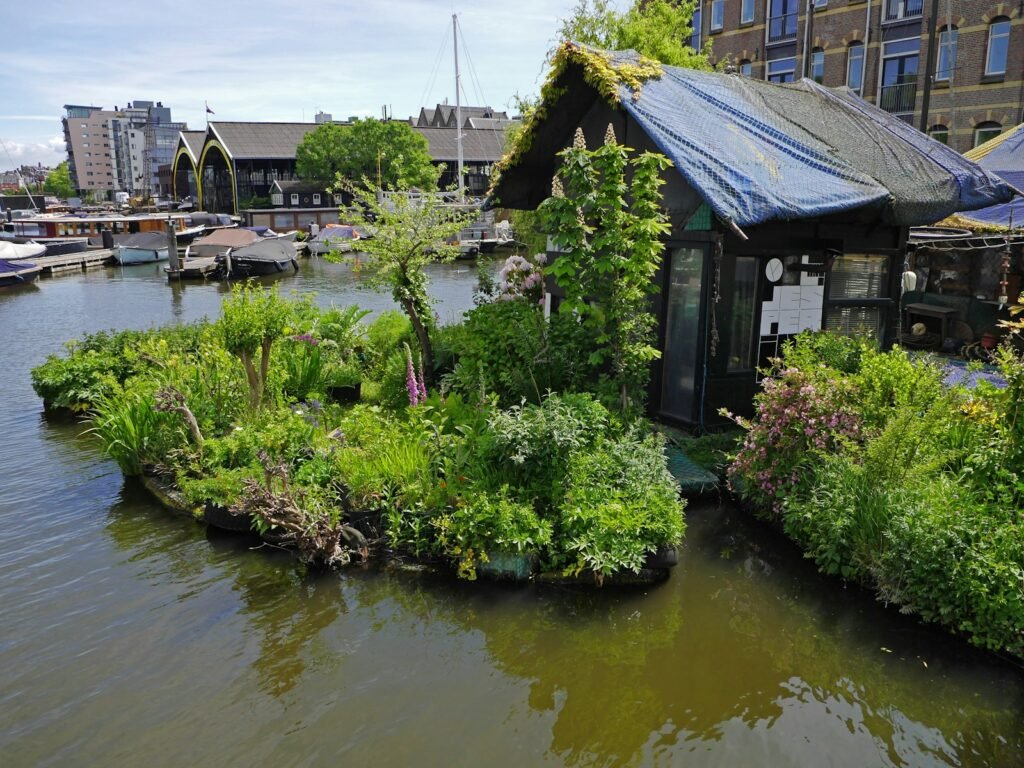
The Netherlands has already begun experimenting with prototype floating neighborhoods, such as the Schoonschip project in Amsterdam, which features homes equipped with the latest green technologies. These projects serve as testing grounds for future large-scale developments and provide valuable insights into the practical aspects of living on water.
Social and Economic Implications
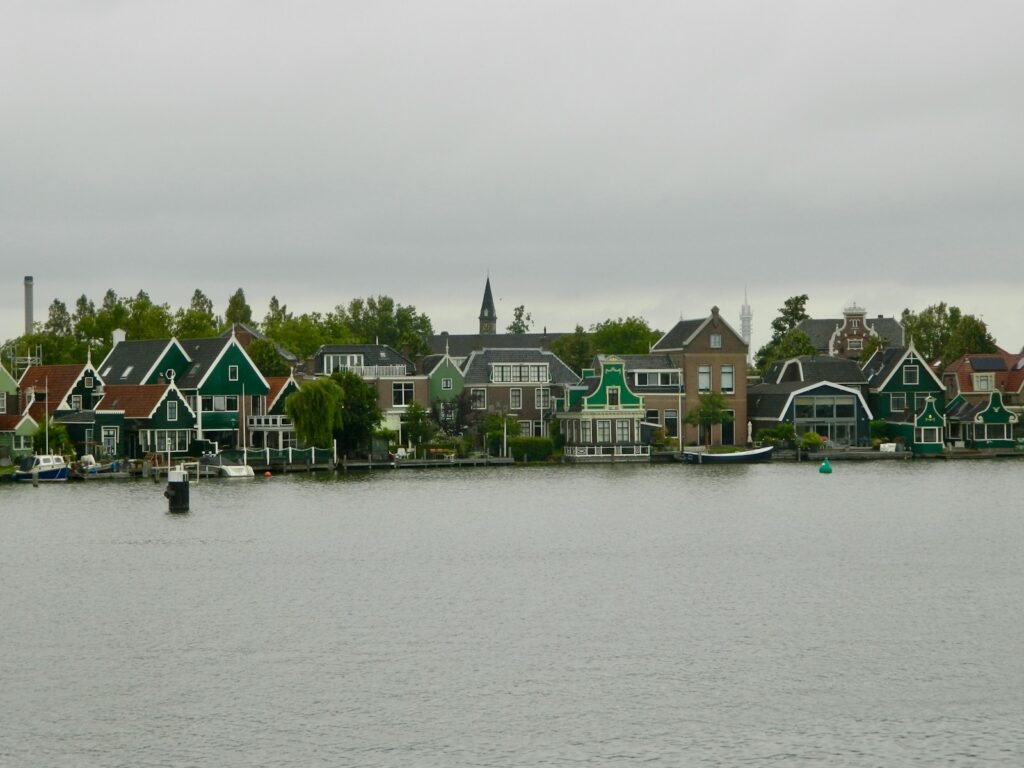
Floating cities present unique social and economic opportunities. They can alleviate urban overcrowding by providing extra living space and revitalizing waterfront areas. Economically, by investing in floating infrastructure, the Netherlands is positioning itself as a leader in maritime and environmental technology, potentially fostering new industries and job opportunities.
Global Relevance
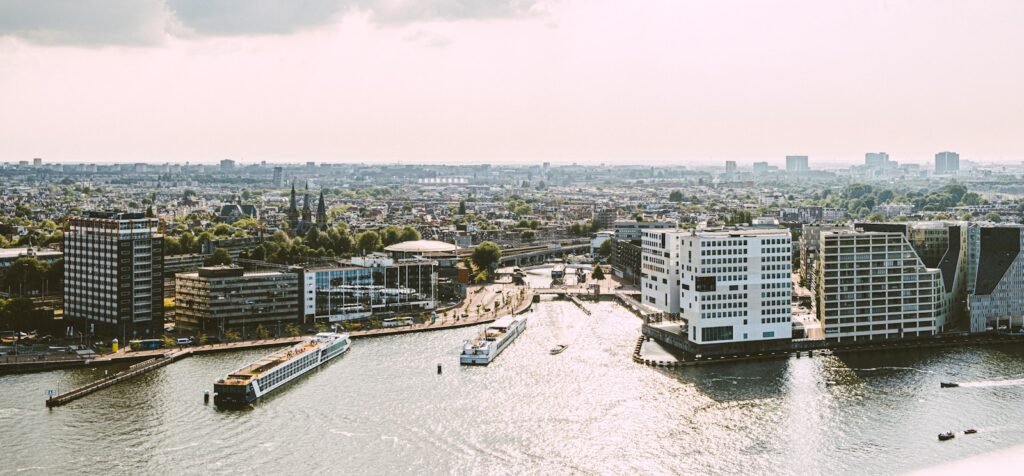
The initiatives undertaken by the Netherlands are being closely watched by other countries that face similar threats from climate change. The success or failure of these floating cities could set precedents and inspire new approaches to urban planning worldwide, especially in coastal and flood-prone regions.
Potential Challenges Ahead
Despite the promising outlook, there are potential challenges, such as the high cost of construction, logistical hurdles in scaling up prototypes, and legal issues related to maritime construction. These challenges require coordinated efforts from governments, businesses, and communities to be overcome.
Public Perception and Support
For floating cities to become a viable reality, gaining public support is essential. Educating the public on the benefits, safety, and sustainability of such developments could foster a positive perception and encourage participation in this groundbreaking endeavor.
Next Steps for Implementation
The immediate future involves continued research, testing of prototypes, and gathering data to inform larger projects. The Dutch government, alongside private sector innovators, will need to establish clear policies and frameworks to guide the development and maintenance of floating cities.
Conclusion: A Vision for the Future
The concept of floating cities represents a bold step towards a sustainable future in the face of rising sea levels. The Netherlands is leading the way with its innovative approach, balancing human habitation needs with environmental stewardship. As this vision evolves, it holds the potential to redefine our relationship with water, turning a long-standing adversary into an ally for resilient living.