Mysterious circular formations in Sweden’s lakes spark curiosity—are they Ice Age relics or something else? Explore the enigma beneath.
Unveiling the Mystery of the Swedish Lake Rings
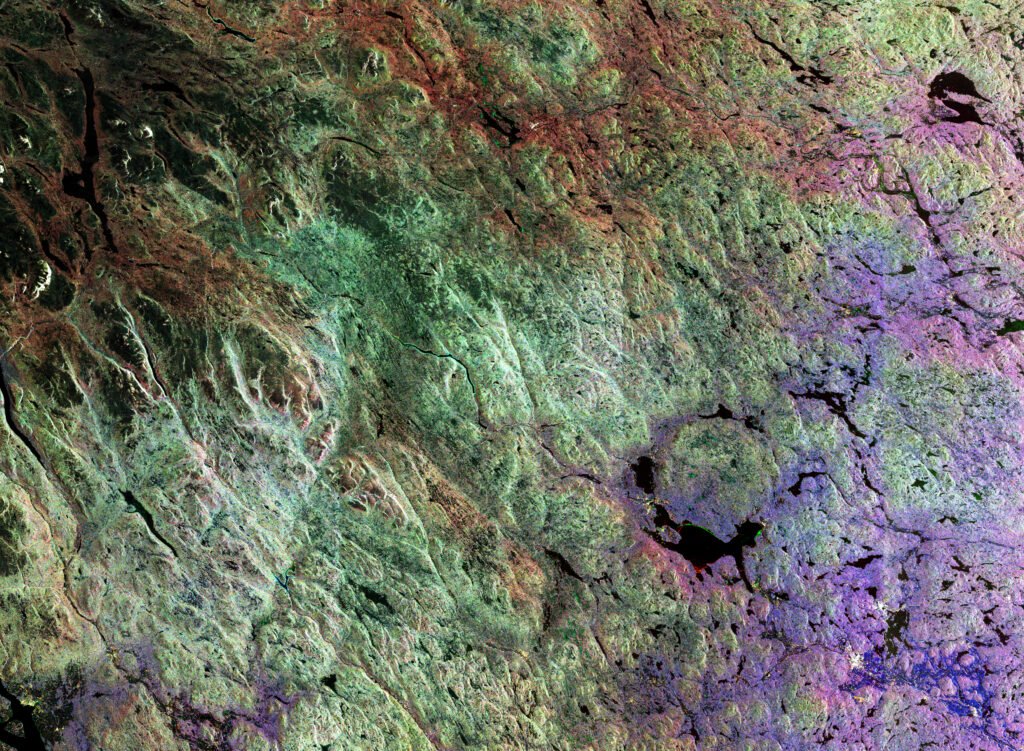
In recent years, aerial images captured over various Swedish lakes have revealed peculiar ring-like structures beneath the surface. These formations, resembling perfectly formed circles, have sparked a flurry of interest and speculation among researchers and the public. Are these the remnants of something ancient and mysterious, or merely a fascinating natural phenomenon?
The Geometry of Nature: A Closer Look
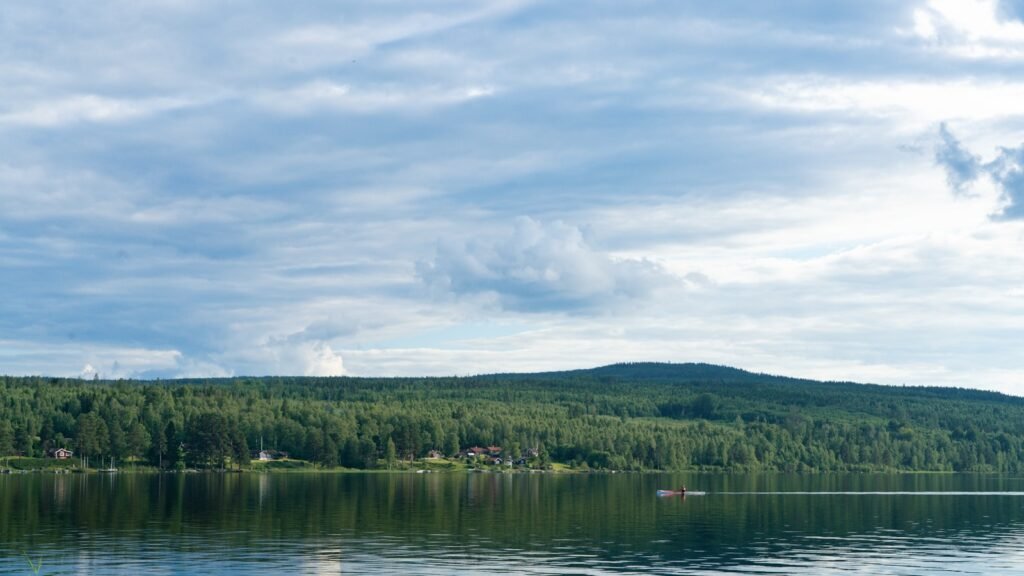
Upon first glance, the rings appear too precise to be products of natural erosion or sediment deposition. Their uniform shape raises the question: what could cause such geometric patterns in nature? While similar patterns occur through various processes, the Swedish lake rings challenge this notion with their sheer precision and number.
Ancient Ice Age Theories

One intriguing hypothesis links these rings to the last Ice Age, which dramatically reshaped the Scandinavian landscape. During this period, colossal ice sheets advanced and receded, potentially leaving behind unique geological imprints or interacting with the aquatic ecosystem in novel ways to produce such formations. Some speculate that ancient ice structures, like submerged glacial formations, could have influenced these rings.
The Role of Aquatic Flora
An alternative explanation involves the biological activity of aquatic plants. Some scientists suggest that certain plant species might grow in circular patterns due to variations in nutrients or sunlight penetration, leading to the creation of these formations over time. Algae and other aquatic vegetation are known to form circular beds, which might offer a clue to these enigmatic shapes.
Historical and Cultural Context
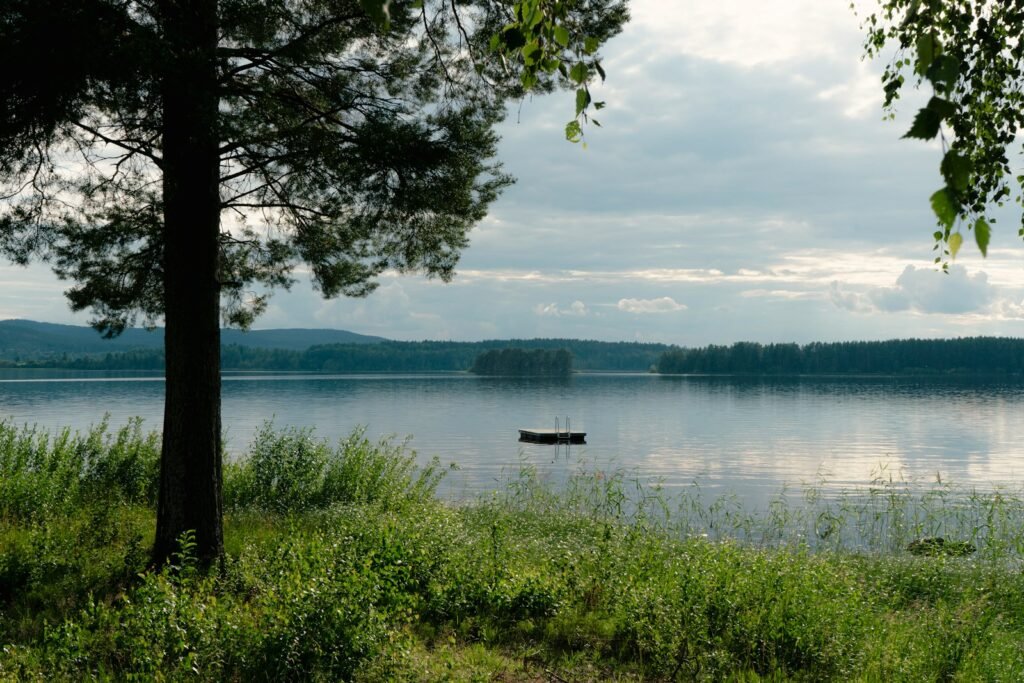
The mysterious rings also provoke curiosity from a cultural perspective. In Swedish folklore, water bodies often hold mythic significance, populated by tales of spirits and ancient creatures. Could these rings have influenced stories of water-bound giants or mythical beings residing under the lakes, passed down through generations?
Scientific Observations and Studies

Recent scientific expeditions have focused on analyzing the composition and structure of these rings. By examining sediments and aquatic life within these areas, researchers aim to uncover whether the formations are recent or have been accumulating over millennia. However, conclusive evidence still remains out of reach, making this an ongoing pursuit in the scientific community.
The Role of Advanced Imaging and Technology
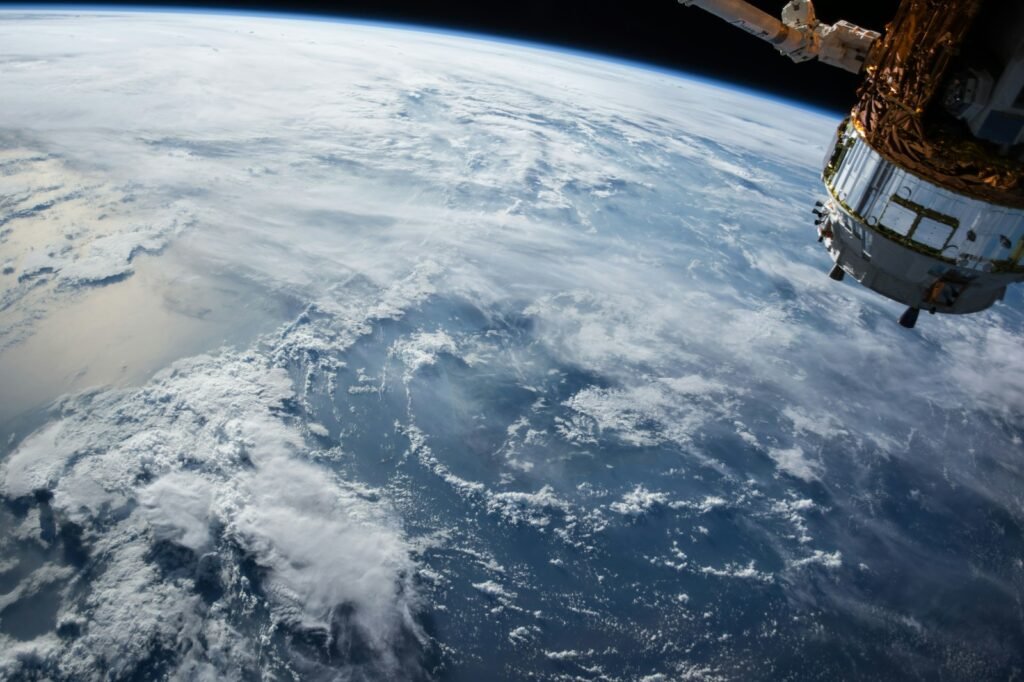
Advancements in aerial photography and satellite imaging have been crucial in monitoring and mapping these rings. These technologies offer comprehensive perspectives and unprecedented details, allowing for more informed hypotheses and deeper understanding. The continuous development of such tools is vital for unraveling this mystery.
Potential Impact of Climate Change

As climate change alters ecosystems worldwide, its impact on these Swedish lakes cannot be ignored. Shifts in temperature, precipitation patterns, and ecological balance could affect the formation or persistence of these rings, adding another layer to their complex nature.
Looking Beyond Sweden: A Global Phenomenon?
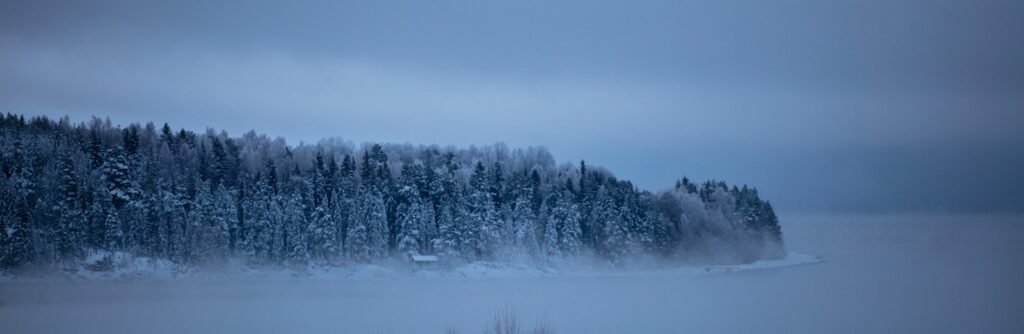
Interestingly, similar formations have been spotted in other parts of the world, prompting comparisons. By studying these rings collectively, scientists hope to garner insights into whether they share a common cause or if each case results from distinct regional factors.
The Future of Lake Exploration
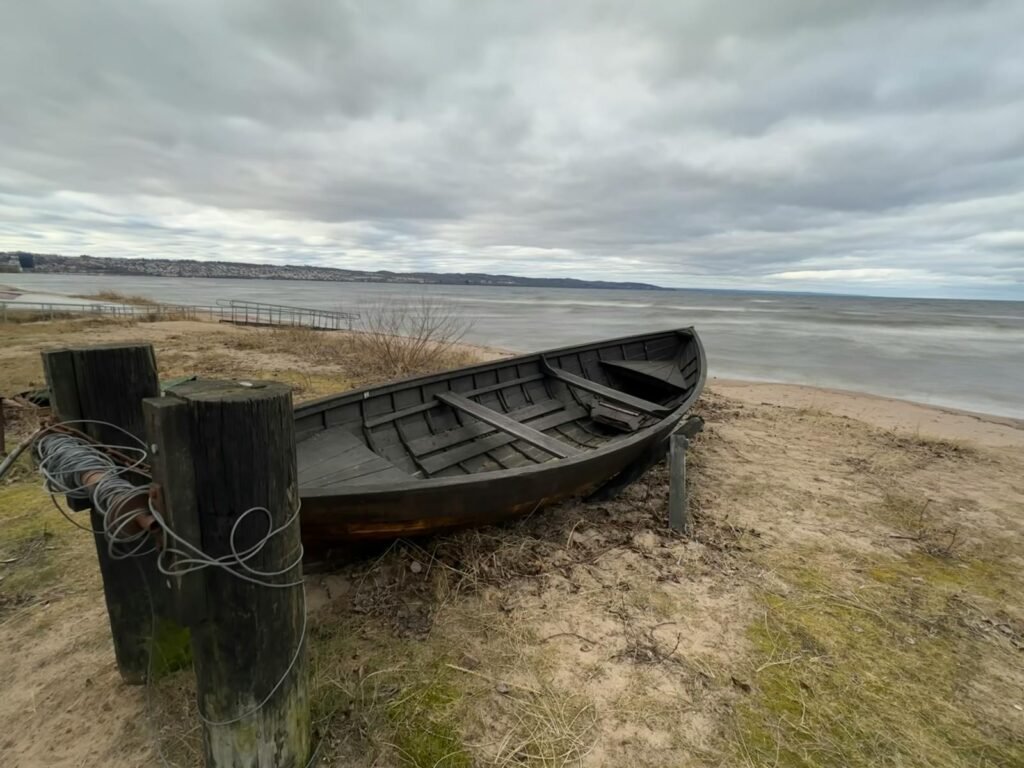
The allure of the unknown will continue to drive exploration and study of these rings. As research progresses, we move closer to understanding these beautiful curiosities—whether they serve as a window into the Ice Age, a marvel of nature, or a combination of both.
Summary: Nature’s Circular Puzzle
Nature seldom reveals its secrets easily, and the mysterious rings beneath Swedish lakes are a testament to this. While they remain unsolved, these formations offer a fascinating glimpse into the intersections of geology, biology, and perhaps history, inviting us to look deeper into the waters and question the stories they might tell. As we continue to investigate, one thing remains certain: the mysteries of our planet continue to inspire wonder and exploration.