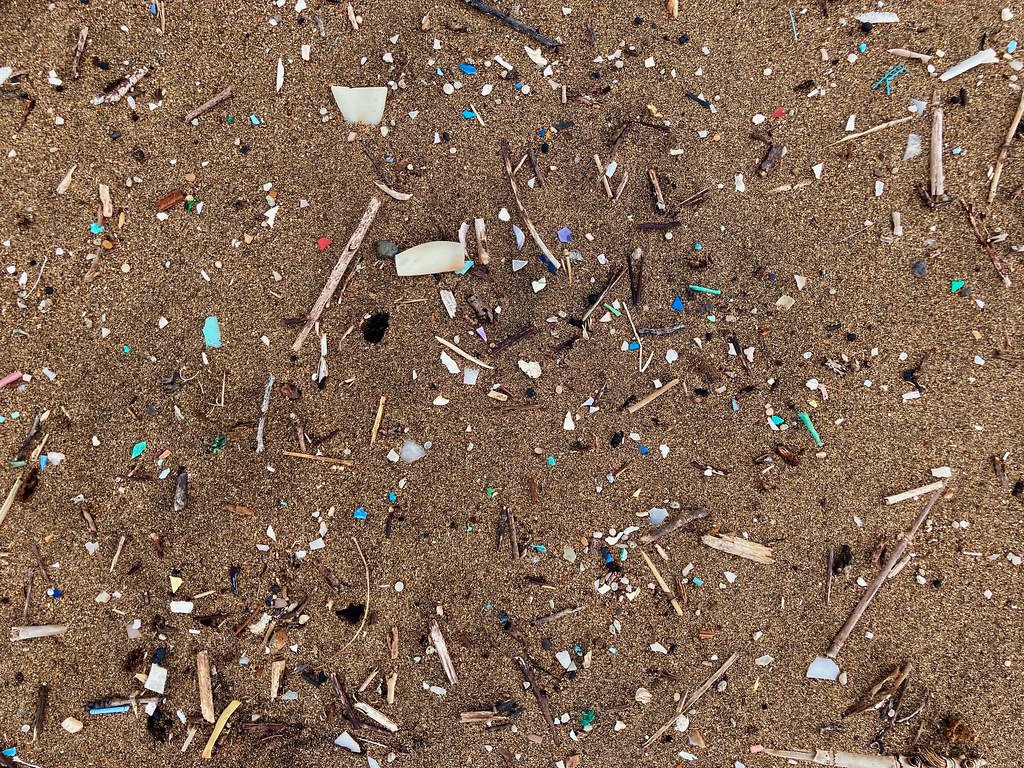

Microplastics, tiny plastic particles barely visible to the naked eye, have infiltrated every corner of our environment and become one of the most pressing environmental concerns of the 21st century. From our oceans to our soils, these minuscule pollutants have profound impacts, and the UK is at the forefront of efforts to combat this escalating issue. Through cutting-edge research and innovative solutions, scientists are working tirelessly to curb microplastic pollution and mitigate its effects on ecosystems and human health.
Understanding Microplastics

Microplastics are plastic fragments less than five millimeters in size, originating from the breakdown of larger plastic debris or directly manufactured at a microscopic scale. They are prevalent across water bodies, soil, and even the air we breathe. The UK, a nation surrounded by water, has become acutely aware of the pervasiveness of microplastics in its marine and terrestrial environments.
Sources of Microplastic Pollution
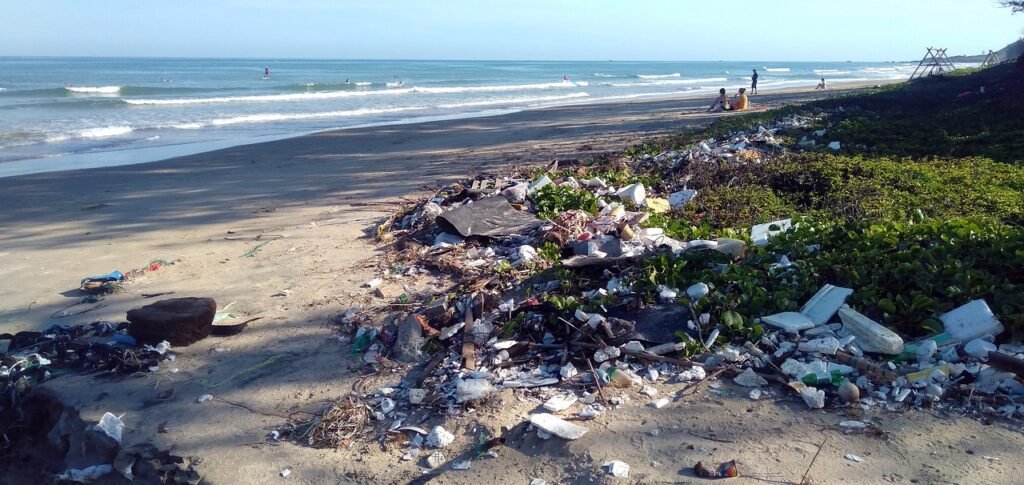
Microplastics originate from a variety of sources, including laundry processes that release synthetic fibers, the degradation of road markings and tire dust, personal care products like exfoliating scrubs, and industrial waste. In the UK, the dense population and heavily industrialized regions contribute significantly to the widespread presence of these pollutants.
Environmental Impact of Microplastics

The environmental impact of microplastics is vast and complex. In marine environments, they can be ingested by small organisms and bioaccumulate up the food chain, affecting predators including fish, birds, and ultimately humans. Moreover, microplastics can act as carriers for other pollutants, further exacerbating their impact on ecosystems.
Health Concerns Linked to Microplastics

The infiltration of microplastics into food and water supplies raises significant health concerns. Recent studies indicate potential links between microplastic exposure and human health issues, including respiratory and digestive disorders. The UK’s healthcare and scientific communities actively research these implications to better inform public safety guidelines.
The Role of Policy and Legislation

The UK government has begun to address the issue of microplastic pollution through policies and bans, such as the prohibition of microbeads in personal care products. Legislation targeting single-use plastics and promoting recycling and waste management is crucial in reducing the input of plastics into the environment.
Innovative Scientific Solutions

British scientists are pioneering various methods to tackle microplastic pollution. Innovations include biodegradable plastics research, waste water filtration systems capable of capturing microplastics, and the development of enzymes capable of breaking down plastic materials more efficiently.
Citizen Engagement and Public Awareness

Public awareness and engagement are vital in tackling microplastic pollution. Campaigns and initiatives to educate the public about the impact of microplastics and how to reduce personal contributions are essential. The UK has launched various educational programs and citizen science projects, empowering individuals to become part of the solution.
Collaborative Efforts and Global Partnerships
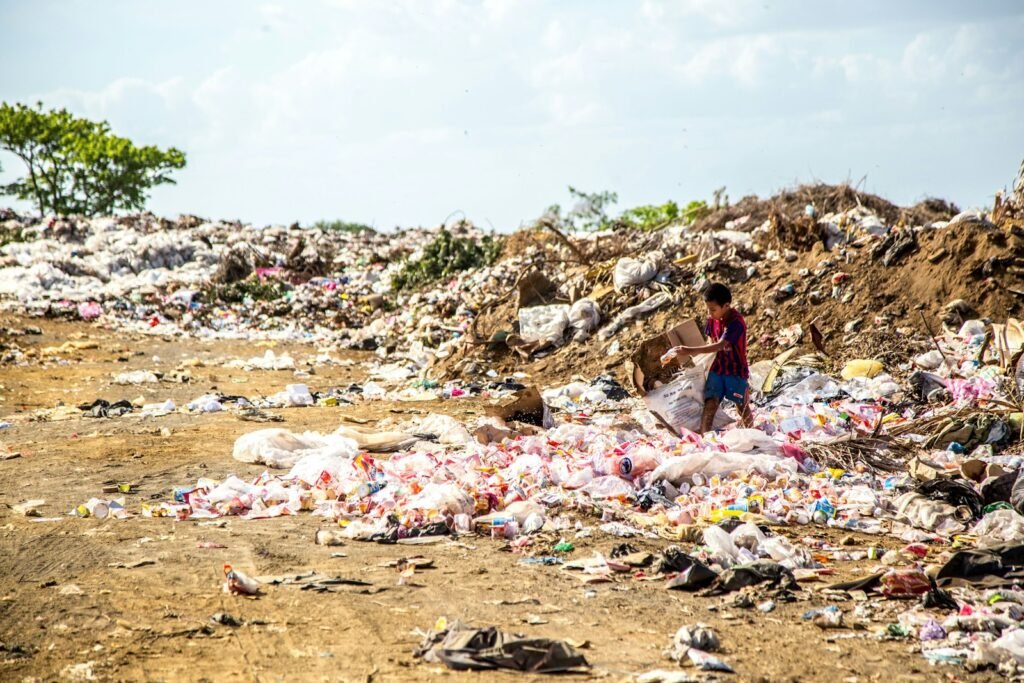
Microplastic pollution is a global issue that requires international cooperation. The UK is part of various global partnerships, sharing research findings and strategies to combat microplastic pollution at larger scales. Collaborative efforts enhance the understanding of microplastic impacts and drive collective action.
The Future of Microplastic Research

The future of microplastic research in the UK is promising, with increased government funding and the establishment of specialized research centers. The continued development of innovative technologies and methods to study, reduce, and remediate microplastics will be critical in winning this environmental battle.
Conclusion: A Call to Action

The UK’s fight against microplastic pollution is a multifaceted approach involving scientific innovation, effective legislation, and active public participation. While the challenge is significant, the dedication of scientists, policymakers, and citizens alike offers hope for a cleaner, healthier environment. By continuing to support and invest in research and sustainable practices, the UK can lead the way in reducing microplastics and safeguarding the planet for future generations.