The recent announcement of significant job cuts at the U.S. Fish and Wildlife Service (USFWS) has sent ripples through the conservation community. With 420 positions being eliminated, concerns are mounting about the potential consequences for biodiversity and environmental protection. This article delves into the implications of these layoffs, offering an accessible yet detailed exploration of what they could mean for conservation efforts across the nation.
Understanding the U.S. Fish and Wildlife Service

Established in 1940, the U.S. Fish and Wildlife Service is a critical federal agency dedicated to managing America’s vast array of fish, wildlife, and natural habitats. It plays a vital role in conservation efforts, enforcing federal wildlife laws, managing migratory bird species, and restoring crucial wildlife habitats. By overseeing over 560 national wildlife refuges, the USFWS ensures that millions of acres of public land are preserved for future generations.
The Context Behind the Layoffs
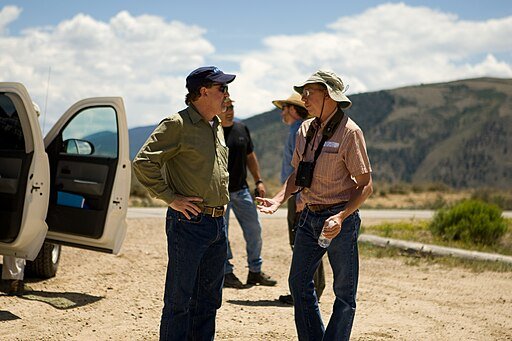
The decision to cut 420 positions at the USFWS comes at a time when federal budget constraints are pressing down on various government services. Despite the essential nature of their work, conservation agencies like the USFWS are not immune to these financial pressures. The layoffs represent a significant portion of the agency’s workforce, threatening to curtail its capacity to carry out its mission.
Impact on Wildlife Conservation Initiatives

With fewer personnel, the USFWS will likely face challenges in managing ongoing conservation projects. Initiatives aimed at protecting endangered species and restoring critical habitats could see delays or downsizing. Such outcomes could have long-term effects on vulnerable ecosystems that rely on human intervention for recovery and stability.
Consequences for Biodiversity

Biodiversity hinges on a delicate balance in ecosystems. The reduction in workforce at the USFWS could disrupt monitoring and protective measures, potentially leading to unchecked threats like habitat destruction, invasive species, and environmental pollution. The loss of expertise may weaken America’s biodiversity conservation strategies at a time when they are needed most.
Challenges in Wildlife Law Enforcement

The USFWS is a key player in enforcing wildlife laws and regulations. With fewer staff, there may be a decrease in oversight and enforcement capabilities, allowing illegal activities such as poaching and trafficking to rise. This could destabilize local wildlife populations and diminish the effectiveness of current legislation.
Potential Effects on Climate Change Initiatives

USFWS projects often intersect with broader environmental goals, including combating climate change. The workforce reduction could hinder efforts to mitigate climate impacts, as fewer employees means limited capacity to manage and implement life-sustaining programs. This could set back national and global environmental efforts significantly.
Human Impact and Ethical Considerations

The job cuts have a profound human dimension, affecting not only those directly impacted but also the morale of remaining staff. The emotional toll on employees who are passionate about conservation efforts is significant, potentially leading to reduced productivity and commitment in the workforce that remains.
Response from the Conservation Community

The conservation community has expressed deep concern over the layoffs, urging policymakers to reconsider funding allocations. Advocacy groups emphasize the importance of maintaining robust federal support for biodiversity and conservation efforts to ensure the legacy of protected natural spaces for future generations.
Future Outlook for the USFWS

In the wake of these layoffs, the future of the USFWS appears uncertain. The agency will need to adapt to reduced resources while still striving to fulfill its crucial role in conservation. Strategic planning and increased public-private partnerships may be essential in compensating for the workforce reduction.
Call to Action

This situation serves as a call to action for all stakeholders to advocate for sustainable funding solutions. Public support and awareness can play a pivotal role in encouraging Congress to prioritize wildlife and habitat conservation in future budgets, reinforcing the importance of the USFWS mission.
Conclusion: Navigating a Challenging Path Forward

The layoffs at the U.S. Fish and Wildlife Service highlight the persistent challenges of balancing federal budgets with the urgent need for environmental protection. While the reduction in jobs poses a significant obstacle, it also underscores the vital importance of collaborative efforts in conservation. By rallying support and resources, both from public funding and private entities, the path forward can lead to innovative solutions that ensure the continuance of crucial conservation work. As the nation navigates these changes, it is essential to keep the importance of biodiversity and a healthy planet at the forefront of decision-making.