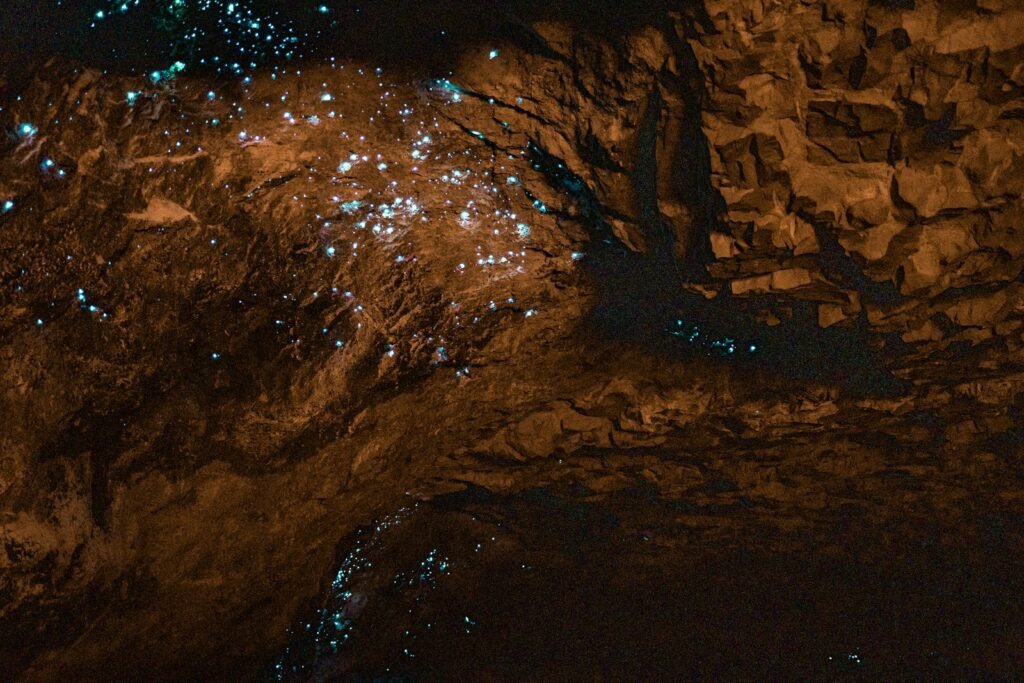

Caves and deep-sea vents represent some of the most mysterious and inhospitable environments on Earth. These isolated ecosystems harbor life forms that seem more akin to science fiction than reality. This article takes you on a journey through these enigmatic realms, revealing the unique characteristics and fascinating adaptations of the species that reside there.
Introduction to Alien Ecosystems

Imagine descending into a cave or plunging into the depths of the ocean, entering worlds that are seemingly detached from the sunlit Earth we know. Here, daylight never penetrates, and the terrain ranges from the eerie stillness of stalactite-laden caverns to the boiling intensity surrounding hydrothermal vents. These distinct environments challenge the very definition of life, supporting organisms with extraordinary adaptations. From creatures that thrive on chemical energy rather than sunlight to those with biological features tailored for survival in complete darkness, these alien systems intrigue and inspire scientists and explorers alike.
The Secrets of Subterranean Caves
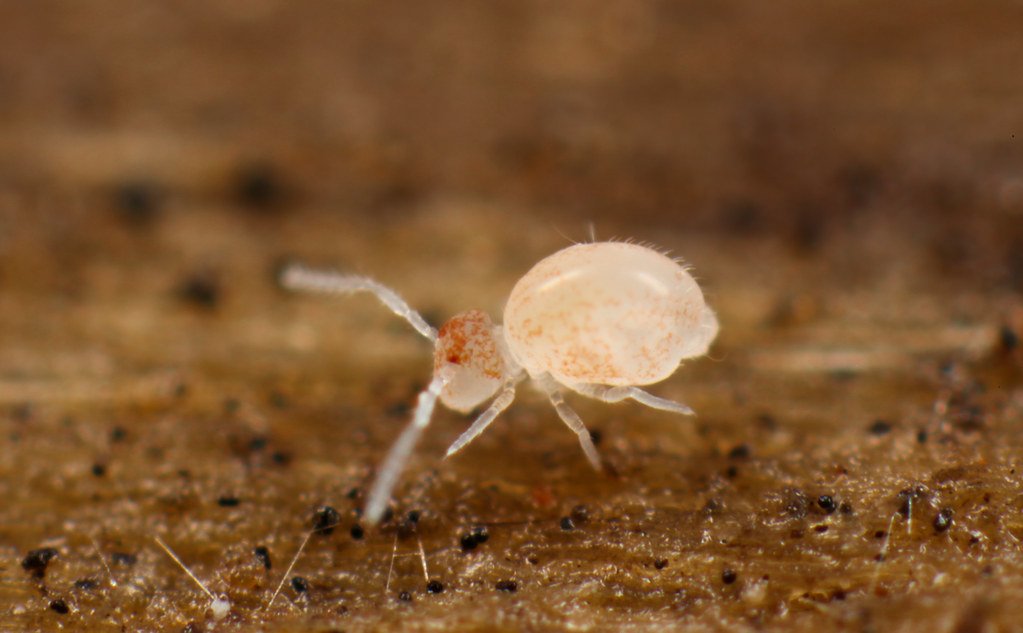
Caves present a unique set of environmental challenges, including total darkness, stable temperatures, and limited food resources. The species that inhabit these environments often exhibit remarkable adaptations. Troglobites, for example, are organisms that spend their entire lives in caves. These creatures, like the blind fish and albino salamanders, have adapted to this world with enhanced non-visual senses and often lack pigmentation.
Diverse Life Forms in Caves
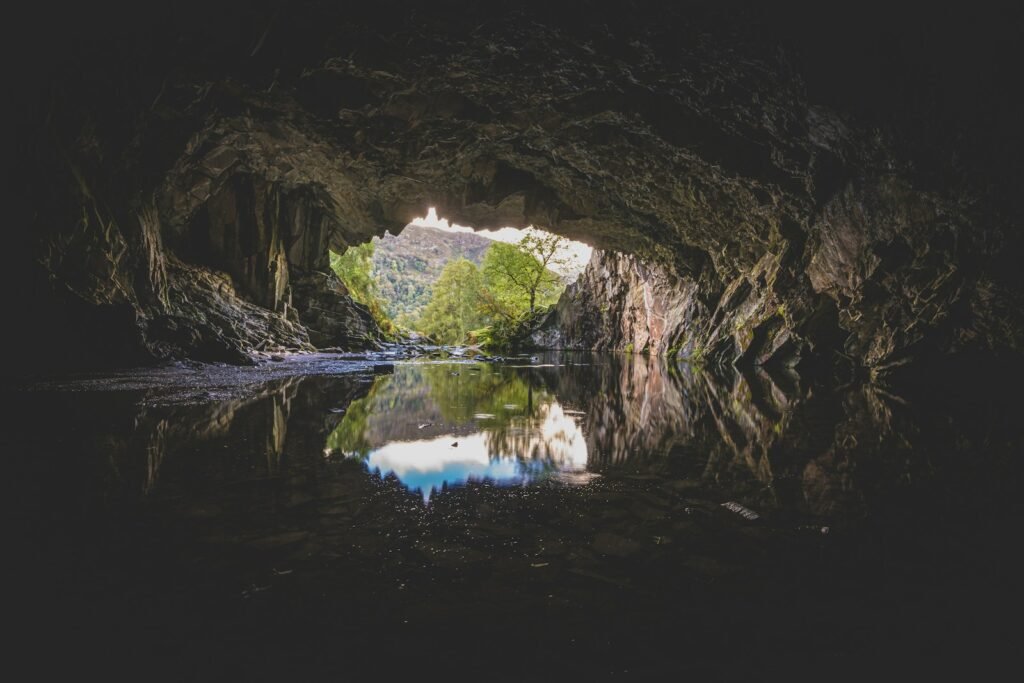
Life in caves is astonishingly diverse, encompassing a range of microbial communities, insects, and even large vertebrates in some cases. Microbial mats can cover cave floors and walls, thriving on the minimal organic material washed in from above. These microbes form the foundation of the cave ecosystem, breaking down material and creating new food sources for larger organisms.
Adaptations of Cave-Dwelling Species
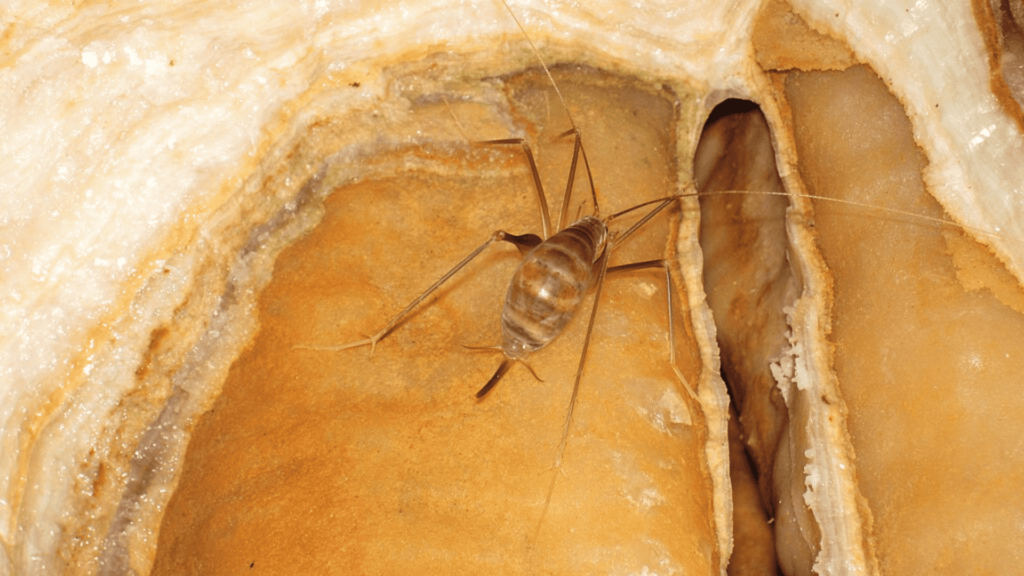
To survive in such a stark environment, cave-dwelling species have evolved fascinating characteristics. Many animals exhibit anophthalmia, or the loss of eyes, an adaptation to complete darkness where vision is redundant. Others have developed heightened senses, such as the amplified touch and smell in cave crickets, which help them navigate and find food in the inky blackness.
The Mysterious World of Deep-Sea Vents
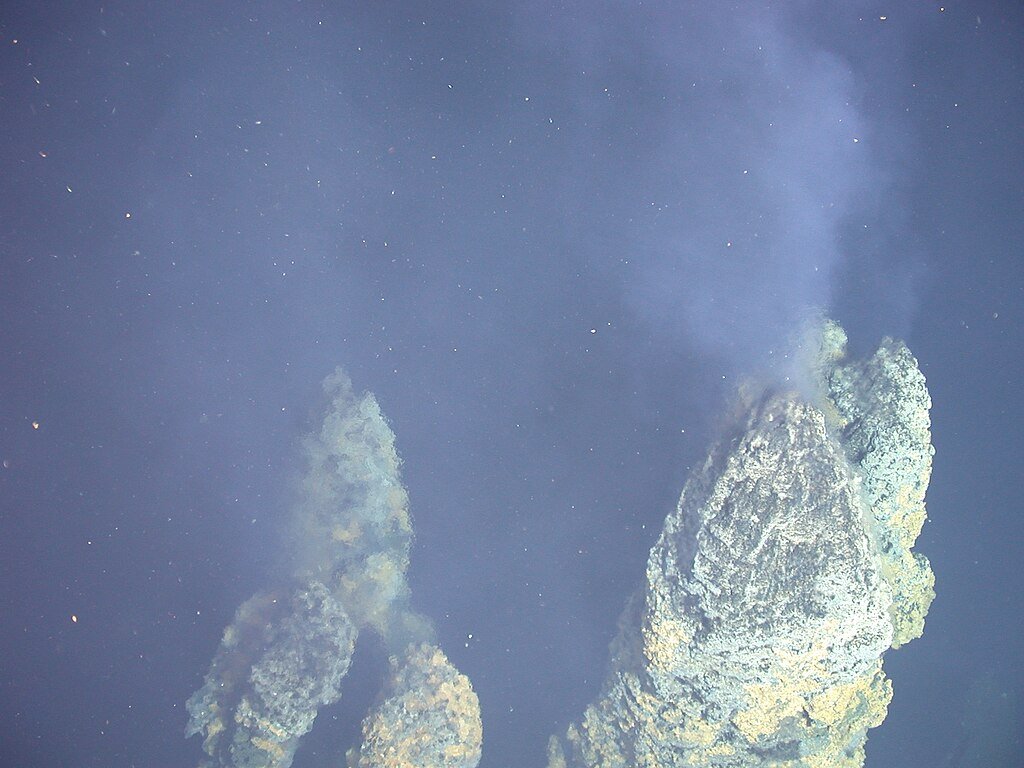
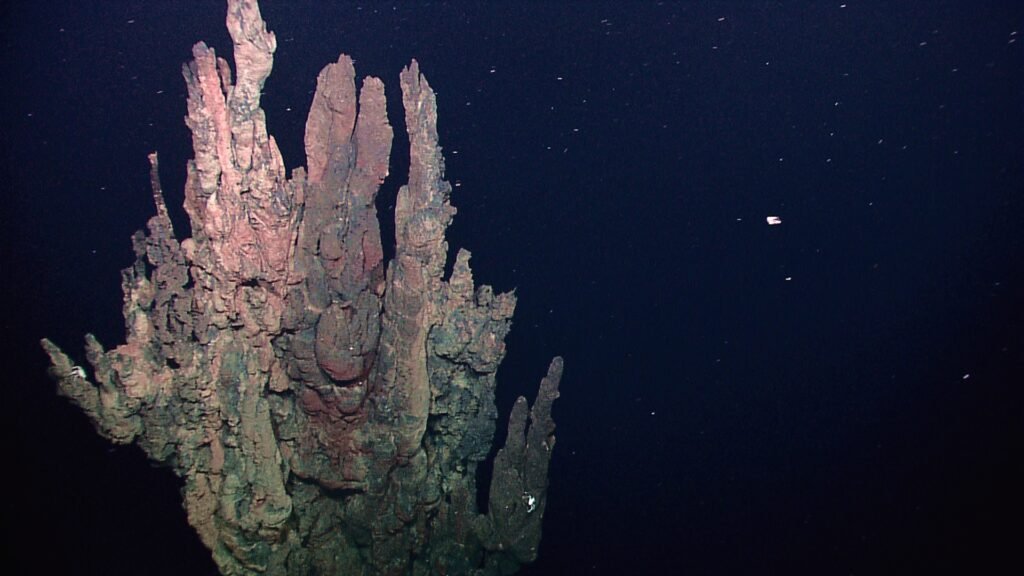
Deep-sea vents, often found along mid-ocean ridges, are created by geothermal activity. These vents spew out superheated, mineral-rich water into the frigid ocean depths. Despite the extreme conditions, including high pressures and temperatures, they support vibrant ecosystems. It was only in the late 20th century that scientists discovered these unique marine habitats, defying previous notions that life could not exist at such depths.
Life’s Dependence on Chemosynthesis

Unlike most ecosystems on Earth that rely on photosynthesis, deep-sea vent communities depend on chemosynthesis. Here, microorganisms harness chemical energy from the vent’s mineral-laden fluids. These bacteria form the base of a complex food web, supporting diverse life forms including giant tube worms, clams, and ghostly white crabs.
Extraordinary Adaptations in Deep-Sea Life
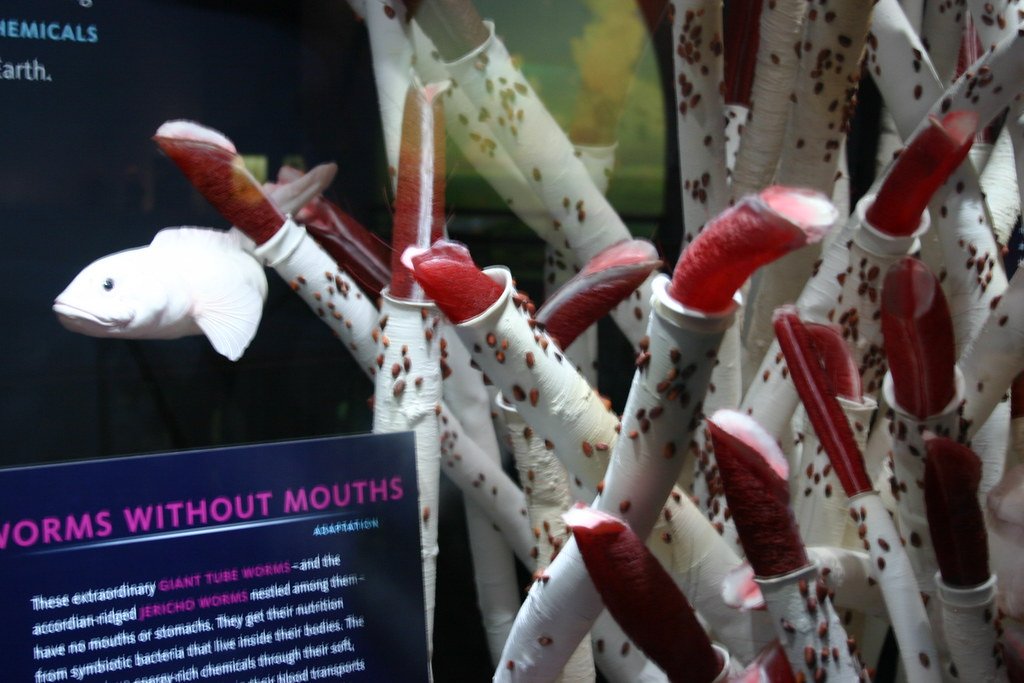
The residents of deep-sea vents display adaptations that are as extraordinary as their environment. The giant tube worm, for instance, houses symbiotic bacteria in its tissues, which provide it with nutrients derived from sulfur compounds. Moreover, these animals must withstand extreme pressures and varying temperatures, from the icy waters of the deep sea to the scalding fluid emitted by the vents.
Importance of Studying Cave and Vent Ecosystems
Exploring these alien-like ecosystems not only quenches our curiosity but also expands our understanding of life’s resilience. The study of organisms inhabiting caves and deep-sea vents can provide insights into evolutionary processes, adaptation to extreme conditions, and even the potential for extraterrestrial life on other planets with similar environments.
The Role of Technology in Exploration
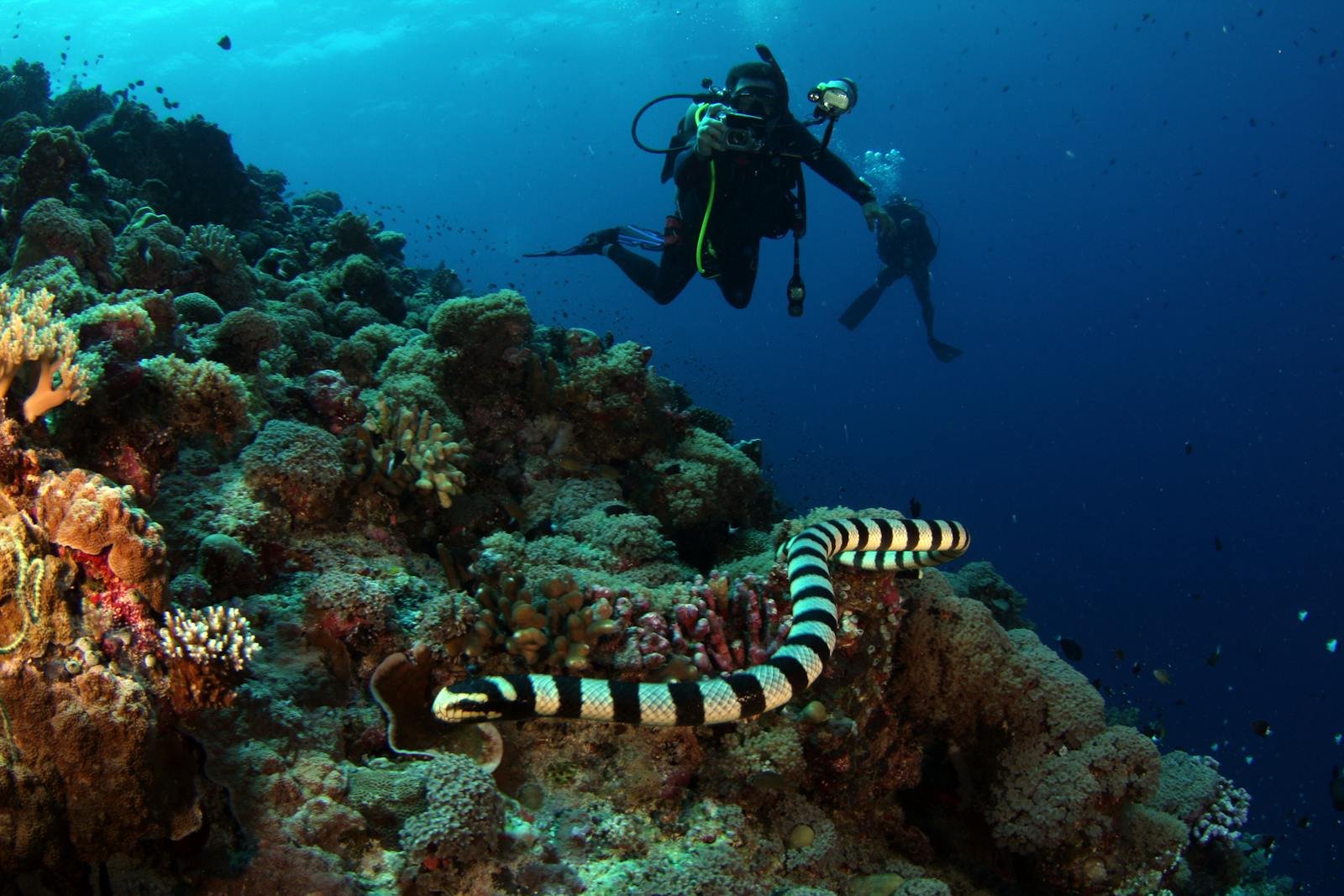
Modern technology plays a crucial role in uncovering the secrets of these remote habitats. Innovations such as remotely operated vehicles (ROVs) and advanced diving gear allow scientists to explore these environments without enduring their harsh conditions firsthand. These technologies have led to the discovery of countless new species and have broadened our comprehension of biology and ecology.
Environmental and Conservation Considerations
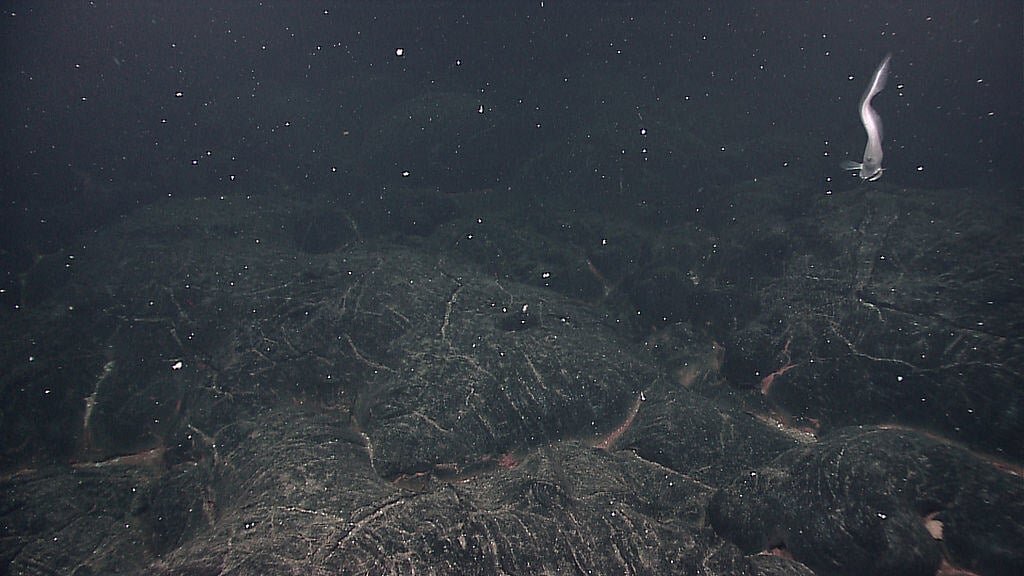
Despite their isolation, caves and deep-sea vents are not immune to human impact. Climate change, pollution, and deep-sea mining pose threats to these fragile ecosystems. Conservation efforts are essential to preserve their unique biodiversity and to ensure that these ecosystems remain intact for future research and exploration.
Conclusion

The alien ecosystems in caves and deep-sea vents challenge our understanding of life on Earth. They emphasize life’s tenacity and adaptability, revealing how organisms can thrive under seemingly insurmountable conditions. As we continue to explore these mysterious worlds, we not only gain insights into the breadth of life’s potential but also foster an appreciation for the delicate balance that sustains these extraordinary communities. Protecting these ecosystems ensures that their secrets remain a source of wonder for generations to come.