Imagine a world where the thundering footfalls of mammoths echo once more across tundras, or giant ground sloths stir the quiet of the savannas. This dream of reviving extinct species, known as de-extinction, captivates our imagination and challenges our scientific prowess. The concept of resurrecting megafauna is not just the domain of science fiction anymore, but a subject of serious scientific inquiry. In this article, we will delve into the fascinating world of de-extinction, exploring the feasibility, the science, and the potential consequences of bringing back these majestic creatures.
The Concept of De-Extinction
De-extinction refers to the process of reviving extinct species through various scientific methods. This revolutionary idea aims to bring back species that have vanished due to natural events or anthropogenic factors. De-extinction is part of a broader scientific field called “synthetic biology,” which manipulates organisms at a genetic level for various purposes, including conservation.
The Historical Giants: Megafauna

Megafauna encompasses large animals that once roamed the Earth, including the woolly mammoth, saber-toothed tiger, and giant ground sloths. These colossal creatures, characterizing the Pleistocene epoch, were vital to their ecosystems, contributing to vegetation management and biodiversity.
How Could We Bring Them Back?

There are a few plausible methods for de-extinction, primarily involving genetic engineering techniques. The most prominent method is “back-breeding,” which involves selecting and breeding living relatives with similar traits to their extinct ancestors. Another more advanced method involves cloning, where scientists use preserved DNA to recreate a living specimen. Genetic editing tools, such as CRISPR, allow precise modifications to an organism’s DNA, effectively reviving extinct genes.
The Role of DNA

DNA is central to the de-extinction process. Samples from frozen remains, like those found in permafrost, are often used to extract viable genetic material. However, DNA degrades over time, and reconstructing a complete genome can be challenging due to fragmentation and contamination. Scientists work tirelessly to overcome these hurdles, piecing together ancient genomes with the hope of resurrecting lost species.
Current Progress and Key Experiments
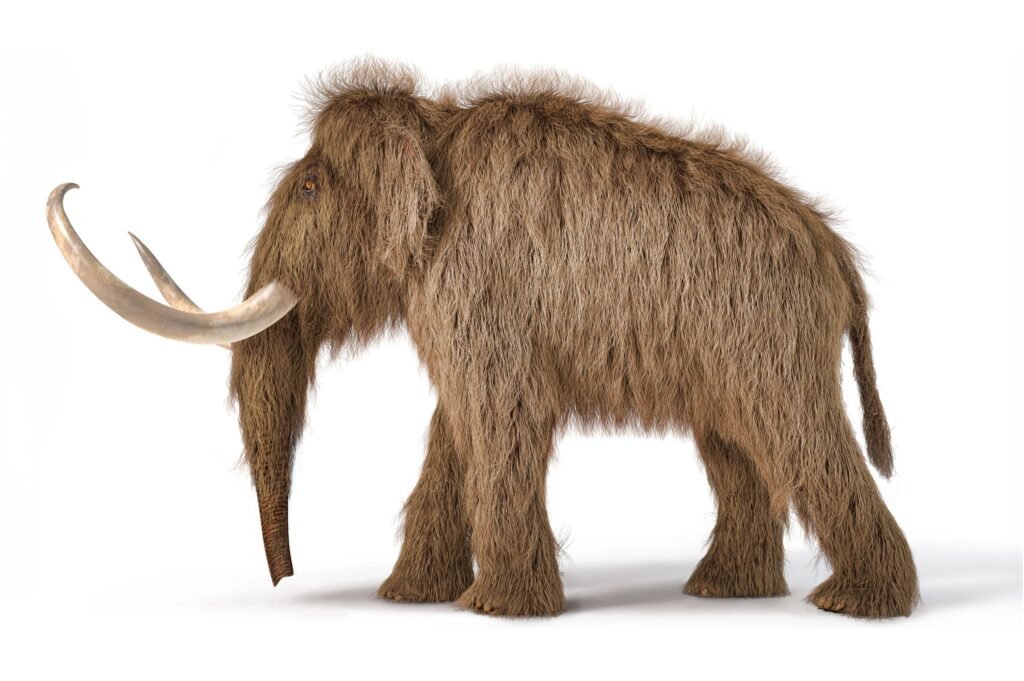
One of the most well-known de-extinction projects involves the woolly mammoth. Scientists aim to bring these creatures back by editing the genome of Asian elephants, their closest living relatives. This ambitious project, led by renowned geneticist George Church, illustrates the potential of gene-editing technologies but also highlights the complexities and ethical questions involved.
The Ecological Impact

The reintroduction of megafauna could provide significant ecological benefits, such as restoring lost ecosystems and increasing biodiversity. Megafauna can impact plant growth, nutrient cycles, and habitat structures, thus potentially reversing some effects of human-driven ecological degradation. However, these impacts must be carefully managed to avoid unintended consequences.
Ethical Considerations

The ethics of de-extinction are hotly debated. Critics argue that resources should be allocated to conserve existing endangered species rather than resurrect extinct ones. There are concerns about animal welfare, as de-extinct species may suffer in unfamiliar environments, and potential ecological disruptions could arise from their reintroduction.
Challenges and Limitations

While the promise of bringing back extinct species is alluring, numerous scientific and technical challenges remain. These include incomplete genomes, technological limitations, and the need for surrogate species to carry the pregnancies of de-extinct embryos. Financial, ethical, and environmental considerations further complicate these endeavors, making de-extinction a complex prospect.
The Future of De-Extinction

The future of de-extinction is uncertain yet exciting. Advances in genetic technology hold promising potential, but the journey is fraught with scientific, ethical, and ecological challenges. While we are on the brink of unprecedented breakthroughs, tremendous responsibility accompanies these possibilities, demanding careful consideration of long-term impacts and priorities.
Conclusion

In the grand scheme of Earth’s history, the re-emergence of megafauna could represent a testament to human ingenuity and scientific progress. However, striking a balance between technological prowess and environmental stewardship is crucial. De-extinction is not merely about restoring the past but also about ensuring a sustainable future, prompting us to reflect on the profound impact we have on the natural world. As the conversation around reviving these ancient creatures continues, we must thoughtfully weigh our decisions for generations yet to come.